REVIEW · KYOTO
Secrets of Ninjas X Samurais: Private History Tour to Iga & Koka
Book on Viator →Operated by WadaF Tours · Bookable on Viator
Ninja history, minus the movie magic. This private Iga & Koka tour turns shadowy folklore into something you can see—an Iga-ryu museum, an authentic ninja house with hidden mechanisms, and a samurai castle visit in one smooth, air-conditioned ride. I especially like the full-English guide Daiki Fukashi, whose explanations connect geography, history, and daily life in a way that sticks.
One possible catch: parts of the experience can depend on timing, and if you’re aiming for any scheduled add-ons like a ninja performance, the afternoon schedule may not line up perfectly.
In This Review
- Key Highlights (Why This Tour Works)
- Iga and Koka: where ninja history feels specific (not generic)
- Private van, 1:00 pm start, and how the timing really plays out
- Stop 1: Iga-ryu Ninja Museum and how to read what you see
- Stop 2: Iga Ueno Castle and the samurai gear you came for
- Stop 3: Shogunzuka Seiryuden Temple for a Kyoto city viewpoint break
- Stop 4: Iga City, plus the ninja house with flipping doors and secret storage
- Stop 5: Koka, where herbal mixing connects to survival and training
- Price and value: what $257.35 per group buys (and what it doesn’t)
- How the guide level affects the whole day
- What to watch for: tickets, walking, and timing surprises
- Who should book Secrets of Ninjas X Samurais
- Should you book it?
- FAQ
- FAQ
- What time does the tour start?
- How long is the tour?
- Is this tour private?
- How many people can be in the group for the price?
- Does the tour include pickup from my hotel?
- Are entrance fees included?
- Will I need to walk stairs or uneven ground?
- Is the guide English-speaking?
- Can I cancel for a full refund?
Key Highlights (Why This Tour Works)
- Private van and direct pickup keeps the day calm and efficient, with air-conditioning for comfort.
- Daiki Fukashi’s English makes the history feel practical, not like a lecture you forget by stop two.
- Iga-ryu focus at the ninja museum helps you understand how different ninja “styles” formed.
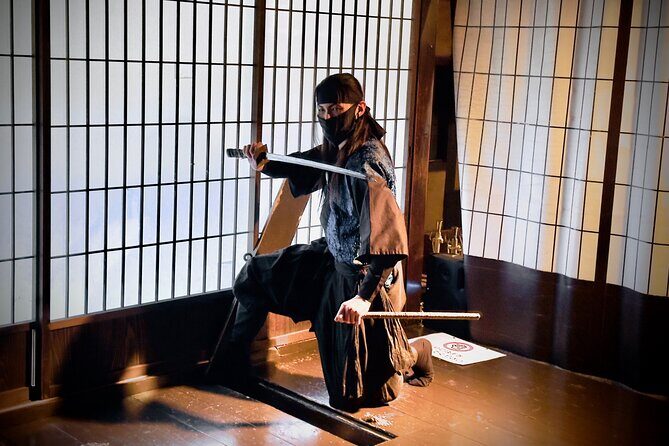
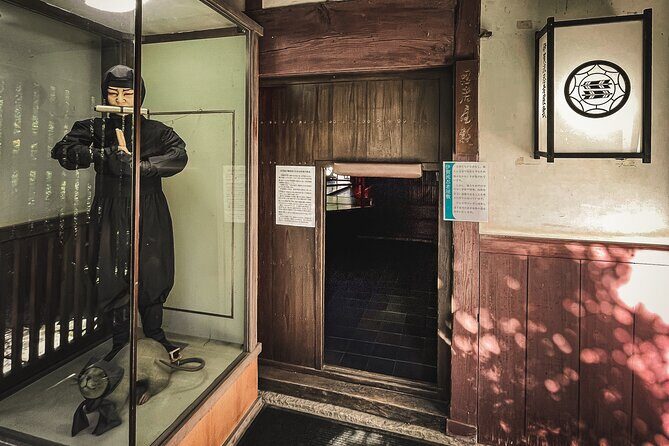
- Ninja house gimmicks you can see include flipping doors, secret passages, and hidden sword storage.
- Samurai stop with real gear is where the weapons-and-armor story becomes tangible.
- Koka’s herbal-mixing theme adds variety beyond stealth and weapons, with local expert-led exploration.
Iga and Koka: where ninja history feels specific (not generic)
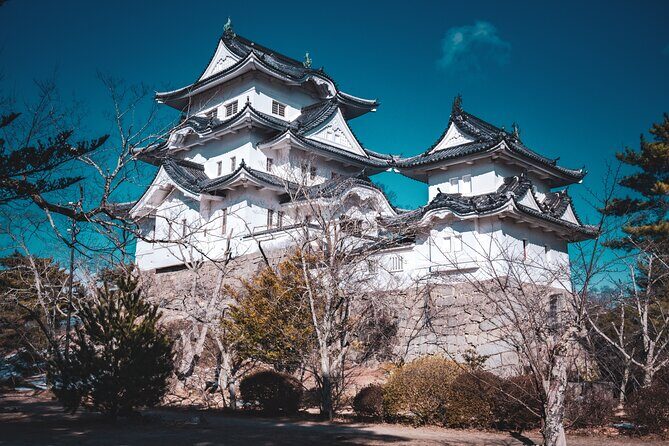
Most ninja stories in English blur together: ninja = darkness + gadgets. This tour makes the subject place-based, which is a big deal. You’re not just learning the word ninja. You’re learning why certain families and regions formed their own methods, training habits, and specialties.
Iga is the first key, tied to Iga-shū and the famous Iga-ryu ninja tradition. Koka is the second, known historically for herbal mixing skills and training in the mountain woods. That pairing matters. It keeps the day from becoming one-note cosplay and turns it into a “how communities worked” story.
The scenery helps too. Ninjas were associated with mountains, so the drive and surroundings feel like part of the lesson—especially if you visit in spring with cherry blossoms or autumn with maples, when the mountain routes look extra photogenic.
You can also read our reviews of more private tours in Kyoto


Private van, 1:00 pm start, and how the timing really plays out
This is a private tour for your group only, with an air-conditioned Nissan van (when there are 2 guests or more) or a Mini Cooper Convertible (when there’s 1 guest). That sounds like a small detail, but it changes the experience. You’re not waiting for other people, and the guide can pace the stops around your questions.
The tour starts at 1:00 pm and runs about 6 hours. That afternoon timing is useful because you avoid the early-morning rush, and you can still keep the day from feeling too long. Still, remember the Iga area is reached by car in about an hour from Kyoto for the mountain-side museum stop—so expect real drive time built into your schedule.
Also, entrance fees are separate (more on that below), so plan a little budget buffer for tickets on the day.
Stop 1: Iga-ryu Ninja Museum and how to read what you see
Your first stop is the Iga-ryu Ninja Museum in Iga. This is described as truly authentic, built by a real ninja master. That’s the kind of claim you should treat seriously, because it signals the museum’s goal: not just props, but the idea that ninja training and techniques were part of real life.
Even if you only have an hour, this stop can set up the rest of the tour. I like using the first stop to get your vocabulary. Before you see houses with tricks and castles with weapons, you want a sense of how Iga-ryu “worked”—its context, its style, and what the community valued.
A practical note: the museum admission is not included, so you’ll pay at the site. The upside is that starting here gives you better focus for everything that follows, instead of guessing what you’re looking at.
Stop 2: Iga Ueno Castle and the samurai gear you came for
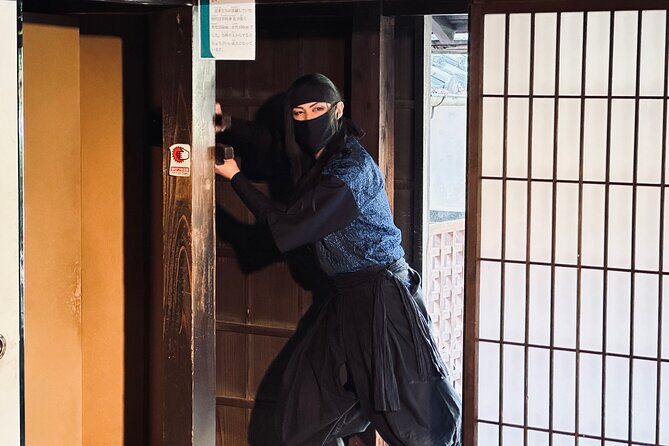
Next you’ll head to Iga Ueno Castle, located on a hilltop in Ueno City. This castle was originally built in 1585, at the peak of Japan’s warring age—so you’re not just visiting a scenic structure. You’re stepping into the era that shaped the weapons-and-armor culture.
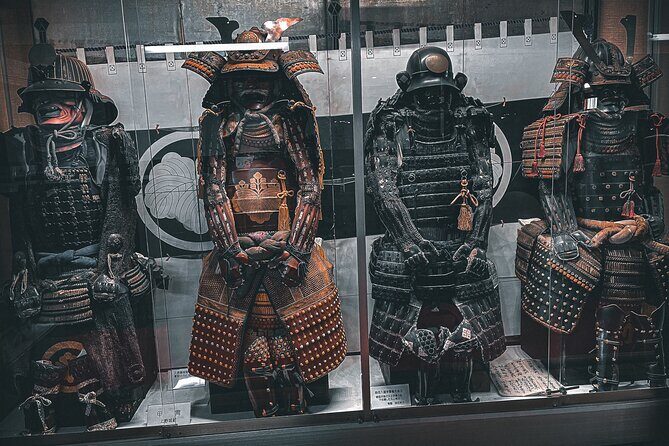
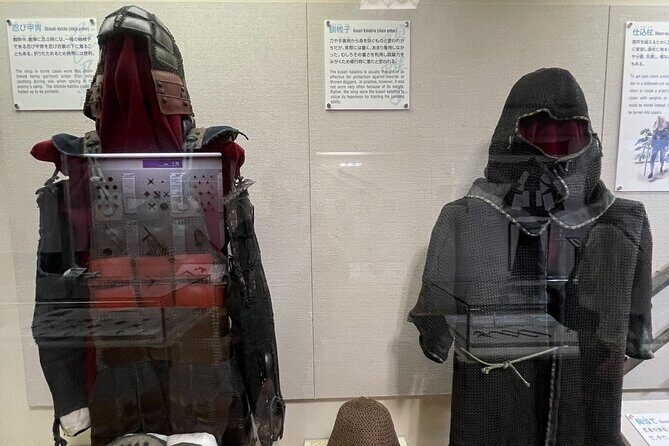
The tour information highlights a key point I think is worth your attention: you’re meant to see real armors and katana-swords used by historical Shoguns. That’s the difference between “samurai themed” and “samurai grounded.” When the armor and swords are tied to the real historical story, the details stop feeling like museum decorations.
The ticket here is ¥600 per person, not included. If you’re the type who likes to understand what you’re looking at, arrive mentally ready to read descriptions and ask questions. A good guide will connect the armor choices to the period and the kind of warfare being fought.
Possible drawback: castles often mean uneven walking and some stairs. The tour notes that some locations have stairs and rough ground, so comfortable shoes matter more than usual on this one.
Stop 3: Shogunzuka Seiryuden Temple for a Kyoto city viewpoint break

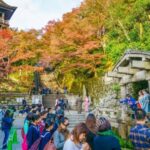
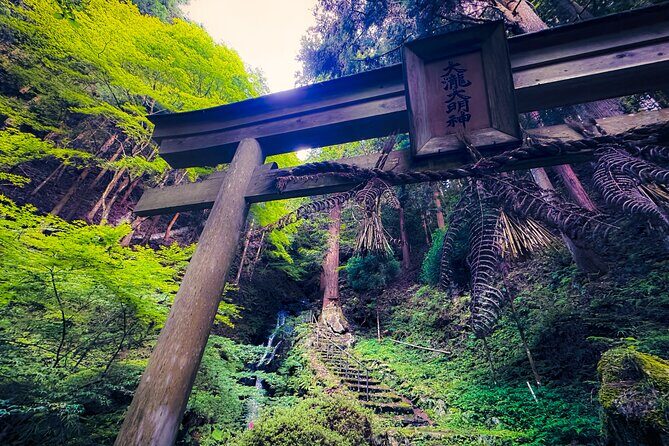
Between ninja and samurai stops, you get a breather: Shogunzuka Seiryuden Temple (also known as the Mound of Shogun). It’s located behind the mountains of Gion, and it’s described as Kyoto’s no.1 view spot to see the whole city.
This part works because it gives you a reset from “indoors history.” If you’re spending hours moving through tight exhibits and stone structures, a viewpoint stop keeps your brain from going into fatigue mode. Plus, learning about history while looking out over the present-day city can make the setting feel less abstract.
Admission is free here, and the stop is about 1 hour. That’s just enough time to take in the view, read key signage, and then get back on schedule.
You can also read our reviews of more historical tours in Kyoto

Stop 4: Iga City, plus the ninja house with flipping doors and secret storage
Now comes the part many people picture when they hear ninja tour: the real locations where ninja life was practiced, including an authentic ninja house.
In Iga, you’ll explore the area historically run by Iga Ninja clan (伊賀衆). Even though about half of the city was destroyed by massive earthquakes around 200 years ago, the tour focuses on what remains and what those sites represent.
The ninja house experience is the headline. You’re told you’ll see hidden gimmicks such as:
- Flipping doors
- Secret passages
- Hidden sword shelters
I like this format because it turns “ninja” from a vague idea into engineering. These tricks weren’t just for theater. They were designed around movement, concealment, and survival. When you see mechanisms in a real house setting, the story becomes more believable.
There’s also an important budget detail: the Iga Ninja House entrance fee is ¥800 per person, not included. If you’re comparing this tour’s cost to self-guided options, this is one reason it can still feel like good value—your time and explanations are doing work for you.
The Iga stop is about 2 hours, which is a solid chunk. You’ll want that time to slow down and look carefully. The secret-space details can be easy to miss if you’re rushing.
Stop 5: Koka, where herbal mixing connects to survival and training
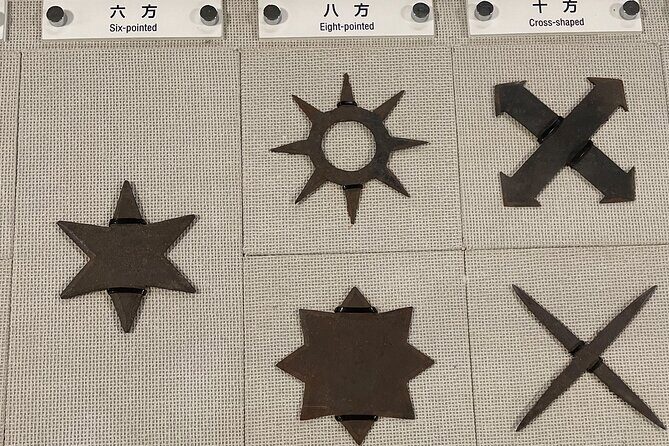
Koka is the second major ninja region on the route, and it’s where the day gets its extra variety. Koka is described as one of the two most famous ninja areas/clans, with a reputation for herbal mixing skills.
This isn’t just “they used plants sometimes.” The way the tour frames it is that Koka ninjas specialized in herbal mixing and trained hard in the mountains and forests. The tour also says you’ll explore the area with a local expert as real ninjas once trained in deep forests.
That’s a smart shift from the usual weapon-only narrative. Ninja history includes support skills—making things, preparing tools, and understanding the environment. If you’re interested in how practical survival knowledge can be part of a covert lifestyle, this stop will feel like it belongs.
The Koka stop runs about 1 hour and is free admission according to the itinerary. You’ll finish with a clearer sense of how two regions could both claim ninja heritage while emphasizing different kinds of expertise.
Price and value: what $257.35 per group buys (and what it doesn’t)
The price is $257.35 per group, up to 6 people, for about 6 hours. That’s not cheap if you’re traveling solo. It’s much more logical if you’re a small group of friends or a family with teens who actually want to learn history instead of just checking boxes.
What you’re paying for is more than a ride:
- A private, air-conditioned vehicle
- A full-English guide with deep subject knowledge
- Built-in time between sites without you juggling trains and transfers
- Parking, highway, and fuel fees included
What’s not included is important for planning:
- Iga Ueno Castle: ¥600 per person
- Iga Ninja House: ¥800 per person
- Iga-ryu Ninja Museum: admission not included (amount not stated)
So the best way to judge value is this: you’re paying to compress several separate locations into one guided story, with explanations you can’t easily replicate on your own in a single afternoon. If you like learning and asking questions, this can be a very cost-effective way to get more meaning per hour.
If you prefer to wander at your own pace and don’t care about guided interpretation, you may find DIY routes cheaper. But you’ll lose the connective tissue that makes it feel like one coherent history lesson instead of disconnected stops.
How the guide level affects the whole day
This tour’s reviews strongly point to one thing: the guide experience matters a lot here. Daiki Fukashi is named, and his style shows up in what people describe—clear, fluent English, plus connections to history, geography, and even ancient and modern daily habits of Japan.
That matters because ninja and samurai history can become abstract fast. A good guide doesn’t just list facts. They explain what you’re looking at and why that place matters. When a guide links a castle stop to the idea of conflict in 1585, then links it back to the mountain context behind ninja life, your brain builds a timeline.
Also, the day can work for teens. One family example in the feedback described a tour that actively held attention for a 15-year-old. If your group includes younger history fans, that’s a strong sign you’ll keep everyone engaged.
What to watch for: tickets, walking, and timing surprises
This tour is straightforward, but a few practical items can change how smoothly your day goes.
Entrance fees add up. You’ll pay for the castle (¥600), the ninja house (¥800), and museum admission at the Iga-ryu Ninja Museum. Bring cash or plan card access for Japanese yen spending.
Some stairs and rough ground. The tour notes that certain locations have stairs and a bit of rough terrain. Wear shoes you trust. If you’re dealing with mobility limitations, double-check the route with the operator before you go.
Performance timing isn’t guaranteed by the tour description. One feedback point mentioned missing a ninja performance on an afternoon tour, which is a useful warning. If a performance is a must for you, ask the operator if any shows are scheduled for your specific date.
Who should book Secrets of Ninjas X Samurais
You should book if you want:
- A guided story tying together two ninja regions (Iga and Koka)
- Concrete samurai visuals, not just name-drops
- A private format where you can ask questions and move on schedule
- A mix of stealth history and real-world objects like armor and swords
You might skip it if:
- You’re only interested in ninja costumes and photo ops and don’t care about historical context
- You hate paying extra on-site for castle and house admissions
- You want a fully self-paced day with zero structured time
This is a strong “one day, big picture” choice from Kyoto, especially for people who like both ninja lore and samurai reality.
Should you book it?
If your goal is to understand ninja history as something rooted in specific regions—Iga’s Iga-ryu tradition and Koka’s herbal-mixing expertise—this tour is a smart use of time. The private setup, the English guide, and the hands-on-feeling details like hidden house mechanisms make it more than a casual sightseeing loop.
I’d book it when you’re traveling with at least one other person (so the per-group cost makes sense) or when your group includes teens who will actually enjoy explanations. Just budget for the entrance fees and wear good shoes, and you’ll be set for a day that’s part history lesson, part “how did they hide that?” detective work.
FAQ
FAQ
What time does the tour start?
The tour starts at 1:00 pm.
How long is the tour?
It lasts about 6 hours.
Is this tour private?
Yes. It’s a private tour/activity for your group only.
How many people can be in the group for the price?
The price is per group for up to 6 people.
Does the tour include pickup from my hotel?
Yes. It offers direct pickup and dropping-off from your hotel (or anywhere) from 3 big cities, and it’s included as part of the tour.
Are entrance fees included?
No. Entrance fees are not included for Iga-Ueno Castle (¥600 per person), Iga Ninja House (¥800 per person), and Iga-ryu Ninja Museum admission is also not included.
Will I need to walk stairs or uneven ground?
Some locations have stairs and need a little walk on rough grounds, so comfortable shoes help.
Is the guide English-speaking?
Yes. The tour includes a full-English guide.
Can I cancel for a full refund?
Yes. You can cancel up to 24 hours in advance for a full refund.