REVIEW · TOKYO
Tokyo Local Foodie Adventure near Roppongi
Book on Viator →Operated by Japan Hopping · Bookable on Viator
A side street in Tokyo can feel like another world. This 3-hour Azabujuban tour mixes temple storytelling with tastier stops like mochi and oden, plus real spots linked to Sailor Moon creator Naoko Takeuchi. I like that you get a focused set of bites and a guided path, not random wandering. I also like that the food fits the neighborhood vibe: snack-sized, varied, and easy to keep moving. One thing to consider is that the tour is weather-dependent, so you’ll want a flexible mindset if conditions aren’t great.
I especially like how the pacing stays relaxed—one guide I heard from by name, Ellen, kept it friendly even when it rained. If you’re expecting a full-on, fast-paced food marathon, this isn’t that. Think calm walking, short hangs in shops, and learning while you eat.
In This Review
- Key things you’ll notice on this Azabujuban foodie walk
- Azabujuban near Roppongi: the calm side of Tokyo food
- Meeting point and how the 3 hours actually feel
- Zenpukuji Temple: history you can carry while you eat
- Azabujuban food crawl: umami snacks and real Tokyo flavors
- Sailor Moon-inspired locations: pop culture with street-level context
- Azabujuban Shotengai: snack shopping, vintage finds, and practical souvenirs
- Guide Ellen and the relaxed group experience
- Value check: what $68 buys you (and why it’s not just cheap)
- Who should book this Azabujuban tour?
- Should you book this Tokyo Local Foodie Adventure near Roppongi?
- FAQ
- How long is the tour?
- What time does the tour start?
- What’s included in the price?
- Are there admission fees at the temple stop?
- Is the tour private?
- What happens if the tour can’t run due to weather or you cancel?
Key things you’ll notice on this Azabujuban foodie walk

- Zenpukuji Temple context before the eating starts, so the neighborhood feels meaningful.
- Five snack stops with variety like taiyaki, yakitori, and mochi (choices change by day).
- A drink included: coffee and/or tea, plus one alcoholic option for age 20+.
- Shotengai browsing time for vintage shops and everyday Japanese souvenirs.
- Sailor Moon tie-ins to real locations tied to Naoko Takeuchi’s inspirations.
- Photo moments during the tour, so you don’t have to play photographer the whole time.
Azabujuban near Roppongi: the calm side of Tokyo food
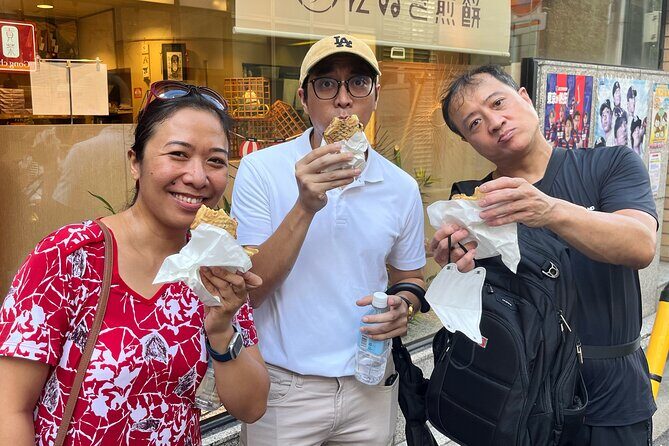
Azabujuban is close to Roppongi, but it doesn’t feel like the same scene. Here, the street energy is gentler, and food feels more local. You’re not just hunting for famous items in a big crowd. You’re following a guided route through a small neighborhood where eating happens in between history, small shops, and traditional streets.
What I like about that setup is how quickly it helps you get your bearings without doing research at a computer. You also get that “how did I miss this place” feeling, but with guardrails. The tour keeps you moving at a human pace, so you can focus on taste and context instead of logistics.
If you’re a fan of Japan-as-pop-culture, this is also where the tour adds extra flavor. It includes real-life places that inspired the setting for Sailor Moon, connected to manga creator Naoko Takeuchi. That means you’re looking at ordinary streets and shops with a new lens—less like tourist sightseeing, more like noticing details you’d otherwise skate past.
A few more Tokyo tours and experiences worth a look
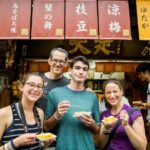

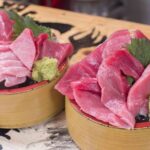
Meeting point and how the 3 hours actually feel
This runs about 3 hours and ends back at the meeting point, so you won’t have to figure out how to get yourself home mid-tour. It starts at 2:00 pm, which is a smart time for a food walk: late enough for lunch to have settled, early enough that shops are still in full rhythm.
You meet at Oslo CoffeeJapan in Azabujuban (GRANDE MAISON 麻布十番館 1階). The exact address is 〒106-0045, Tokyo, Minato City, Azabujūban, 2-chōme−1−8. The good news is that it’s described as near public transportation, which matters in Tokyo where “near” can still mean a trek.
The tour is also private for your group. That tends to mean fewer crowd squeezes and more room to ask questions. You’re told to have a moderate physical fitness level, which I read as: you’ll walk, you’ll stand, but it’s not built like a hike. Comfort matters here because you’ll be stepping in and out of shopfronts and temple areas.
Zenpukuji Temple: history you can carry while you eat
The first stop is Zenpukuji Temple for about 45 minutes, and there’s no admission ticket. This matters because it frames the whole outing. Instead of jumping straight to food, you get the stories behind cultural spots scattered around this town.
For me, the value is simple: you taste Japan better when you understand the setting. Temples in Tokyo aren’t just scenery. They’re part of why neighborhoods formed the way they did, and why small local businesses still feel rooted. Even if you’re not the “read every sign” type, the guide’s storytelling helps you notice what’s there.
You’ll also get a sense of the neighborhood’s rhythm—how the streets link places of worship, everyday storefronts, and food areas. That makes the later snack stops feel less like random ordering and more like tasting with context.
A practical tip: wear shoes you can walk in for a few hours, because temple areas plus snack browsing adds up.
Azabujuban food crawl: umami snacks and real Tokyo flavors
After the temple time, you move into Azabujuban for about 1 hour 30 minutes focused on eating. The whole concept here is “umami treats hidden in a cozy town,” and it shows up in the variety.
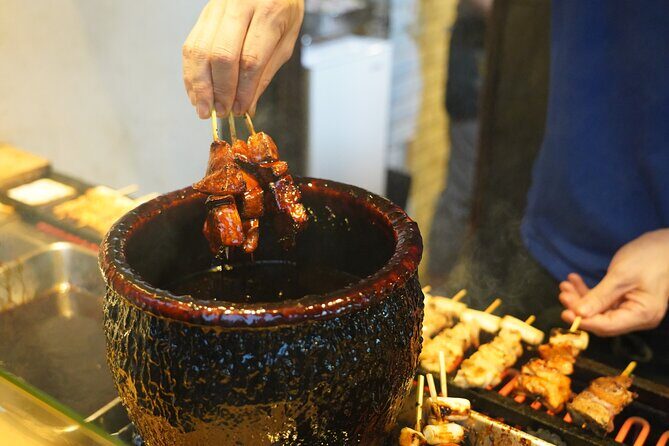
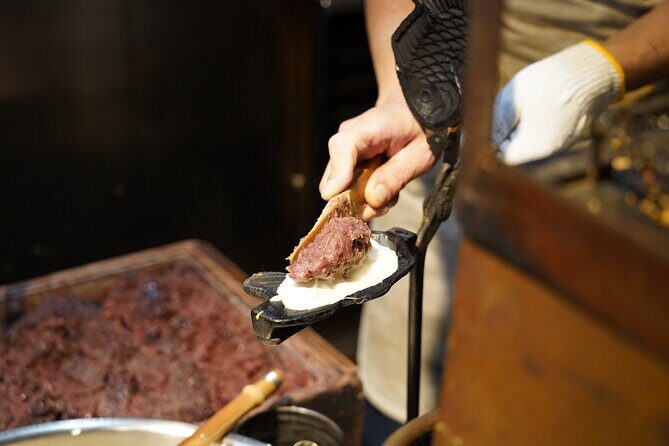
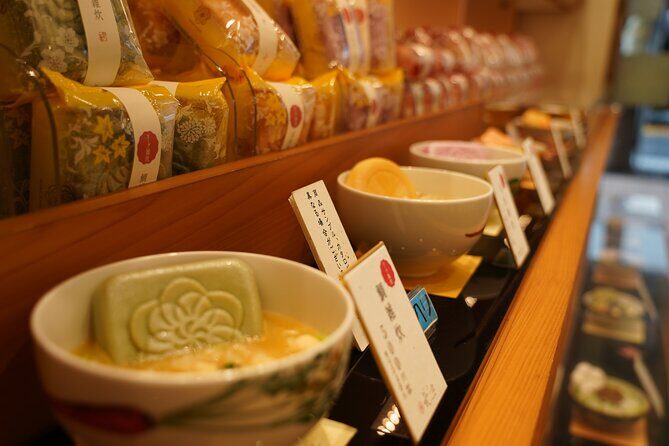
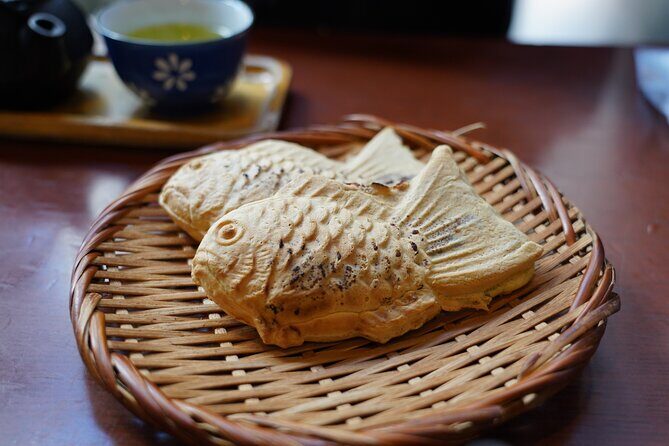
You should expect a set of five local Japanese snacks, plus coffee and/or tea. The exact selection can vary by day, but the kinds of foods mentioned include:
- Taiyaki
- Yakitori
- Mochi
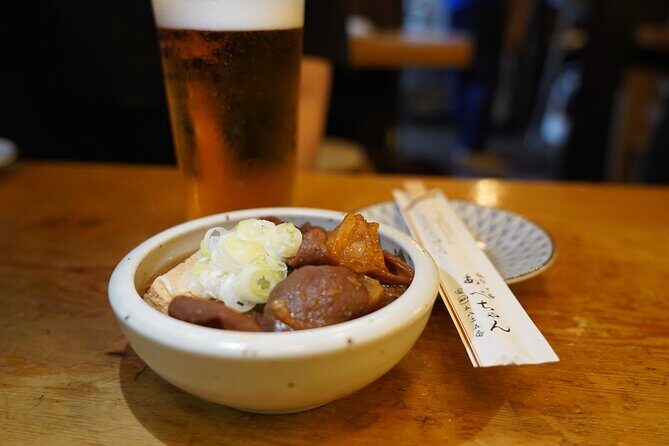
- Oden
That mix is a big reason this tour works. Taiyaki and mochi give you sweetness and chewy textures. Yakitori adds savory smoke and salt. Oden brings warmth and comfort—useful if you visit in cooler months or just want something soothing while you walk.
One more thing: snacks like these are designed for sharing and tasting in small bites. It’s not one giant meal that slows you down. You’re more likely to sample, compare, and keep moving. That’s the sweet spot for a short neighborhood tour.
If you’re the sort of eater who likes to understand what you’re consuming, this stop is also where the guide’s explanations help. You’ll learn what makes each item typical for this area and how they fit together as a “neighborhood food story,” not separate one-off treats.
Sailor Moon-inspired locations: pop culture with street-level context
This is one of the most fun add-ons for the right crowd. The tour includes real-life places that inspired the setting for Sailor Moon, tied to manga creator Naoko Takeuchi.
What’s clever here is that it doesn’t feel like a cosplay photo shoot. It’s tied into the walk itself: you’re seeing normal streets and landmarks, but now you know there’s a creative thread connecting them to the manga’s world. That kind of knowledge changes how you look at a neighborhood.
I’d treat this as a bonus layer. Even if you’re not deep into Sailor Moon, you’ll still enjoy the general “what you’re looking at” explanations. If you are a fan, this is the part that can turn a simple food tour into a memory you’ll remember for years.






Azabujuban Shotengai: snack shopping, vintage finds, and practical souvenirs
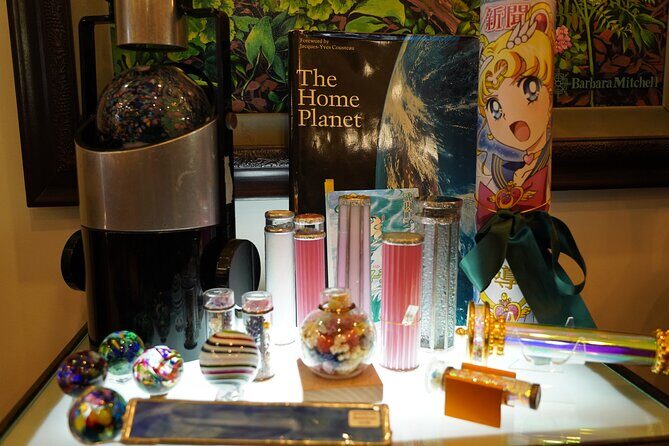
The final food-and-shopping phase happens at the Azabujuban Shotengai for about 45 minutes. This is where you shift from eating to wandering with purpose.
You’ll have time to shop for traditional and unique Japanese snacks and souvenirs. The neighborhood is described as having vintage-style shops, and the tour calls out examples like:
- Monaka (soup and rice porridge wafers)
- Kaleidoscopes
- Tenugui (traditional cloth used for wrapping or cleaning)
I like this stop because it gives you a way to bring Tokyo home without buying random trinkets. Tenugui are useful, not just decorative. Monaka and other snackable items make good gifts because they travel better than fragile souvenirs.
Also, this part helps you keep momentum. After tasting a variety of foods, you’re primed to look for what fits your taste. You’ll leave with a few choices that match what you just experienced, instead of starting from scratch at a department store.
Guide Ellen and the relaxed group experience
The experience runs with an English-speaking guide, and the tone from firsthand comments I’ve seen is clear: the guides keep things friendly and low-stress.
One guide name that stood out is Ellen, who was praised for being sweet and kind and for keeping the tour enjoyable even when rain hit. Shopkeepers were described as positive and helpful in that same situation, and everyone spoke English well. That matters because food tours can turn awkward fast if you’re stuck translating everything yourself.
Because it’s private for your group, the guide can also adjust the pace. You’re not getting herded. It feels more like a guided walk with stops, rather than a factory line.
One practical point: the tour is described as requiring good weather. That doesn’t mean it’s cancelled at the first cloud. It does mean you should pack a small plan—umbrella or rain layer—so your mood stays intact.
Value check: what $68 buys you (and why it’s not just cheap)
At $68 per person, the tour sits in the “worth it if you like food and guidance” category, not the “I can DIY this easily” category.
Here’s what’s included:
- 5 local Japanese snacks (varies by day)
- Coffee and/or tea (choose one)
- One alcoholic drink for people 20+
- Photos during the tour
- English-speaking guide
When a tour includes food, a drink, and guided context, the price stops feeling abstract. You’re paying for convenience and quality control: someone chose the shops, set up the sequence, and made sure you’re eating the kind of items that fit the neighborhood.
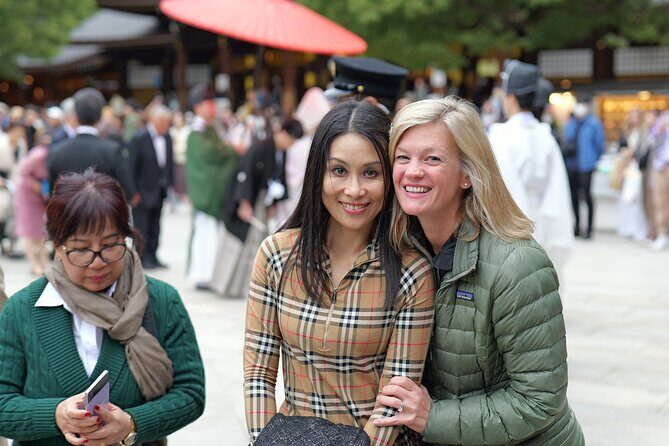
Also, the “photos during the tour” piece is quietly valuable. Tokyo is great, but holding your camera while trying to taste and listen is annoying. A guide-driven photo moment helps you capture the day without derailing it.
What’s not included is just what you’d expect: additional food and drinks and personal expenses. That keeps the base price focused, and it also means you can splurge a bit at the end in Shotengai if something really grabs you.
Who should book this Azabujuban tour?
This tour fits best if you want:
- a short Tokyo food experience (around 3 hours)
- a guided route through a smaller neighborhood near Roppongi
- a mix of sweet, savory, and warm snacks
- context beyond eating, including temples and Sailor Moon-inspired locations
It’s also a nice fit for couples or small groups who want a private feel. If you’re traveling with people who don’t want a long day of trains and transfers, this one-hour-plus walking cadence is manageable.
If you’re a hardcore foodie chasing Michelin-level set menus, you might feel the snack approach is too light. But if you want variety, local flavor, and the kind of neighborhood stories that make Tokyo click faster, this is a strong match.
Should you book this Tokyo Local Foodie Adventure near Roppongi?
If you like your Tokyo days to feel practical and personal, I’d book it. You’re getting a smart blend: Zenpukuji Temple storytelling, a structured tasting route, and a final Shotengai browse where you can buy souvenirs that actually connect to what you ate.
It’s especially worth it if:
- you want to eat more than one snack without committing to a full meal,
- you’d like a calmer neighborhood pace near Roppongi,
- you’re interested in the Sailor Moon location tie-in, even as a bonus.
The main reason to pause is weather. Since it’s described as requiring good weather, bring rain gear and stay flexible.
FAQ
How long is the tour?
It lasts about 3 hours.
What time does the tour start?
The start time is 2:00 pm.
What’s included in the price?
You get 5 local Japanese snacks, one drink (coffee and/or tea), an alcoholic beverage option for guests age 20+, photos during the tour, and an English-speaking guide.
Are there admission fees at the temple stop?
The Zenpukuji Temple stop lists the admission ticket as free.
Is the tour private?
Yes. It’s a private tour/activity, and only your group participates.
What happens if the tour can’t run due to weather or you cancel?
It requires good weather. If it’s canceled due to poor weather, you’ll be offered a different date or a full refund. Free cancellation is available up to 24 hours in advance for a full refund.