REVIEW · TOKYO
Tokyo: Matcha Tasting and Making Experience
Book on GetYourGuide →Operated by matcha trip · Bookable on GetYourGuide
That first sip of matcha tells a story. In this Tokyo class, you compare multiple matcha styles back-to-back, then make your own with a bamboo whisk.
I really like the way the tasting is structured so you can taste differences with a purpose, not just drink and hope. Two things I especially like are the focus on five production areas and the fact that you get hands-on practice making Ousucha, not just watching.
One consideration: this is a short 90-minute experience. If you’re expecting a long, slow tea ceremony with lots of quiet seating time, this one will feel more like a guided tasting and workshop than an all-day ritual.
In This Review
- Key things you’ll notice right away
- Matcha in plain terms: why the tasting actually matters
- Where you meet in Asakusa and how the class flows
- The tasting flight: 5 regions, 10 matcha types, and a guided comparison
- Learning from Chisei: cultivation, processing, and what changes in your cup
- Your bamboo whisk workshop: making Ousucha the right way
- The payoff after learning: matcha latte, hojicha latte, and sweets
- Price and value: is $63 for 90 minutes fair?
- Who should book this matcha tasting and making experience?
- Should you book it? My honest call
- FAQ
- How long is the matcha tasting and making experience?
- How many people are in a group?
- What’s included in the price?
- What language is the instructor?
- Where is the meeting point in Asakusa?
- Can I cancel or pay later?
Key things you’ll notice right away
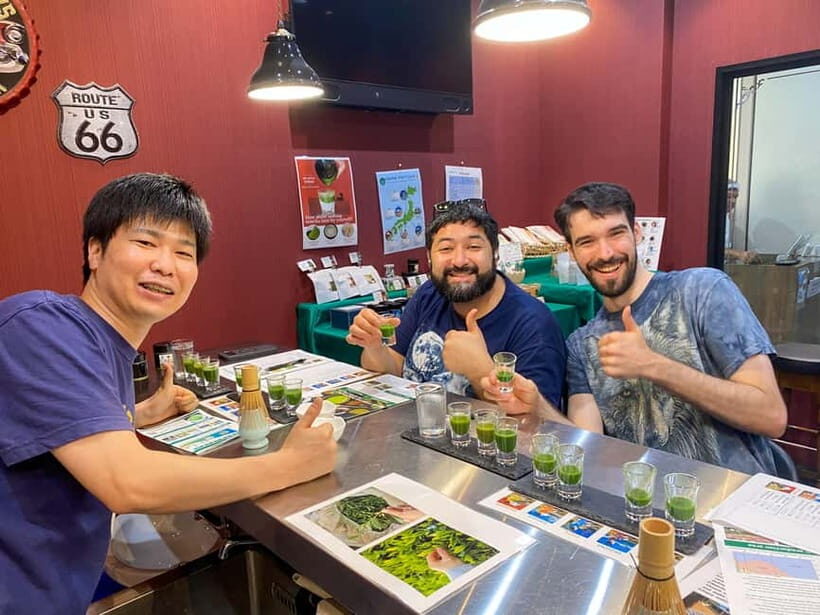
- Small group (max 5 participants) keeps the pace relaxed and questions welcome
- 5 production areas, multiple matcha samples so you can compare flavors, color, and aroma fast
- Kyoto tea farmer instructor Chisei shares how tea is grown and processed, plus practical tips
- You choose your favorite matcha, then whisk your own Ousucha with a bamboo tea whisk
- Milk-friendly matcha latte plus hojicha latte and matcha sweets to round out the experience
Matcha in plain terms: why the tasting actually matters
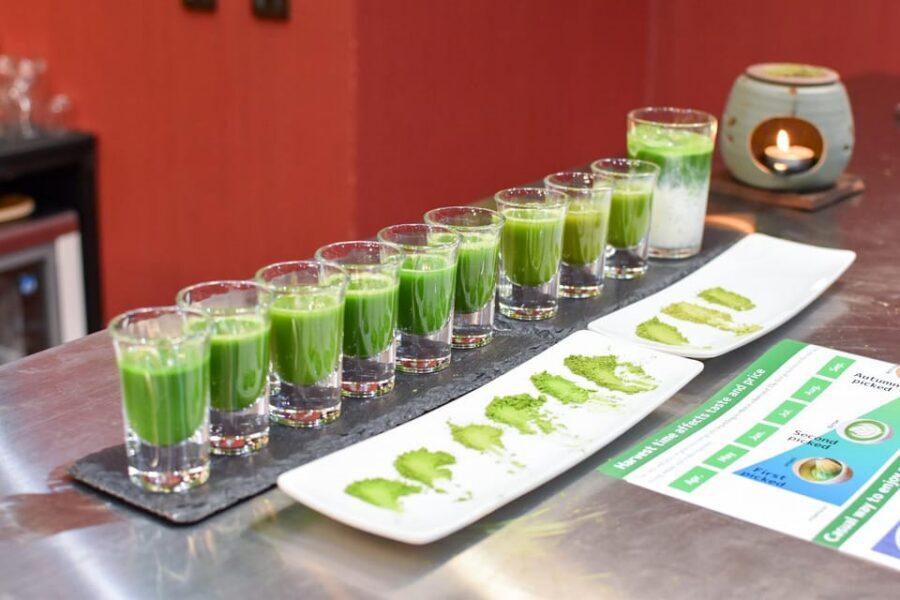
Matcha isn’t just green tea powder. It’s tea leaves grown and processed in a way that changes how the flavors hit your palate, and it’s prepared differently than regular brewed tea. In this class, you’ll learn the definition of matcha and how cultivation and processing shape what you taste.
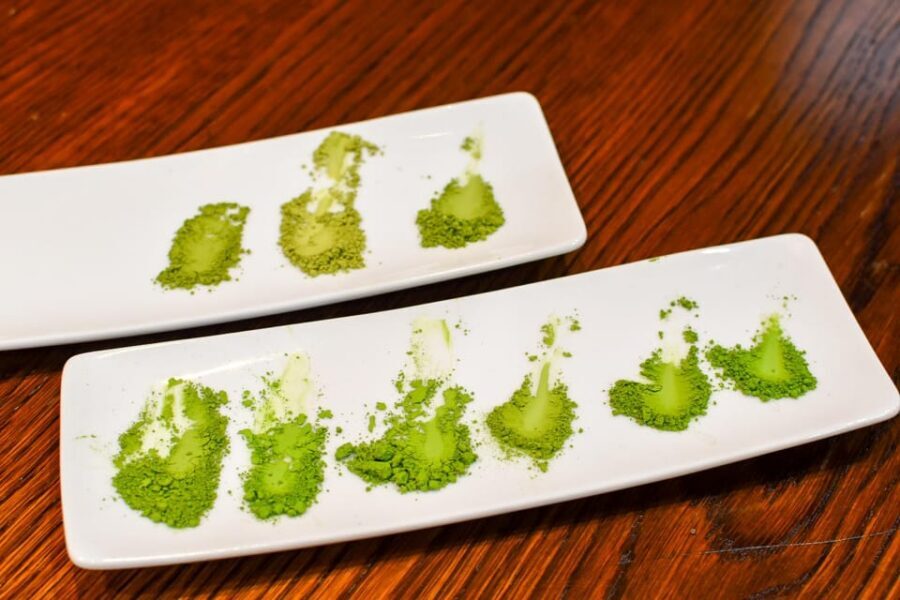
The best part is that the tasting isn’t random. You’ll see matcha first as a color and fragrance experience, then as a flavor experience after it’s prepared. That order matters because matcha can look similar at first glance, but the aroma and taste tell you far more than the color alone.
You’ll also hear how matcha history and production connect to today’s style of tea. Even if you already know the basics, the perspective from a tea farmer adds weight. You get practical context: what people mean when they say ceremonial-grade, why some “matcha” sold worldwide doesn’t fit the strict local definition, and how all of that affects your cup.
You can also read our reviews of more food & drink experiences in Tokyo

Where you meet in Asakusa and how the class flows
You’ll gather at Henn na hotel Asakusa Tawaramachi, in the cafe setup on the 2nd floor. The hotel has FamilyMart on the 1st floor, which makes orientation easy once you’re inside. If you’re using public transport, give yourself a few extra minutes to get through the hotel stairs/escalator rhythm before the session starts.
This is built for general guests learning Japanese tea. That means you don’t need to be a tea nerd. You just need curiosity and the willingness to taste a few small portions side-by-side.
The class timing is tight but not rushed. You’ll start with a welcome drink, move into the tasting comparison, then shift into the bamboo whisk workshop, and finally finish with matcha latte, hojicha latte, and sweets. The flow is designed to help you remember what you learned while your taste buds are still “switched on.”
The tasting flight: 5 regions, 10 matcha types, and a guided comparison
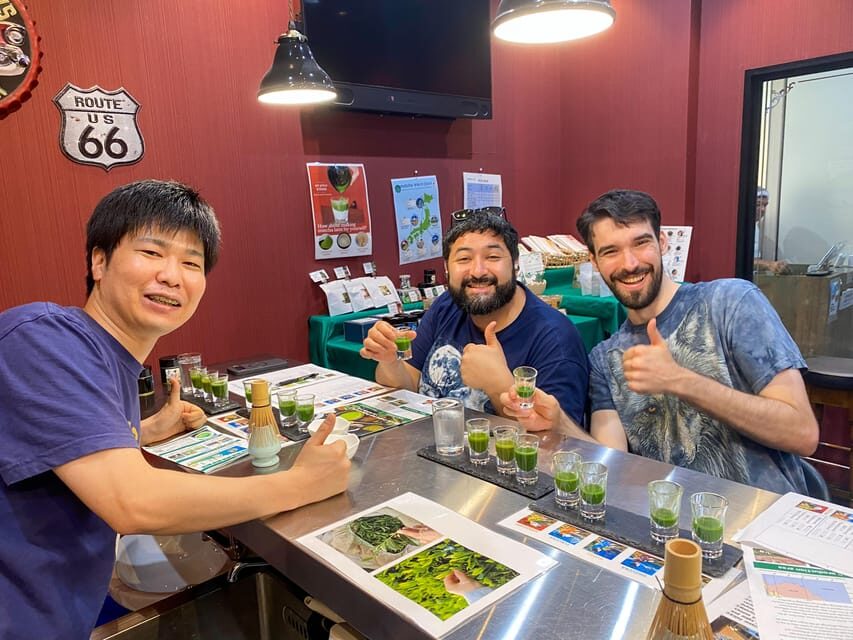
This is the heart of the experience. You’ll taste matcha from five different production areas and compare multiple types in small portions so you can actually notice differences. The setup aims to give you a total tasting range of 10 matcha types, with a guided comparison portion that highlights 8 of them served together.
Here’s what makes this more useful than a typical tasting: you’re not only tasting. You’re being taught how to look, smell, and evaluate. When the matcha is poured and prepared for you, you’re encouraged to pay attention to the color, fragrance, and flavor pattern in the same sequence.
The class also tackles an important point that many people miss: not all products sold as matcha globally match what’s meant by matcha in Japan. In the comparison, you’ll sample both ceremonial-grade matcha and a couple that are sold as matcha overseas even if they don’t meet the strict definition. That’s eye-opening, especially if you’ve only tried matcha lattes from cafés without understanding what category you’re actually drinking.
You’ll likely get quick “Aha” moments when you spot how different matcha categories behave. Some feel more vegetal and lively. Others lean smoother or a bit less intense. The goal isn’t to crown a single winner. It’s to help you recognize what you like so you can choose for yourself later.
And then you do the smart thing: you pick your favorite from what you tasted. That selection becomes the matcha you use during the making portion, so the tasting directly powers the workshop.
Learning from Chisei: cultivation, processing, and what changes in your cup
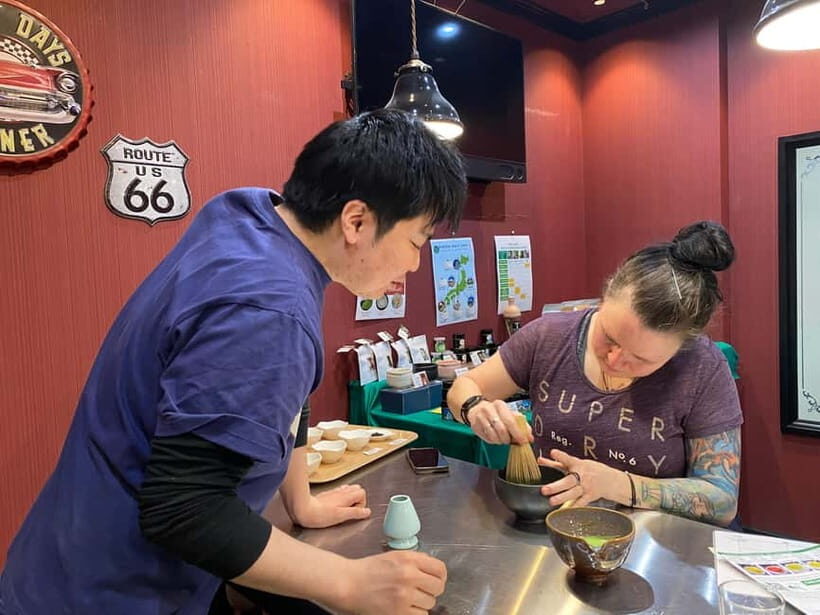
Your instructor, Chisei, is a former tea farmer who grew tea for six years in Kyoto. That matters because he can talk about matcha as a crop and a craft, not just as a drink served in cups.
During the welcome and explanation segments, you’ll learn about matcha’s history and how it’s produced. The class focuses on cultivation methods and the idea behind matcha as a specific preparation style. Even if you don’t catch every technical term, you’ll pick up the practical message: the way the plant is grown and the way leaves are processed affect the final flavor profile and texture.
You’ll also hear why preparation method matters. Matcha doesn’t behave like tea bags or even like loose-leaf tea. It’s ground leaf, and when it’s whisked, it suspends differently in the water. That’s why technique plays a role—something you’ll experience in the next step when you make your own.
The other thing I like here is the teaching style. The atmosphere feels friendly and practical, with enough expertise to keep it interesting and enough clarity to keep it accessible. For many people, this is the first time matcha is explained in a way that actually helps you shop or order with confidence later.
Your bamboo whisk workshop: making Ousucha the right way
After the tasting, the class shifts from comparing to doing. You’ll make your own matcha using a bamboo tea whisk. You’ll get to choose the matcha you like best from your tasting lineup, which is a great setup because it turns the workshop into a personal choice, not a generic demo.
When you’re whisking, the goal is not speed. It’s consistency and texture. You’ll learn how to combine the matcha and water, how to whisk, and what you’re aiming for in your end result. Since this is a class designed for general guests, you don’t need background knowledge—just follow the steps and use the guidance.
The class specifically includes making Ousucha (matcha). That’s the traditional form you can reproduce at home. In other words, you’re not just tasting a drink. You’re learning a method you can repeat in your kitchen.
One practical tip for getting the most out of the workshop: take notes mentally during the tasting. If you already know which cup you preferred, you’ll pay more attention to how your whisking affects the result from that chosen matcha. And since the matcha you make is one you selected, you’ll actually taste your own success right after.
At the end, you’ll walk away with the confidence to make matcha at home. Even if your first attempts aren’t perfect, you’ll know the target texture and flavor you’re trying to create. That’s a big difference between a fun food experience and a skill-based one.






The payoff after learning: matcha latte, hojicha latte, and sweets
With your whisking done, the class eases into the fun part: what matcha tastes like when it’s mixed into drinks. You’ll enjoy matcha latte and hojicha latte, plus matcha sweets.
The matcha latte uses an original blend matcha that’s said to pair perfectly with milk. That’s useful if you usually drink matcha in cafés as a latte and have never considered that matcha can taste different depending on the preparation. In a latte, you’re not just tasting matcha—you’re tasting how matcha handles creaminess and sweetness.
Hojicha latte is a nice contrast too. Hojicha is typically roasted, so it often brings a different aroma and a warmer, toastier flavor direction compared with straight green matcha. That makes it easier to understand that “tea flavors” aren’t one single profile in Japan; they can shift dramatically based on processing.
The matcha sweets round things out by giving you one more texture and flavor experience to connect with what you learned. If you’re someone who learns best by taste + context, this ending is where it clicks.
Price and value: is $63 for 90 minutes fair?
At $63 per person for a 90-minute experience, you’re paying for more than a drink. You’re paying for (1) guided tasting across multiple production areas, (2) instruction from Chisei with cultivation and production background, and (3) hands-on time to whisk your own Ousucha, plus (4) latte/drinks and sweets.
In practical terms, it’s good value if you want understanding, not just consumption. A lot of “foodie” activities give you samples but no framework. Here, you get the tasting structure and the choice-and-make approach. That turns your money into an actual learning outcome.
If you only want a quick matcha fix and don’t care about learning the differences between ceremonial-grade and other “matcha” products, then you might feel it’s more than you need. But if you’re planning to order matcha during the rest of your Tokyo trip, this class will give you a better filter for what you should seek.
Also, the small group size (limited to 5 participants) is a value factor. You’re not fighting for attention or waiting while others get instruction. That’s when tasting and whisking feel personal instead of assembly-line.
Who should book this matcha tasting and making experience?
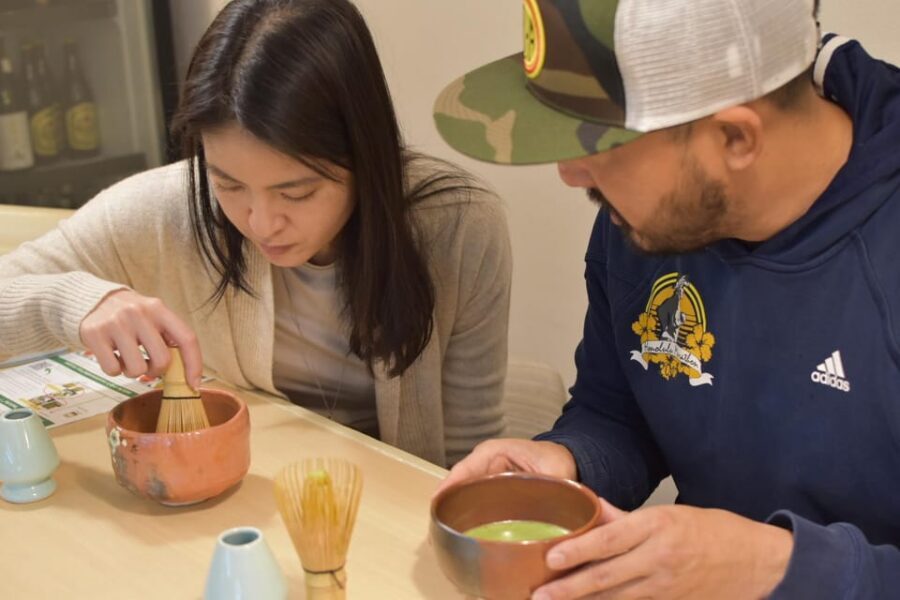
I think this fits best if you want Japan to feel tangible through food. If you like hands-on classes, drink-based experiences, or you’re traveling with someone who’s always curious about how ingredients are made, this works well.
It’s also a solid choice for first-timers to matcha. The session is designed for general guests learning Japanese tea, and the instructor teaches in English. That lowers the language barrier without turning the experience into something watered down.
If you already drink matcha every day, you’ll still get value from the structured tasting. Knowing what you like and why you like it is different from simply enjoying flavor. Sampling matcha from five production areas and comparing categories helps you sharpen your preferences fast.
Finally, if you’re the kind of traveler who hates vague food tours, this one is built with clear steps. You taste, compare, choose, make, then enjoy drinks and sweets. That sequence is exactly what helps the information stick.
Should you book it? My honest call
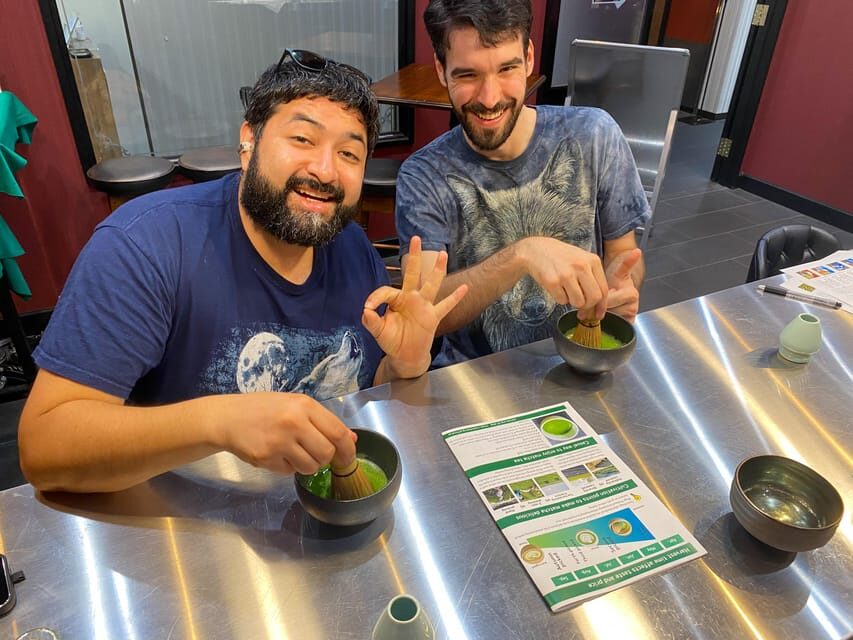
Book it if you want a small-group matcha tasting + making session that leaves you with both a deeper understanding and a repeatable skill at home. Chisei’s background as a former Kyoto tea farmer gives the class real authority, and the format makes sure you taste with purpose, then whisk what you preferred.
Skip it only if you’re looking for a slow, ceremonial experience with minimal tasting and no workshop focus. This is guided and active. It’s built for learning through comparison and making.
Given the overall rating score of 4.9 out of 5 across 21 bookings, this is the kind of activity that consistently lands well with people who care about quality and clarity—especially in a city full of matcha stops.
FAQ
How long is the matcha tasting and making experience?
The experience lasts 90 minutes.
How many people are in a group?
The group is small, limited to 5 participants.
What’s included in the price?
It includes a welcome drink, matcha tasting from multiple production areas, the matcha making experience (including using a bamboo tea whisk), and matcha latte plus matcha sweets. You can also drink a hojicha latte.
What language is the instructor?
The instructor provides the class in English.
Where is the meeting point in Asakusa?
The cafe is in Henn na hotel Asakusa Tawaramachi. Enter the hotel and go to the 2nd floor. There is a FamilyMart on the 1st floor.
Can I cancel or pay later?
Yes. You can cancel up to 24 hours in advance for a full refund. You can also reserve now and pay later.