REVIEW · KYOTO
Kyoto Heritage Run – Venture through historical Kyoto landmarks
Book on Viator →Operated by Kyoto Fitness · Bookable on Viator
If Kyoto feels too big, this keeps it moving. The Kyoto Heritage Run blends a guided morning jog with stops at major landmarks and quieter riverside stretches, so you get a lot of ground in just a few hours.
Two things I really like: the mix of exercise and sightseeing (you’re not just standing around), and the way the route gives you big, recognizable places plus lesser-seen corners along the way. It’s also run by a small team, with a fitness professional plus an experienced tour guide.
One consideration: this is still a jog, not a slow walk. You’ll want a moderate fitness level, and the tour requires good weather, so you should plan around that.
In This Review
- Quick highlights you’ll actually care about
- Why A 10-kilometer jog can beat a normal Kyoto sightseeing day
- Starting at Nijojo-mae Station: warm-up, pace, and a clear plan
- Kyoto Imperial Palace Park: where the run becomes guided sightseeing
- From Imperial Palace to Heian Shrine: crossing the Kamogawa and switching scenery
- The torii-gate moment and Shirakawa River: the Kyoto postcard section
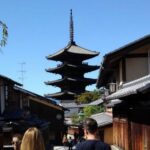
- Maruyama Park and Yasaka Shrine: slowing down in the middle of motion
- Gion on the route: classic Kyoto streets, not a long detour
- Finishing near Kamogawa and Gion Shijo Station: stretches and a clean exit
- Price and what $97.55 buys you (and why it’s fair)
- Who this Kyoto Heritage Run is best for
- Practical tips for shoes, weather, and comfort
- Final thoughts: should you book the Kyoto Heritage Run?
- FAQ
- Where is the Kyoto Heritage Run starting point?
- What time does the tour begin?
- How long is the tour?
- How far do you cover during the run?
- What stops does the route include?
- Where does the tour end?
- What is included in the price?
- What is not included?
- How fit do I need to be?
- Is the group size limited?
Quick highlights you’ll actually care about
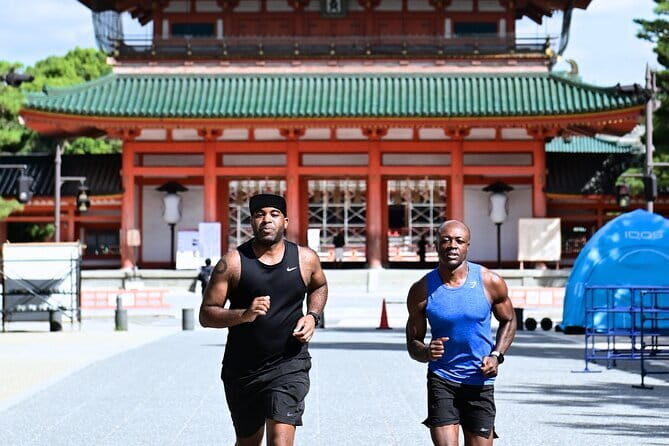
- Tabata-style exercises timed into the run, not tacked on at the end
- ~10 km in about 3 hours, a smart way to cover central Kyoto
- Small group (max 12), so your guide can keep your pace and flow
- Multiple river corridors (Kamogawa and Shirakawa) with classic Kyoto scenery
- Finish near Gion Shijo Station instead of turning around the same way
Why A 10-kilometer jog can beat a normal Kyoto sightseeing day
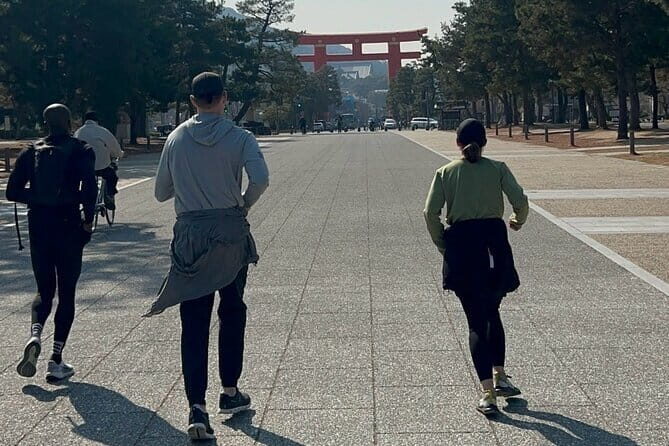
Kyoto can be a challenge. The temples and shrines are beautiful, sure—but the day can turn into a slow shuffle of waiting, crowds, and getting from one spot to the next. This tour attacks that problem directly. You move. You stop at meaningful places. You keep your momentum.
What makes it different is the structure. You start with a warm-up and a short intro to the city, then you head out jogging east toward the Imperial Palace area. Along the way you cross key sections of Kyoto’s famous waterways, take in a major torii gate moment, and finish with stretches near the Kamogawa. In one morning you get a guided route that feels like you’re learning the city with your legs, not just your eyes.
And yes, the landmarks you hit are familiar. That’s the point. But the route is designed so you also catch spots that are easier to miss if you’re only relying on the busiest tourist paths.
You can also read our reviews of more historical tours in Kyoto
Starting at Nijojo-mae Station: warm-up, pace, and a clear plan
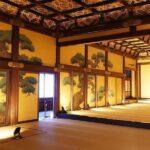
The run meets at Nijojo-mae Station, right by Nijo Castle (outside, Tokugawa shogun-era grounds from 1603–1868). If you like starting your day with something instantly Kyoto, this works. You’re already in a historically heavy part of town before the jog even begins.
Right away, you’ll be greeted by the tour team: a fitness professional plus an experienced tour guide. There’s a warm-up, then a brief history of Kyoto City. That matters more than it sounds. When you have a quick framework, the places you see stop being random stops and start feeling like a route with meaning.
The pace is the backbone here. Because you’re in motion for about 10 km, the guide’s job is to keep it smooth—enough jogging that it counts as exercise, but not so frantic that you spend the tour trying to catch your breath instead of looking around. The small group size (up to 12) helps. You’re not getting lost in a crowd.
Tip: if you’re prone to arriving tense, come a few minutes early. Getting your shoes and head right before the warm-up makes the first push way easier.
Kyoto Imperial Palace Park: where the run becomes guided sightseeing
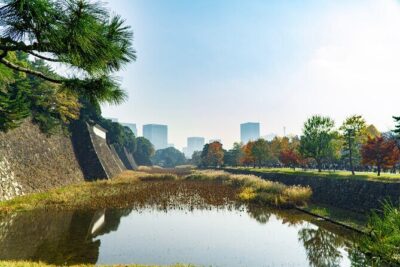
Your first major stop is Kyoto Imperial Palace Park. This is the former dwelling of emperors when Kyoto served as the capital, so it carries that official, big-in-scale feel even when you’re seeing it from the outside. I like that the tour doesn’t just sprint past it. You get time to look, absorb the setting, and reset your rhythm.
This is also where the tour leans into something more active: after you move toward the Imperial Palace grounds, you’ll take part in Tabata-style exercises. That’s the kind of training-style burst that turns the run from pure travel into a workout session built into your sightseeing.
The practical benefit for you: you’ll get that quick work/rest rhythm that helps your legs feel like they’re doing something purposeful. The history intro plus the exercise makes the area stick in your memory better than a quick photo stop would.
Potential downside: if high-intensity efforts are not your thing, the Tabata-style segment might feel like a lot at the start of the route. You’ll still be with a fitness professional, so you’re not on your own—but manage expectations. This tour is active by design.
From Imperial Palace to Heian Shrine: crossing the Kamogawa and switching scenery
After the Imperial Palace segment, the route crosses the Kamogawa—a river corridor tied to past battles in the tour’s framing. I like this crossing because it changes the mood of the day. You go from palace-ground seriousness to river-day Kyoto, with the water acting like a visual reset.
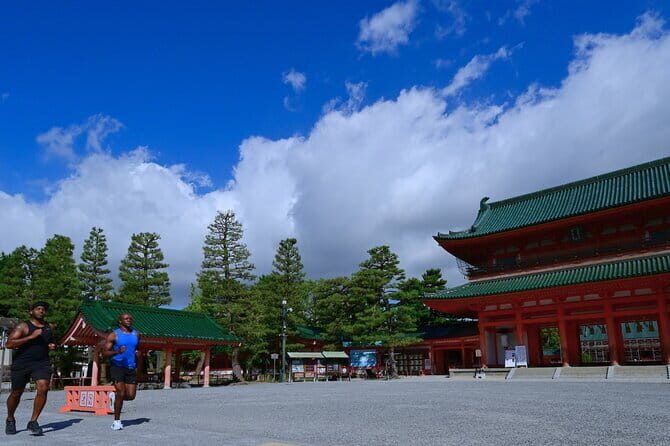
Then you head to Heian Shrine, where you’ll make a brief stop. The tour highlights it as a majestic architectural landmark steeped in Kyoto’s cultural heritage. Even without a long lecture, the guide’s context helps you see it as more than just a photo backdrop.
This part of the route is also useful if it’s your second day in Kyoto. The run gives you quick bearings: you start to understand where the city’s key areas sit relative to the major rivers. People often feel overwhelmed their first day here. A morning like this can make your next day’s planning feel simpler.
The torii-gate moment and Shirakawa River: the Kyoto postcard section
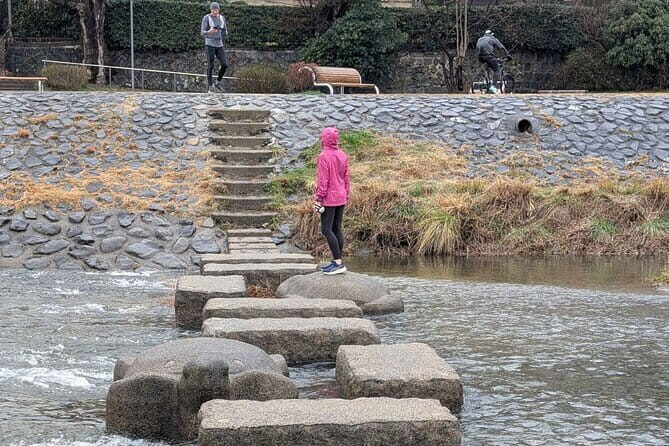
One of the best-feeling stretches is when the tour passes through an immense torii gate and then jogs along the Shirakawa River. The river is lined with weeping willows and small stone bridges—exactly the kind of scenery that makes Kyoto feel instantly Kyoto.
Why I think this works as a walking-and-running experience: the route naturally slows for your eyes, even when your feet keep moving. You can glance at the willows and bridges, then refocus on pace. It’s an easy way to take in atmosphere without losing time to constant stop-and-start.
Also, you get a sense of how Kyoto’s water networks shape movement through the city. That’s not something you always notice when you’re just grabbing a train and hopping between attractions.
Practical note: riverside routes can be slick depending on weather. The tour requires good weather, but conditions can still vary. If you’re choosing between sneakers options, pick something with decent traction rather than fashion-first footwear.




Maruyama Park and Yasaka Shrine: slowing down in the middle of motion
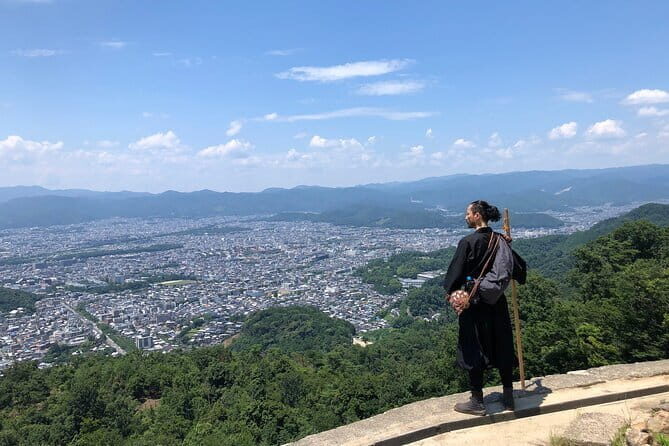
As you head toward Maruyama Park, the tour shifts from strict exercise energy to a more scenic, calmer feel. Maruyama Park is described as serene, and it’s also tied to the Yasaka Shrine area.
This is one of those “breather” points where you can catch your breath without feeling like you’ve lost the day. It’s also a smart location because it connects you to the shrine atmosphere without forcing a long, exhausting detour.
The value here is pacing. By the time you reach this section, you’ve already covered real distance. So the calmer stop feels like a reward, not just another checkmark.
If you’re the type who loves atmosphere more than speed, this is where you’ll likely slow down mentally even if your legs are still warmed up.
Gion on the route: classic Kyoto streets, not a long detour
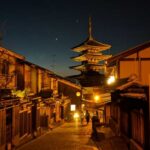
You’ll pass through the Gion District during the run. The tour frames it around the ancient art of the geisha tradition, which is still part of the area’s identity today. Even as an en-route segment, this matters.
I like that Gion is approached on foot/jog rhythm rather than treated as a standalone excursion. You’re not losing time to a separate transit plan. You get to see the area as part of a bigger route that also connects to shrines and riverbanks.
If your goal is to understand Kyoto’s geography and culture links in one morning, this is a strong use of time.
Finishing near Kamogawa and Gion Shijo Station: stretches and a clean exit
The tour winds down near the eastern bank of the Kamogawa, finishing around Gion Shijo Station. The plan includes some stretches at the end, which is more important than it seems when you’re doing an activity this physical.
Ending away from the starting point is a plus. You don’t feel like you’ve done a loop just to return to the same corner. You land closer to a lively area, which makes it easier to continue your day afterward with food, browsing, or simply a slower walk.
Also, the structure is built for a smooth day. With a duration of about 3 hours, you’re not stuck in full-day logistics. That’s good if you have museum time, a lunch plan, or another evening activity later.
Price and what $97.55 buys you (and why it’s fair)
At $97.55 per person for about 3 hours and roughly 10 km, you’re paying for three main things:
- A guided route through multiple landmark areas in central Kyoto
- A fitness professional-led activity, including a warm-up and exercise segments like Tabata-style bursts
- Time efficiency, so you see more than you’d manage in a relaxed walk day
This is not a cheap activity if you compare it to a standard walking tour. But it’s also not a standard walking tour. You’re getting the benefit of guided pacing and movement. If your Kyoto plan includes several paid entries or multiple separate guided experiences, the math often shifts in favor of something that bundles momentum + context in one morning.
Another value point: the tour is capped at 12 travelers and uses a mobile ticket. Smaller groups often mean you can actually hear what’s happening and adjust your pace without being shoved around.
One more practical cost angle: lunch and bottled water are not included. That’s easy to manage, but it’s something to plan for. If you want to stay comfortable, bring a small amount of water or plan to buy it right after. Don’t expect the tour to handle everything.
Who this Kyoto Heritage Run is best for
This experience fits you best if you want to do two things at once: see Kyoto and keep your body active. It’s especially good if:
- You like morning starts and can handle a moderate fitness level
- You want a way to get your bearings in the city center
- You enjoy conversation with guides rather than silent sightseeing
- You’d rather cover distance early than spend your trip doing backtracking
It might not be your best match if you’re dealing with a minor injury or prefer a strictly seated, low-impact tour format. Since it’s a jogging tour, your legs are part of the deal.
The good news: you’re not guessing what to do. There’s a warm-up, the route has planned stops, and you’re guided the whole time. You just need to be honest with yourself about effort.
Practical tips for shoes, weather, and comfort
This is the stuff that keeps the experience smooth.
- Wear comfortable, supportive shoes. You’ll be jogging a meaningful distance, and your feet will notice everything.
- Bring a plan for water since bottled water isn’t included. Even if you’re not thirsty now, the day can sneak up on you.
- Think about your timing: it starts at 8:30 am, and you’ll be done in about 3 hours. If you schedule something right after, pick something flexible.
- Choose clothing that handles motion. Layering helps because early mornings can feel cooler before the sun warms up.
- Have a backup mindset for weather. The tour requires good weather, and if conditions aren’t suitable you’ll be offered a different date or a full refund.
Also, the tour is near public transportation, and service animals are allowed. So logistics tend to be straightforward once you arrive at the meeting point.
Final thoughts: should you book the Kyoto Heritage Run?
I’d tell you to book this if you want a Kyoto day that feels active, guided, and efficient. The combination of landmark stops, river scenery, and fitness coaching makes it a strong value for the time you spend—especially if you’re only in Kyoto for a short stretch.
If you hate jogging, deal with limited mobility, or want a slower, more contemplative pace, you might be happier with a walking-focused cultural tour instead. This one is built for movement.
If you’re the right fit, you’ll likely leave with that rare mix: photos plus momentum, and a clearer sense of where Kyoto’s key areas sit in relation to its rivers.
FAQ
Where is the Kyoto Heritage Run starting point?
It starts at Nijojo-mae Station, opposite Nijo Castle.
What time does the tour begin?
The start time is 8:30 am.
How long is the tour?
The tour lasts about 3 hours.
How far do you cover during the run?
The experience covers approximately 10 kilometers.
What stops does the route include?
You’ll stop around Kyoto Imperial Palace Park, Heian Shrine, Yasaka Shrine (at/near Maruyama Park), and you’ll pass through the Gion District before finishing near the Kamogawa.
Where does the tour end?
The tour ends near the eastern bank of the Kamogawa, with the conclusion listed around Gion Shijo Station.
What is included in the price?
All fees and taxes are included.
What is not included?
Lunch and bottled water are not included.
How fit do I need to be?
The tour is for travelers with a moderate physical fitness level.
Is the group size limited?
Yes. The maximum group size is 12 travelers.