REVIEW · TOKYO
Tokyo : Must-see attractions private tour
Book on GetYourGuide →Operated by Guydeez · Bookable on GetYourGuide
Tokyo feels like a puzzle.
This private, customizable walking tour helps you fit the city to your interests, with a guide who can steer you through major sights and the in-between streets without the usual stress.
I especially like the guide’s practical advice beyond the stops. You get context for what you’re seeing, plus real-world guidance on what to do next, how to behave in public spaces, and how to move efficiently through the areas you care about most.
One thing to think about: since it’s a walking tour, your comfort level matters. Choose a pace and time window that match your energy, and wear shoes you trust for lots of street time.
In This Review
- Key highlights worth getting excited about
- Hotel pickup plus a private guide: why Tokyo works better on foot
- A simple way to think about the route: mix big landmarks and local lanes
- Tsukiji Outer Market: how to eat, ask, and not get turned around
- Senso-ji and Asakusa: Thunder Gate energy with room to breathe
- Meiji Shrine: the kind of calm Tokyo rarely gives you for free
- Akihabara, Ginza, and Roppongi: three different Tokyo moods in one plan
- Akihabara for electronics, anime, and gaming
- Ginza for upscale shopping and the history under the storefronts
- Roppongi Hills for art and city views
- Tokyo Skytree and Odaiba: viewpoints that turn a crowded city into a memory
- Skytree for panoramic city understanding
- Odaiba for futuristic views and photo planning
- Ueno Park: museums, seasonal moments, and a calmer kind of sightseeing
- Public etiquette tips that make your day smoother
- Price and time value: what $53 per person really buys you
- Who this private Tokyo tour suits best
- Quick practical notes before you go
- Should you book this Tokyo private tour?
- FAQ
- FAQ
- How long is the Tokyo private walking tour?
- Where does the guide meet you?
- Is this tour private or shared?
- What languages are available for the live guide?
- Does the tour include public transport?
- Is the tour wheelchair accessible?
- What’s the cancellation window?
- Can I reserve without paying right away?
Key highlights worth getting excited about
- Private, customizable route that matches your interests and pace
- Hotel meetup (pickup optional) so you start without logistics stress
- English-speaking guide options plus several other languages
- Local know-how beyond sightseeing: etiquette, planning tips, and context
- Time to take photos and shop instead of rushing a strict checklist
- 2 to 8 hours means you can choose a quick taste or a longer tour
Hotel pickup plus a private guide: why Tokyo works better on foot
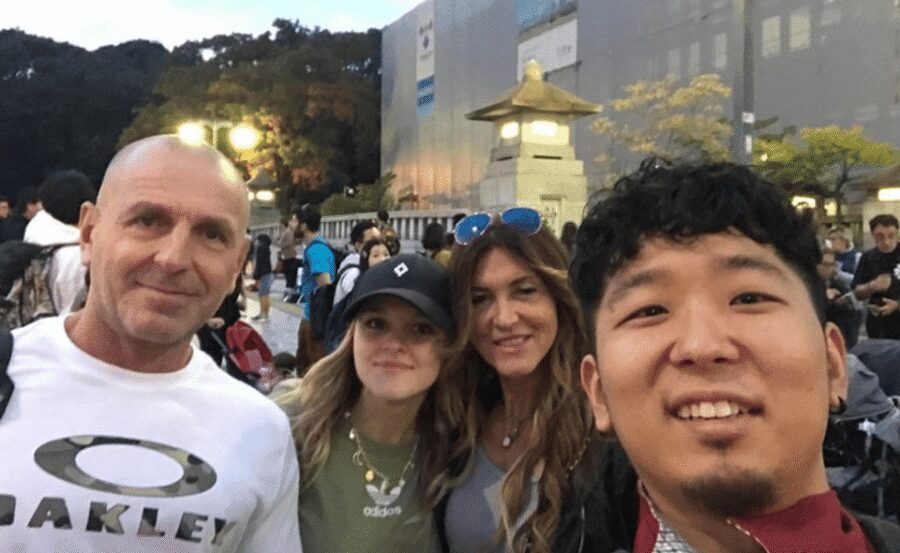
Here’s the real win with this kind of tour: Tokyo is huge, fast, and full of surprises. A private guide turns that chaos into a plan you can actually follow. You meet your guide at your hotel, and then you’re off on a walking-first approach, using public transport only when it makes sense. That keeps your day flexible while still saving you from the constant question of what to do next.
If you’re the type who likes to ask questions while you walk, you’ll appreciate how adaptable the guides are. One guide named Fernando is described as very strong on history and traditions, and the tour stayed relaxed rather than treating every minute like a race. Another guide, Lucas, was praised for being friendly and prepared, though the key takeaway is that not every guide will emphasize cultural details the same way, so your best move is to ask for the kind of context you want.
Also, private group means you’re not squeezed into someone else’s agenda. Want shopping time? Want more photos? Want to skip one stop because the line is ugly? This is the format that makes those choices easier.
You can also read our reviews of more private tours in Tokyo


A simple way to think about the route: mix big landmarks and local lanes
Tokyo tours often fail when they feel like a rigid checklist. This one is built to be personal. For 2 to 8 hours, the guide strings together a route around your picks, then helps you discover nearby areas you might not find on your own.
Think of it like this:
- Anchor stops are the recognizable sights you came for.
- Side streets are where the culture shows up: small shops, local snacks, and everyday scenes.
- Photo moments are planned in a way that doesn’t feel like you’re sprinting from shot to shot.
Because the tour is customizable, you can create a day that fits your travel style. History-focused traveler? Add temple and shrine time. Pop-culture fan? Build around Akihabara. Big-view photo person? Add SkyTree or Odaiba. Shoppers? Ginza fits naturally.
Tsukiji Outer Market: how to eat, ask, and not get turned around
Tsukiji Outer Market is one of those places where a guide can save you time and improve the quality of your meal. The market area can feel loud and crowded, and the best parts are often the small stalls tucked along the lanes.
With a guide, you get help with:
- navigating the flow of people without losing your group
- understanding what you’re looking at (seafood types and street-food choices)
- knowing when to move so you don’t wait unnecessarily
This is the stop where “what should I try” becomes a real question. A good guide doesn’t just point; they explain enough that you can make confident choices. If your goal is snacks you can actually remember later, build in time here and don’t rush the first stalls you see.
Practical note: expect a lot of standing and walking. Bring cash if you can, and wear something comfortable because you’ll likely be moving continuously.
Senso-ji and Asakusa: Thunder Gate energy with room to breathe
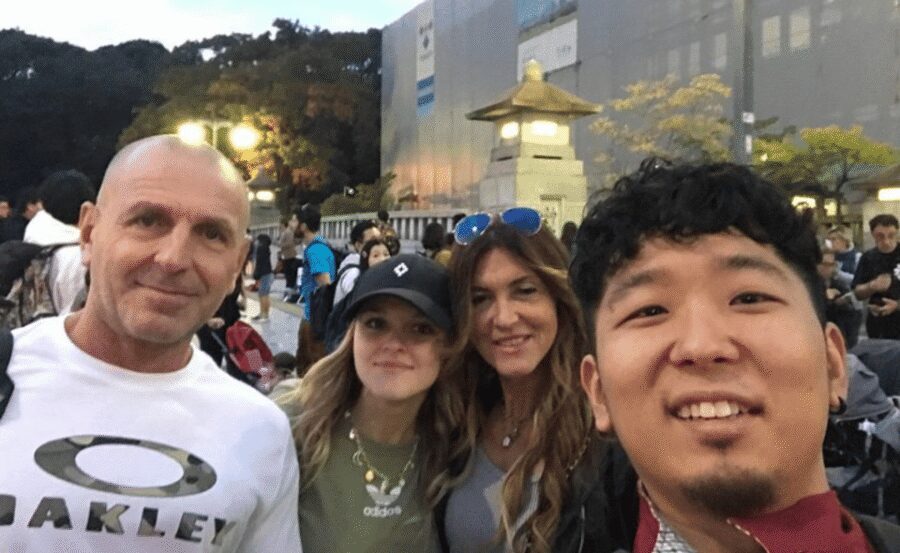
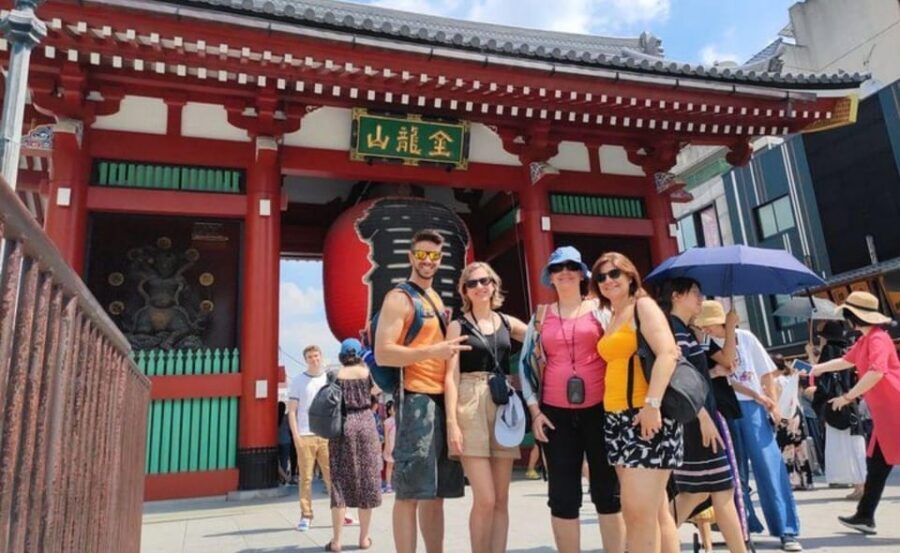
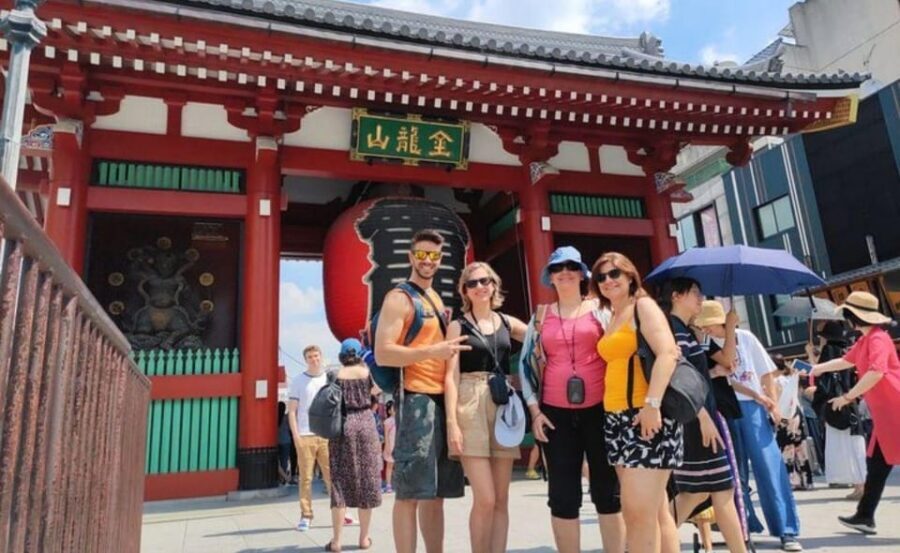
Senso-ji Temple in Asakusa is a classic Tokyo scene, and it’s also a place that gets better with context. A guide can help you connect the dots: the meaning of the area, the stories tied to the temple, and what you might notice as you walk through the approach toward the Thunder Gate.
One smart benefit of going with a guide here is understanding how to take part respectfully in traditional rituals. You don’t need to perform anything complicated. You just want to know what you’re seeing and avoid turning sacred space into an all-photo, no-understanding routine.
A private format also gives you control. You can slow down for pictures, step aside when it’s crowded, and still keep the tour moving. If you’re the kind of traveler who likes capturing details, this is one of the best times to do it.
Meiji Shrine: the kind of calm Tokyo rarely gives you for free
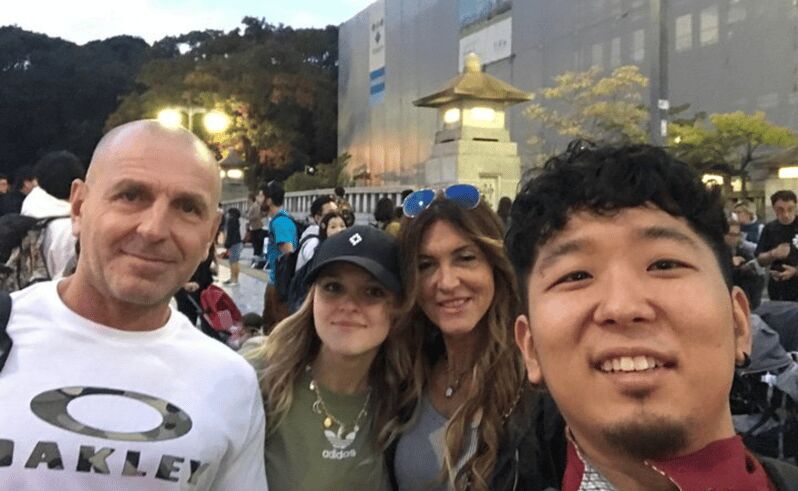
Meiji Shrine is a reset button. It sits next to major city life, but once you’re in the shrine area, the pace changes. A guide can add meaning to the place by explaining the shrine’s Shinto background and what to understand about the iconic torii gate.
Then there’s the other value: you’re not just walking in a pretty park. You’re learning the logic behind the space. That makes your photos and your memories feel more specific. You’ll notice more because you know what you’re looking at.
If you’re visiting during warm months, this stop is also a good way to balance your day. You get shade and space to slow down, which helps if you planned a heavy day of shopping and big attractions.





Akihabara, Ginza, and Roppongi: three different Tokyo moods in one plan
This tour format shines when you combine neighborhoods with different personalities. Pick two or three, and you get contrast. That’s how you understand Tokyo beyond the famous postcard scenes.
Akihabara for electronics, anime, and gaming
Akihabara is where Tokyo becomes playful. A guide can help you sort through the variety of stores and explain what’s culturally meaningful about the scene. If you want more than random browsing, ask for specific sub-interests: retro gaming, figures, or electronics.
Here’s the practical upside: guides can help you find the areas that match your taste without wasting time on places that don’t.
Ginza for upscale shopping and the history under the storefronts
Ginza is polished and pricey, but it’s also a great cultural snapshot. With a guide, you get background on why the district looks and works the way it does. You also get help finding dining or shopping that fits your budget and preferences, rather than only the most obvious big-name spots.
Even if you don’t intend to buy much, Ginza is useful for how Tokyo handles modern commerce.
Roppongi Hills for art and city views
Roppongi Hills is a strong choice when you want an organized, design-forward area. You can pair shopping with art time, including the Mori Art Museum. A guide can also explain the architecture and what to look for so you don’t just wander through corridors.
If you care about getting good photos without wasting daylight, this stop can work well when your schedule allows a bit of extra viewing time.
Tokyo Skytree and Odaiba: viewpoints that turn a crowded city into a memory
Tokyo is tall, and it’s hard to understand scale at street level. That’s why viewpoints matter.
Skytree for panoramic city understanding
At Tokyo Skytree, a guide can provide background on its significance and construction, and then help you use the observation decks intelligently. The main value isn’t just the view. It’s knowing what you’re looking at so the skyline doesn’t blur into a generic photo.
A smart guide will also time the stop based on your longer route. If you’re planning multiple neighborhoods, coordinate so you don’t end up rushing this part.
Odaiba for futuristic views and photo planning
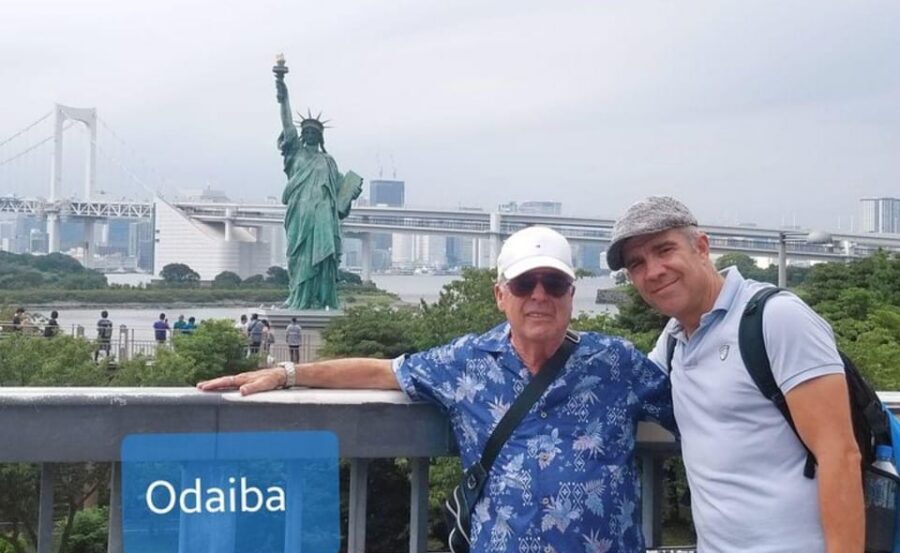
Odaiba is an artificial island with a more modern feel, plus plenty of photo viewpoints. A guide can explain the history of the island and help you select photo spots that make the most of your time.
This is also a good area to add if your itinerary needs a break from temple streets and shopping crowds. It feels different, and that contrast helps your day feel balanced.
Ueno Park: museums, seasonal moments, and a calmer kind of sightseeing
Ueno Park offers options, not just one landmark. A guide can help you decide which museums or attractions make sense for your interests and time. Even when you’re not doing a museum, walking the park area gives you a more relaxed Tokyo rhythm.
Season matters here. During cherry blossom season, a guide can point you to better spots for viewing. That’s the kind of advantage that pays off because the best locations can be hard to judge from maps.
If your tour is shorter, Ueno is a place where you can still get variety in a compact footprint.
Public etiquette tips that make your day smoother
Tokyo isn’t a chaotic place because it’s strict. It’s strict because everyone wants public space to work. One of the most useful cultural notes from a guide named Karl is simple: don’t talk on public transport, and be mindful about eating while walking. Those habits help you feel less out of place and more respectful at the same time.
These are the small things that make your day easier, especially if you’re moving from station to station. A guide who shares etiquette tips early can prevent awkward moments later.
Price and time value: what $53 per person really buys you
At $53 per person, the value is mainly about efficiency and customization. You’re not just paying to see a place. You’re paying for:
- someone to map your day in real time
- a private pace that fits your comfort level
- hotel meetup so you lose less time to finding each other
- English and multiple other languages, which matters when you want real explanations
- guidance across multiple neighborhoods without the burden of planning every transit hop
Duration is flexible, from 2 to 8 hours. I like that choice because it lets you match the tour to your trip style. On a short trip, a 2 or 3-hour plan can help you hit the highlights without burning a full day. If you want a deeper look, the longer options give you enough time to slow down, shop, and still see major sights.
If you’re budget-conscious, remember this isn’t a bargain bus. You’re paying for privacy and personal guidance. If your travel style includes questions, photos, and adjustments on the fly, that cost starts to feel fair.
Who this private Tokyo tour suits best
This experience is a great fit if:
- you want a private walking plan with flexibility
- you like asking questions and getting explanations as you go
- you’re staying in a hotel and want a smooth start without meeting-point confusion
- you want a mix of famous sights and lesser-known nearby areas
- your group includes different interests, so customization helps
It may be less ideal if:
- you want a fast, stop-and-photos-only tour with zero time for conversation
- your group hates walking or prefers a mostly seated experience
- you expect the itinerary to be fixed with no options, since the route can be tailored
Quick practical notes before you go
- Expect a private group, so the experience stays focused on your needs.
- The guide is wheelchair accessible, which is helpful if accessibility is a priority.
- You can choose different languages, including English, French, Italian, Spanish, Japanese, Chinese, and Traditional Chinese.
- Pickup is available, and you’ll meet your guide at your hotel.
Should you book this Tokyo private tour?
Yes, if you want Tokyo to feel navigable and personal. This is the kind of tour that helps you avoid the usual travel friction: not knowing where to start, not knowing what matters, and not knowing how to pace your day.
I’d book it especially if you’re trying to cover multiple neighborhoods like Asakusa, Akihabara, shopping districts, and viewpoint areas. With the right guide, you’ll come away with more than photos. You’ll understand why the places work, and you’ll feel more comfortable in public spaces.
If you’re very sure of your must-see list and you love planning on your own, you can do Tokyo without a guide. But if you want someone to think alongside you while you walk, this private format is a strong, practical way to get more out of less time.
FAQ
FAQ
How long is the Tokyo private walking tour?
It runs for 2 to 8 hours, depending on the option you choose.
Where does the guide meet you?
The guide will meet you up at your hotel. Pickup is listed as optional.
Is this tour private or shared?
It’s a private group, so it’s just your group with the guide.
What languages are available for the live guide?
The guide is available in English, French, Italian, Spanish, Japanese, Chinese, and Traditional Chinese.
Does the tour include public transport?
It includes a walking tour and public transport except if you select one of the options where transport might differ.
Is the tour wheelchair accessible?
Yes, it’s listed as wheelchair accessible.
What’s the cancellation window?
Free cancellation is available up to 24 hours in advance for a full refund.
Can I reserve without paying right away?
Yes, it offers reserve now & pay later, so you can book and pay nothing today.