REVIEW · TOKYO
Tokyo: Nikko Private Day Tour With Guide
Book on GetYourGuide →Operated by TheTokyoTravel · Bookable on GetYourGuide
Waterfalls and gold-leaf shrines, all in one day. I love Toshogu Shrine for its carved legends and gold-leaf details, and Kegon Falls for the near-100-meter roar and views from above and below. One watch-out: the vehicle can feel tight if you fill it to the max of five.
You get a high-impact route that actually makes sense, starting with the Akechidaira Ropeway and ending with iconic Shinkyo Bridge photo time. The day is built around nature stops plus major cultural sites, so you’re not just “driving past stuff.”
This is a private outing with an English-speaking driver/guide, and the vibe is practical. In past trips, guides such as Imran have been praised for helpful local guidance, including steering people toward good vegan lunch options, and for staying flexible if weather changes.
In This Review
- Key things that make this Nikko day tour work
- How the 10-hour Nikko loop runs from Tokyo (and why private helps)
- Akechidaira Ropeway: the best warm-up before shrines
- Lake Chūzenji at 1,269 meters: lunch, cruise, and breathing room
- Kegon Falls: nearly 100 meters, and you see it twice
- Kanmangafuchi Abyss and Tamozawa Imperial Villa: the “in-between” stops
- Toshogu Shrine, Rinnoji Temple, and Shinkyo Bridge in one focused sweep
- Toshogu Shrine: gold-leaf, myths, and the Sleeping Cat
- Rinnoji Temple: Buddhist artistry with the Three Buddha Hall
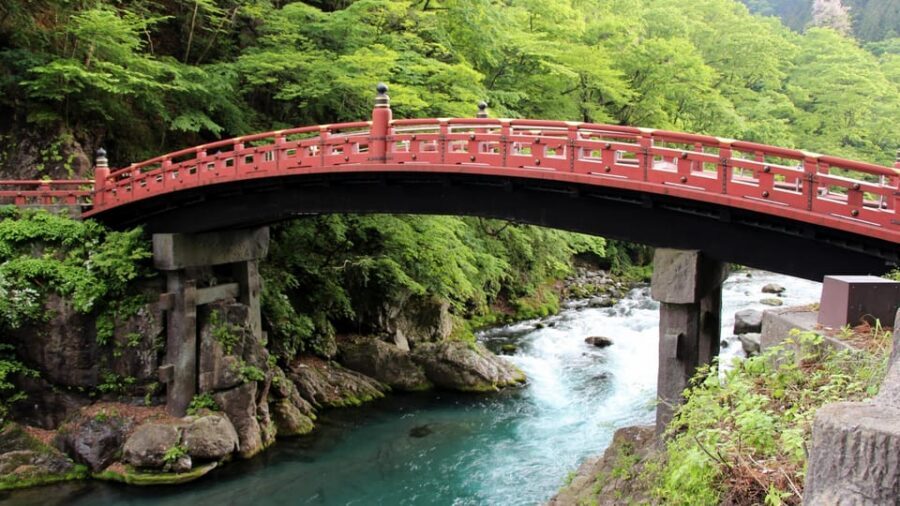
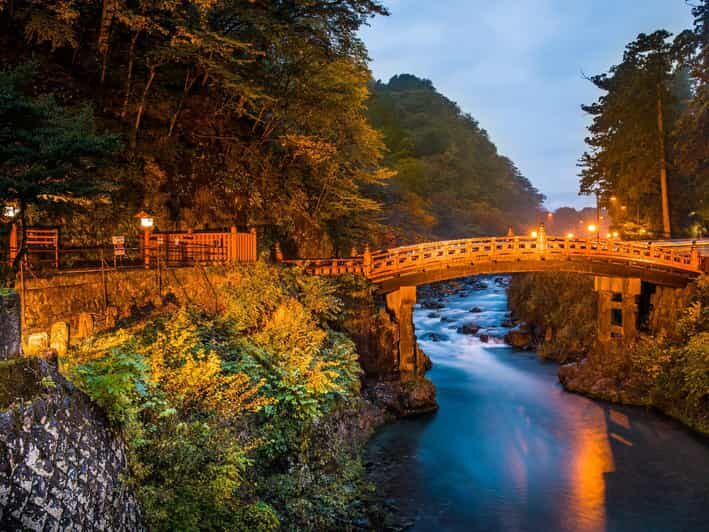
- Shinkyo Bridge: Japan’s finest bridge for a quick walk and photos
- Ryuzu Falls: the calmer finale that keeps the day from feeling too heavy
- Price and what you should expect to spend beyond the tour fee
- Who should book this Nikko private day tour (and who might not)
- Should you book it?
- FAQ
- How long is the Nikko private day tour?
- How many people can be in a group?
- Is lunch included?
- What’s included in the tour price?
- What additional fees should I plan for?
- Where do you pick up in Tokyo?
- What language is the driver/guide?
Key things that make this Nikko day tour work
- Private, English-speaking guide/driver to keep the day smooth and explain what you’re seeing
- Akechidaira Ropeway for early panoramic views over Nikko National Park
- Kegon Falls from two viewpoints, including the elevator-assisted viewing deck
- Toshogu Shrine highlights like the Sleeping Cat and See No Evil monkeys
- A careful mix of big sights and quieter breaks, finishing with Ryuzu Falls
How the 10-hour Nikko loop runs from Tokyo (and why private helps)
This is a true day trip, but it’s designed like a guided tour should be: you leave Tokyo with a plan, then you’re not wasting time figuring out transit, tickets, or where to stand for photos.
Pickup and drop-off happen within Tokyo’s 23 wards. You’ll wait in the hotel lobby about 5 minutes before your scheduled pickup time, and due to traffic your driver may arrive up to 30 minutes later. That buffer matters in Tokyo, so I treat it like “don’t plan a tight dinner reservation that night.”
The vehicle is air-conditioned and meant for comfort on a long drive. You also get bottled water and WiFi on board, which sounds small until you’re stuck in a long scenic route and want your phone battery to survive.
One thing I’d flag: the tour is priced for a group of up to five. That’s great for splitting cost, but one review noted that the car can feel small with the guide and chauffeur. If you’re tall, bring a little extra patience.
You can also read our reviews of more guided tours in Tokyo

Akechidaira Ropeway: the best warm-up before shrines
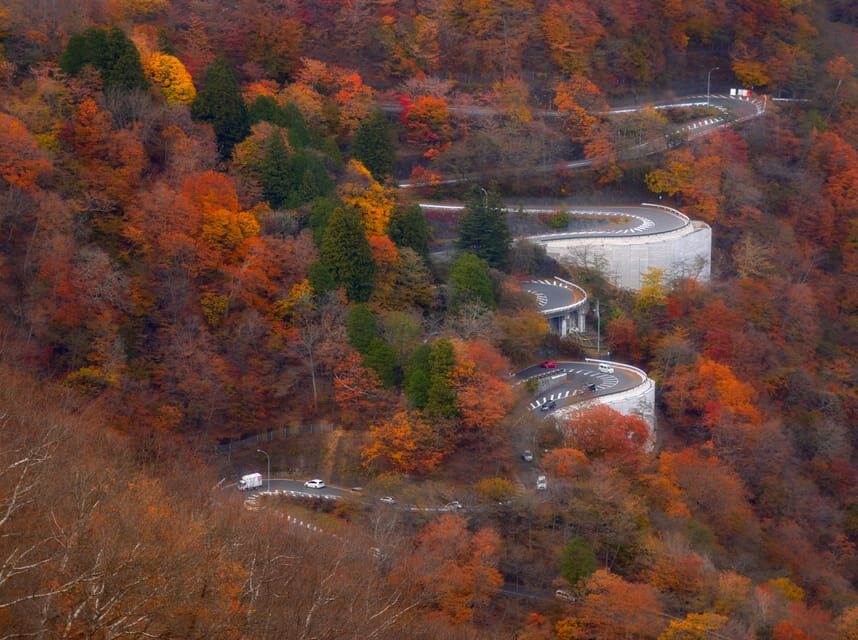
Starting with the Akechidaira Ropeway observation deck sets the tone fast. You ride the gondola, then you get wide views over Nikko National Park, including Lake Chūzenji and surrounding peaks—especially striking in autumn when the foliage ignites.
This stop is also smart timing. By the time you reach the major temple area, you’ve already “spent” part of the travel day on scenic payoff, not just sitting in traffic. It’s an easy win for photos because the observation deck is made for looking out, not hunting for a viewpoint after the fact.
Practical detail: there’s an entrance fee for the observation area (adults 1,000 yen; children 500 yen). You’ll want cash for these add-ons, since lunch and ticket costs are not included.
Lake Chūzenji at 1,269 meters: lunch, cruise, and breathing room
Next comes Lake Chūzenji, a high-altitude lake at 1,269 meters, described as Japan’s highest natural lake. That elevation shows up in the feeling of the place. Even when you’re not doing anything fancy, you get that cool, open, mountain-at-lake calm.
You’ll have about an hour here, with time for a photo stop and sightseeing. Lunch is built into this segment but it’s not included, so plan on picking something up during the stop.
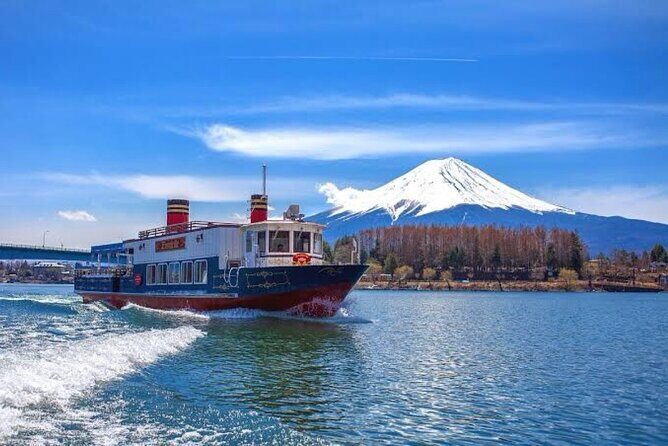
What I like most is the option for a cruise. There’s a driving and cruise component here (adult 1,400 yen; children 700 yen). If you take it, you’ll turn “a lakeside break” into an experience with moving views, not just a stationary one.
If you prefer low-effort scenic time, you can keep it simple: stroll a bit, snack, and enjoy the sense of space. This stop is a good counterweight to the temple-heavy later part of the day.
Kegon Falls: nearly 100 meters, and you see it twice
Kegon Falls is one of those places where the scale hits you immediately. The waterfall drops nearly 100 meters into a rocky gorge, and it’s known for offering views from both above and below.
The clever bit is the elevator that leads to an unforgettable viewing deck. That means you’re not stuck with just one perspective. You can see the fall’s power from the top, then get the closer viewpoint that makes you feel like you’re standing inside the mist.
This stop also includes time for photos and sightseeing. You’ll have about 45 minutes, and that’s usually enough if you don’t linger too long at every viewpoint. If you love photography, it’s worth moving with purpose so you still catch the second viewpoint before the day compresses.
Kegon Falls entrance fees are additional (adult 570 yen; children 340 yen). Again: bring cash.
Kanmangafuchi Abyss and Tamozawa Imperial Villa: the “in-between” stops
After Kegon Falls, the route moves to Kanmangafuchi Abyss for a photo stop and sightseeing (around 45 minutes). I’d treat this as a breather between big-ticket moments. It’s a good time to slow down, reset your legs, and take photos without feeling rushed.
Then you head to Nikko Tamozawa Imperial Villa Memorial Park. This is where the day gets more interesting if you like architecture and history that mixes eras. The villa is described as blending traditional Edo and early modern Meiji period influences, set with manicured gardens and a mountain backdrop.
You’ll get about 45 minutes here, including time for photo opportunities and sightseeing. Entrance to Tamozawa is extra (adult 600 yen; children 300 yen).
Why this stop matters: by the time you reach the temples, Nikko can feel like one long scroll of sacred sites. Tamozawa gives you a different lens on Japan’s past—imperial life and evolving styles—so the rest of the day feels less repetitive.
You can also read our reviews of more private tours in Tokyo


Toshogu Shrine, Rinnoji Temple, and Shinkyo Bridge in one focused sweep
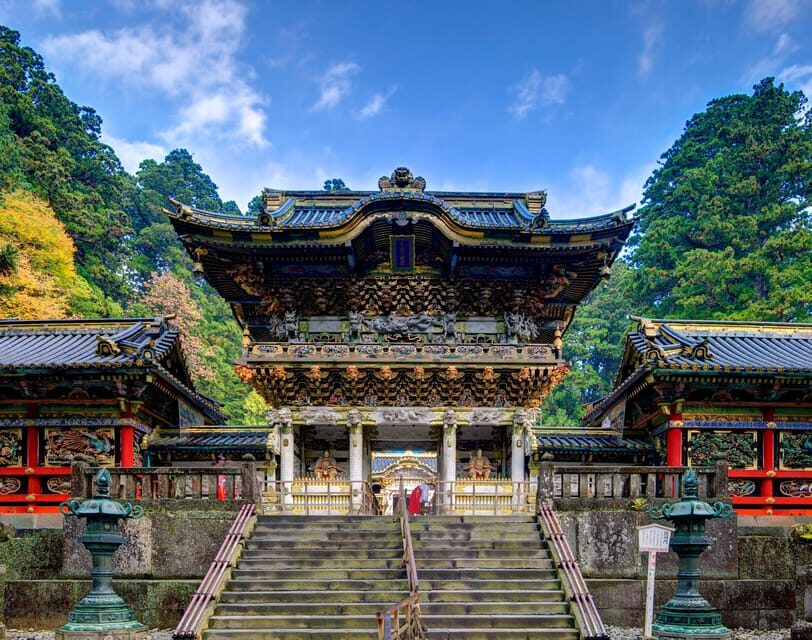
This is the core cultural stretch, and it’s where the private guide payoff is biggest. You’re not just walking through buildings. You’re learning the stories embedded in the details.
Toshogu Shrine: gold-leaf, myths, and the Sleeping Cat
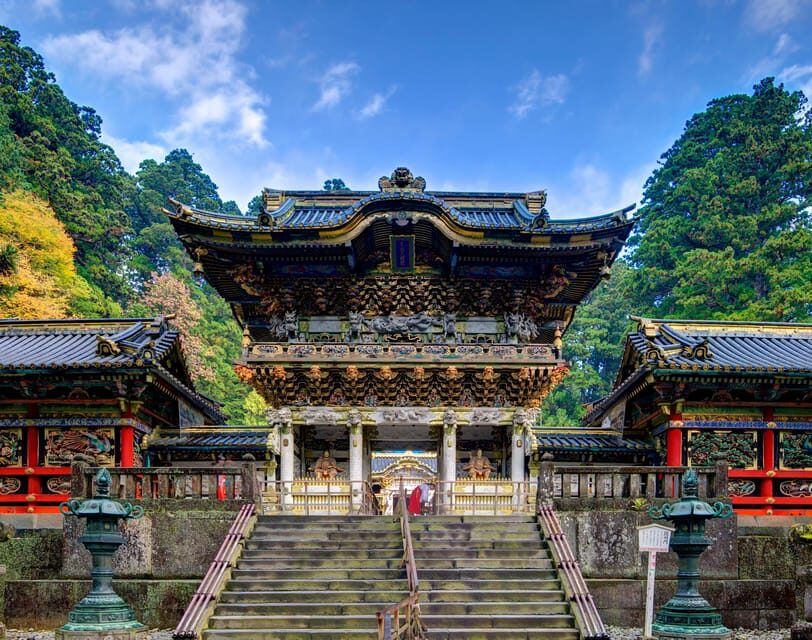
Nikko Toshogu Shrine is Nikko’s most famous stop, described as a magnificent memorial for Tokugawa Ieyasu. Expect craftsmanship on another level: gold-leafed structures, mythical creatures, and famous carvings such as the Sleeping Cat and “See No Evil” monkeys.
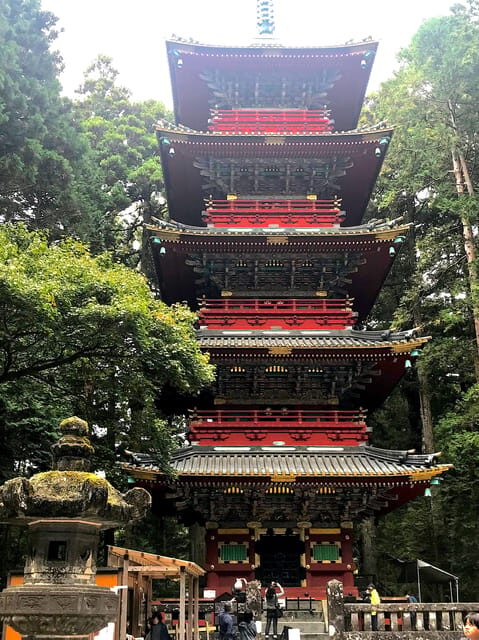
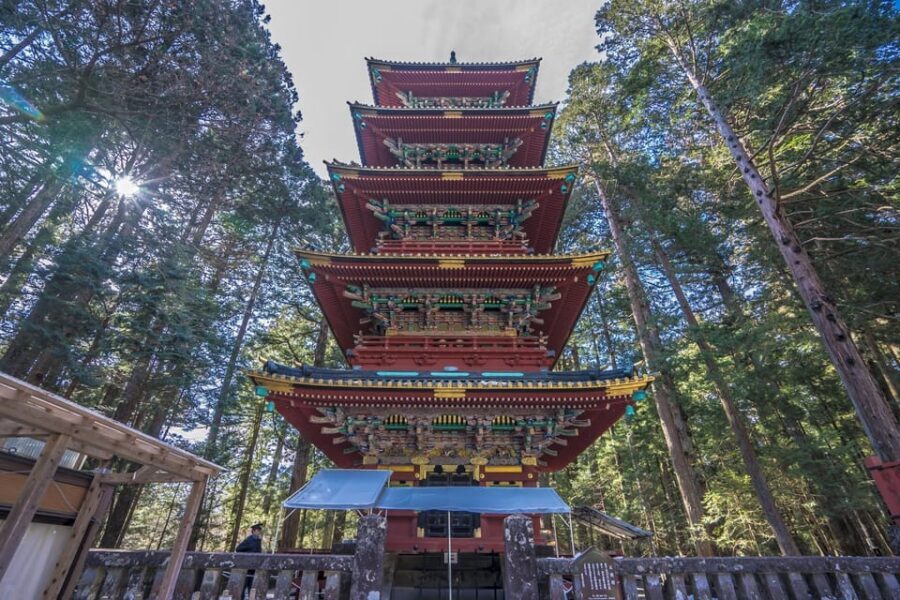
You’ll also see the five-storied pagoda mentioned as a highlight. The time here is about 45 minutes, which means you’ll want to move from major feature to major feature rather than reading every plaque cover to cover.
Rinnoji Temple: Buddhist artistry with the Three Buddha Hall
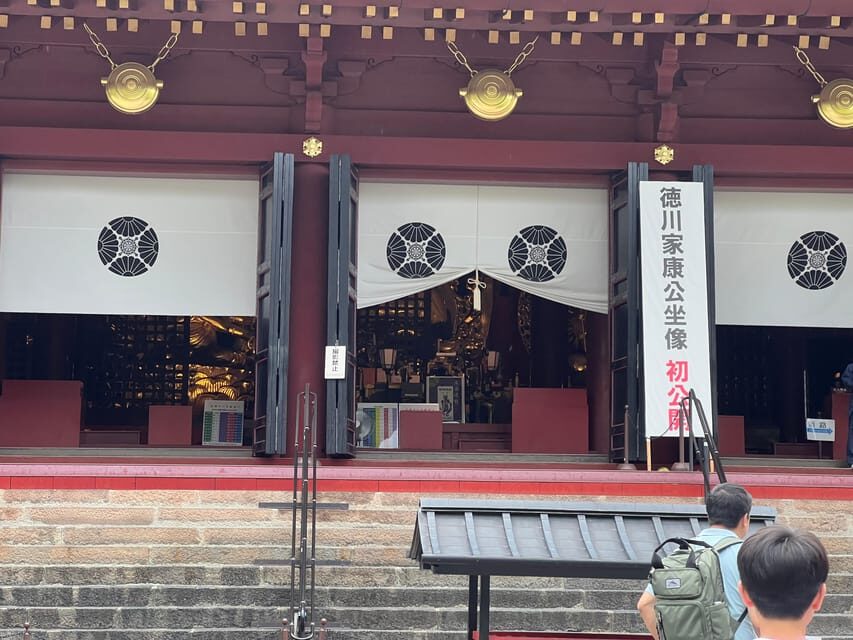
Next is Nikkozan Rinnoji Temple, an important Buddhist site. The standout described is the Three Buddha Hall, where statues and ornate carvings reflect centuries of devotion.
This stop is shorter at about 30 minutes. That’s enough to experience the main sights and take in the mood without making you feel like you’re sprinting. If you’re the type who hates rushing at temples, be okay with the fact that your schedule is already packed. A good guide helps you prioritize what to see first.
Shinkyo Bridge: Japan’s finest bridge for a quick walk and photos
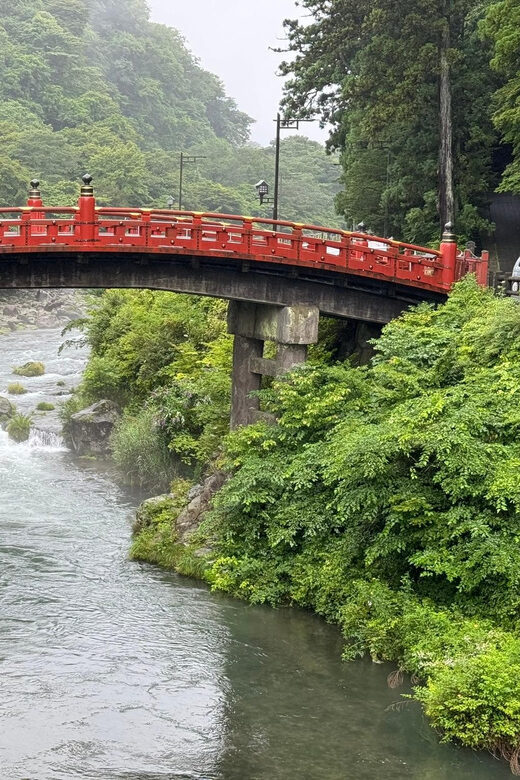
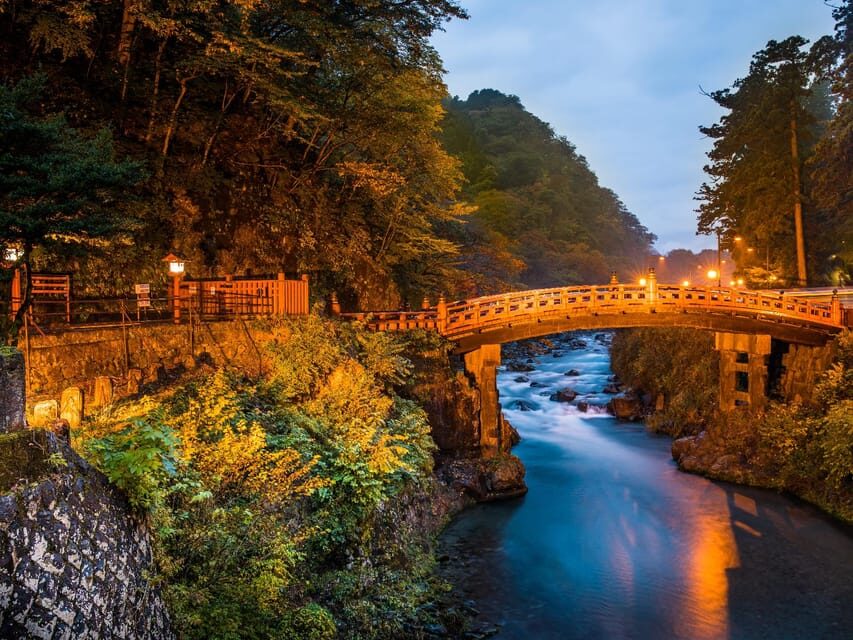
Then you finish with Shinkyo Bridge, often treated as the ceremonial gateway to Nikko’s spiritual heart. It’s bright red and spans the Daiya River, and it’s a great place for a photo stop and a short walk.
You’ll spend about 30 minutes here, including walking time and sightseeing. This is one of those stops where you’ll feel the “Nikko magic” instantly, even if you keep your pace light.
For Rinnoji, there’s an entrance fee of 400 yen (adults and children). Toshogu entrance fees aren’t listed separately in the provided info, so budget for extra ticket costs overall and assume there may be some payable on-site.
Ryuzu Falls: the calmer finale that keeps the day from feeling too heavy
To end the loop, you head to Ryuzu Falls. It’s named for its resemblance to a dragon’s head, and it’s described as a twin-stream cascade. This stop feels different from Kegon because it’s framed as more hidden and mystical, tucked along the Yukawa River.
You’ll get about one hour, which includes a break, sightseeing, lunch time, and some shopping plus local snacks. If your feet are tired, this is the right kind of stop to recover at. It’s also an easy place to slow down for photos without the huge crowd energy that can happen at the most famous waterfall.
The mix here matters. You’re ending with nature, so the day doesn’t end on a hard edge of temple crowds and long corridors. It feels more human and relaxed.
Ryuzu Falls entrance costs aren’t listed in the provided details, so plan to pay whatever is required on-site and keep cash handy.
Price and what you should expect to spend beyond the tour fee
The headline price is $761 per group for up to 5 people, lasting 10 hours from Tokyo with hotel/area pickup and drop-off in the 23 wards. That sounds high until you do the math: for a full group of five, it can work out to about $152 per person, and you’re buying a private vehicle plus an English guide/driver for the whole day.
What makes that value real is the time savings and coordination. This route includes major sites across a wide area, with entry fees at several stops plus the Akechidaira gondola and optional Lake Chūzenji cruise. In practice, trying to stitch that together yourself can burn half your day.
The tour includes:
- Air-conditioned private transportation and parking fees
- Bottled water and WiFi on board
- Passenger insurance and fuel surcharge
Not included:
- Lunch
- Several site fees (Akechidaira observation area, Lake Chūzenji cruise, Kegon Falls, Tamozawa, Rinnoji), each with specific yen prices listed
My practical advice: budget extra for tickets and food. If you’re the “one snack and done” type, your total will stay controlled. If you like buying everything you see, it’ll climb fast—but at least you’ll understand why.
Also, note the tour is not suitable for people over 95 years. The day includes multiple walking and viewpoints, including elevator-assisted access at Kegon.
Who should book this Nikko private day tour (and who might not)
I’d book this if you want:
- A private day with an English guide so you can ask questions and move efficiently
- Big nature and big temples in one hit: Kegon Falls, Lake Chūzenji, and Toshogu Shrine
- Fewer logistics headaches. Pickup and drop-off are handled, and the vehicle stays with you.
I might skip it (or look for a shorter option) if you:
- Hate being on a tight schedule. This route is packed, and each stop is limited.
- Are very sensitive to cramped space. One note said the car can feel small for five people with the guide and chauffeur.
- Need lots of long sit-down time. Lunch is not included, so you’ll be choosing fast when you’re hungry.
The guide experience is a big plus. In past outings, guides like Imran have shown a hands-on style: helping with route flow, answering questions, and even finding vegan-friendly lunch spots.
Should you book it?
If your goal is a one-day Nikko sampler that hits the headline sights—ropeway views, two-perspective Kegon Falls, Toshogu’s famous carvings, Shinkyo Bridge, and Ryuzu Falls—this private tour is a strong way to do it.
Book it if you value time efficiency and prefer having an English guide coordinate the day for you. Don’t book it if you want an unhurried, slow travel pace with lots of independent wandering, or if your group is prone to feeling cramped in smaller vehicles.
One more practical tip: bring cash, wear comfortable shoes, and confirm your pickup location in Tokyo’s 23 wards before you go. That keeps the day calm and lets you spend your energy on the scenery and the sacred details.
FAQ
How long is the Nikko private day tour?
The tour runs for 10 hours, including pickup and drop-off in Tokyo’s 23 wards.
How many people can be in a group?
This is a private group tour priced per group up to 5 people.
Is lunch included?
No. Lunch is not included, though lunch time is built into stops such as Lake Chūzenji and Ryuzu Falls.
What’s included in the tour price?
Included are bottled water, WiFi on board, an air-conditioned vehicle, private transportation, fuel surcharge, parking fees, and passenger insurance.
What additional fees should I plan for?
Several attractions have separate entrance or activity fees, including Akechidaira Observation Area (1,000 yen adults), Lake Chūzenji cruise (1,400 yen adults), Kegon Falls (570 yen adults), Tamozawa Imperial Villa (600 yen adults), and Rinnoji (400 yen).
Where do you pick up in Tokyo?
Pickup is included from hotels, hostels, Airbnbs, apartments, or any address within Tokyo’s 23 wards, including train stations. Pickup is not offered from airports or ports.
What language is the driver/guide?
The driver/English guide provides services in English.