REVIEW · TOKYO
Tokyo Private Full-Day Tour with a Local – Secrets & Highlights
Book on Viator →Operated by City Unscripted · Bookable on Viator
One day in Tokyo can feel like a blur. This tour slows it down with a private, tailored route and a real local guide. I like that it’s built around your interests, not a rigid checklist, and that you can adjust as you go instead of rushing to the next stop. The one thing to weigh is value: at about $253.48 per person, it’s pricey if you’re the type who can handle the city on your own with a map and a taxi.
You get a full day of Tokyo flavor—from old neighborhoods to the busiest market streets—while your guide helps you spot what matters and how to enjoy it at street level. You’ll also get that peace-of-mind feeling of having someone message you ahead of time to shape the day around you, whether that means food, history, or quiet corners. The main consideration: it’s mostly walking, with transfers possibly by public transport or local taxi between sites.
In This Review
- Quick Take: When This Tour Makes the Most Sense
- Starting in Shinjuku: Your Day Gets Tailored Fast
- Yanaka’s Old Streets: A Calm Contrast to Central Tokyo
- Ueno Area Parks and Museums: Breathing Space with Stories
- Ameya-Yokocho: Street Noise, Snacks, and Local Shopping Logic
- Senso-ji and Nakamise: Classic Temple Energy with Context
- Kagurazaka at the End: Narrow Lanes and Old-World Atmosphere
- Price and What You’re Actually Buying
- How the Tour Works Day-of: Walking, Transfers, and Timing
- Example Guide Styles: Saya Cristina and Aki
- What’s Included (and What You Should Budget Separately)
- Who This Tour Fits Best
- Should You Book This Tokyo Private Full-Day Tour?
- FAQ
- FAQ
- How long is the Tokyo private full-day walking tour?
- Is this tour private or do I join other people?
- Where does the tour start?
- Where does the tour end?
- Can I choose the start time?
- Is food included?
- Are attraction tickets included?
- How do you get between stops?
- Is the tour wheelchair-friendly or mostly walks?
- Are service animals allowed?
- Is free cancellation available?
Quick Take: When This Tour Makes the Most Sense
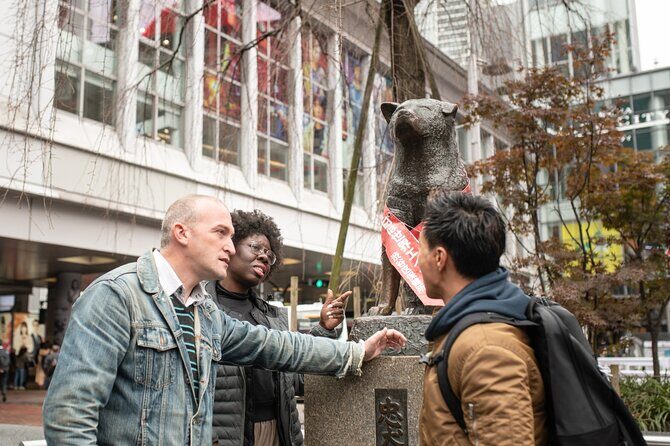
- Private itinerary with real flexibility: You’re not stuck in a fixed group flow.
- Guides who tailor the tone of the day: From quiet backstreets to busier shopping alleys.
- Old Tokyo + major sights in one arc: Yanaka, Senso-ji, then on to Kagurazaka.
- Street-level guidance for shopping and snack culture: Especially around Ameya-Yokocho and Nakamise.
- A park stop that adds breathing room: Museums, ponds, and shrines break up the day.
- Some guides are called out by name: Saya Cristina for strong information, and Aki for food-and-drink stops in Ueno.
Starting in Shinjuku: Your Day Gets Tailored Fast
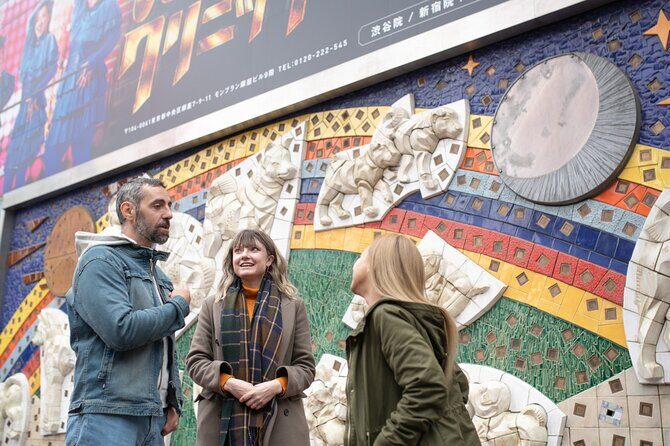
The day begins at the Shinjuku Tourist Information Center, then your local host takes you beyond the usual camera-stock stops. Shinjuku itself is a great starting point because it’s loud, busy, and layered—so you can quickly see what direction your guide thinks fits you.
What I like about this start is that it’s not just logistics. It’s a chance to set a tone for the whole day. If you want quieter streets, you’ll get them. If you want shops and daily-life watching, you’ll get that too. And if your group has a specific interest—art, temples, old neighborhoods, or food—your host can steer the route early instead of treating it as an afterthought.
One practical thing: since this is primarily a walking experience, you’ll want comfy shoes and a plan for breaks. A good guide pacing your energy level is part of what you’re paying for here, and you’ll feel it most in the early hours.
You can also read our reviews of more private tours in Tokyo

Yanaka’s Old Streets: A Calm Contrast to Central Tokyo
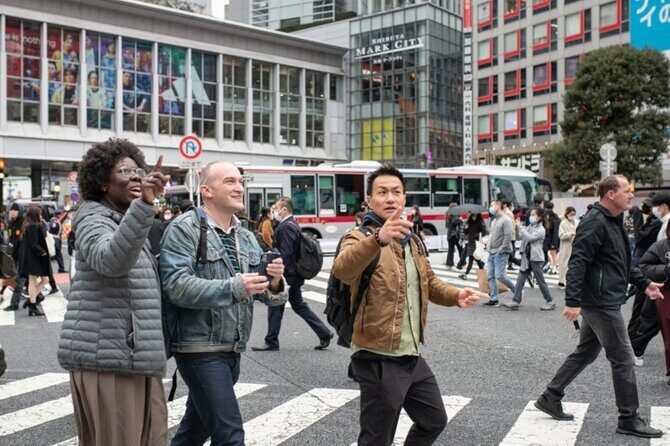
Next up is Yanaka, one of the classic “old Tokyo” areas, spared from the worst of wartime bombing. This stop works because it’s not just about seeing pretty streets. It’s about understanding what “old” means in Tokyo—small temples, traditional houses, artisan storefronts, and a slower rhythm of life.
Yanaka is also a nice kind of museum without walls. You can wander without feeling like you’re chasing a timed ticket. Your guide moves you through artisan shops and traditional homes, then adds context around the area’s quiet temples and peaceful cemeteries.
The trade-off is that Yanaka is more subtle than the headline sights. If you’re expecting nonstop wow moments every ten minutes, this stop may feel mellow. If you enjoy texture—wood, paper lanterns, side alleys, small religious spaces—this is one of the best parts of the day.
Ueno Area Parks and Museums: Breathing Space with Stories
Tokyo’s bigger sightseeing days can feel like sprinting. This tour counters that with a park stop—one of Tokyo’s beloved park areas—with museums, ponds, and shrines. Your host shares stories about seasonal festivals and historical monuments, which turns the park from a simple rest break into a meaningful chapter.
This is also where the itinerary adds variety. You’re not only in religious spaces (like the temple later) and you’re not only in shopping lanes (like Ameya-Yokocho). You get greenery, water, and the kind of “between places” Tokyo does so well: the space where locals slow down, stroll, and meet.
A small note on expectations: parks can be great in any season, but what you get out of this stop depends on timing and crowd levels. A guide’s job is to help you read the space—where to pause, what to notice, and how to make it fit your pace.
Ameya-Yokocho: Street Noise, Snacks, and Local Shopping Logic
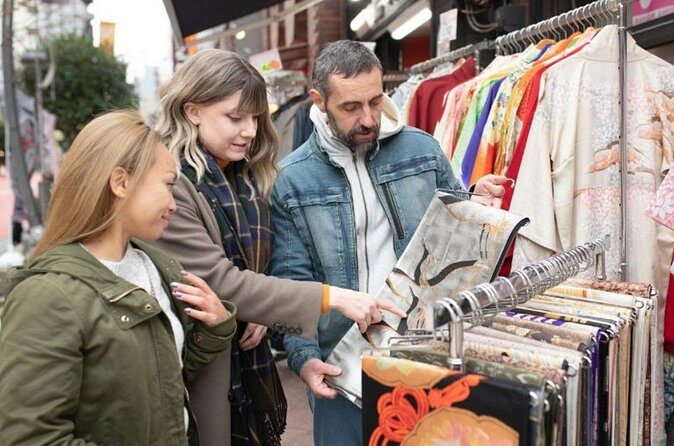
Then the day shifts gears to Ameya-Yokocho, known for its tightly packed stalls and alleyway energy. This is the Tokyo that most people picture—tiny shops, street snacks, clothes, and local treats—except you’re walking it with guidance instead of getting lost in the chaos.
What’s useful here is not just which stalls to buy from. It’s how your host helps you navigate the hidden alleys and understand the rhythm of the area. In Tokyo markets, a local explanation can be the difference between aimless wandering and actually finding what you want.
One thing to consider: Ameya-Yokocho can get busy. If your group hates crowds, plan for short bursts rather than long standstills. The good news is that because the tour is private, you can set boundaries with your guide and move at your group’s comfort level.
Senso-ji and Nakamise: Classic Temple Energy with Context
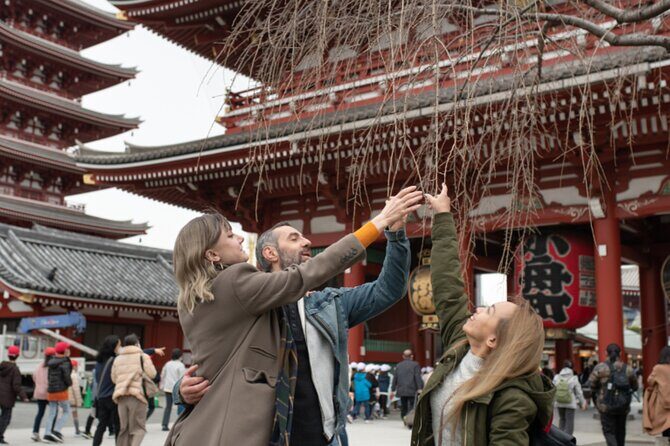
At Senso-ji, Tokyo’s oldest temple, you’ll see the iconic draw power up close. This stop is one of the strongest “big sight” moments on the route because it’s historic, photogenic, and full of people for a reason.
You’ll stroll along Nakamise shopping street, where you can snack and pick up traditional souvenirs. The value of having a local guide here is context. Instead of just treating the lanes like a souvenir conveyor belt, your host shares cultural rituals and legends that explain why the place looks and feels the way it does.
The possible drawback is the same one you’d face on your own: Senso-ji gets crowded. A guide can help you time your walking and move through the flow without wasting as much energy. If you’re short on time in Tokyo, this tour is especially useful because you get Senso-ji plus the quieter, older neighborhoods earlier—so the day feels balanced rather than only focused on the busiest sites.
A few more Tokyo tours and experiences worth a look


Kagurazaka at the End: Narrow Lanes and Old-World Atmosphere
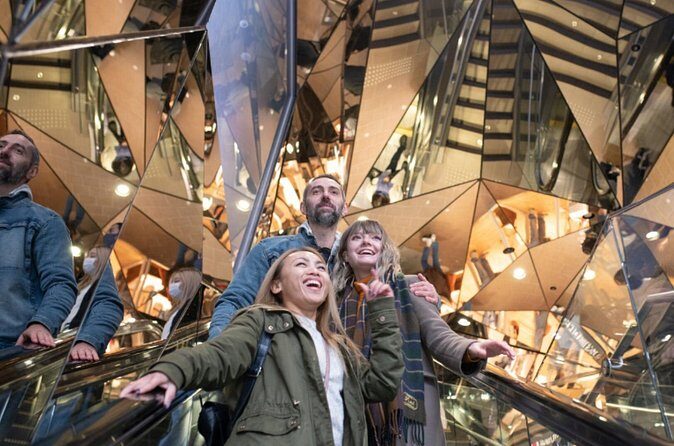
To close the day, you’ll head to Kagurazaka, a neighborhood known for narrow lanes and tucked-away shrines, with old geisha house-style architecture and a European café vibe. This is a satisfying ending because it feels like a shift away from the high-traffic energy of earlier stops.
This part of the day is about mood. Hidden alleys, quiet courtyards, and small side streets make Kagurazaka feel like a Tokyo that’s harder to stumble into by accident. Your host points out the kinds of details you’d normally miss—small shrine spaces and passages that only reveal themselves when you’re guided.
If you’re the kind of traveler who likes to end with an atmospheric stroll instead of rushing back immediately, this stop is a strong fit. It’s also a good place to do slow shopping or just people-watch with a drink, since food and drinks are on you rather than included.
Price and What You’re Actually Buying
At $253.48 per person for a 7 to 8 hour private walking tour, you’re paying for more than a list of sights. You’re paying for:
- Planning support before you arrive (a pre-tour questionnaire)
- Direct communication with your host to shape the day
- Private routing so your pace and priorities matter
- On-the-ground guidance in crowded or confusing places
One review-style reality check: some people feel a guided, full-day tour is only worth it if it adds something they can’t easily replicate. If you’re comfortable navigating Tokyo independently and you mostly want famous landmarks, the cost may feel steep. But if you want your day tailored, and you like having help reading neighborhoods like Yanaka, Ameya-Yokocho, or Kagurazaka, then the price starts to make sense.
My rule of thumb: if you want a Tokyo day that feels like it’s built around your interests—rather than your interests chasing a tour’s schedule—this format is usually worth the premium.
How the Tour Works Day-of: Walking, Transfers, and Timing
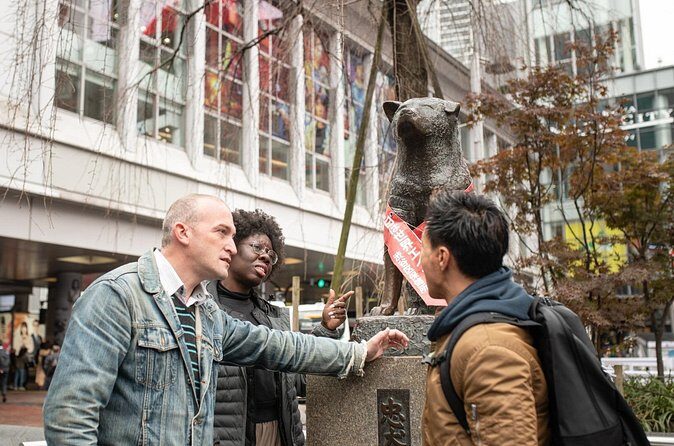
This is set up as a private, walking experience. A private vehicle isn’t included, so you’ll rely mostly on your feet. Public transportation or local taxis may be used to transfer between sites, and exact costs can be discussed with your host after you reserve.
Because it’s walking-heavy, you’ll want to think realistically about your comfort level. You don’t need to be an athlete, but you should be ready for a full day on your feet. The upside is that walking keeps you close to street life—shops, side streets, and neighborhood details you’d never see from a vehicle.
Start times are flexible. You pick your preferred start time when booking, and your host then adjusts the day to fit that timing. This matters because Tokyo changes by the hour: markets, crowds, and even light for photos can shift quickly.
Example Guide Styles: Saya Cristina and Aki
The experience quality can hinge on your specific host, and the guide names that show up are a good clue to the strengths you might get.
Saya Cristina is described as courteous and strong on information, which is what you want if you like meaning behind what you’re seeing—temples, neighborhoods, festival stories, and cultural background.
Aki (with an assistant) is associated with taking people to small restaurants and bars in the Ueno area for typical Japanese food and drinks. That points to a guide style that pays attention to actual eating and local nightlife energy, not just sightseeing.
When you’re planning your “interests” questionnaire, you’ll get the best result if you clearly say what kind of day you want: more food stops, more temple context, more wandering time, or more structure.
What’s Included (and What You Should Budget Separately)
Included:
- Private, personalized walking tour (about 8 hours)
- Flexible start times
- Pre-tour questionnaire
- Direct communication with your host
Not included:
- Food and drinks
- Attraction tickets (if any are needed)
- Transportation between sites (walking is primary, but public transport or taxis may be used)
- Gratuities (optional)
So if you’re trying to manage your total spend, plan for snacks and meals yourself. The day is built to let you buy and try things along the route—especially around Nakamise and Ameya-Yokocho.
Who This Tour Fits Best
This tour is a great match if you:
- Want a Tokyo day that’s customized instead of a group march
- Enjoy older neighborhoods like Yanaka more than only headline landmarks
- Like street-level exploration—shops, alleys, and snack culture
- Prefer a guide’s help with pacing through busy areas
It might feel less ideal if you:
- Expect everything to be fully ticketed and handled, with no extra spending
- Hate walking and want a car to do the heavy lifting
- Prefer to independently hit major sights with minimal guidance
If you’re traveling as a couple, small family, or a group of friends who want a shared plan that still has flexibility, private format usually works better than big group tours. It’s also a strong option for people who like their travel days to feel personal.
Should You Book This Tokyo Private Full-Day Tour?
I’d book this if you want your Tokyo day shaped by your interests—especially if you care about old neighborhoods, markets, and ending in an atmospheric area like Kagurazaka. The structure is smart: balance the calmer old Tokyo (Yanaka), a breather (the park), busy shopping energy (Ameya-Yokocho), a major landmark (Senso-ji), and a quieter finish (Kagurazaka).
I wouldn’t book it if you’re primarily after a checklist of the most famous stops and you’re comfortable managing the day alone. At this price, you’re buying time, personalization, and navigation help. If those are exactly what you want, it can be money well spent.
FAQ
FAQ
How long is the Tokyo private full-day walking tour?
It runs about 7 to 8 hours, and it’s described as an approximately 8-hour walking experience.
Is this tour private or do I join other people?
This is a private tour. Only your group participates.
Where does the tour start?
The tour starts at the Shinjuku Tourist Information Center, 3-chōme-37-2 Shinjuku, Shinjuku City, Tokyo 160-0022, Japan.
Where does the tour end?
The activity ends back at the meeting point.
Can I choose the start time?
Yes. The tour offers flexible start times, and you choose your preferred time when booking.
Is food included?
No. Food and drinks are not included.
Are attraction tickets included?
No. Tickets to attractions are not included.
How do you get between stops?
The tour is primarily walking. Public transportation or local taxis may be used to transfer between sites, with exact costs discussed with your host after booking.
Is the tour wheelchair-friendly or mostly walks?
It’s a walking experience, and a private vehicle is not included. The data says most travelers can participate, but it is not described as a non-walking or car-based tour.
Are service animals allowed?
Yes, service animals are allowed.
Is free cancellation available?
Yes. Free cancellation is available up to 24 hours in advance for a full refund.