REVIEW · TOKYO
Tokyo Samurai Spirit: Create Sushi & Witness a Samurai Sword Show
Book on Viator →Operated by Jin-asakusa · Bookable on Viator
Tokyo has plenty of sushi options. This one adds samurai theater. In Asakusa, at JIN-ASAKUSA, you get a newly built Sengoku-themed room full of armor, helmets, and swords, plus a lesson that moves fast. I like that it runs in a small group (max 12), so you actually get attention while you’re learning.
The hands-on parts are the real hook: you’ll make your own donut sushi and form multiple sushi pieces with a chef guiding you, then watch dashimaki tamago cooked right in front of you. I also appreciate the multilingual support with mainly English instruction and subtitles. One consideration: the menu is a set course (5 nigiri pieces plus rolls and dessert), so if you want a long, big sushi feast, you may need a second stop after.
In This Review
- Key highlights at a glance
- Asakusa location: close to the action (and easy to find)
- Inside JIN-ASAKUSA: Sengoku décor and a show-ready atmosphere
- The 80-minute plan: what happens during your sushi session
- Hands-on sushi: nigiri, rolled sushi, and your donut sushi makeover
- Nigiri: you’ll assemble the set pieces
- Rolled sushi: you’ll make one large roll
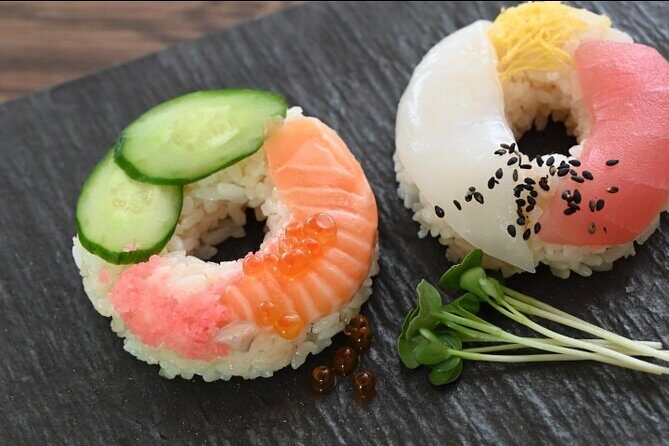
- Donut sushi: the cute, photo-friendly part you can’t skip
- Dashimaki tamago: the live cooking moment
- Samurai sword-show element: theme as entertainment
- Language support: mainly English with multilingual subtitles
- Location value: why the meeting point helps your whole day
- Price and value: is $49 fair for Tokyo?
- Who should book this (and who should consider skipping)
- A practical way to decide: make sushi, then keep exploring
- FAQ
- How long is the Tokyo Samurai Spirit sushi experience?
- Where does the experience meet in Asakusa?
- How many people are in each group?
- What sushi do I make during the class?
- Is dashimaki tamago cooked during the experience?
- Do I get to watch the chef make sushi too?
- What language support is provided?
- Are alcoholic drinks included?
- Is transportation to the venue included?
- Does the activity end where it starts?
Key highlights at a glance
- Sengoku-themed restaurant setting with armor, swords, helmets, bamboo, and torch lighting for great photos
- Hands-on sushi making that includes nigiri, rolled sushi, and a DIY donut sushi
- Dashimaki tamago performance cooked in front of you
- Samurai sword-show element built into the experience vibe
- Small group size (up to 12) for more personal coaching
- Language help: mainly English with Japanese/Chinese/Korean subtitles on monitors
Asakusa location: close to the action (and easy to find)
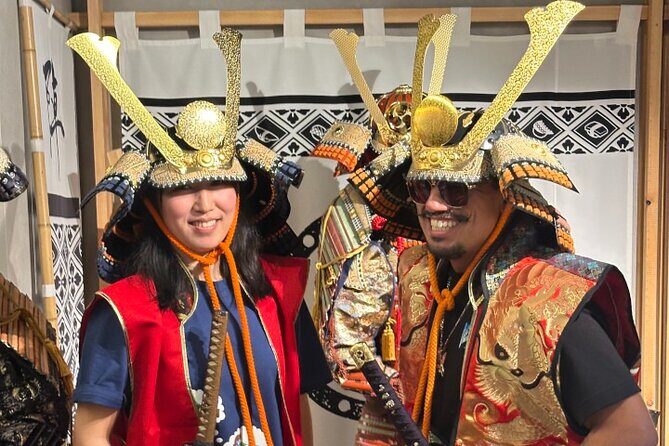
This experience is in Asakusa, one of Tokyo’s most walkable, old-meets-new neighborhoods. The start point is a short walk from Asakusa Station (about 1 minute) and about 3 minutes from Sensoji Temple. That matters because it keeps your day flexible. You can see temple sights first, then come in for your cooking session without a long commute.
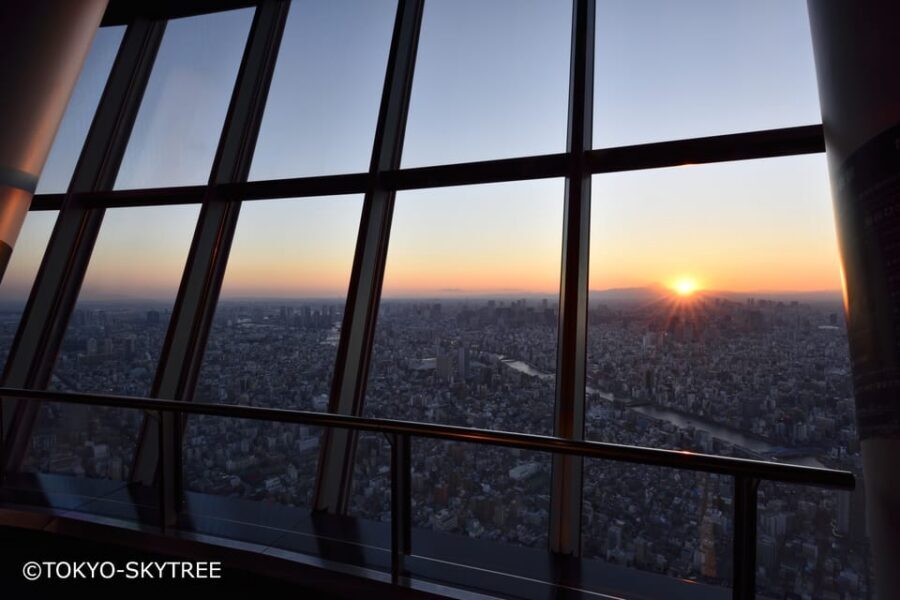
Meeting is at JIN-ASAKUSA 陣-浅草, on the 4F of CREAL Asakusa Sky View Square (address listed in the booking details). The good news is that you’re not stuck in a far-out part of town. You’re also set up for views—this location has a panoramic view of Skytree, which is a nice bonus if you time it right.
A few more Tokyo tours and experiences worth a look

Inside JIN-ASAKUSA: Sengoku décor and a show-ready atmosphere
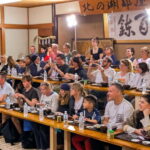
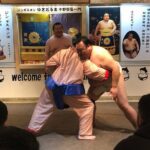
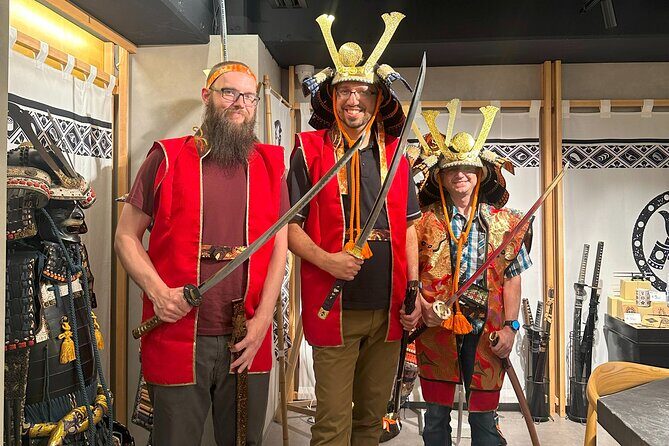
This isn’t a plain sushi counter. You’re entering a newly built Sengoku-themed space built around samurai-era imagery. Think armor, helmets, swords, bamboo, and torch-style lighting. The room is designed for photos, but it’s not just a costume room. The whole setup supports the theme while you cook and watch demonstrations.
The experience is also framed like entertainment as much as instruction. Even before you sit down, you can feel the flow: you’re there to learn sushi basics, then experience a samurai sword-show component as part of the overall presentation. Reviews highlighted the fun factor of the swords and samurai outfits, which makes sense. If you like your travel experiences to have a bit of drama and visual energy, this place delivers.
The 80-minute plan: what happens during your sushi session
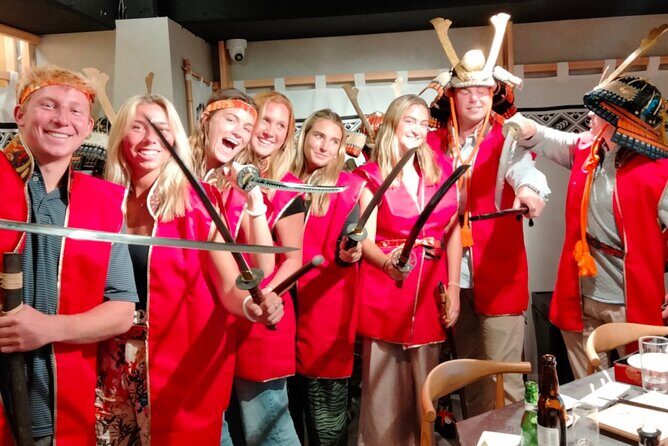
The total time is about 1 hour 20 minutes. It’s structured like a guided class with enough pacing that you’re not waiting around too long. You’ll have an interactive segment where a sushi chef directly instructs you, and you’ll also get chef-led demonstrations.
Here’s the order of what you can expect to be included in your course:
- 5 types of nigiri sushi (5 pieces) that you make
- 1 large rolled sushi that you make
- 1 donut sushi that you create and decorate
- A chef’s large rolled sushi demonstration
- Dashimaki tamago performance, where dashimaki is cooked in front of you
Then, you eat what you made. You’ll also get to enjoy the set course together, including the dessert component (dessert is noted as included as part of the course).
Because the whole thing is theme-based, the timing feels purposeful. It moves from making to watching to making again—so you’re not stuck doing only one thing for the full session. If you like having both instruction and entertainment, that balance is a big part of the appeal.
Hands-on sushi: nigiri, rolled sushi, and your donut sushi makeover
This is one of the strongest reasons to book. Most sushi experiences are either eating-only or watching-only. Here, you actually participate.
Nigiri: you’ll assemble the set pieces
You’ll learn how to create 5 types of nigiri sushi, with the course designed so you end up with 5 pieces total. Even if you’re a first-timer, the setup is geared toward getting you through the steps in a class format. The chef instructions and the interactive section help you avoid the common problem of feeling lost.



Rolled sushi: you’ll make one large roll
You’ll also make 1 large rolled sushi. In a lot of Tokyo sushi experiences, rolls are either skipped or left for demonstrations. This one gives you the hands-on role, which is more satisfying because you get to taste what you shaped.
Donut sushi: the cute, photo-friendly part you can’t skip
Then comes the standout: donut sushi. You’ll design and decorate it yourself, and it’s exactly the kind of creative food challenge that turns into a fun memory. It’s colorful, it’s playful, and it’s built for sharing.
The donut format also changes the whole vibe of the meal. You’re not just producing dinner; you’re making something you’ll be proud to photograph—while still learning how sushi gets assembled.
Dashimaki tamago: the live cooking moment
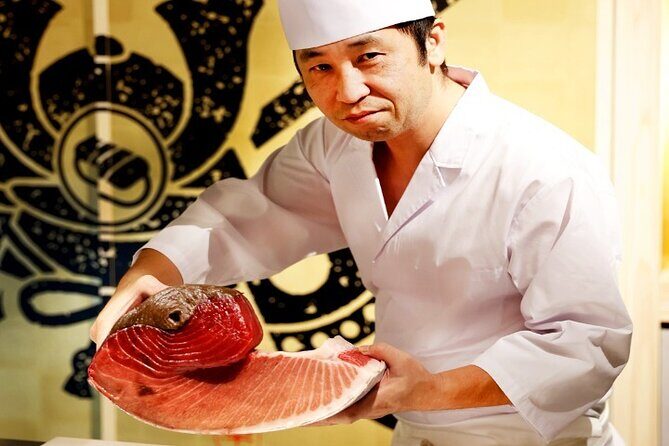
Another key feature is the dashimaki tamago performance. This is described as grilled and presented right in front of you. That matters because live cooking adds energy and attention. You get to see the process rather than just receive finished food.
It also helps break the session up. After you’ve been shaping nigiri and assembling rolls, watching dashimaki get prepared feels like a reset. You’re switching from doing to observing, but you’re still part of the experience.
Samurai sword-show element: theme as entertainment
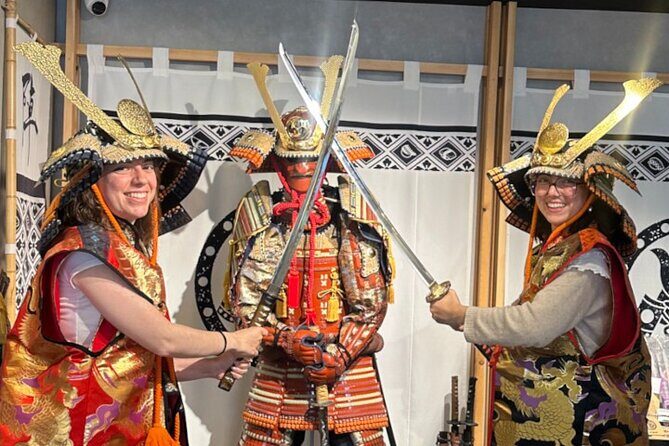
The tour’s name includes a samurai sword show, and the restaurant is decorated like a Sengoku set—so the sword element is clearly part of what you’re paying for. The details in the experience materials emphasize the atmosphere (armor, swords, swords-and-outfits visuals), and the overall presentation is structured like a themed show around your sushi lesson.
If you’re coming for culture-themed entertainment rather than a quiet, traditional meal, you’ll likely enjoy how the show blends into the dining flow.
Language support: mainly English with multilingual subtitles
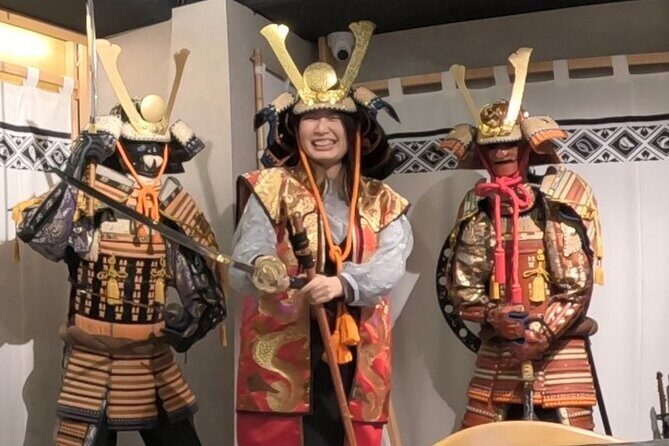
If you’re worried about ordering or understanding instructions, you’ll be relieved. Courses are conducted mainly in English, and there are subtitles on monitors in Japanese, Chinese, and Korean.
In practice, that means you can follow along even if you miss a term here and there. It also makes the interactive part less stressful. You can focus on what you need to do at the station—rather than trying to decode everything on your own.
Location value: why the meeting point helps your whole day
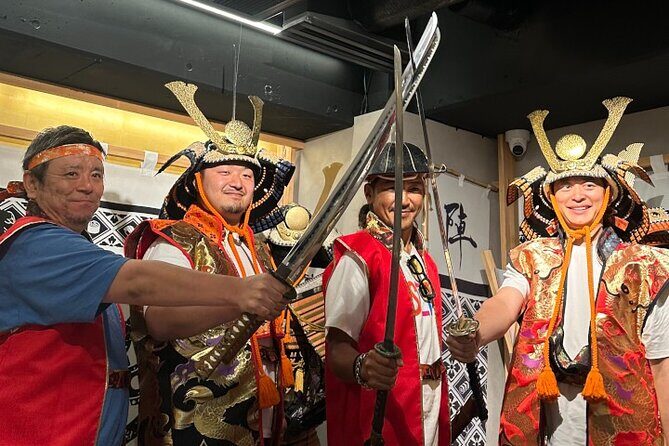
This experience is positioned so it fits naturally into a broader Asakusa visit. You’re close to Sensoji Temple, and you’re right by Asakusa Station, so you can pair the class with sightseeing without burning time in transit.
Also, since you’re in a 4F indoor restaurant with a Skytree view, it can be a smart choice if you want a sheltered activity in bad weather. Even if the weather is decent, it’s nice to have a guaranteed indoor timeline: about 80 minutes, then you’re free to roam again.
Price and value: is $49 fair for Tokyo?
At $49 per person, this is priced for a hands-on class plus entertainment in a central area. The course includes meals (meal costs, service charge, and consumption tax), and water and hot Japanese tea are complimentary. Alcoholic beverages are not included.
So where’s the value?
- You’re not just watching sushi. You’re making multiple items, including nigiri and a decorative donut sushi.
- You get chef-led demonstrations (including a large rolled sushi demo).
- You see dashimaki cooked in front of you, which adds a live element to the food lesson.
- The setting is a themed space with samurai visuals, which you could pay for separately elsewhere if you were trying to recreate the vibe.
- The group is capped at 12, meaning the class format doesn’t feel like a conveyor belt.
If your plan is already packed with Asakusa temple photos, this can be a good use of time because it adds a skill-based, memorable experience without taking over your whole day.
Who should book this (and who should consider skipping)
I think this tour is a great fit if you:
- want a hands-on food experience rather than a passive meal
- like the samurai-themed entertainment angle
- enjoy making something you can photograph, especially the donut sushi
- prefer a small group setting where you can keep up with instructions
- want language support via mainly English + subtitles
Consider skipping (or adding a food plan afterward) if you:
- expect a long, all-you-can-eat sushi experience
- don’t enjoy interactive cooking at a table
- want something purely traditional and quiet, with minimal performance elements
A practical way to decide: make sushi, then keep exploring
If you’re doing Asakusa anyway, I’d treat this as the kind of activity that gives you a story you can carry home. In about 80 minutes, you’ll combine sushi making, live cooking (dashimaki tamago), and a samurai sword-show themed presentation in a location that’s already built for walking and photos.
Book it if you want a high-energy class with clear structure and a set menu that’s designed for beginners. Pass if you’re already full on sushi or if you only want eating, no hands-on work.
If your schedule is flexible, plan to arrive a few minutes early so you can settle in before the class starts.
FAQ
How long is the Tokyo Samurai Spirit sushi experience?
It lasts about 1 hour 20 minutes (approximately 80 minutes).
Where does the experience meet in Asakusa?
It starts at JIN-ASAKUSA 陣-浅草, located at Hanakawado, Taito City, in the CREAL Asakusa Sky View Square building (4F).
How many people are in each group?
The experience has a maximum group size of 12 travelers.
What sushi do I make during the class?
You’ll make 5 types of nigiri sushi (5 pieces), 1 large rolled sushi, and 1 donut sushi.
Is dashimaki tamago cooked during the experience?
Yes. There is a dashimaki tamago performance where dashimaki is grilled right in front of you.
Do I get to watch the chef make sushi too?
Yes. You’ll have a chef’s large rolled sushi demonstration, in addition to the interactive sushi-making portion.
What language support is provided?
Courses are conducted mainly in English, with monitor subtitles in Japanese, Chinese, and Korean.
Are alcoholic drinks included?
No. Alcoholic beverages are not included. Water and hot Japanese tea are complimentary.
Is transportation to the venue included?
Public transportation to the activity venue is not included.
Does the activity end where it starts?
Yes. The experience ends back at the meeting point.
If you want, tell me your travel dates and whether you’re going with kids or picky eaters, and I’ll suggest the best time of day to fit this into an Asakusa day.