REVIEW · TOKYO
Tokyo Spring Daytime (Cherry Blossom) Food Tour
Book on Viator →Operated by Arigato Japan KK · Bookable on Viator
Cherry blossoms feel different in Tokyo when you’re not fighting crowds. This Yanaka daytime tour mixes hanami planning with local food, a light walk, and a guide who knows where the season actually shows up.
Two things I really like: first, the guide-led route takes the guesswork out of spotting the best blooms, including a real hanami stroll experience. Second, the food part isn’t just token snacks; you get tea, sake, sweets, and regional bites built into the walk.
One thing to consider: the tour runs on good-weather conditions, and it’s active enough to matter if you’re dealing with mobility limits, since the walking is light to moderate but still continuous.
In This Review
- Key highlights worth showing up for
- Why Yanaka works so well for hanami
- Starting at Coffee Room Renoir Nippori Yanaka: a calm, local kickoff
- The hanami stroll in Yanaka Cemetery: where guidance really matters
- Temple stop and an art-studio moment: spring sightings with depth
- Yūyake Dandan and the walk-to-views rhythm
- Yanaka Ginza shopping street: snacks, browsing, and a sake tasting
- What you actually eat and drink (and why it’s good value)
- Pace, group size, and comfort: the practical side
- Guides that make the day: Kay and Wesley as examples
- Price and bookings: judging whether $224 makes sense for you
- Who this tour suits best (and who should rethink it)
- A few smart tips to get more out of your day
- Should you book the Yanaka cherry blossom food tour?
- FAQ
- How long is the Tokyo Spring Daytime (Cherry Blossom) Food Tour?
- What time does the tour start, and where does it meet?
- Is hotel pickup and drop-off included?
- Is the tour friendly for vegetarians or pescetarians?
- What is the age requirement for the sake tasting?
- Are kids allowed on the tour, and do they need documents?
Key highlights worth showing up for
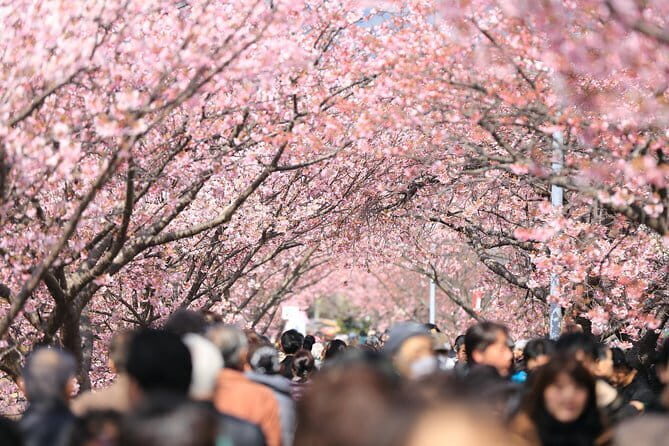
- Yanaka neighborhoods and old-town Tokyo vibes with local history in the background
- Local hanami spotting advice so you’re not wandering for the perfect photo spot
- Tea + sake + sweets + snacks included, not just one stop with food
- Small groups (max 10), which makes questions easy and pacing more comfortable
- Coffee shop, cemetery, temple-area stops, and Yanaka Ginza in one efficient 2.5-hour loop
- Vegetarian/pescetarian friendly options, with guides willing to work with needs
Why Yanaka works so well for hanami
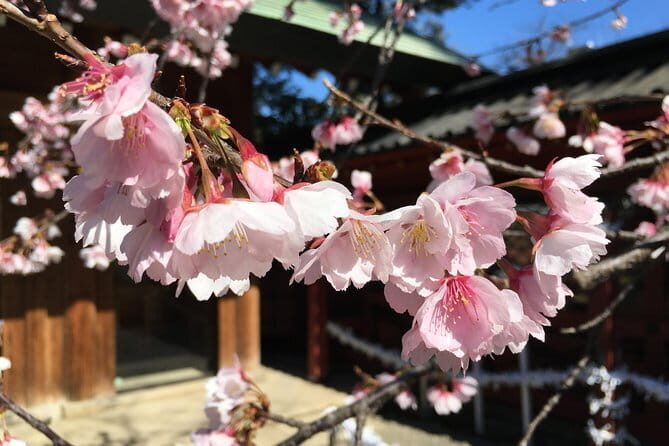
If you’ve only seen cherry blossoms from the “big hits,” Yanaka can feel like the quieter, more lived-in Tokyo version. It’s the kind of area where you can experience spring without the constant churn of tourist crowds.
This tour leans into that. You’re walking through classic neighborhood pockets, plus key viewpoints where locals go when they want blossoms with atmosphere. The guide also ties it to history—so the scenery feels more meaningful than just pretty branches.
And because the route is planned, you avoid the biggest hanami headache: spending your limited spring hours searching map pins instead of enjoying the season.
You can also read our reviews of more food & drink experiences in Tokyo

Starting at Coffee Room Renoir Nippori Yanaka: a calm, local kickoff
You meet at Coffee Room Renoir Nippori Yanaka, in Yanaka’s home-town zone near Nippori. The vibe here matters because it’s not a chaotic “tour bus start.” You get oriented, then you head into the older-feeling streets.
This first stop also sets expectations: you’re about to do a walk that’s light to moderate, not a long grind. The pacing is friendly, and it’s a good match if you want cherry blossoms and snacks but don’t want to wreck your day.
From there, the tour quickly moves from coffee-shop calm into the kind of streets Tokyo residents actually use day to day.
The hanami stroll in Yanaka Cemetery: where guidance really matters
One of the best parts of the experience is the Yanaka Cemetery stop, where you get a genuine hanami stroll guided by someone who’s practiced at reading the season. Cherry blossom timing is tricky. Even if you’re in the right city, blooms can be slightly early, late, or turned toward the wrong angle for photos.
A guide helps you avoid that problem by pointing you toward spots to look for and explaining how locals think about the walk. This is where the “local expertise” part isn’t marketing fluff—it changes where you spend your time.
Expect the atmosphere to be different from the usual photo spots. It’s more reflective, more slow-paced, and it gives your eyes a break from the usual Tokyo pattern of constant motion.
Temple stop and an art-studio moment: spring sightings with depth
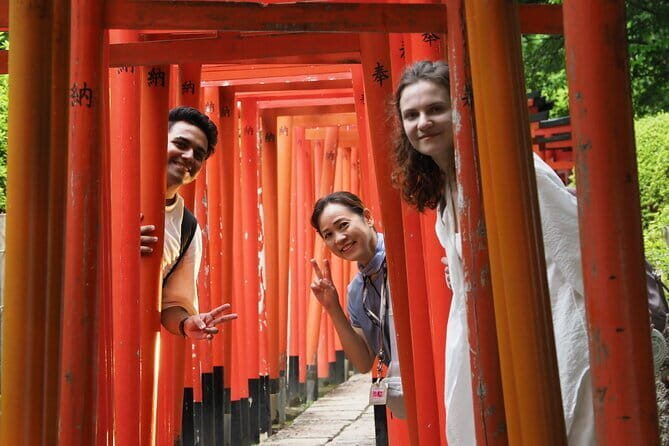
The route continues to Tennō-ji and then Yūyake Dandan. Even without turning it into a “temple tour,” these stops add texture to the day. You’re watching blossoms in the context of religious and neighborhood spaces, which makes spring feel woven into everyday life.
The tour also includes an art-studio stop somewhere along the way, which I appreciate because it breaks the food-only rhythm. In practice, it’s a chance to slow down and see a side of the area that isn’t purely sightseeing.
If you like travel days that mix “what you see” with “how people live,” these stops give you that balance without turning it into a lecture.
Yūyake Dandan and the walk-to-views rhythm
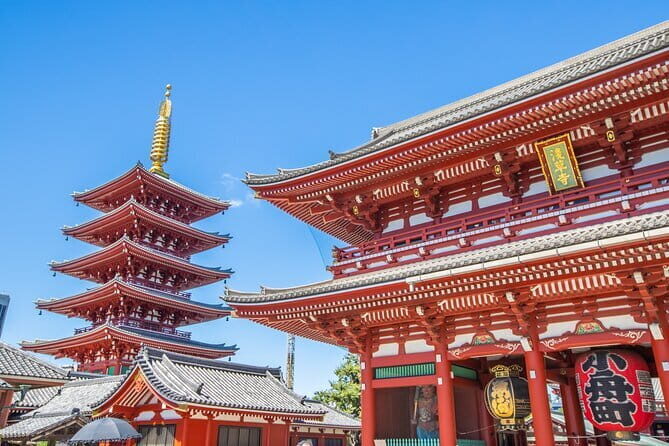
Yūyake Dandan is the kind of place where the movement matters. The name hints at evening views, and even if you’re not doing sunset, the stretch gives you a change in perspective and a natural place to pause.
This matters because cherry blossoms are not only about standing still and snapping photos. The best viewing often happens as you move—angles shift, branches frame street corners, and you notice how the neighborhood sits around the trees.
The walking is still light to moderate, so you shouldn’t feel like you’re hiking. But you do want to wear shoes you’re comfortable in for a sustained stroll.
A few more Tokyo tours and experiences worth a look



Yanaka Ginza shopping street: snacks, browsing, and a sake tasting
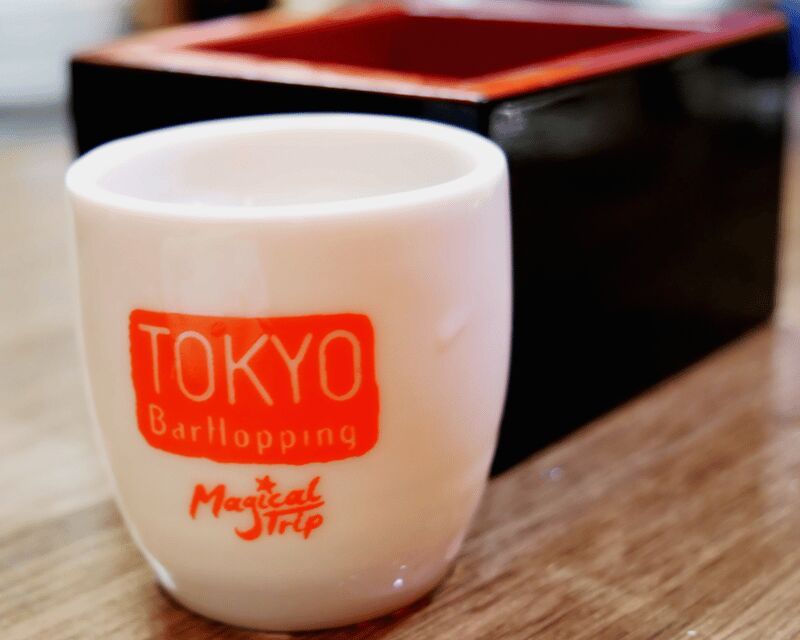
The final featured food stop is Yanaka Ginza Shopping Street, where you’ll try local snacks and enjoy a sake tasting (with other beverage options available). This is a smart place to end because it’s both practical and fun.
Practically: you get your tastings after you’ve built up an appetite from walking. Fun-wise: shopping streets are where you see daily Tokyo—small shops, everyday rhythms, and little foods you can’t easily recreate at home.
You can browse as well, which is useful if something catches your eye. If you’re the type who likes to bring back a couple edible souvenirs, this is where you can start planning what you’d actually buy later.
One key note: the tasting is age-restricted. The minimum drinking age is 21, so if you’re traveling with teens, they’ll need non-alcohol options.
What you actually eat and drink (and why it’s good value)
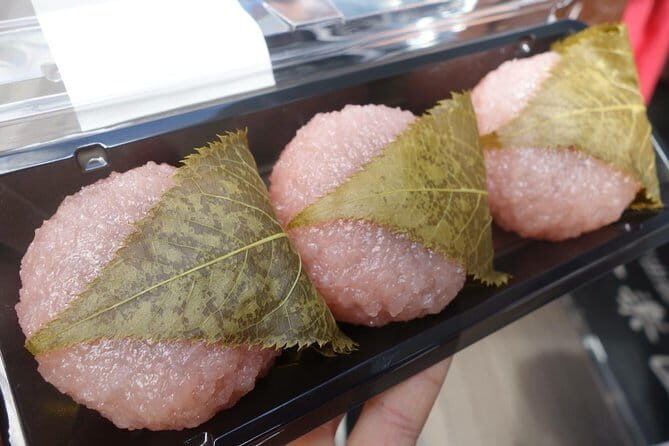
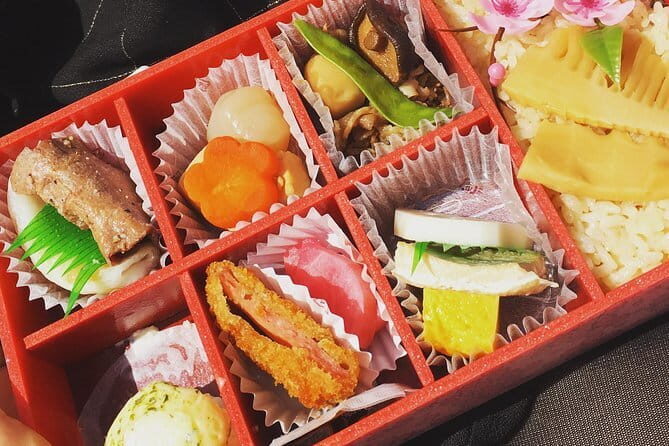
This tour includes regional lunch, local snacks, and Japanese desserts, plus tea and sake tasting. In other words, you’re not paying for a “food taste sampler” that barely touches real meals.
For $224, the value comes from the mix of items and the fact that it’s spread across the walk. You’re paying for:
- guided routing (so you don’t waste time hunting for blooms),
- multiple eating moments (not just one stop),
- and a local guide who helps you connect blossoms to place and story.
Also, at least some stops are marked as free admission tickets (for example, the coffee-room meet spot and the cemetery), which helps reduce the hidden cost burden on the day.
If you’re trying to squeeze cherry blossom sightseeing into a schedule that’s already packed, having lunch and snacks handled saves you real time.
Pace, group size, and comfort: the practical side
This is a 2 hours 30 minutes walking tour, with a maximum of 10 travelers. That small group size is more than a nice-to-have. It typically means you get enough space to ask questions and adjust your pace without feeling like you’re being dragged by a big herd.
The walking level is described as light to moderate, which makes it a solid choice if you don’t want a “serious workout” but still want to get outside and explore.
And because it’s a mobile ticket format and near public transportation, it’s easy to manage on a day when you’re also dealing with spring crowds and station navigation.
Guides that make the day: Kay and Wesley as examples
In the feedback, guides like Kay and Wesley come up for a reason: they’re described as energetic, highly informed, and good at adapting when weather or guest needs shift.
That adaptability is a big deal on cherry blossom days. Blooms depend on timing, and spring weather can swing quickly. Even when the day doesn’t cooperate fully, a guide who can adjust keeps the tour from turning into a stressful scramble.
If you care about more than photos—like learning how to ask better questions in Japan or understanding why certain areas matter—this is the kind of tour format that helps.
Price and bookings: judging whether $224 makes sense for you
$224 per person isn’t a bargain, but it also isn’t priced like a luxury private guide. The question is whether you’re buying three things you’d otherwise pay for:
1) time saved finding hanami spots,
2) a real set of food and drinks included,
3) a small-group guide to connect the neighborhood to what you’re seeing.
If you’re traveling with a tight schedule (or you’re not in Tokyo for long), paying to have the day planned can be a smart trade. Especially during cherry blossom season, the “cost” of getting it wrong is usually time, not money.
Also, the tour is booked about 112 days in advance on average, which tells you it’s popular when blossoms are in season. If you’re set on cherry blossom dates, booking earlier gives you more options.
Who this tour suits best (and who should rethink it)
This tour is a good fit if you want:
- hanami guidance without spending hours researching,
- neighborhood atmosphere in Yanaka (not the biggest, busiest landmark loop),
- included tea, sake, sweets, and snacks plus a regional lunch,
- a manageable walk.
It may not be ideal if you’re looking for a long, independent day with lots of free wandering. You’ll have shopping time, but the overall structure is planned to maximize efficiency in a short window.
If you’re traveling with kids, it’s family-friendly, but remember children must be accompanied by an adult, and kids 10 and above require a passport information copy.
A few smart tips to get more out of your day
- Wear comfortable shoes. Even “light to moderate” walking adds up fast when you’re stopping for photos.
- If you drink alcohol, plan for the sake tasting with the 21+ rule in mind. Use the non-alcohol options if needed.
- If you have food needs, this format tends to work best when you communicate them clearly so the guide can adjust the experience.
- Build a little buffer into your day around the meet time (it starts at 11:00 am), since stations and spring crowds can make timing feel bigger than it is.
Should you book the Yanaka cherry blossom food tour?
I’d book it if you want a cherry blossom day that feels local, eats well, and removes the stress of figuring out where to go. The biggest win here is the combination: hanami expertise + neighborhood walking + included food in a small group.
Skip it if you already love planning routes, you’re confident about finding hanami spots on your own, and you’d rather use your money for independent meals and flexible wandering.
If you’re torn, here’s my rule of thumb: if spring days in Tokyo tend to feel too busy for you, this tour is a practical way to get the magic with less friction—and you’ll end the day fed, not just flowered.
FAQ
How long is the Tokyo Spring Daytime (Cherry Blossom) Food Tour?
It’s about 2 hours 30 minutes.
What time does the tour start, and where does it meet?
It starts at 11:00 am at Coffee Room Renoir Nippori Yanaka in Yanaka (Taito City). The tour ends in the Nippori Station area.
Is hotel pickup and drop-off included?
Hotel pickup and drop-off is included if you select that option.
Is the tour friendly for vegetarians or pescetarians?
Yes. It’s listed as vegetarian and pescetarian friendly.
What is the age requirement for the sake tasting?
The minimum drinking age is 21.
Are kids allowed on the tour, and do they need documents?
Children must be accompanied by an adult. For kids age 10 and above, a copy of passport information is required.