REVIEW · KYOTO
4 hours private tour of Kyoto
Book on Viator →Operated by conectar.kyoto · Bookable on Viator
Kyoto in four hours needs a plan. This private tour works because it’s made to match your interests, with a guide who translates so you’re not stuck guessing what you’re seeing. I also like that entrance fees are handled for key stops, so your day runs smoothly. One real drawback to consider: like any private booking, it depends on the guide showing up, and there’s at least one reported no-show situation tied to this experience.
On the ground, the mix makes sense for first-timers and time-crunched travelers: quiet temple calm at Tofuku-ji, the famous torii-gate walk at Fushimi Inari-taisha, and then classic Kyoto street time in Gion. In the feedback you’ll find a recurring theme about the guide—many notes highlight a guide named Ryo as upbeat, easy to talk to, and fluent in English, with a sense of humor that keeps the walk moving.
You should also know the tour ends in Gion, not back at Kyoto Tower, and transportation costs aren’t included. That means you’ll want to plan how you’ll get around before the start time, then decide what you’ll do after (dinner, a stroll, or a second stop on your own).
In This Review
- Key points worth knowing before you go
- Why a 4-hour private Kyoto day beats a rigid coach loop
- Starting at Kyoto Tower: your day begins near public transit, and ends in Gion
- Tofuku-ji Temple: Buddhist calm and a Zen garden hour
- Fushimi Inari-taisha: torii gates, Shinto meaning, and walking at your pace
- Gion district in 30 minutes: old-street vibes plus food and teahouse atmosphere
- Yasui-Konpiragu: a quick shrine detour near Gion you can actually enjoy
- Price and logistics: what $130 buys you, and what you still pay for
- Guide quality: Ryo’s humor, English, and side-street instincts
- Who this private Kyoto tour suits best
- Should you book this private Kyoto 4-hour tour?
- FAQ
- How long is the private Kyoto tour?
- Where does the tour start and end?
- What’s included in the price?
- Are entrance tickets included?
- Is this tour private?
- Will I have language support?
- Is transportation included?
Key points worth knowing before you go
- Private and flexible: you can tailor what you see and how the day flows.
- Translation included: a guide helps you understand what you’re looking at, not just where to walk.
- Tofuku-ji ticket included: one paid temple stop is covered in the price.
- Fushimi Inari time is long: you get about 1.5 hours where you can move at your own pace.
- You finish in Gion: great for continuing to food and evening atmospheres without backtracking.
- Transportation is on you: plan for transit or taxi costs since it’s not included.
Why a 4-hour private Kyoto day beats a rigid coach loop
Kyoto can chew up time fast. Bus routes and pre-set schedules are great when you want to hit big sights quickly, but they can also make you feel rushed in places that reward slow walking.
This experience is built around the opposite idea: you get a private guide and the freedom to adjust the plan. That matters in Kyoto, where the difference between a memorable hour and a forgettable one is often how much you understand what you’re seeing—and whether you’re walking when the light feels right.
I like the “translator in your pocket” setup. Instead of silently wandering temple grounds, you can ask why something exists, what a symbol means, and what to notice as you go.
The main tradeoff is cost versus logistics. A private guide isn’t cheap, and you still handle getting between points since transportation fees aren’t included. If your group is small, the value can swing based on whether you’d otherwise hire separate guides or pay admission anyway.
You can also read our reviews of more private tours in Kyoto


Starting at Kyoto Tower: your day begins near public transit, and ends in Gion
The tour starts at Starbucks Coffee in the Kyoto Tower Sando area. It’s an easy landmark—helpful in a city where “Meet by the bridge” can turn into a scavenger hunt.
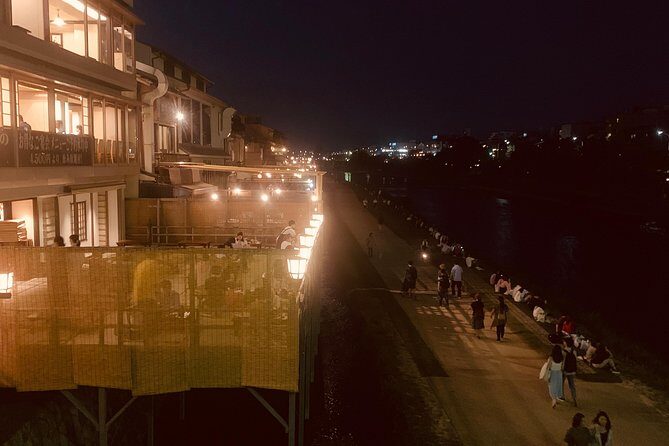
From there, you’ll move through a classic Kyoto route pattern: south-side temple time, then north-side torii gates, then back toward eastern Kyoto for Gion. Even if you don’t love planning, ending in Gionmachi Minamigawa is a smart payoff. It puts you near where people actually eat and stroll at night.
One practical thing: the end point means you might not want to book anything right after that relies on being back near your hotel. Build in time to walk, grab food, or ride transit from Gion onward.
Also, since the guide and tickets are included but travel costs aren’t, I suggest you keep a little cash or a transit card ready for trains/subways/taxis. Kyoto is convenient—just not free.
Tofuku-ji Temple: Buddhist calm and a Zen garden hour
Tofuku-ji is the kind of stop that balances out the more famous, louder sights later. You’re here for about one hour, and the admission ticket is included.
What makes this temple time worth it is the mix of Buddhism context and a calmer pace. You’ll get a chance to slow your brain down, look at the zen garden setup, and learn how the temple’s spiritual focus shaped how people experience the grounds.
In a place like Kyoto, it’s easy to spend all your time chasing “the famous photo.” Tofuku-ji is a better choice if you want to understand the “how” and “why” behind the design instead of just ticking off a landmark.
A small consideration: temples always reward comfortable walking shoes. Even if your pace is relaxed, you’ll likely cover enough ground that stiff footwear can turn “peaceful hour” into “why do my feet hate me?”
Fushimi Inari-taisha: torii gates, Shinto meaning, and walking at your pace
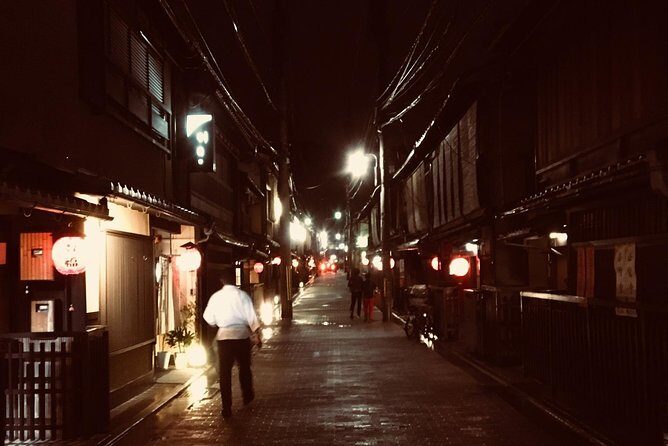
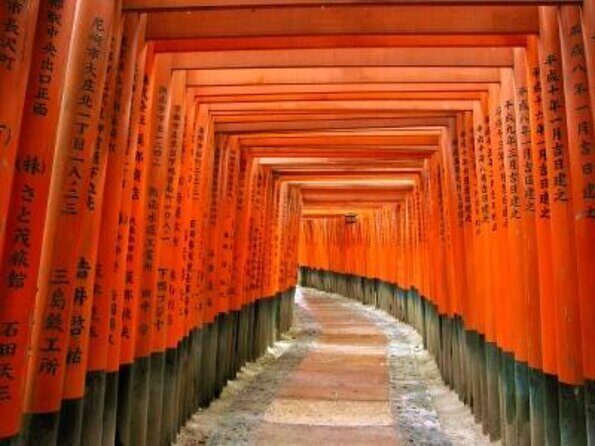
Then comes the big one: Fushimi Inari-taisha and its famous corridor of torii gates. You’ll have about 1 hour 30 minutes, and admission is free for this stop.
The gates aren’t just scenery. This is where you get a clear explanation of the Shinto religion connection—so the walk feels purposeful rather than like you’re moving through an Instagram tunnel.
Here’s the practical value of the private format: you can control how much of the torii-gate route you walk. If you want photo breaks, ask for them. If you want to slow down and read what matters, you can.
If you prefer fewer crowds, you can also time your walking choices with your guide’s input. The tour’s flexibility is the point here. A fixed group schedule often pushes everyone forward at the same pace, but torii gates don’t work well for everyone in lockstep.
One more thing to plan for: this is an area where stairs and uneven ground can happen. Wear shoes that let you move confidently, and bring a light layer if it’s cool or windy. Torii gates look dramatic in all seasons, but your body still needs comfort.
Gion district in 30 minutes: old-street vibes plus food and teahouse atmosphere
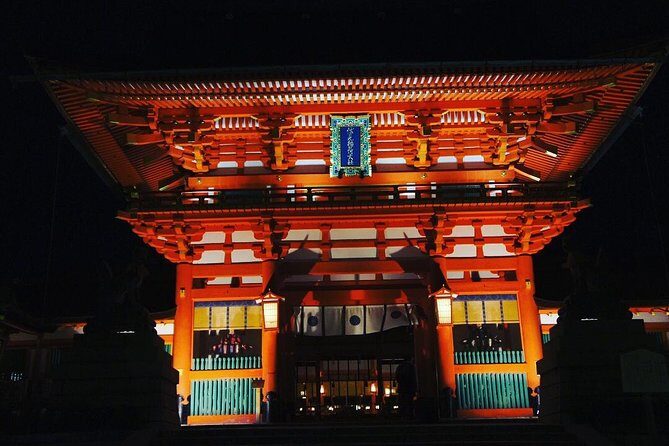
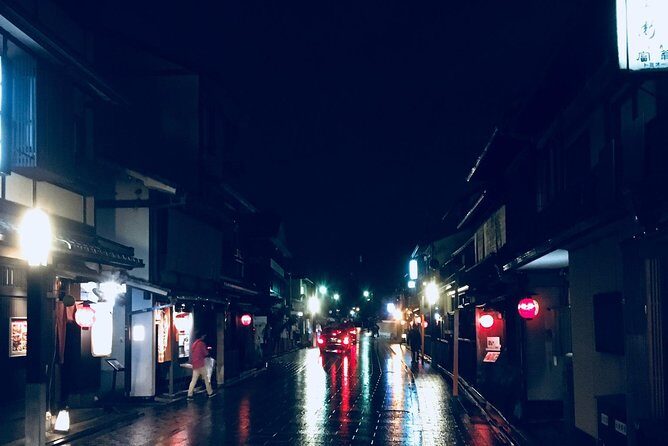
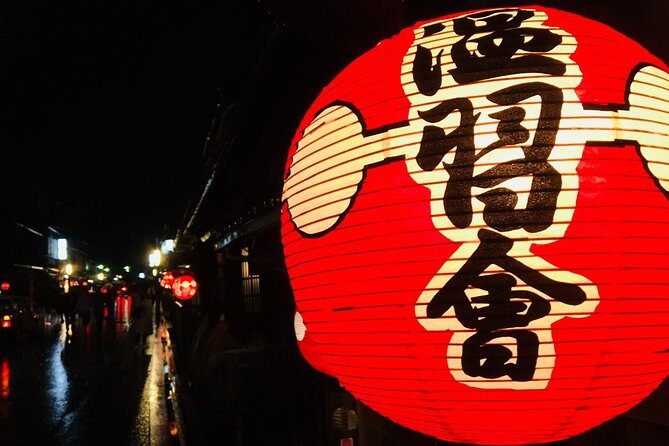
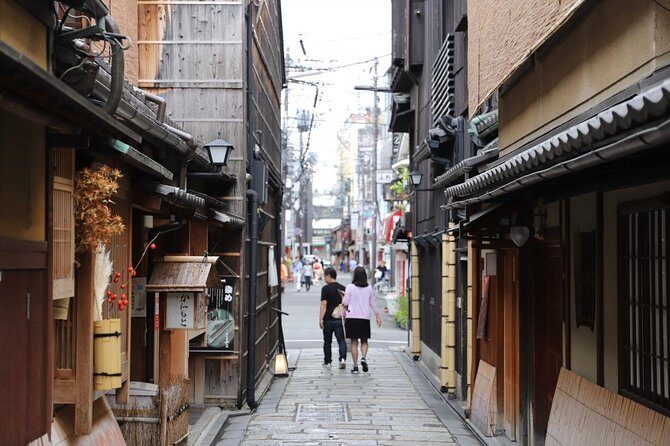
After the torii gates, you shift gears into Gion, with about 30 minutes to wander the area. This stop is free, and it’s designed for street-level Kyoto—restaurants and teahouses lining the streets, plus the feeling of old neighborhoods you only get by actually walking them.
In half an hour, you won’t “solve” Gion. But you can absolutely get your bearings. A private guide helps you spot the details you might miss if you’re just scanning for the next photo angle.
I like this timing for two reasons. First, it balances your day so you’re not temple-heavy the whole time. Second, it gives you the right amount of time to set up your next move—dinner, dessert, or a longer wander after the guide leaves.
If you’re hoping for a very specific experience (like a particular kind of performance or a once-in-a-lifetime street moment), don’t count on it from any single short stop. But you can expect the neighborhood’s atmosphere to do its job.





Yasui-Konpiragu: a quick shrine detour near Gion you can actually enjoy
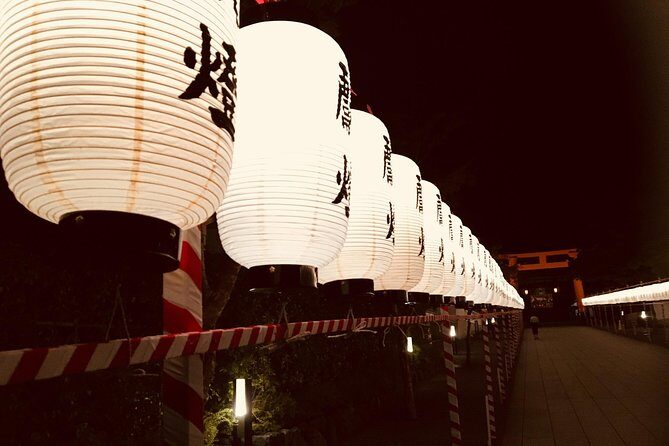
Right near Gion, you’ll make a short stop at Yasui-Konpiragu for about 20 minutes. It’s another free shrine visit, and the point is variety.
A lot of Kyoto tours end with a sudden “one more quick stop” that feels rushed. Here, you get enough time for a real look, plus a bit of surprise. It’s the kind of place that can stand out because it’s smaller and less exhausting than the big headline shrines.
This works well if you like mixing the famous with the slightly offbeat. You’ll come away with a wider sense of what Kyoto worship and street culture look like beyond the most photographed locations.
Since it’s a short visit, keep an eye on your energy and weather. If you’re tired, this is exactly the sort of stop where you should tell your guide to slow down or shorten the walking path.
Price and logistics: what $130 buys you, and what you still pay for
The tour is listed at $130 for about 4 hours. For private tours, that price can feel either reasonable or steep depending on your group size and what you’d have paid anyway.
Here’s the good news for value: guide fee and entrance fees are included for the shrine or temple stops. That means Tofuku-ji’s admission is covered, and the other main stops on your route don’t cost admission on your side.
The main cost you may still face is transportation. Transportation fee isn’t included, so your rail/subway/taxi plan is on you. That’s normal for private tours, but it’s still a real budget item in Kyoto.
Also, you’ll get a mobile ticket, and you should receive confirmation within 48 hours of booking, based on availability. If your schedule is tight, that confirmation timeline matters.
Bottom line: this price is best when you want a guide-led day with translation, not just a walking map. If you’d be happy with a self-guided route and your own phone app, this is less of a deal. If you want explanations and pacing control, it’s closer to a bargain.
Guide quality: Ryo’s humor, English, and side-street instincts
One of the most consistent themes in the feedback for this experience is the guide’s personality. A guide named Ryo comes up repeatedly, described as full of energy, easy to talk to, and good at making the walk feel fun.
That matters more than people think. Kyoto is dense with meaning, and a good guide helps you translate what you see into something you can actually remember. It also helps that multiple notes mention strong English and a sense of humor. Humor is underrated when you’re walking a lot.
Some feedback also connects the guide to showing food and coffee options, plus pointing out places to see geisha and other Kyoto details. Even if your day stays focused on the main shrines, those “what to do next” tips can turn a short tour into a full day.
One caution, and I’ll say it plainly: there is at least one serious report of a no-show situation. You can’t eliminate that risk in any private service. What you can do is treat the day like a smart traveler: confirm the meeting instructions clearly, keep your contact info handy, and build a little buffer so you’re not stuck if plans wobble.
Who this private Kyoto tour suits best
This experience is a strong match for:
- First-time Kyoto visitors who want the big icons without feeling lost
- Small groups that want a tailor-made route instead of a bus-group rhythm
- People who care about understanding religion and symbolism, not just photos
- Travelers who want to finish in Gion so the evening is easy
It may not be the best fit if:
- You hate private-guide costs and would rather self-guide
- Your schedule is so rigid you can’t take a little flexibility from the guide
- You need to be back at your hotel right after the tour ends (because it ends in Gion)
If you’re traveling with kids, a private guide can help keep everyone engaged, but the walking pace is still your responsibility. If you want extra downtime, you’ll want to tell the guide early.
Should you book this private Kyoto 4-hour tour?
I’d book it if your goal is a guided Kyoto day with translation and a route that makes sense—temple calm, torii-gate wonder, then Gion street time. The fact that key admissions are included helps your budget, and the private format gives you control over pacing.
I would think twice only if you’re extremely sensitive to timing risk, since there’s at least one serious no-show report in the record. If that’s a concern, do two things: confirm meeting details clearly before you go, and don’t plan anything right at the exact end time that could collapse if the day starts late.
If you’re deciding between a self-guided route and this private day, ask yourself one question: do you want help understanding what you’re seeing? If yes, this is the kind of tour that makes Kyoto feel less like a checklist and more like a story.
FAQ
How long is the private Kyoto tour?
It runs for about 4 hours (approx.). You’ll also get specific time windows for each stop, such as 1 hour at Tofuku-ji and about 1 hour 30 minutes at Fushimi Inari-taisha.
Where does the tour start and end?
It starts at Starbucks Coffee – Kyoto Tower Sando in Kyoto, and it ends in Gionmachi Minamigawa, Higashiyama Ward, Kyoto.
What’s included in the price?
The guide fee is included, along with entrance fees at the shrine or temple stops covered by the tour.
Are entrance tickets included?
Tofuku-ji Temple admission is included. The other listed stops (Fushimi Inari-taisha, Gion area time, and Yasui-Konpiragu) are listed as free of admission for this experience.
Is this tour private?
Yes. It’s a private tour/activity, and only your group participates.
Will I have language support?
Yes. A private guide translates for you, so you won’t have language barriers during the tour.
Is transportation included?
No. Transportation fee is not included, so you should plan to pay for getting between stops yourself.