Kyoto’s Arashiyama, minus the stampede. This walking tour threads you through quieter paths and temple interiors with local guide Yusuke Tanaka, so you get the real feel of the area instead of only the busiest viewpoints. I especially like how the route is built for calm pacing, with photo stops that don’t feel rushed.
Two highlights for me: the black wooden torii at Nonomiya Shrine and the chance to slow down around the bamboo soundscape with Yusuke helping with photos. The main drawback to consider is physical comfort: it’s about 3km of walking in total, and you’ll remove your shoes at two temples, so plan for warm weather and a bit of steady strolling.
In This Review
- Key highlights you’ll actually care about
- Why this Arashiyama walk feels calmer
- From Randen-yaJapan to Daikaku-ji: logistics that keep things easy
- Nonomiya Shrine: the black torii and moss-garden calm
- Bamboo Forest: soundscape, photos, and fewer stress moments
- Seiryoji Temple: the 1,200-year story and the Shaka Nyorai statue
- Daikaku-ji: Saga Gosho without the usual crush
- Osawa-no-ike pond: Japan’s oldest artificial pond in quiet bamboo
- Price and value: what $89 covers (and what doesn’t)
- Who this Arashiyama walking tour is best for
- Should you book this crowd-escape Arashiyama walk?
- FAQ
- FAQ
- How long is the Arashiyama walking tour?
- How much does the tour cost?
- What is included in the $89 price?
- What tickets are not included?
- Do I need to take my shoes off?
- Where do I meet the guide, and where does the tour end?
- Is there an option for The Tale of Genji?
- How many people are in a group?
- What happens if the weather is bad?
Key highlights you’ll actually care about
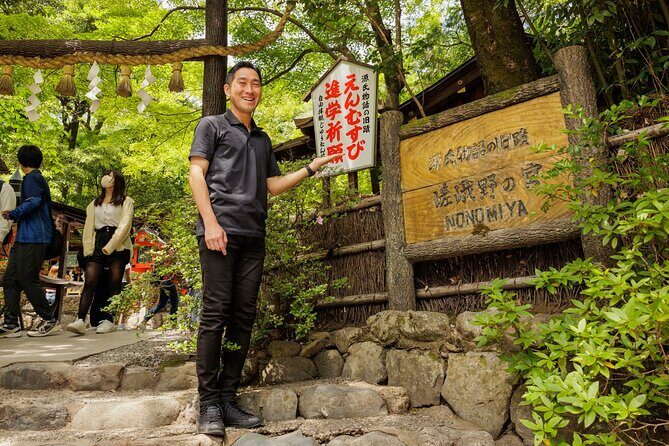
- Black torii at Nonomiya Shrine plus a moss garden and a clear, respectful way to pray
- Bamboo Forest photo time with Yusuke taking photos for you in a calmer rhythm
- Seiryoji Temple’s Shaka Nyorai statue, plus the temple’s long timeline (about 1,200 years)
- Daikaku-ji’s Saga Gosho atmosphere, a palace site feeling more open than the usual crowds
- Osawa-no-ike pond described as Japan’s oldest artificial pond and especially peaceful in bamboo
- Small group size (max 6) for comfort, not just bragging rights
Why this Arashiyama walk feels calmer
Arashiyama can be a bit of a character test: you arrive for bamboo and end up stuck in the flow of people. This tour is designed to help you experience the area at street level, with quieter side paths and fewer moments where you’re fighting for position. The vibe is relaxed, and that matters because you’ll be doing several temple stops, not just taking pictures from one spot.
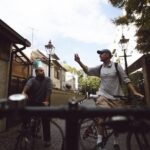
Yusuke Tanaka’s role is practical. He’s not just naming places; he helps you understand how to move through shrines and temples respectfully, so you’re not guessing. And because the group is kept to 6 travelers, it’s easier to pause, ask questions, and take your time without feeling like you’re holding up a big tour bus schedule.
The optional Tale of Genji storytelling is a nice bonus if that’s your kind of travel. You’ll still hit the same overall route either way, but the Genji option adds literary and historical context during the walk, including how many of these settings connect to the novel’s world.
You can also read our reviews of more walking tours in Kyoto

From Randen-yaJapan to Daikaku-ji: logistics that keep things easy
The tour starts at Randen-yaJapan, inside the 嵐山駅はんなりほっこりスクエア area by Sagatenryūji Station (that’s the practical reference point you want). You end at Daikaku-ji Temple, so plan your day around finishing there rather than expecting to return to the start automatically.
A big help: you’ll get a mobile ticket, which saves you from hunting for paper tickets during Kyoto’s busy hours. Also, the tour length is listed as about 3 to 4 hours, with walking time included in that total. Over the tour you’ll walk around 3km and about 55 minutes of that is walking, meaning there’s time for stops, photos, and temple etiquette moments.
Two practical notes to keep your comfort high:
- You should expect some interior time where you take off your shoes at Seiryoji and Daikakuji.
- Food options near the end point aren’t described as abundant, so if you want a snack later, bringing something is smart.
Nonomiya Shrine: the black torii and moss-garden calm
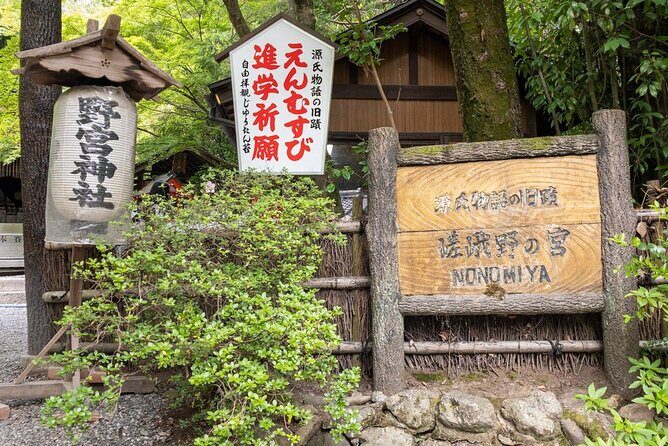
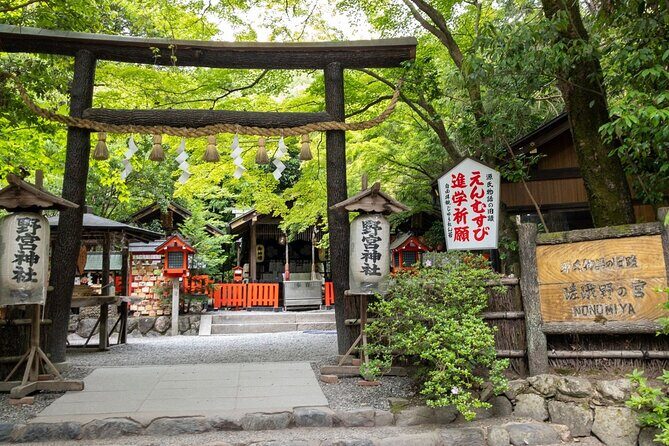
Stop one is Nonomiya Shrine, and it’s a strong way to start because it puts you in a quieter mood immediately. The headline detail is the black wooden torii gate, which is said to be rare in Japan—only two shrines have black torii gates. That alone gives you a great reason to slow down; it’s not just a pretty structure, it’s a landmark.
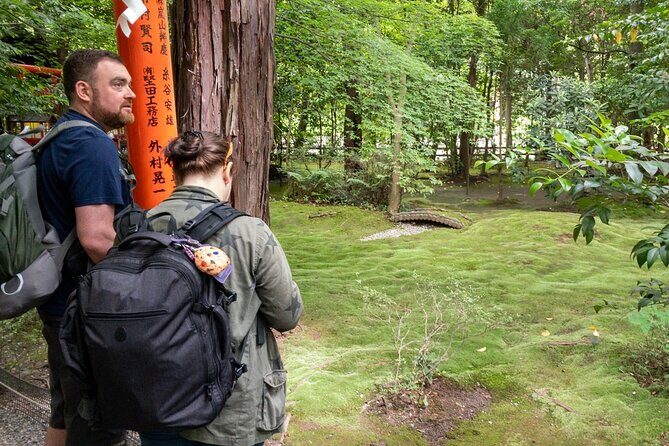
You’ll also see a moss garden, and Yusuke explains not only what you’re looking at but how to visit. That includes the general way of approaching and praying at a shrine, plus simple distinctions between shrines and temples so you know what you’re seeing instead of treating everything as interchangeable.
The time here is about 30 minutes, and it tends to work well as a mental reset. You’ll be ready for the next stop because you’re not jumping straight into the busiest bamboo area yet.
Bamboo Forest: soundscape, photos, and fewer stress moments
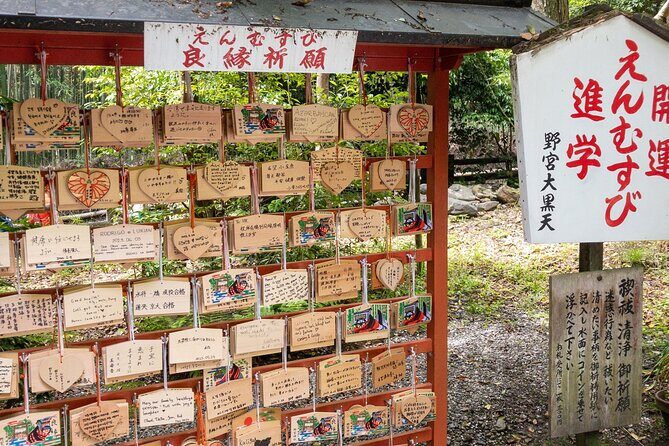
Yes, you’re going to the Arashiyama Bamboo Forest. The difference is how you experience it. This stop includes time to enjoy the bamboo and its soundscape—the way the area sounds when you’re not surrounded by people sprinting from one selfie to the next.
There’s also a dedicated photo moment, and Yusuke helps take photos for you in the bamboo. That sounds small, but it’s actually huge for practical travel: you get better framing without having to juggle a tripod or ask strangers to take a shot at the exact second the light hits.
This stop is only about 15 minutes, so you’re not stuck there for hours. You get to enjoy it, capture a few memories, and then move on while the rest of your day still feels breathable.
One consideration: because this is Arashiyama’s signature scene, it can’t be completely crowd-free. What you’re buying is the calmer flow—less time blocked in the obvious lanes, more time letting the moment come to you.
Seiryoji Temple: the 1,200-year story and the Shaka Nyorai statue
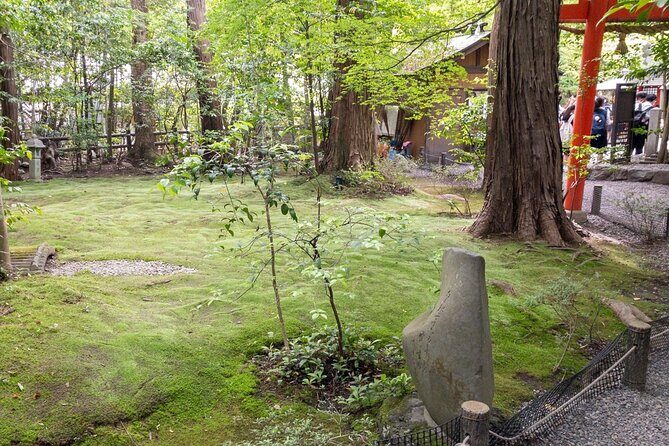
Next comes Seiryoji Temple, which shifts the experience from garden calm into deeper temple atmosphere. The tour highlights that the temple was originally built about 1,200 years ago, with the current main building around 300 years old. That timeline gives you a sense that you’re standing in a layered place, not just viewing one snapshot.
A key highlight is the Japanese national treasure mentioned on this stop: the Shaka Nyorai (Buddha) statue. This is the kind of detail that makes your visit feel purposeful. Instead of wondering what matters, you have a clear focus for your time inside.
Plan for the practical bit: you’ll need to take off your shoes to enter the temple interior. That’s easy enough, but it’s worth doing with respect—slower movements, keep track of your belongings, and dress in a way that makes shoe removal manageable.
This stop runs about 55 minutes, so you’ll have time to see, look up close where allowed, and let the explanation land.
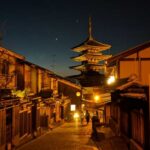
Daikaku-ji: Saga Gosho without the usual crush
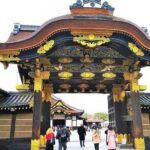
Daikaku-ji Temple is where the route leans into “calmer Kyoto” again. The tour frames Daikaku-ji as the former Imperial palace called Saga Gosho, built around 1,200 years ago. That’s not just a fun fact; it changes how you experience the grounds. You’re not only touring religious buildings—you’re walking through a palace-site atmosphere.
The main pitch here is the crowd factor. The tour emphasizes you can enjoy a traditional imperial palace feel with less congestion than you might expect in the most obvious sightseeing lanes. It’s a more spacious way to take in the history without feeling like your legs are tied to a moving sidewalk.
As with Seiryoji, you’ll remove your shoes to enter inside at Daikaku-ji. Also note that the stop is about 50 minutes, so it’s long enough to absorb the setting and not just “check the box.”
If you’re the type who likes history details that actually help you understand what you’re seeing, Yusuke’s storytelling style tends to fit. Even without the Genji option, you’ll likely come away with clearer context for why this site matters in Kyoto.
Osawa-no-ike pond: Japan’s oldest artificial pond in quiet bamboo
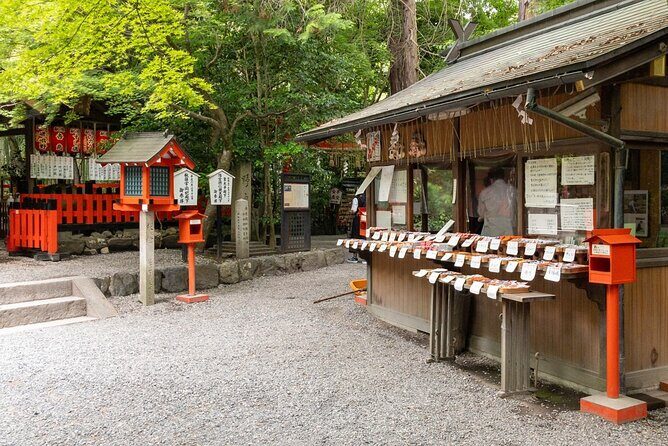
The last stop is Osawaike, tied to the Osawa-no-ike pond area. The tour describes it as the oldest artificial pond in Japan, and that detail sets expectations: you’re not only looking at water, you’re witnessing a crafted landscape built for centuries of reflection.
You’ll enjoy scenery that can change by season, and the route emphasizes a quiet bamboo forest setting around the pond. This is a great end point because the experience slows down again after the temple-focused stops. By the time you arrive, you’ve been walking and listening for a while, and the pond gives you a natural place to breathe.
Tickets for the pond/Daikaku-ji area are listed as extra. In the route details, Osawaike is listed as 300 JPY, and the overall non-included fee also references Daikaku-ji and the Osawa-no-ike pond area at a higher combined amount. Either way, it’s smart to budget for temple/pilgrimage fees on top of the tour price.
Time here is about 20 minutes, which is long enough for photos and a calm look without dragging out the day.
Price and value: what $89 covers (and what doesn’t)
At $89 per person, the core value is not just the route—it’s the guided pacing and the ability to experience smaller, quieter moments in a place that can otherwise feel overwhelming.
What you get included:
- Guiding by local Kyoto guide Yusuke Tanaka
- An original tour booklet (about 15 pages)
- Help taking good photos (Yusuke says photography is his hobby)
What you should budget extra for:
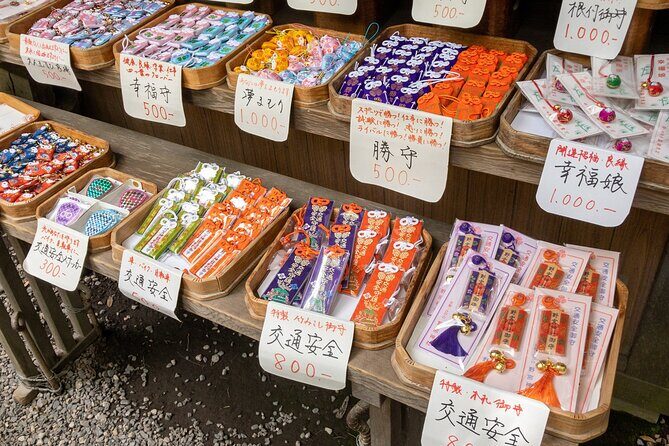
- Seiryoji Temple ticket (listed as ¥500 per person)
- Daikaku-ji Temple & Osawa-no-ike pond fees (listed as ¥800 per person)
- Osawaike pond fee is also listed as 300 JPY in the route details
- Optional Japanese snacks (about 500 yen)
- Gratitude is not included (you’ll decide what feels right)
- Insurance is not included
Here’s how I’d think about the value: if you were trying to piece this together yourself, you’d still pay entry fees, you’d still deal with shoes-off temple logistics, and you’d still be guessing where to go for quieter views. This tour turns that guesswork into a plan—and it gives you someone focused on your comfort and photos.
Also, the “mobile ticket” approach reduces friction. You spend your energy on the sights, not on ticket handling.
Who this Arashiyama walking tour is best for
This is a great choice if you want Kyoto authenticity without turning your day into a sprint. It suits people who like temples and want respectful guidance, not just sightseeing checklists. The pacing also fits travelers who enjoy a thoughtful walk—short stops, explanations, and photo time.
The Tale of Genji option makes extra sense if you’ve read the novel or enjoy literary history. The tour notes that most of the places you visit appear in The Tale of Genji settings, with the exception of the bamboo forest. If you love connecting text to place, you’ll probably appreciate the added storytelling even if you’re not a deep scholar.
Two practical fit checks:
- If you’re sensitive to heat, note the tour includes walking plus interior shoe-off moments, and it can feel like a lot on a warm day.
- If you’re hoping for a fully seated, minimal-walking outing, this probably isn’t your best match since it’s about 3km walking total.
Should you book this crowd-escape Arashiyama walk?
I’d book it if your goal is to experience Arashiyama with structure, calm, and meaningful stops. The combination of shrine etiquette at Nonomiya, bamboo photo time, and the temple highlights at Seiryoji and Daikaku-ji gives you more than one kind of Kyoto.
Skip or rethink if you want only the quickest photo hits, because the tour is intentionally paced around walking and temple entry. Also consider your comfort with removing shoes indoors at two temples.
If you’re on the fence, my simple rule is this: if you’re going to spend time in Arashiyama anyway, choose the version where someone helps you move through it thoughtfully. That’s what this tour does well, from start to the quiet finish near Osawa-no-ike.
FAQ
FAQ
How long is the Arashiyama walking tour?
It runs about 3 to 4 hours. Walking time is included in the total, and you’ll walk roughly 3km (about 55 minutes of walking during the tour).
How much does the tour cost?
The tour is listed at $89.00 per person.
What is included in the $89 price?
Included are guiding, an original tour booklet (about 15 pages), and help taking good photos.
What tickets are not included?
Tickets are not included for Seiryoji Temple (¥500 per person) and Daikaku-ji Temple & Osawa-no-ike pond (¥800 per person). Osawaike is also listed as 300 JPY for the pond.
Do I need to take my shoes off?
Yes. You have to take off your shoes to enter inside at Seiryoji-temple and Daikakuji Temple.
Where do I meet the guide, and where does the tour end?
The start is Randen-yaJapan inside the 嵐山駅はんなりほっこりスクエア area near Sagatenryūji Tsukurimichicho 202. The tour ends at Daikaku-ji Temple.
Is there an option for The Tale of Genji?
Yes. If you choose the The Tale of Genji option, the tour adds deeper literary storytelling and historical context during the walk. Both options visit the same locations, and most places visited appear in The Tale of Genji except the bamboo forest.
How many people are in a group?
The maximum group size is 6 travelers.
What happens if the weather is bad?
The tour requires good weather. If it’s canceled due to poor weather, you’ll be offered a different date or a full refund.