REVIEW · TOKYO
At an Antique Shop, Tea Ceremony and Japanese Sweets Forming
Book on GetYourGuide →Operated by Beautifuldaytours LLC. · Bookable on GetYourGuide
Tokyo has a calmer side. This tea-and-wagashi experience takes place in a 100-year-old roadside antique tableware shop, not a generic classroom, and you start by wandering the antiques before anything gets served.
I especially love the teacup choice, including cups that can be several hundred years old. I also like the hands-on Nerikiri process, where shaping colored dough feels more like careful art work than cooking drama.
One possible drawback: the host is an artisan who may not speak English fluently, so you’ll get the most out of it if you’re comfortable with simple questions and a slower pace.
In This Review
- Key Highlights You Should Know
- Inside a 100-Year-Old Roadside Antique Shop
- Why the shop setting changes the experience
- Nerikiri Wagashi: Shaping Seasonal Beauty by Hand
- What you should expect during the forming session
- The calm part
- The Tea Ceremony Room: Matcha Served with Real Conversation
- How to make the language barrier work for you
- Price and Value: What You’re Actually Paying For
- Where the value can feel uneven
- Timing, Rules, and Health Limits You Should Plan For
- Bare feet is also not allowed
- Who Should Book This Workshop (and Who Might Skip It)
- Who may not love it
- Where You Meet and How to Get There
- What You’ll Actually Walk Away With
- Should You Book This Tea Ceremony and Nerikiri Wagashi Class?
- FAQ
- How far is the meeting point from Nippori Station?
- What is the minimum age to participate?
- Is this experience wheelchair accessible?
- Do I need to speak Japanese to take part?
- What do you make in the wagashi session?
- Do you drink matcha during the class?
- Is the tea ceremony done while sitting on chairs?
- Are antique tableware purchases included?
- Can I cancel for a full refund?
Key Highlights You Should Know
- 100-year-old roadside antique shop setting, with antique tableware all around you
- Choose your own teacup, including cups described as several hundred years old
- Nerikiri (warmed mochi flour) wagashi forming like colorful clay work
- Tool-assisted finishing so you can match a seasonal design theme
- Tea ceremony in a dedicated room with chair seating, plus real matcha and the wagashi you made
Inside a 100-Year-Old Roadside Antique Shop
The setting is half the story here. Instead of sitting in a rental space, you’re stepping into a century-old roadside antique tableware shop that’s the kind of place you might miss if you didn’t have directions. It’s also the sort of location that has drawn big media attention, which makes sense once you see how the shop itself works like a stage.
Before the workshop officially starts, you’re encouraged to take your time. You’ll browse the antique tableware first, and that matters because it sets the tone: slow down, notice details, and let the space do some of the teaching. If you love objects—porcelain, utensils, old craftsmanship—this is where you’ll feel the most connection.
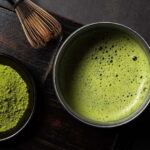
Then comes the part I think most people remember: choosing your teacup. You aren’t handed a generic cup and told to move on. You get options, and some are described as being several hundred years old. That turns a tea ceremony from a checklist activity into something more personal. Even if you don’t know the technical names for everything, you’ll feel the difference when you’re holding something special on purpose.
A few more Tokyo tours and experiences worth a look


Why the shop setting changes the experience
A tea ceremony in a random room can feel performative. Here, it feels grounded. The antique shop environment makes the ritual feel less like a show and more like a living craft happening in the real world.
Nerikiri Wagashi: Shaping Seasonal Beauty by Hand
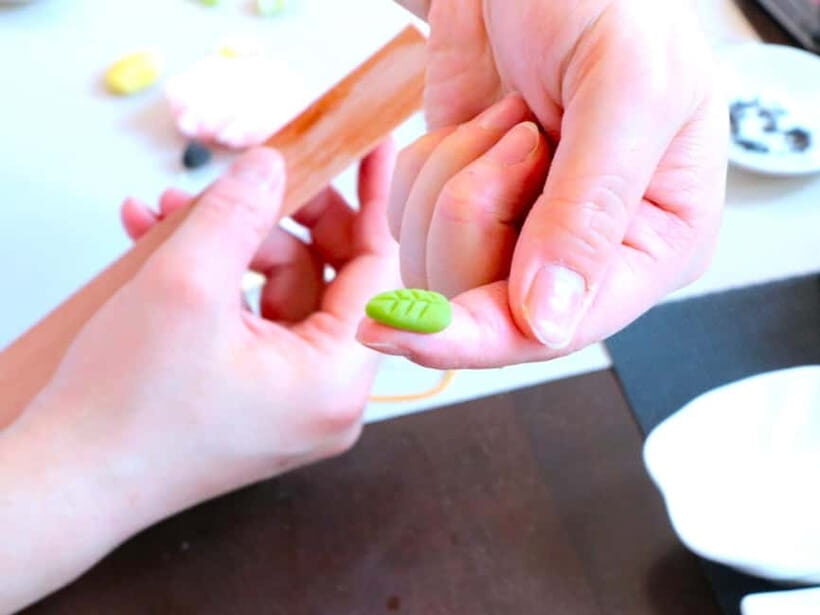
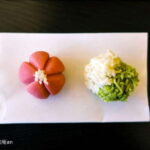
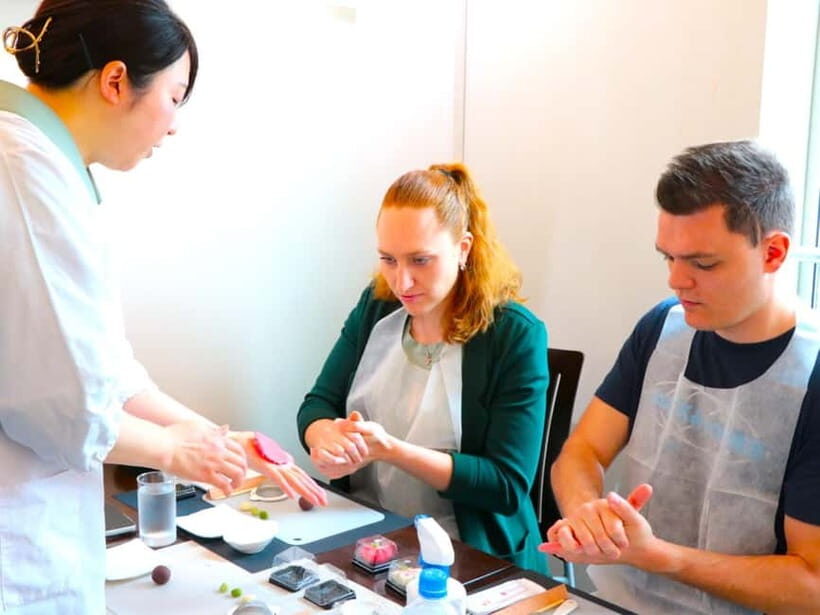
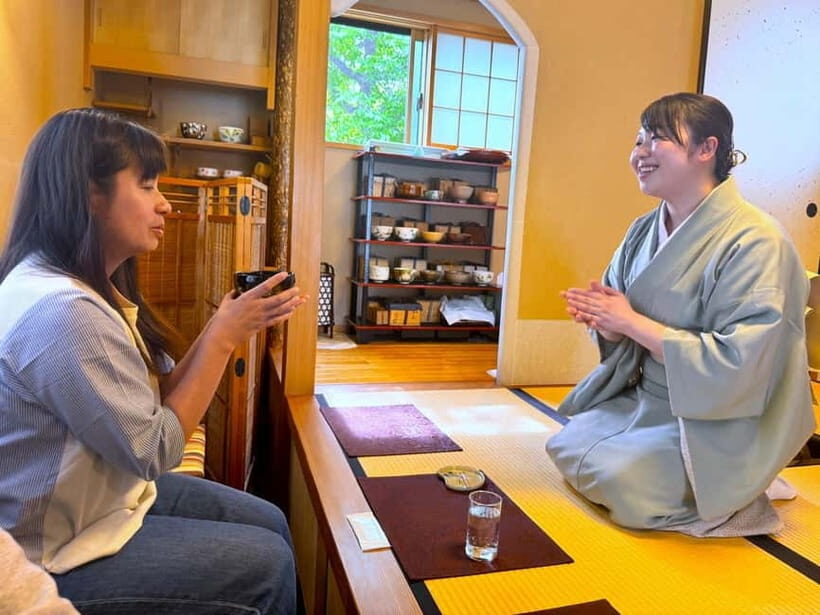
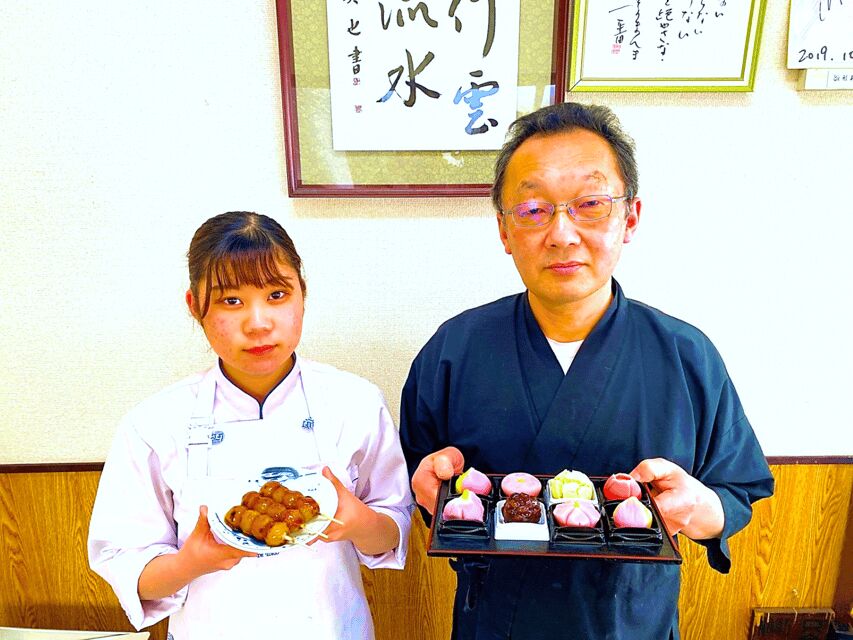
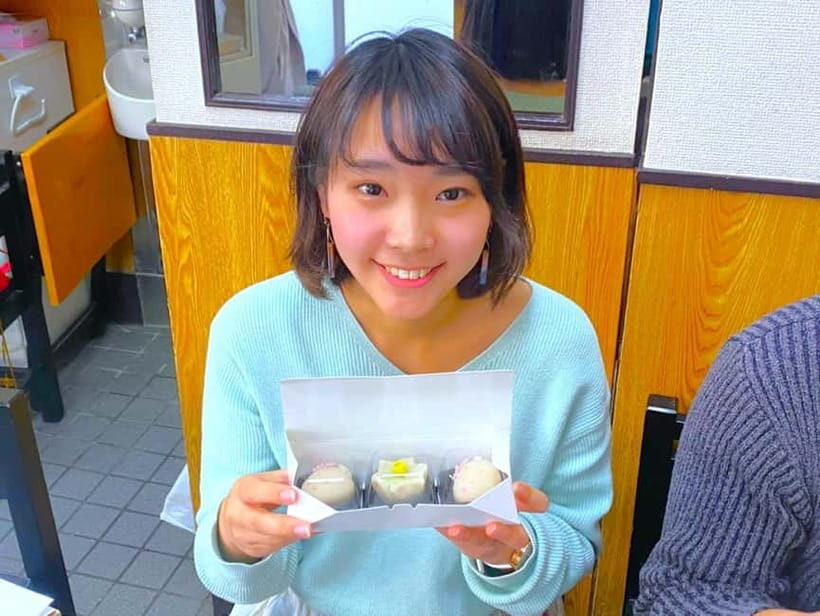
Your main hands-on session is wagashi, specifically Nerikiri, a type of Japanese sweets made with mochi flour. The workshop uses a process that’s described as easy and fun, especially for people without a cooking background. The big idea is that you form colored materials together into shapes that match the theme of the day.
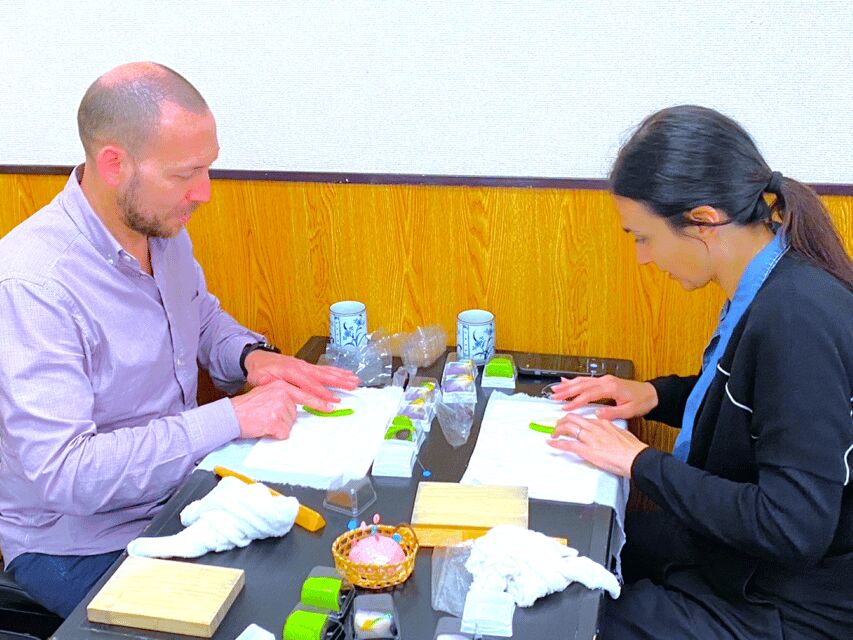
If you’ve ever done small craft projects—like shaping soft clay—this will feel familiar in the best way. You’ll work with dough-like materials, then refine by hand. And unlike arts-and-crafts where anything goes, this is still guided toward a specific outcome: delicate shape work, plus lines added with tools.
That tool step is what often separates average from memorable. You aren’t just making blobs; you’re adding features so the design reads as the intended seasonal motif. The instruction is careful, and the pace is meant to be forgiving. You can think of it as learning by doing, with enough structure that you won’t feel lost.
What you should expect during the forming session
- You’ll follow the instructor’s guidance step by step, even if you’re new to sweets making.
- You’ll use several colors and combine them to build the day’s design.
- You’ll finish with small line details so the finished wagashi looks intentional.
The calm part
One reason people rate this so highly is that it’s quiet-focus work. You’re not rushing recipes. You’re shaping slowly, adjusting details, and watching the instructor’s hands. For many visitors, that’s a rare break from Tokyo motion.






The Tea Ceremony Room: Matcha Served with Real Conversation
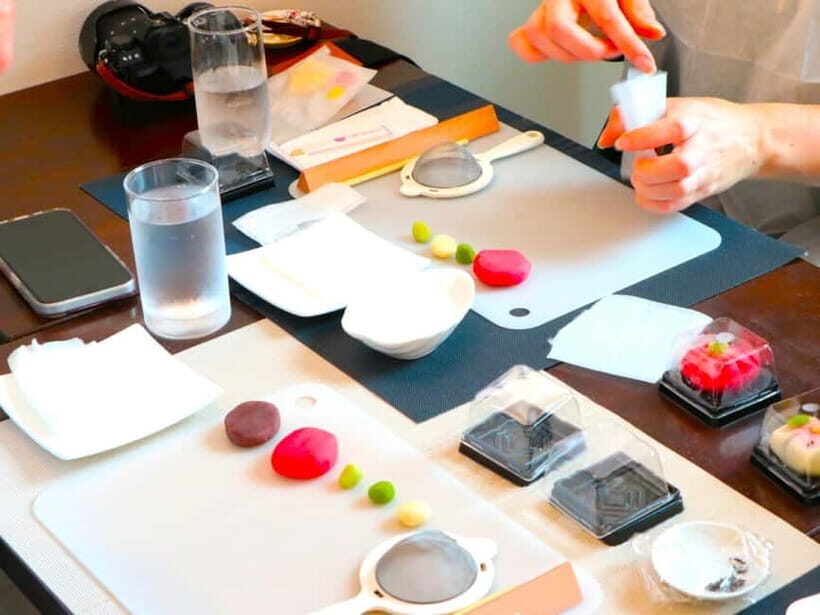
After wagashi forming, you move to a dedicated tea room for the ceremony. The description says the room is designed for you to experience it sitting in chairs, not standing and not forced into awkward angles. That sounds like a thoughtful setup for international visitors.
In the ceremony flow you’ll be served confection first—then real matcha made from powdered green tea. The wagashi you made is also part of the eating moment, so you get the full connection between sweet and ritual.
Now, here’s a key detail that can change how you feel during the tea service: the instructor is an artisan, not a commercial-style performer. In practice, that can mean the host’s English may be limited. The upside is that the exchange still works, and it can feel more human. The experience places value on talk—questions matter. The more you ask, the more the tea ceremony deepens in the moment.
How to make the language barrier work for you
You don’t need perfect Japanese. Think in terms of curiosity, not translation. You might ask simple questions like:
- how the tea is prepared,
- what the wagashi design represents,
- or what to look for in the cup and serving style.
Even if your sentence isn’t flawless, the shared focus of tea and sweets gives you natural topics. And the ceremony is built for that back-and-forth.
Price and Value: What You’re Actually Paying For
The price is $57 per person, and it’s worth evaluating based on what’s included—not just the number.
Your fee covers:
- the experience itself
- facility usage and tool usage
- the matcha and wagashi material costs
- consumption tax
So you’re paying for more than “watching.” You’re using tools, working through a guided Nerikiri process, and then drinking real matcha with the sweets that you made. Add the teacup experience—including cups described as very old—and it’s easier to see why this isn’t just another cookie-cutter class.
Also, there’s an option for antique lovers: you can purchase antique tableware from the shop if you want. That isn’t required, but it adds an extra layer to the value if you truly connect with the objects.
Where the value can feel uneven
If you mainly want a quick photo stop and don’t care about craft or tea etiquette, you may feel like your money is going to instruction-heavy moments. But if you enjoy patient, hands-on cultural time, the price maps well to what you do.
Timing, Rules, and Health Limits You Should Plan For
This isn’t a “show up whenever” kind of workshop. If you arrive late, the activity ends as originally scheduled. So you’ll want buffer time.
There are also clear rules, and they matter because they protect the calm, careful nature of food craft. You’re expected not to smoke, not to chew gum, and not to show up under the influence of alcohol or drugs. Intoxication is a no-go.
The experience also sets strong boundaries for safety and comfort:
- minimum age is 13
- unaccompanied minors aren’t allowed
- those under 18 must come with an adult
- it’s not suitable for wheelchair users
- not suitable for people with vertigo or epilepsy
- not suitable if you have a cold
- baby strollers and baby carriages are not allowed
If you’re unwell on the day, participation won’t be permitted, and there’s no refund in that case. In other words: if you’re hoping to attend while fighting something off, this isn’t the kind of activity to gamble on.
Bare feet is also not allowed
The rules specify no bare feet. Wear shoes appropriate for entering an older indoor space, and make sure you’re ready to follow what the host requires on site.
Who Should Book This Workshop (and Who Might Skip It)
This is best for people who want a quieter kind of cultural experience with real craft time. You’ll likely enjoy it if you:
- like Japanese sweets and want to make wagashi, not just try them
- enjoy tea culture and want to see how it’s hosted by an artisan
- value atmosphere, especially when it’s tied to antiques and old objects
- want something more hands-on than typical sightseeing
It’s also a good fit for English-speaking visitors because the experience is described as available in English. Still, remember the earlier point: the host is an artisan, and English fluency may not be constant. If you’re patient and curious, that usually becomes part of the charm.
Who may not love it
If you need wheelchair access, have mobility concerns, or have medical limitations like vertigo or epilepsy, this won’t fit. If your body isn’t feeling well, this is also likely not the right day. And if you’re bringing very young kids, it simply doesn’t match the minimum age rule.
Where You Meet and How to Get There
The meeting point is about 10 minutes from Nippori Station. Exact details are provided after reservation, so you’ll want to keep an eye on your confirmation message. After the experience, you end back at the meeting point.
That makes planning easier. You’re not stuck figuring out a complex route after your tea and sweets session—just head back the way you came.
What You’ll Actually Walk Away With
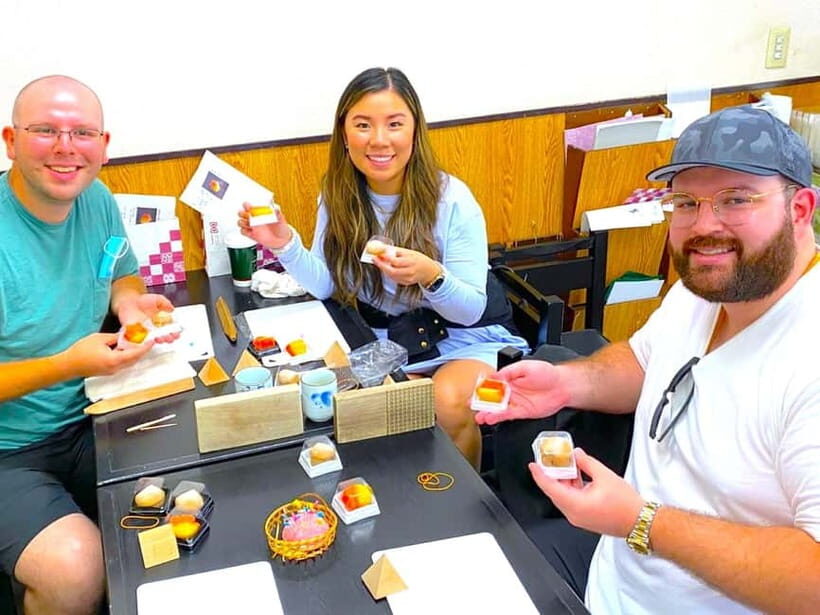
You’ll eat the wagashi you make during the tea ceremony, along with matcha. That’s part of why the class works: you shape the sweets, then you taste the results immediately in the cultural setting they belong to.
And if you’re an antique lover, you’ll have the option to buy tableware from the shop. Even if you don’t plan to spend, it’s worth knowing because it changes how you might look at everything during your initial browsing.
Should You Book This Tea Ceremony and Nerikiri Wagashi Class?
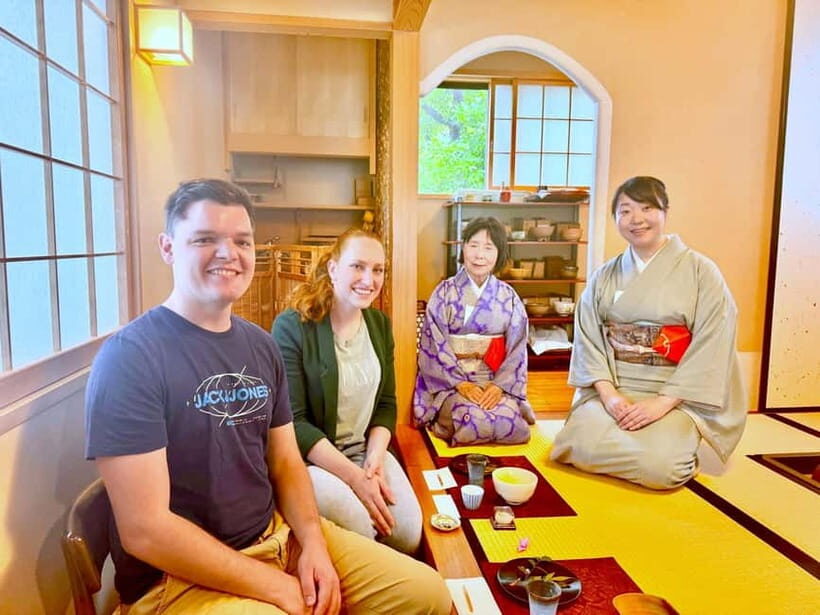
I’d book it if you want something more grounded than a generic “tea class” and you like the idea of crafting sweets in a 100-year-old antique shop. The ability to choose a very old teacup and then make nerikiri wagashi with careful guidance is the kind of combo that turns a cultural activity into a story you’ll remember.
I’d think twice if your day depends on perfect English conversation, or if health or mobility limits apply to you. The rules are firm, and the host’s communication style may be simple by design.
If you’re the type who enjoys patient craft work, quiet focus, and respectful tea culture, this is an excellent use of time in Tokyo.
FAQ
How far is the meeting point from Nippori Station?
It’s approximately 10 minutes from Nippori Station. Exact meeting details are shared after you reserve.
What is the minimum age to participate?
Participants must be at least 13 years old. Anyone under 18 must be accompanied by an adult.
Is this experience wheelchair accessible?
No. It’s not suitable for wheelchair users.
Do I need to speak Japanese to take part?
English is available, but the host is an artisan and may not speak English fluently. The experience encourages questions and conversation, so being open to simple communication helps.
What do you make in the wagashi session?
You make wagashi called Nerikiri, a sweets forming experience using mochi flour, where you shape colored materials into the day’s theme design.
Do you drink matcha during the class?
Yes. You’ll have real matcha served during the tea ceremony, along with confection and the wagashi you made.
Is the tea ceremony done while sitting on chairs?
Yes. The tea room is designed for chair seating.
Are antique tableware purchases included?
No. You can buy antiques from the shop if you want, but purchases are not included.
Can I cancel for a full refund?
Yes. You can cancel up to 7 days in advance for a full refund.