REVIEW · TOKYO
Bonsai Tour & Experience at the Most Sacred City for Bonsai in JP
Book on Viator →Operated by beautiful day tours · Bookable on Viator
Bonsai has a way of slowing you down. This tour’s interesting because it takes you from Tokyo to Bonsai-cho, then pairs sightseeing with real hands-on pruning so you don’t just look—you learn what makes a tree look balanced. I like the small-group feel led by Jun-san, with time to answer your questions, but there’s one catch: you’ll need extra cash for a cafe order and the Bonsai Art Museum entry if you want to add it.
I also love that the setting is meaningful, not staged. Bonsai-cho was formed about 100 years ago after the Great Kanto Earthquake by bonsai gardeners, and the area is surrounded by greenery with five long-established bonsai gardens you can actually walk through.
One more consideration: the class has clear rules. If you want to enter the shop without joining the class, you’ll need an extra fee, and the experience is non-refundable and can’t be changed once you book.
In This Review
- Key things that make this tour worth your time
- Why Bonsai-cho is the perfect place to learn
- Getting there: Toro Station meet-up and a smooth start
- Garden stop one: outdoor bonsai pieces with real guide commentary
- Garden stop two: pruning and shaping, plus the tools you’ll use
- Meet Jun-san: what his guidance adds to the day
- Price and value: what’s included in $55.52 and what costs extra
- What to do before you go (so you ask better questions)
- Who this bonsai tour is for (and who might skip it)
- Should you book this Bonsai-cho pruning experience?
- FAQ
- How long is the bonsai tour from Tokyo to Bonsai-cho?
- What is the meeting point and start time?
- Is this a small group tour?
- What’s included in the price?
- What is not included?
- Do I need to pay if I enter the shop without joining the class?
- What are the age requirements?
- Can I get a refund if my plans change?
Key things that make this tour worth your time
- Bonsai-cho’s real garden community: five long-established bonsai gardens in one area tied to the post–Great Kanto Earthquake era
- Small group (max 10): more time for Jun-san to answer your questions while you’re working
- Two-part flow: outdoor bonsai sightseeing first, then pruning and shaping techniques second
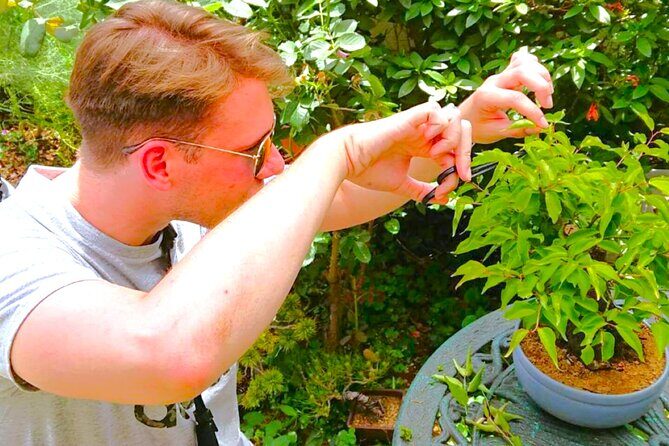
- Hands-on training, not just watching: you use tools and practice core maintenance methods like trimming and wiring
- Extra value for beginners and beyond: you’ll learn the why, not just the what
Why Bonsai-cho is the perfect place to learn
If you’ve only seen bonsai in photos, Bonsai-cho changes your scale. This isn’t a theme park vibe. It’s a neighborhood that grew into a bonsai hub roughly a century ago, tied to the aftermath of the Great Kanto Earthquake. The idea was simple: gardeners gathered, grew, and refined their trees in one place—so you’re touring a living community, not just a single showroom.
You also get access to multiple established bonsai gardens nearby, which matters. Bonsai can look similar at first glance, but once you’re in the area, you start noticing design differences—how the trunk leans, how branches build structure, how foliage pads sit like clouds. Walking between garden spaces helps your eye learn faster than staring at one “best of” display.
The guide’s commentary is part of the value here. When you hear why something is shaped a certain way—then you see it up close—you start understanding bonsai as an art and a craft. It’s not just miniature trees. It’s long-term decisions made slowly.
You can also read our reviews of more city tours in Tokyo


Getting there: Toro Station meet-up and a smooth start
The tour starts at Toro Station (1 Chome Torocho, Kita Ward, Saitama), with a 10:00 am meeting time. It ends back at the meeting point, so you’re not stuck figuring out a last-mile transfer.
You’ll have a mobile ticket, and confirmation comes at booking. The meeting point is near public transportation, which is what you want for a Japan day trip. You can focus on bonsai instead of doing a mini scavenger hunt with your phone battery.
The group is capped at 10 people. That size is important because bonsai questions come fast once you’re close to the trees. You’ll get more personal attention than in large group tours, especially during the hands-on section. Jun-san’s approach (prompt meet-up and guided pacing) is a big reason people feel they’re not just part of a crowd.
Also, note the basic participation rules: this program is for ages 13 and up, and minors under 18 must be accompanied by an adult. If anyone in your group is unwell or under the influence of alcohol, they won’t be permitted to join.
Garden stop one: outdoor bonsai pieces with real guide commentary
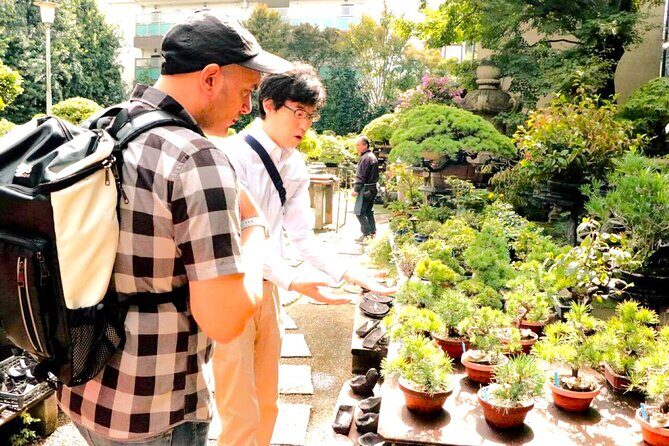
The first session is the sightseeing part. You visit an outdoor bonsai garden area, then head to prominent bonsai nurseries where you can view top-quality trees and hear commentary from the guide.
This is the best moment to train your eyes. Instead of rushing past “pretty plants,” you’re learning the visual logic behind bonsai. Pay attention to three things as you move: the trunk line, the branch spacing, and the overall silhouette. A well-shaped bonsai often looks calm and intentional, but the structure is doing the heavy lifting.
You’ll see lots of pieces during this phase, paired with explanation. That combo matters because bonsai can feel mysterious if you only see the finished product. When the guide points out design choices—like how trunk movement influences branch layout—you start connecting what you’re seeing to what you’ll try later with pruning and shaping.
A realistic drawback: this part can feel like a lot of looking. It’s great if you love detail, but if you only want a quick photo stop, you may find you want to skim. The trade-off is that it sets you up for the hands-on part so the techniques actually make sense.
Garden stop two: pruning and shaping, plus the tools you’ll use
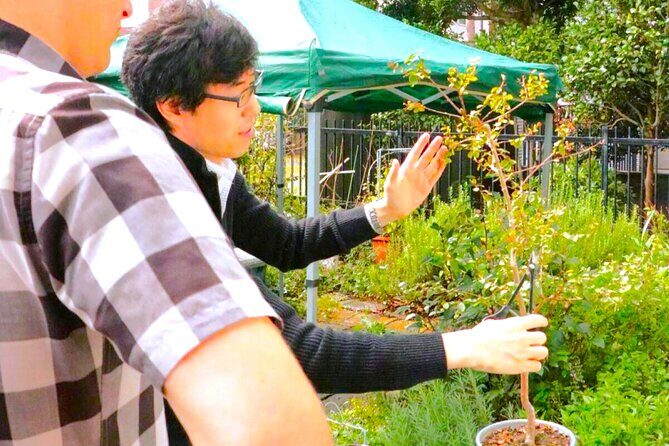
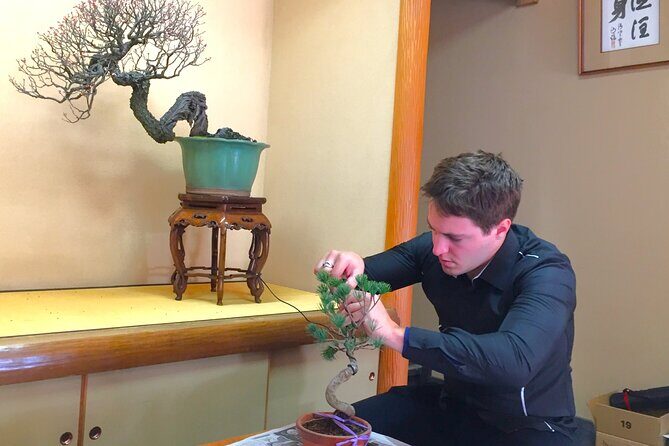
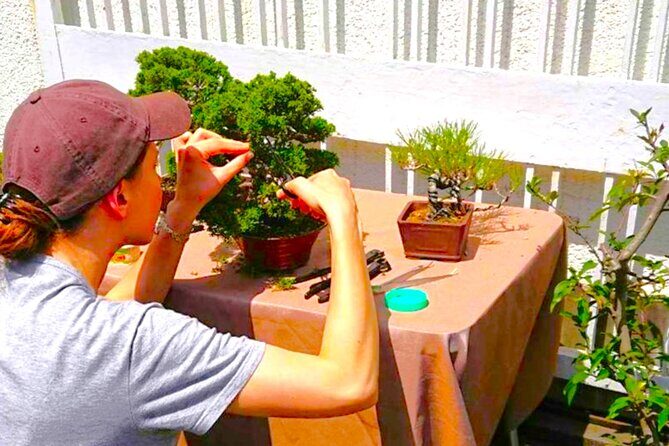
After sightseeing, the experience shifts into the technique part. This is where you work with bonsai tools and practice core maintenance methods like pruning and shaping.
Hands-on work is the heart of the value. Bonsai is one of those crafts where watching isn’t enough. Trimming means understanding growth behavior and how cuts change the future shape of the tree. Wiring (or other shaping methods connected to structure) also depends on technique and patience, not force.
From what the guide teaches in the field, the practical skills you might get into include things like wire cutting and trimming. Those sound simple until you’re holding the tool and trying not to damage the tree. The real payoff is learning what to do and what to avoid, then getting immediate guidance while you practice.
You’ll do the class at a cafe setting. That’s not just a random break—it’s part of the setup. Expect that you’ll need to order something there (prices start around 450 yen). You’ll also see that a Bonsai Art Museum admission exists as an add-on option (310 yen), but it’s not automatically included.
If you want the experience to feel worthwhile, go into the hands-on session with at least a basic question ready. Even a simple one like how fast a tree responds to pruning can turn the explanation into something you can apply later.
Meet Jun-san: what his guidance adds to the day
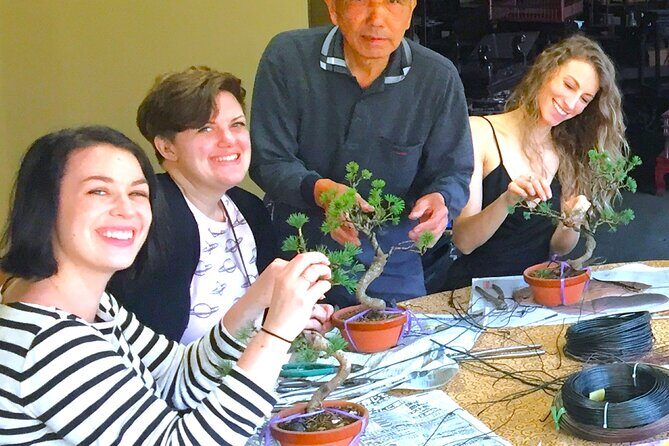
Jun-san is the kind of guide people remember. He meets you promptly at the station and gives a bit of history and context while walking to the nurseries. That matters because it helps you connect the place (Bonsai-cho’s community roots) to the trees you’re about to see.
What stands out in the guidance style is how much time he spends answering questions. If you’re curious about bonsai basics, he’ll explain the art and science side with care. If you ask about the surrounding culture—how bonsai fits into Japanese aesthetics—he’ll connect that too.
Because the group is small, Jun-san can tailor attention. You might find yourself with extra back-and-forth during the tools and pruning practice, especially if the group ends up being very small on a given day. Even when it’s full, you’re not lost in a sea of strangers; you’re a person asking a question, not a ticket number.





Price and value: what’s included in $55.52 and what costs extra
The tour price is $55.52 per person, and it runs about 2 hours 30 minutes. On average, people book it about 30 days in advance, so it’s worth planning ahead if your trip dates are fixed.
Here’s what you can expect is included:
- Instructor time
- Bonsai tool usage fee
- Consumption tax
That’s a real value piece. Bonsai tools and hands-on instruction aren’t free extras in Japan, and packing them into the price keeps the day straightforward.
Here’s what’s not included:
- You’ll need to order at the cafe (prices start around 450 yen, roughly 3 USD)
- Bonsai Art Museum admission is extra if you add it (310 yen, roughly 2 USD)
There’s also a practical note: if you want to enter the shop without participating in the class, you may need to pay an additional fee. The tour rules are clear about it, so plan your time around actually joining the hands-on part if you want the “learn + do” value.
Is $55.52 a bargain? For Tokyo-area pricing and a focused 2.5-hour guided experience with tools and instruction included, it’s fairly priced. The best way to justify it is simple: you’re paying for guidance and practice, not just photos of bonsai.
What to do before you go (so you ask better questions)
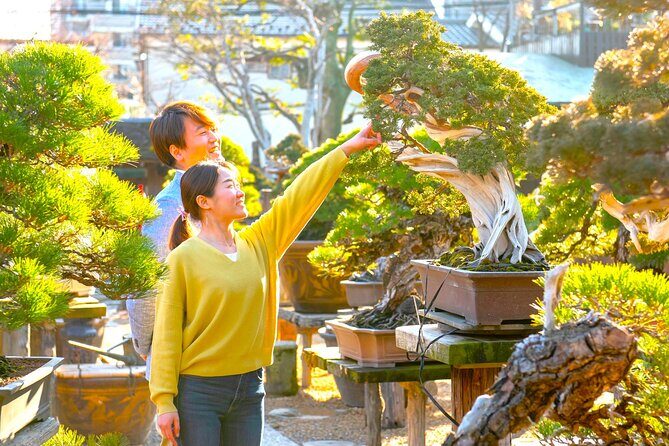
You don’t need to know bonsai ahead of time. This tour is set up for beginners, yet it still makes sense if you already know some basics.
To get the most out of it, you’ll get better answers if you bring one or two goals. For example:
- You’re curious how shaping changes future growth
- You want to understand trimming timing and approach
- You want to learn how to wire without causing damage
Also, think about what you want to remember visually. During the garden stop, pick a couple of trees whose silhouettes you love. Then during the pruning session, ask how the techniques connect to that look. That turns the day into a mini learning path instead of random technique practice.
Comfort matters too. You’ll be standing and walking in a garden setting. Wear shoes that won’t punish you after a couple hours, and dress for weather.
Who this bonsai tour is for (and who might skip it)
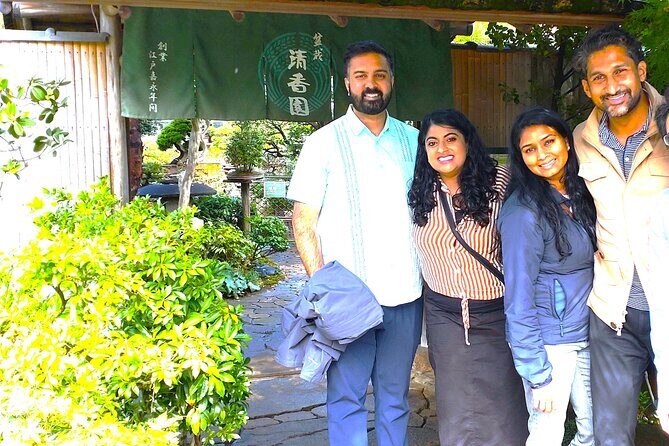
This tour fits best if you want more than “see bonsai.” You want to understand why bonsai looks the way it does and try the key techniques yourself.
It’s a great match for:
- Beginners who learn best with instruction and hands-on practice
- Bonsai lovers who want structured guidance with tools
- Anyone who enjoys small-group learning and asking questions
- Families with teens (13+) who want a shared activity with clear rules
You might consider skipping if:
- You only want a quick photo stop and minimal instruction
- You’re hoping for a free museum visit included in the price
- You dislike tours where you’re expected to participate in the class rather than wander
One more quick reality check: the tour is non-refundable and can’t be changed for any reason. That’s not meant to scare you, but it does mean you should book only when your plans are solid.
Should you book this Bonsai-cho pruning experience?
If you’re choosing between a basic garden walk and something that teaches technique, this one leans strongly toward learning. The combination of Bonsai-cho sightseeing plus a structured hands-on pruning and shaping session is the reason the reviews are so high. Jun-san’s guidance style—prompt meet-up, clear explanations, and patient answers—helps beginners feel confident and helps hobbyists connect techniques to what they see.
I’d book it if you can handle a small-group format and you’re willing to pay a little extra for the cafe order (and possibly the museum entry). I wouldn’t book it if your budget is strict and you only want casual sightseeing with no hands-on work.
If you’re ready to trade a few selfies for real skills, this is a smart way to spend part of your Japan trip in a bonsai-focused community that actually makes sense.
FAQ
How long is the bonsai tour from Tokyo to Bonsai-cho?
The duration is about 2 hours 30 minutes.
What is the meeting point and start time?
You meet at Toro Station (1 Chome Torocho, Kita Ward, Saitama, 331-0804, Japan) and the tour starts at 10:00 am.
Is this a small group tour?
Yes. The maximum group size is 10 travelers.
What’s included in the price?
The tour includes an instructor, bonsai tool usage fee, and consumption tax.
What is not included?
You’ll need to order something at the cafe (starting around 450 yen). Bonsai Art Museum admission (310 yen) is also not included.
Do I need to pay if I enter the shop without joining the class?
Yes. If you want to enter the shop without participating in the class, an additional fee applies, and it must be indicated when requested.
What are the age requirements?
Participants must be at least 13 years old. Anyone under 18 must be accompanied by an adult.
Can I get a refund if my plans change?
No. The experience is non-refundable and cannot be changed for any reason.