REVIEW · TOKYO
Authentic Japanese tea tasting session: sencha, matcha, gyokuro
Book on Viator →Operated by ShiZen Tea · Bookable on Viator
Japanese green tea can feel mysterious. This session makes it practical fast, with guided tastings and clear explanations. I particularly like the way it pairs flavor comparisons with how the leaves are grown and processed. I also like that the host, Yosuke, keeps things organized and easy to follow.
You also get a solid sense of the spectrum, from everyday styles to premium teas that many locals would treat as special. The tasting format helps you notice differences without turning it into a stuffy class. A small possible drawback: it includes teas with caffeine, so if you are caffeine sensitive, you need to flag that before you go.
In This Review
- Key Highlights You’ll Care About
- A 90-Minute Tea Lesson in Morishita
- What You Actually Taste: Sencha, Matcha, Gyokuro and Friends
- How Tasting Gets Taught: Temperature, Origins, and Brewing Notes
- Daily Tea vs Premium Tea: Why Price Shows Up in the Cup
- The History and Farming Stories You Hear Along the Way
- Small Group Size With Yosuke Means Fewer Stumbles
- Practicalities: Start Time, Location, and Caffeine Considerations
- Is It Worth $90.80? Value for a 12-Tea Lineup
- Who Should Book This Tea Tasting (and Who Might Skip It)
- Should You Book ShiZen Tea’s Japanese Tea Tasting?
- FAQ
- Which teas will I taste?
- Is this experience a tea ceremony?
- How long is the tea tasting session?
- How many people are in the group?
- Where does the session start?
- What time does it start?
- Do I get a mobile ticket?
- I’m caffeine sensitive. What should I do?
Key Highlights You’ll Care About
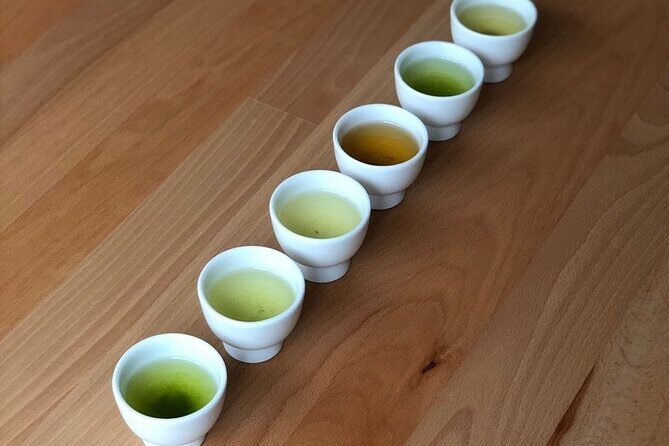
- Up to 12 Japanese tea types in a focused, non-ceremony tasting
- Sencha, matcha, and gyokuro are explicitly part of the lineup
- You get guidance on what to taste for, plus production and historical background
- Small group size (max 4) for questions and a calmer pace
- You’ll use a handout to track teas as you sample
- Yosuke explains plantation/region context and serving temps (what matters for each tea)
A 90-Minute Tea Lesson in Morishita
This is the kind of experience that makes you look at a tea shop menu and actually know what you are ordering. The session runs about 1 hour 30 minutes, so you get real tasting time without getting trapped in a long “lesson” that outlasts your attention.
You meet at ShiZen Tea in Morishita, Koto City (135-0004, 2-chōme Morishita, 28-3 TM Mansion 202). It’s near public transportation, and you don’t need to plan your day around a complicated transfer game. It also uses a mobile ticket, so you can keep everything in your phone and move.
You can also read our reviews of more food & drink experiences in Tokyo

What You Actually Taste: Sencha, Matcha, Gyokuro and Friends
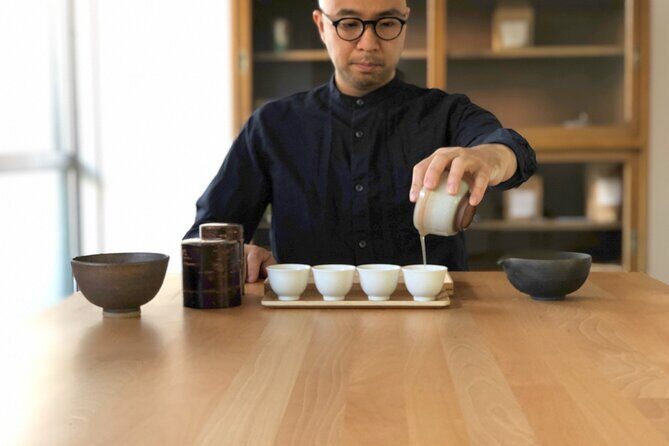
The tasting covers 12 different types of Japanese tea, with a focus on green tea styles. You’ll definitely taste sencha, matcha, and gyokuro, and the rest of the lineup is designed to show how production choices change what hits your tongue.
Here is the mental model that helps you enjoy the session, even if you’ve never tasted Japanese tea before:
- Sencha is your “everyday anchor.” In the glass, it tends to feel bright and grassy, and in the session it becomes a baseline for everything else.
- Gyokuro is the “grown for depth” example. You’ll get what makes it different through how it is produced and what that means for flavor.
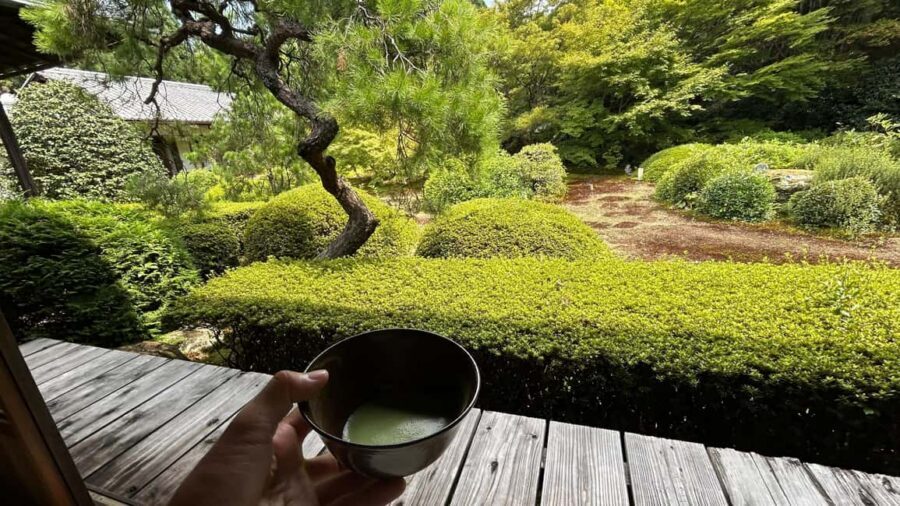
- Matcha is different in how it is used. Instead of steeping leaves and discarding them, you drink the ground tea—so the experience naturally feels thicker and more intense.
What I like about this setup is that it’s not just three labels. You taste multiple teas side by side so your brain starts doing comparisons the right way. That’s where the “aha” moments happen: you notice texture, aroma, and bitterness/sweetness shifts because you are tasting the next tea while the previous one is still fresh in your memory.
How Tasting Gets Taught: Temperature, Origins, and Brewing Notes
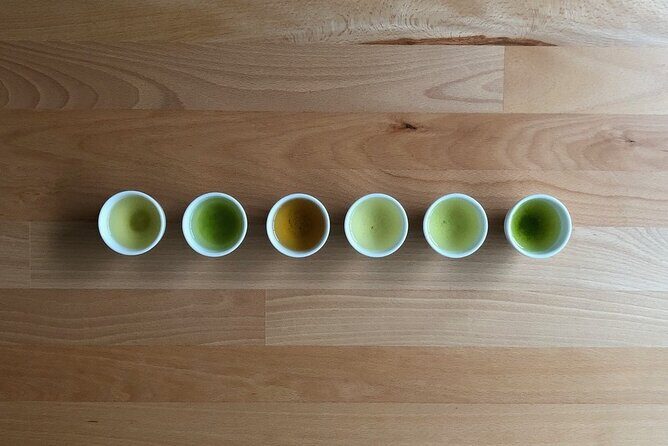
This is not a tea ceremony, and that’s a good thing if you want something practical. The session is aimed at taste, production, and history, and the host explains what to pay attention to as each tea is prepared.
One thing that really stood out from the session style is the focus on small variables that change everything. You get notes on serving temperature for each tea and where it comes from (including plantation/region context). That matters because Japanese green teas can taste flat if the temperature is off, or harsh if you treat a delicate leaf like a robust black tea.
You’ll also get a handout to follow during the tasting. Reviews mention a fairly detailed multi-page guide, which makes a big difference when you are trying to keep track of how each tea differs. It turns the experience from a “tasting blur” into something you can review later when you are back in your hotel, or when you shop for tea.
A simple tip for you: take a minute between tastings to write one line—like what you sensed first (aroma, sweetness, bitterness, umami) and what changed in the finish. You’ll remember much more, and you’ll leave with an easier time picking your favorites afterward.
Daily Tea vs Premium Tea: Why Price Shows Up in the Cup
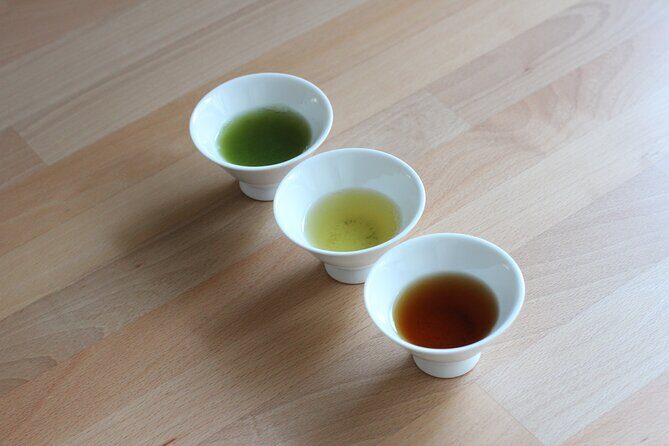
The session explicitly includes both daily tea and higher-end premium tea. That mix is smart, because it prevents two common mistakes:
1) Only tasting premium tea and assuming all Japanese green tea should taste like that.
2) Only tasting everyday tea and missing what expensive tea is actually doing.
In other words, you get to see why the price exists. Premium teas often reflect choices like farming method, growing/processing style, and overall grade of leaves. The goal here isn’t to make you buy a $50 tin of tea. It’s to help you taste the differences so you can shop like a person with preferences—not like a person throwing coins at a shelf.
And since you are tasting many types back to back, you’ll start to understand where quality shows up. Sometimes it’s smoother bitterness. Sometimes it’s aroma clarity. Sometimes it’s a longer, more layered finish. The session is designed to make those patterns noticeable.
The History and Farming Stories You Hear Along the Way
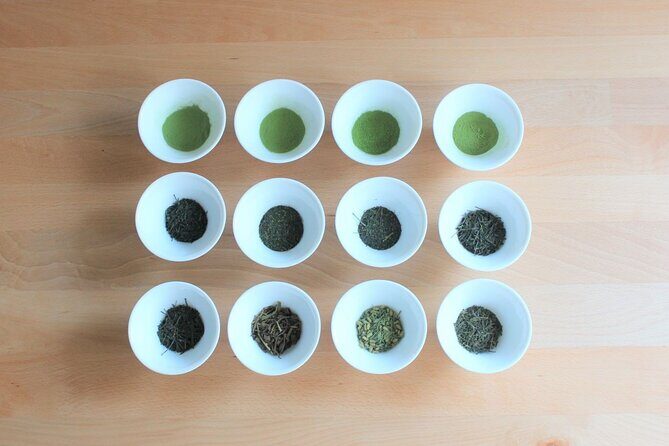
Japanese tea is not just a drink. It’s a relationship between people, geography, and technique. During this session you learn about how tea is made and its historical background, tied directly to what you are tasting.
That history piece matters because it explains why people treat tea differently over time—how styles became favored for daily life, and why certain production methods became associated with higher grades. Even if you care mainly about flavor, history gives you context for the names and differences you’ll see later in shops and specialty markets.
One helpful aspect: explanations are paired with each sample. You aren’t asked to absorb a lecture first and then hope it connects later. The pattern is tasting first, then understanding what you tasted, and then tasting the next tea with a clearer purpose.






Small Group Size With Yosuke Means Fewer Stumbles
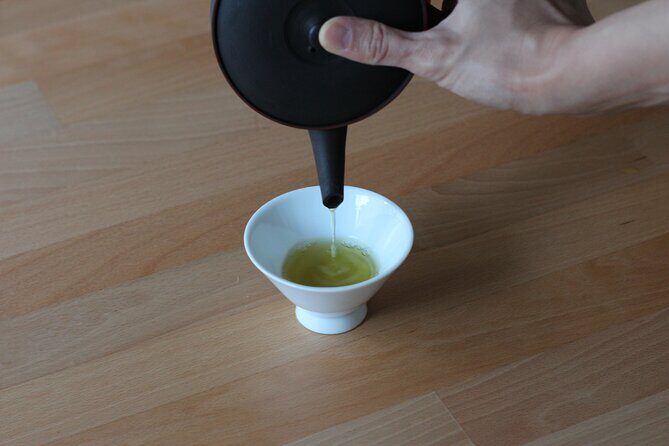
This experience caps at 4 travelers, and that small size changes the vibe. You get a more controlled pace, and questions don’t get lost in a crowd.
Yosuke runs things in a way that feels methodical and organized. Reviews specifically call out his communication, the step-by-step approach to preparing each tea, and his willingness to answer questions. That also means you’re more likely to get your “Wait, what do I actually look for?” answers while you still have the tea in front of you.
There is another quiet benefit: you’ll feel more confident taking your own tasting notes. With a small group, you can adjust your attention—like focusing on aroma before sipping, or comparing after each pour—without feeling rushed.
Practicalities: Start Time, Location, and Caffeine Considerations
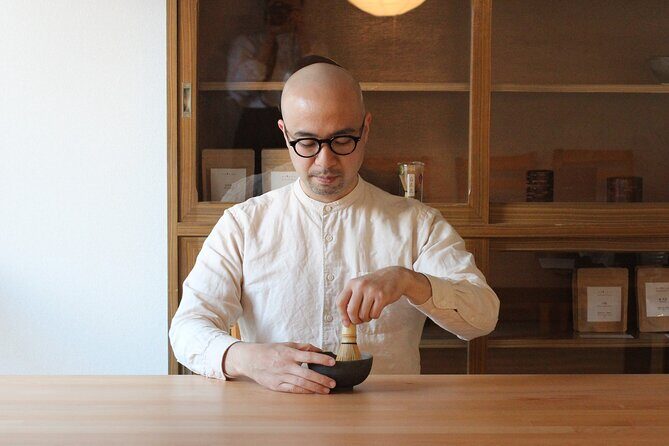
The session starts at 1:30 pm and ends back at the meeting point. That timing works well for an afternoon activity in Tokyo. If your morning is busy, this is a good way to slow down and do something that still feels meaningful.
The location is in Tokyo’s Koto City (Morishita) area, and the meeting point is described as near public transportation, which keeps things easy when you are already moving around the city. You can also plan around the fact that you are in a single place the whole time.
One practical heads-up: the tea lineup includes teas that contain caffeine. If you are caffeine sensitive, tell the organizer before the session. That’s not a detail you should skip. The host can prepare for you, and you’ll enjoy the tasting without feeling uncomfortable.
Is It Worth $90.80? Value for a 12-Tea Lineup
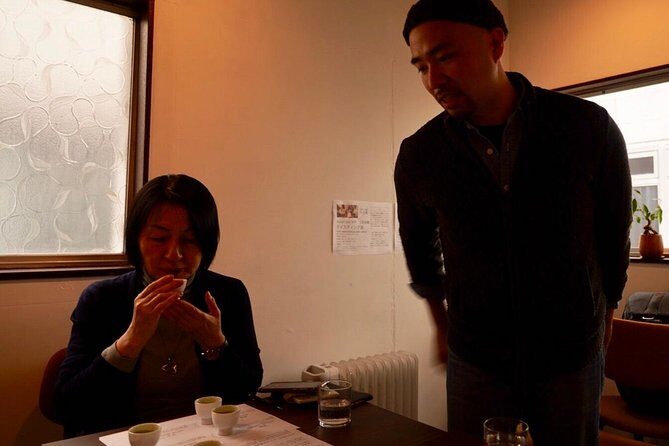
At $90.80 per person, this isn’t the cheapest tea experience you’ll find. But you are also paying for a lot of focused time, a small group, and structured comparisons.
Here’s where the value comes from:
- Many teas in one sitting (the experience is built around a 12-tea idea)
- Guided preparation so you taste the tea as intended
- A handout to help you remember what you liked
- Explanations that connect taste → production → history, not just trivia
If you already enjoy wine tastings—especially the kind where someone teaches you to notice differences—this will likely feel familiar in the best way. You get that same “learn by sipping” momentum, just with Japanese green tea instead of grapes.
Also, booking tends to happen a couple of weeks out on average (around 16 days). If your Tokyo dates are set, it’s smart to lock it in early rather than waiting for the last minute.
Who Should Book This Tea Tasting (and Who Might Skip It)
Book this if you want:
- A guided way to understand the difference between sencha, matcha, gyokuro, and other green tea types
- A hands-on tasting that teaches you what to notice
- Something that pairs flavor with production and historical context
Skip it if you:
- Want a traditional tea ceremony format. This is explicitly not a tea ceremony.
- Need an entirely caffeine-free experience and cannot accommodate caffeine. Tell them ahead of time, but the session is centered on real tea varieties.
If you’re traveling solo, this still works well because the group is tiny and the guide can respond to questions. If you’re traveling as a couple, the small group keeps it intimate rather than chaotic.
Should You Book ShiZen Tea’s Japanese Tea Tasting?
Yes, if you want a Tokyo activity that teaches you something you can use immediately—how to taste, how to compare, and what to look for when you shop. I like that it doesn’t hide behind ceremony. It stays focused on what most people really want: to understand why one tea tastes better to them than another.
The only reason I’d hesitate is if caffeine sensitivity is a major issue for you and you can’t plan around that. If you can flag it before the session, it becomes a much safer bet.
In short: for tea lovers and curious food/history travelers, this is a smart use of an afternoon.
FAQ
Which teas will I taste?
You’ll taste 12 different types of Japanese tea, including sencha, matcha, and gyokuro.
Is this experience a tea ceremony?
No. It is not a tea ceremony. It focuses on tasting, how the tea is produced, and its history.
How long is the tea tasting session?
The duration is about 1 hour 30 minutes.
How many people are in the group?
The experience has a maximum of 4 travelers, so it stays small.
Where does the session start?
It starts at ShiZen Tea in Morishita, Koto City, Tokyo: 135-0004 Tokyo, Koto City, Morishita, 2-chōme 283 TMマンション 202.
What time does it start?
The listed start time is 1:30 pm.
Do I get a mobile ticket?
Yes. The experience uses a mobile ticket.
I’m caffeine sensitive. What should I do?
If you are caffeine sensitive, you should inform the organizer before the session.