REVIEW · KYOTO
Kyoto Food & Culture 6hr Private Tour with Licensed Guide
Book on Viator →Operated by Japan Guide Agency · Bookable on Viator
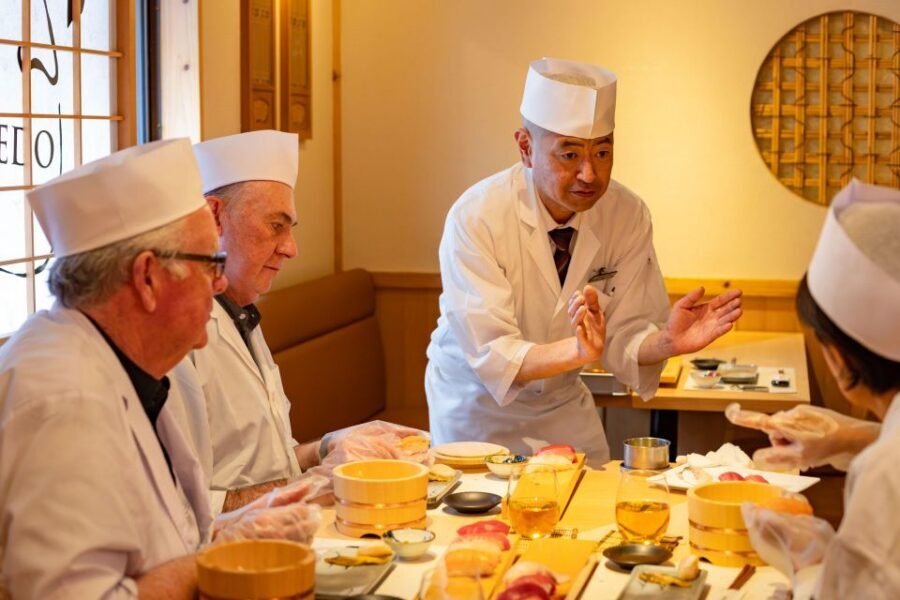
Kyoto tastes better with a guide. This private 6-hour experience stacks Nishiki Market food browsing with a licensed local guide who translates what you’re seeing into cultural meaning, not just facts. One thing to consider: if you pick the Uji option (Byodoin Temple), expect extra travel time to eat into your day.
I like that you get street-level direction without losing time in crowds. The route is built around places that can be confusing on your own—Gion’s alleys, Pontocho’s narrow dining lane—and you can steer it toward what you actually want to eat and understand.
Because it’s a private tour, it also means fewer stops, not a marathon of every famous sight. If your priority is seeing everything at once, you may feel you’re moving fast rather than covering the whole city.
In This Review
- Key highlights worth planning around
- A private Kyoto food-and-culture plan that feels practical
- Nishiki Market: Kyoto’s Kitchen, with direction built in
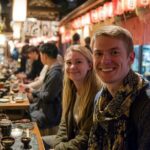
- Gion and Pontocho: eating in the streets people actually notice
- The Site of Kitaza: Kyoto sweets in a building with a past
- Temple options: how to choose your 3–4 stops without regretting it
- Kennin-ji: Zen gardens near the city action
- Byodoin Temple (Uji): famous phoenix energy, with extra travel time
- Kyoto Imperial Palace: big grounds, imperial story
- Nijo Castle: Tokugawa-era power with UNESCO status
- Fushimi Inari-taisha: shrine atmosphere, plus a guided-value angle
- Tenryuji (Arashiyama): Zen temple importance
- Kiyomizu-dera and Sanjusangendo: big names with clear themes
- Price and value: is $153.11 per person a good deal?
- Logistics that affect your day (pickup, transit, and meals)
- What the guide quality looks like in real life
- Who should book this Kyoto food & culture private tour
- Should you book it or pass?
- FAQ
- FAQ
- How long is the Kyoto Food & Culture private tour?
- What’s included in the price?
- Can I customize which places we visit?
- Are entrance fees included?
- Is pickup included?
- Do I need to pay for lunch and food during the tour?
- Is this tour only for my group?
- Can I cancel and get a refund?
Key highlights worth planning around
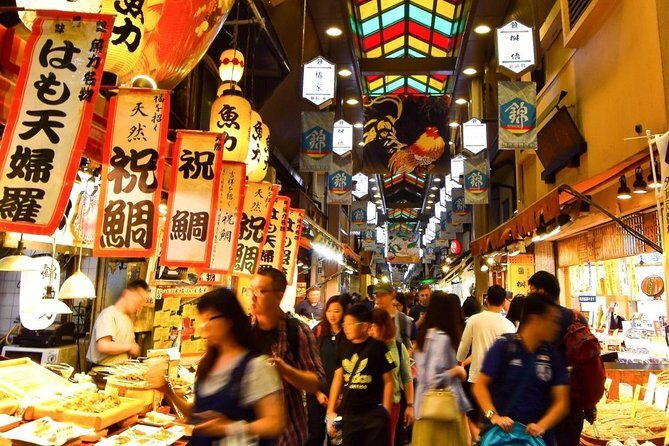
- Nishiki Market first: a narrow, five-block shopping street with 100+ shops and restaurants, Kyoto’s Kitchen vibe in walkable form
- Private, licensed guidance: you’re not guessing your way through Gion and dining alleys
- Pick 3–4 stops: the day is customizable instead of locked into a rigid checklist
- Food stops with real “eat here” energy: like the sweet shop concept at the Site of Kitaza
- Temple options that change the feel of the day: from Zen gardens to Fushimi Inari’s shrine setup
A private Kyoto food-and-culture plan that feels practical
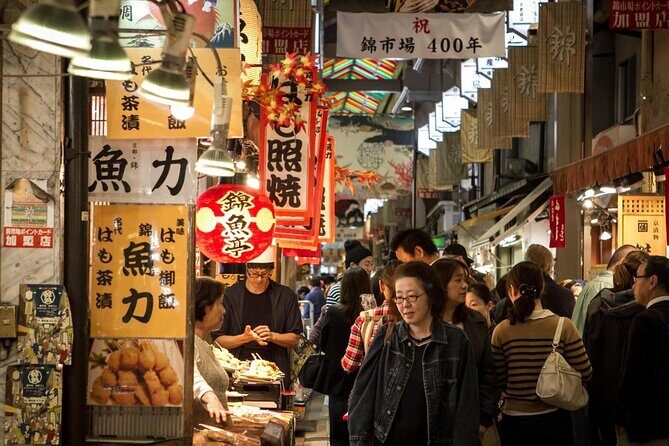
Kyoto can be a feast for the senses and a little test of your navigation skills. This tour is designed to reduce both problems. You get a licensed local guide and a structured route, but with flexibility so the day fits your style—food-first, temples-first, or a mix.
The “private” part matters more than you’d think. In places like Gion and Pontocho, it’s easy to drift into the wrong block or miss the details that explain what you’re looking at. With a guide, you spend less time wandering and more time actually eating and learning.
And you’re not paying for an overload of entrances and transport as part of the package. The tour includes the guide and lets you choose 3–4 stops from the site list, while food, drinks, lunch, and entrance fees for you are on you. That keeps the core experience focused—and easier to budget.
You can also read our reviews of more food & drink experiences in Kyoto
Nishiki Market: Kyoto’s Kitchen, with direction built in
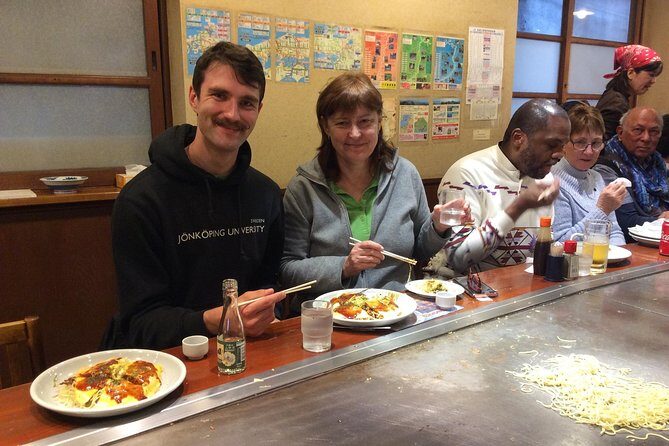
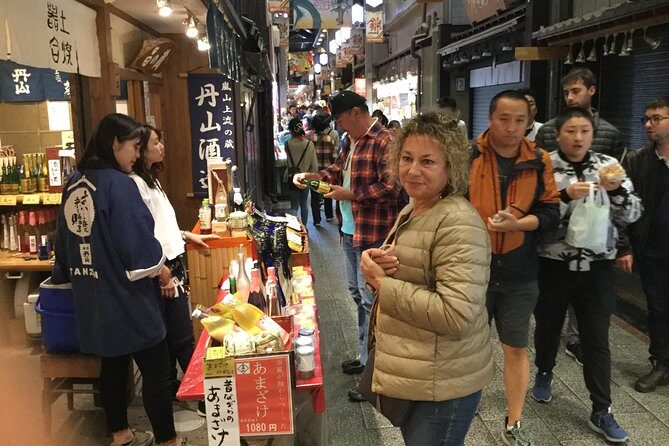
Nishiki Market is the classic start for a reason. It’s a narrow shopping street about five blocks long with 100+ shops and restaurants, and it earns its nickname of Kyoto’s Kitchen. On your own, you’ll see plenty—but you might not know what’s worth trying or how to compare small portions without overspending.
What I like about doing Nishiki with a guide is the pace and selection logic. A licensed local guide can point you toward options that match what you’re craving—savory snack bites, something sweet, or a better first “Kyoto food” introduction. Even the layout helps: the street is tight, so guided order beats random sampling.
Practical planning note: Nishiki Market is listed as free admission, so you’re not paying a ticket just to get into the food chaos. That means more of your money goes to what you actually taste.
Gion and Pontocho: eating in the streets people actually notice
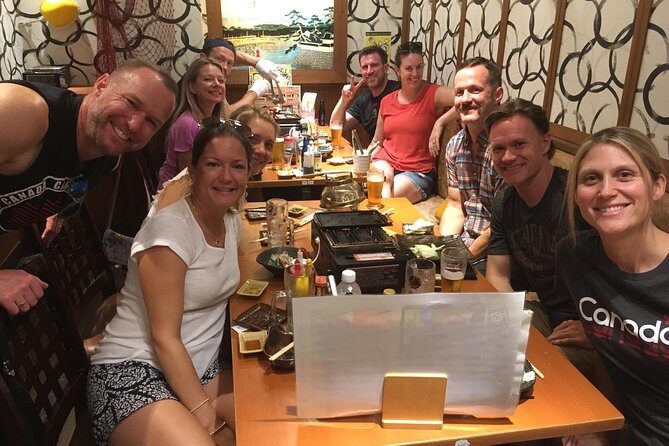
Two of Kyoto’s most photogenic areas can also be the easiest to mess up on a first trip: Gion’s alley maze and Pontocho’s narrow dining lane.
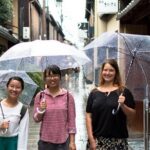
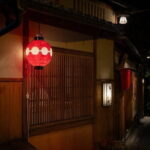
Gion (the geisha district) is famous, but the key for visitors is orientation. The tour specifically sets you up to explore those narrow alleyways without getting lost. That’s a real quality-of-life upgrade when you’ve just arrived and your brain is still buffering from travel.
Then you hit Pontocho. This is a narrow alley running between Shijo-dori and Sanjo-dori, one block west of the Kamogawa River. It’s packed with restaurants, and the atmosphere is exactly the kind that makes you want to sit down—but also exactly the kind where you need local tips to pick well.
If you’re trying to experience Kyoto beyond big “landmark” energy, this duo does it. You get food-focused walking, plus the cultural context that makes those streets feel less like scenery and more like living place.
The Site of Kitaza: Kyoto sweets in a building with a past
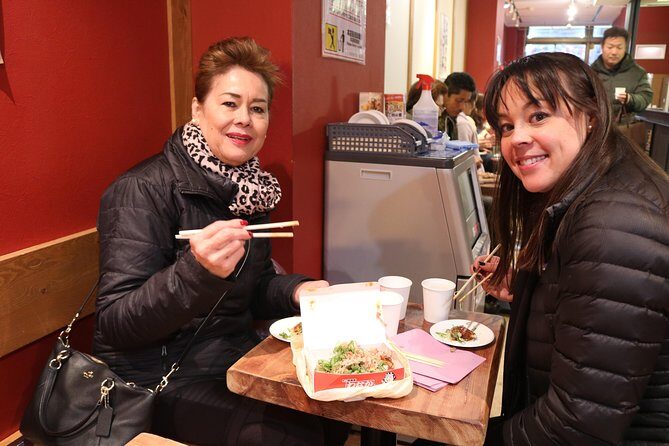
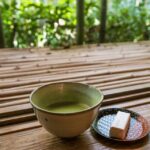
Not every Kyoto food stop has a clear story. The Site of Kitaza does. You’ll spend a short stop at a building renovated from a Kabuki Theater site, where you can enjoy original Kyoto sweets.
The value here is the short, satisfying hit. You’re not committing your whole afternoon to a complicated plan. You’re getting a taste of Kyoto’s sweet tradition in a place that has meaning beyond the dessert.
This stop is listed as free admission, so it’s an easy add if you want “food culture” to include sweets, not just street bites.
Temple options: how to choose your 3–4 stops without regretting it
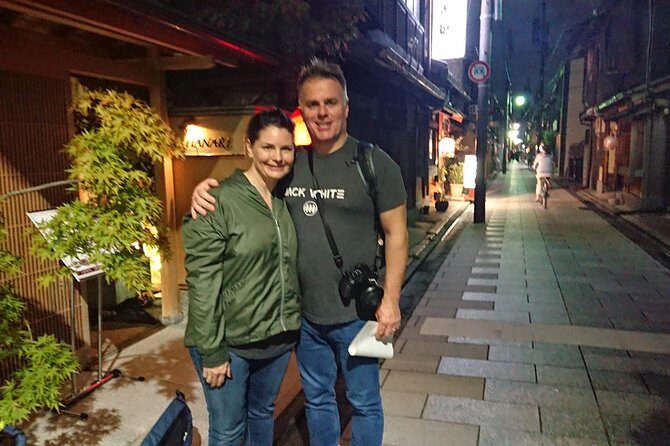
Here’s the honest truth: Kyoto’s top sights are spread across different neighborhoods. If you try to pack them all in, you’ll spend more time between places than at them.
This tour avoids that trap by letting you customize your day with 3–4 stops from the options list. That’s ideal because each site changes the mood—Zen garden calm, shrine energy, or palace-scale history.
Below are the temple and sight options and what they tend to give you:
A few more Kyoto tours and experiences worth a look

Kennin-ji: Zen gardens near the city action
Kenninji Temple is close to the bustle of Hanamikoji and Shijo streets. The grounds are described as spacious and pleasant for walking, and you’ll find karesansui (dry landscape gardens).
Why it works on a food-and-culture day: it gives your feet a break and gives your brain a different kind of understanding. Instead of chasing snacks, you slow down and read the space.
Byodoin Temple (Uji): famous phoenix energy, with extra travel time
Byodoin Temple is known for the Phoenix Hall, a National Treasure of Japan and a UNESCO World Heritage Site. The tour notes that extra travel time is expected because it’s in Uji city.
This is the big trade-off stop. It can be worth it if UNESCO-scale sights are a must for you, but it may steal time from neighborhood food. If you hate long transit days, consider skipping this one.
Kyoto Imperial Palace: big grounds, imperial story
Kyoto Imperial Palace was the residence of Japan’s Imperial Family until 1868, when the emperor and capital moved to Tokyo. You’ll get a sense of the scale because it’s set in spacious grounds.
If you want culture that feels more institutional and less alleyway, this is a good choice. Pair it with a neighborhood stop so your day doesn’t feel like only history lecture.
Nijo Castle: Tokugawa-era power with UNESCO status
Nijo Castle was built in 1603 as the Kyoto residence of Tokugawa Ieyasu, the first shogun of the Edo Period. It’s a UNESCO World Heritage site.
This one tends to click for people who like political history and architecture. Just know it’s another “big sight” stop, which means it can take time to appreciate.
Fushimi Inari-taisha: shrine atmosphere, plus a guided-value angle
Fushimi Inari-taisha Shrine is famous for a reason. The tour also describes it as a way to see aspects that are off-limits to ordinary tourists after the tour, making it a short trip with strong value.
If your list includes Fushimi Inari but you don’t want to waste your day in lines and guesswork, this is a strong pairing with food neighborhoods.
Tenryuji (Arashiyama): Zen temple importance
Tenryuji is described as the most important temple in Kyoto’s Arashiyama district, and it was ranked first among Kyoto’s five great Zen temples. It’s also registered as a world heritage site, and it serves as the head temple.
This tends to work best if your day includes either a slower pace temple stop or if you want a calm contrast after busy food streets.
Kiyomizu-dera and Sanjusangendo: big names with clear themes
Kiyomizu-dera is one of Kyoto’s most popular temples, and the tour description highlights a comprehensive guided approach around the temple grounds.
Sanjusangendo is famous for its 1001 statues of Kannon (the goddess of mercy). If you’re drawn to art, symbolism, and that kind of visual intensity, this is a great choice.
For both of these, your guide’s role matters because they can help you “read” what you’re seeing instead of just walking past it.
Price and value: is $153.11 per person a good deal?
At $153.11 per person, the price isn’t low—but it’s not outrageous for a private, licensed guide in a city where everything is spread out and tickets add up fast.
Here’s how I think about value for a tour like this:
- You’re paying for time with a licensed local guide (the main cost driver).
- You’re paying for convenience: pickup is offered, and the route is structured so you don’t spend your best hours figuring out where to go next.
- You’re not paying for included lunch or entrance tickets for you, which means you control spending and don’t feel stuck in a preset meal.
The biggest value move is choosing the right 3–4 stops. If you pick one neighborhood food hub (like Nishiki), one alley dining area (Gion/Pontocho), and one sight that matches your interests (temple, shrine, palace, castle), you’ll feel like the money bought you focus—not just a driver and a calendar.
Logistics that affect your day (pickup, transit, and meals)
This is a private tour for your group only, and it offers pickup. That helps a lot in Kyoto, where getting from one area to another can mean walking + trains + buses.
But transportation costs and entrance fees are not included for you. Also, lunch isn’t included (and it says lunch is for yourself and your guide), plus the cost of food and drinks is on you. So budget for food tasting. That’s not an optional add-on in a food tour; it’s the whole point.
Timing-wise, the tour duration is about 6 hours. With a city day like that, you’ll want to keep your expectations realistic: you’re choosing depth over quantity. Customization helps, but it also means the guide can’t magically fit every attraction in.
What the guide quality looks like in real life
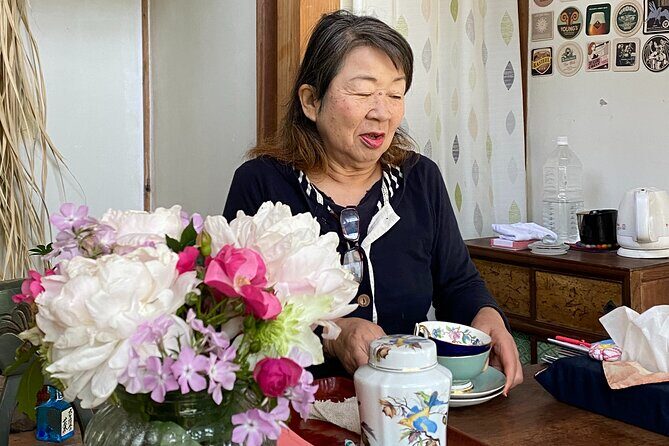
One review specifically praised a guide named Lily. The feedback highlighted how she explained culture, tradition, religion, and the meaning behind different aspects of Japan. It also praised how she selected an itinerary that worked for different ages, from younger visitors to older family members.
That’s a great sign for your experience because this tour is really two things at once: it’s a food day and a meaning day. If your guide can connect the food and the places to the why behind them, you’ll remember the trip longer than if it’s just sample-and-snap photos.
Who should book this Kyoto food & culture private tour
This one is a good fit if:
- You want a private guide and dislike the stress of navigating Kyoto’s most famous neighborhoods alone
- You care about food with context, not just food as a checklist
- You’d rather pick 3–4 high-impact stops than try to sprint through everything
- You’re traveling with family and want an itinerary that can make sense across ages
It may not be ideal if:
- Your dream day is seeing every major temple and shrine in one go
- You don’t want to pay extra for entrance tickets at major sites
- You hate any extra travel time, especially if Byodoin Temple (Uji) is on your list
Should you book it or pass?
If you want Kyoto food streets plus culture in a way that feels organized and human, I’d book this. The combination of Nishiki Market, Gion, and Pontocho is strong because it hits both sides of what people love about Kyoto: eating and atmosphere.
The key is to use the customization wisely. Pick stops that match your energy and your interests, and plan to pay for what you eat and any entrance fees you choose. Do that, and the $153.11 per person feels like you’re buying a day with less confusion and more real understanding.
FAQ
FAQ
How long is the Kyoto Food & Culture private tour?
The tour is approximately 6 hours.
What’s included in the price?
The price includes a licensed local guide and a customizable tour where you choose 3–4 sites from the provided list. Pickup is also offered. Food, drinks, lunch, entrance fees, and transportation fees are not included.
Can I customize which places we visit?
Yes. You choose your tour of 3–4 sites from the listed options.
Are entrance fees included?
Entrance fees for you are not included. Some stops are listed as free admission, but others are not.
Is pickup included?
Yes, pickup is offered.
Do I need to pay for lunch and food during the tour?
Yes. Lunch and the cost of food and drinks are not included.
Is this tour only for my group?
Yes. It’s a private tour/activity, so only your group participates.
Can I cancel and get a refund?
Yes. You can cancel up to 24 hours in advance for a full refund. If you cancel less than 24 hours before the start time, the amount paid is not refunded.