REVIEW · TOKYO
Basic Japanese Home Cooking with Fermented Foods(Teriyaki & Miso)
Book on Viator →Operated by Coji Life Cooking · Bookable on Viator
Koji and miso make cooking feel like science. In this small-group class in central Tokyo, you’ll cook with traditional fermented ingredients while getting hands-on help from instructor Naoko. I like that the format is intimate enough to get real feedback, not just watch.
I also love the practical vibe: you learn recipes you can actually repeat later, plus you get explanations of how items like miso and koji work in Japanese food culture. One possible drawback is that the exact menu can change by season, so you should expect a flexible plan rather than a guaranteed dish list.
In This Review
- Key highlights to know before you go
- Why I’d choose this class for miso, teriyaki, and fermented basics
- Starting at Akasaka-Mitsuke: easy access, central kitchen setup
- Two hours, max six people: how the class actually moves
- Fermented ingredients you learn to use: miso, mirin, koji, and amazake
- What you’ll cook: teriyaki & miso home-style dishes (and why “easy” matters)
- Lunch or dinner included: what’s on the table (and how it helps you plan Tokyo)
- Vegan option reality check: deep-fried tofu, shared kitchen space
- Price and value in Tokyo: what $70.36 buys you
- What I’d pair it with: Shibuya days and the 2pm dessert class
- Who this class is best for (and who should skip it)
- Should you book this fermented home-cooking class?
- FAQ
- What is the duration of the class?
- Where do I meet for the experience?
- Is transportation included?
- What’s included in the price?
- Is there a vegan option?
- How many people are in the group?
- Is the class suitable for children?
- Does it include alcohol in any form?
Key highlights to know before you go
- Small-group instruction (max 6) means you can ask questions while you cook
- Central Tokyo location is easy to reach, with Shibuya about a 10-minute walk-and-subway mix to get there
- A short lecture plus cooking ties fermented ingredients to real techniques you use immediately
- Fermented-food education covers ingredients like miso, mirin, and koji, plus how they fit into Japanese meals
- Lunch or dinner included with coffee/tea and a take-home lecture handout
- Vegan option available using deep-fried tofu, but you share the kitchen space
Why I’d choose this class for miso, teriyaki, and fermented basics
Tokyo has plenty of food tours, but this one leans into the stuff behind the flavor. You’re not only tasting; you’re learning how fermented ingredients behave and how Japanese home cooks build meals using them.
The focus is practical. The recipes are described as easy, and the class is short—about two hours—so it fits even if your day is packed with museums, neighborhoods, or day trips.
The second big reason to care: fermentation isn’t just a buzzword here. You get an in-depth lecture in a small-group setting, with guidance on traditional ingredients and their roles in everyday Japanese cooking.
You can also read our reviews of more cooking classes in Tokyo


Starting at Akasaka-Mitsuke: easy access, central kitchen setup
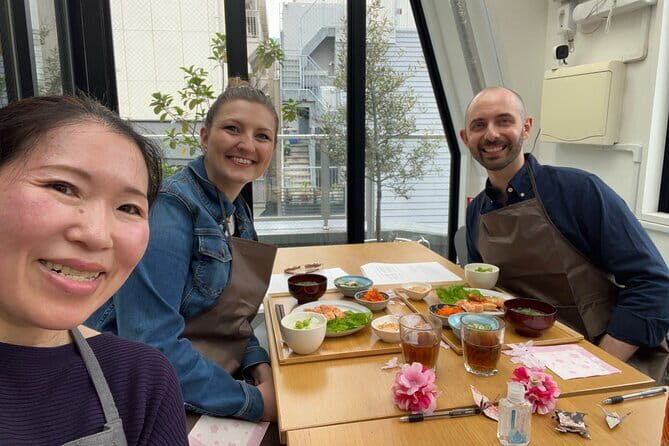
You meet at Akasaka-Mitsuke Station (3-chōme-1-6 Akasaka, Minato City). From Shibuya, the kitchen is about a 10-minute route including a short walk, and that matters because weather in Tokyo can swing fast.
This matters for value. When a cooking class is hard to reach, it quietly eats into your “holiday time.” Here, the location is central and the experience is designed so you spend your energy cooking, not navigating.
You’ll also get a mobile ticket, which keeps the day simple. And the class ends back around the meeting point, so you’re not stranded across town with a sudden hunger headache.
Two hours, max six people: how the class actually moves
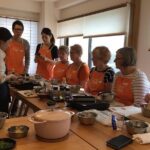
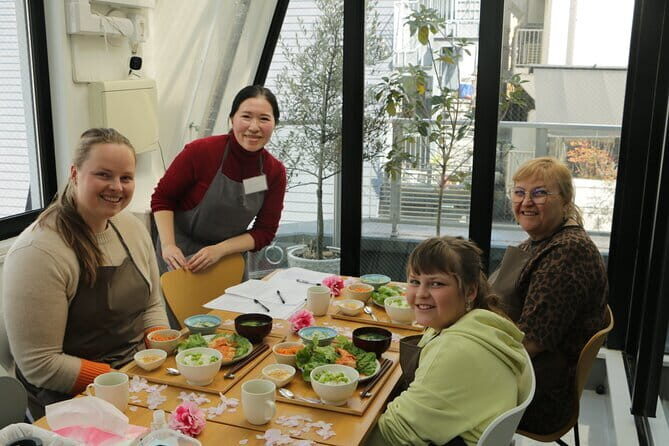
This isn’t a big studio show. It’s a small group of up to 6 travelers, which changes everything—especially if you learn by doing.
A typical rhythm goes like this: you start with an instructor-led explanation of fermented ingredients, then you move into cooking together. That lecture time isn’t vague theory. It’s paired with what you’re preparing so the concepts stick.
You’ll also get more direct feedback from Naoko while you cook. In a place like Tokyo, where language barriers can make cooking feel intimidating, that kind of real-time guidance is a big deal. You’re not left guessing.
Fermented ingredients you learn to use: miso, mirin, koji, and amazake

The theme is fermented foods, with a strong emphasis on Japanese staples. The class specifically references ingredients like miso and mirin, and you’ll also hear about koji and related fermentation concepts during the lecture.
Here’s what I find useful about this approach: it demystifies the key flavors you’ll keep seeing across Japan. Once you understand how miso shows up as depth, or how koji contributes to fermentation-based sauces and seasonings, Japanese menus stop feeling like random combinations.
Mirin gets special attention in the details you’re given. You’ll use only a small amount, and mirin does contain alcohol—but the information says the alcohol is removed during cooking, making the dish safe for children. Still, tasting isn’t available for children, so the tasting portion is treated a bit differently.
And there’s a fun bonus tie-in: if you join another class the same day—Fermented Food Dessert Class at 2pm—you receive a special gift that uses rice koji amazake, the ingredient used in the dessert session.
What you’ll cook: teriyaki & miso home-style dishes (and why “easy” matters)
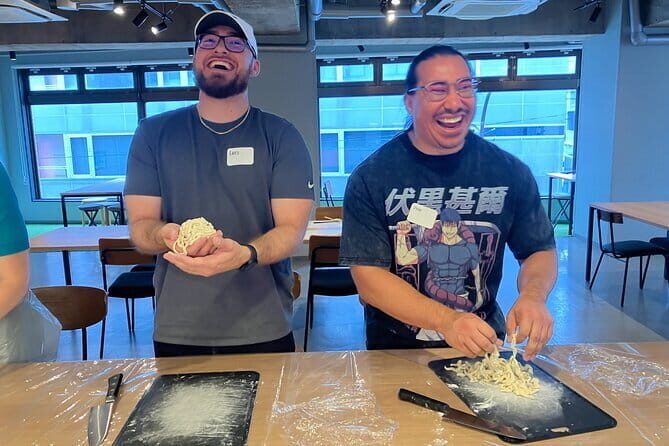
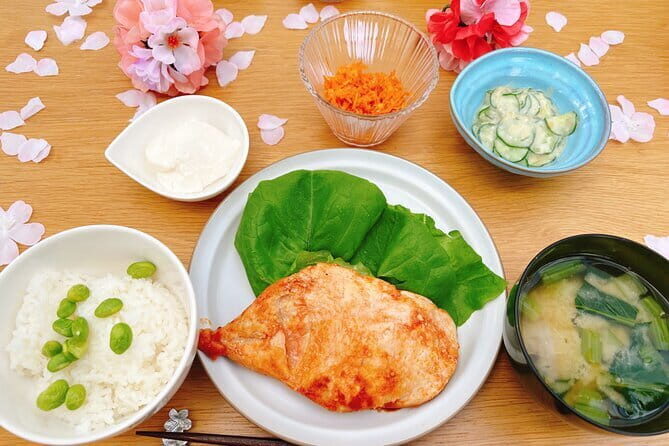
The experience is built around Japanese home cooking using fermented ingredients, specifically teriyaki and miso. Exact dishes can vary because the menu changes with the season, but the goal stays the same: you’ll prepare a full meal you can eat as lunch or dinner.
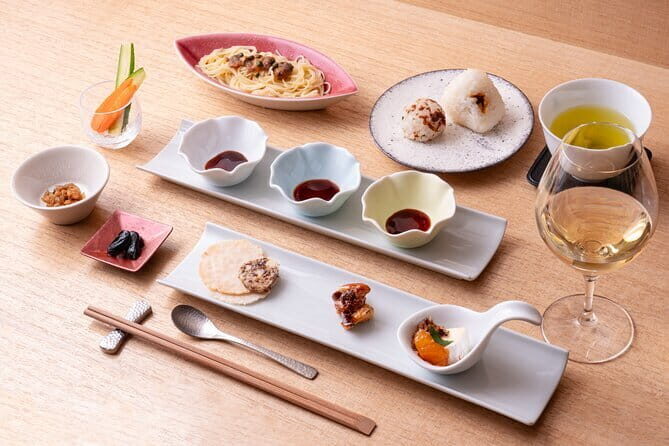
“Itsy-bitsy cooking classes” can be disappointing because you don’t get a meal. This one includes a meal, along with coffee/tea and Japanese tea options, so you leave full and satisfied, not just smelling like sesame oil.
Why I like the easy-recipe framing: you don’t need to be a confident cook. You’re shown techniques you can reproduce later without needing specialty kitchen gadgets.
One more practical point: you’ll get a lecture handout (presentation material from the lecture). That’s not just a souvenir. It’s your bridge back home, where you’ll want to remember what you learned about fermented ingredients and how they connect to the recipe steps.






Lunch or dinner included: what’s on the table (and how it helps you plan Tokyo)
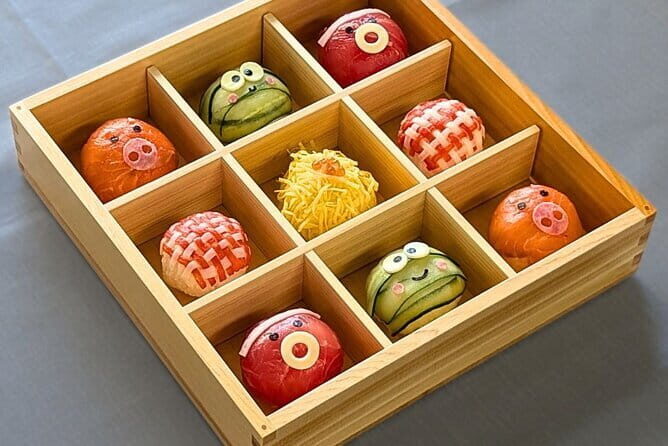
You’ll get lunch or dinner (depending on the session). Along with the meal, you’ll receive rental apron gear, and you can expect coffee and/or tea, including Japanese tea.
In Tokyo, meals can get expensive fast, and “one more snack” turns into “whoops, I skipped the budget.” This class gives you a planned meal in about two hours, with a teaching component attached.
You also get a chance to eat something that feels like it came from a real Japanese home kitchen rather than a tourist shortcut. The overall tone is cozy and homely, and the class is designed as a break from eating out nonstop.
Vegan option reality check: deep-fried tofu, shared kitchen space
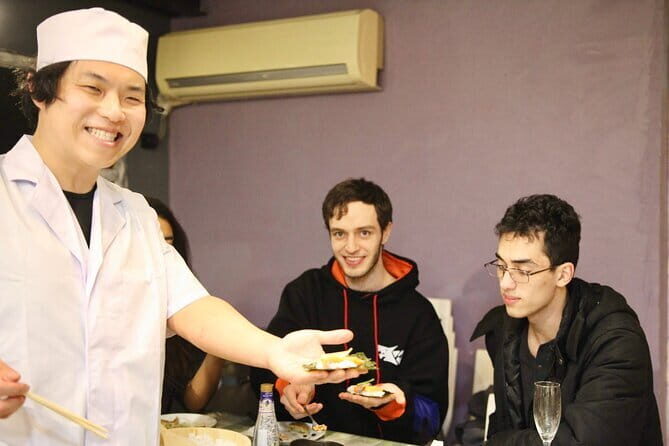
If you want vegan, you can request it. The information says the vegan option uses deep-fried tofu, and it’s done by sharing the kitchen with the non-vegan version.
That shared space detail is important. If you’re strict about avoiding cross-contact or separation (even in ingredients), you should be ready to manage expectations. But if your goal is simply to have a satisfying vegan meal using Japanese fermented flavors, this is a straightforward route—just ask when you apply.
Also, because the menu changes by season, the vegan dishes may change too. The class is flexible that way.
Price and value in Tokyo: what $70.36 buys you
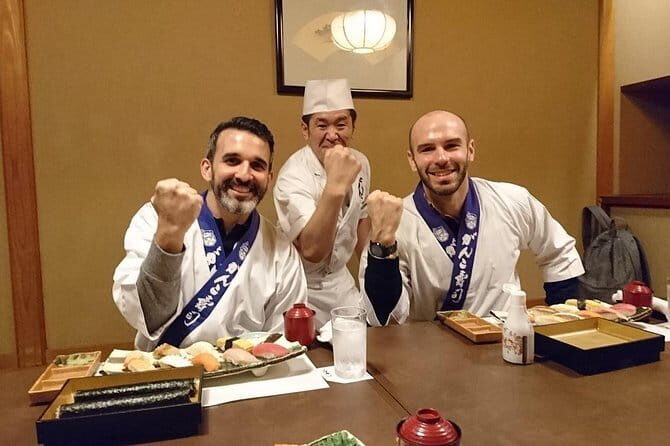
At $70.36 per person, this isn’t the cheapest “eat-and-leave” food experience in Tokyo. But it’s also not overpriced for what you get.
Here’s what’s included: you’re paying for the two-hour instruction, small-group attention (max 6), the meal (lunch or dinner), apron rental, coffee/tea, and a lecture handout. Transportation to the venue is not included, so you’ll handle getting there, but once you’re there, the experience is fully packaged.
The value hinges on one thing: feedback and learnable technique. If you’ve ever taken a cooking class where you do the easiest steps while someone else handles the real work, you’ll know how frustrating that is. This one is structured for you to get more instructor guidance while you cook.
In short: you’re paying for skill + meal + explanation, not just the food.
What I’d pair it with: Shibuya days and the 2pm dessert class
This class is timed for a short break from sightseeing—about 2 hours. It’s also practical near public transportation, and the central location makes it easier to stitch into a day.
If you’re serious about fermented flavors, there’s an added opportunity. The provider offers a Fermented Food Dessert Class at 2pm. If you join both classes on the same day, you’ll get a special gift (rice koji amazake, the one used in the dessert class).
So if your day is already in the Shibuya-to-Akasaka orbit, this could be a smart “flavor theme” day: savory cooking first, then dessert.
Who this class is best for (and who should skip it)
This class is best for adults and children aged 7 and above. It’s noted that it may not be suitable for children 6 and under, largely because the focus is on learning content and techniques.
You’ll likely enjoy it most if you:
- want a small-group, hands-on cooking experience rather than a lecture-only food class
- care about how ingredients work, especially miso, mirin, and koji-related concepts
- want a meal included without spending your whole budget on restaurant hopping
It’s also a good choice if you plan to cook at home later. The lecture handout and ingredient focus make it easier to translate what you learn into your own kitchen.
Should you book this fermented home-cooking class?
Yes, you should book it if your goal is to leave Tokyo with more than memories of taste. I’d recommend it to anyone who wants to understand fermented Japanese flavors and learn repeatable recipes in a short, friendly format.
I’d hesitate only if you hate uncertainty about the exact menu. Since the dishes can change by season, you might not get the exact dish lineup you’re hoping for. And if you need strict vegan kitchen separation, double-check your expectations because the vegan option uses deep-fried tofu and shares the kitchen space.
If those fit your style, this is a strong value way to do something different from the usual sushi-and-ramen loop—while still getting a real meal you can feel good about.
FAQ
What is the duration of the class?
The class runs for about 2 hours.
Where do I meet for the experience?
You start at Akasaka-Mitsuke Station (3-chōme-1-6 Akasaka, Minato City, Tokyo 107-0052).
Is transportation included?
No. Private transportation isn’t included, so you’ll need to get to the venue on your own.
What’s included in the price?
The experience includes lunch or dinner, rental apron, coffee and/or tea (including green tea or other Japanese tea), and a lecture handout.
Is there a vegan option?
Yes. A vegan lunch or dinner option is available using deep-fried tofu. You should request the vegan option when you apply.
How many people are in the group?
The class has a maximum of 6 travelers.
Is the class suitable for children?
It’s best suited for adults and children aged 7 and above. It may not be suitable for children 6 and under.
Does it include alcohol in any form?
The class uses a small amount of mirin, which contains alcohol, but the information says the alcohol is removed during cooking. Tasting is not available for children.