REVIEW · TOKYO
Blade Runner photo workshop in Shibuya with Laurence Bouchard
Book on Viator →Operated by Laurence Bouchard · Bookable on Viator
Tokyo at night begs for a camera lesson. This small-group Shibuya workshop pairs Blade Runner–inspired scenes with hands-on coaching from street photographer Laurence Bouchard. You’ll start with a quick talk about nighttime camera settings, then head straight into Shibuya’s most chaotic (and photogenic) crossing for panning practice.
What I like most is how practical it feels: you’re not just told what to do, you’re guided to specific angles and locations that fit nighttime street photography. I also like the flexibility for different gear—one participant used an iPhone, and Laurence explained things in a way that matched the camera brand people were carrying. A possible drawback: on Japanese holidays, some spots may be harder to access and lighting can be different, which can affect what you can shoot.
Small detail that matters: it’s about two hours, so you’ll move at a steady pace and you’ll want to be ready to shoot often, not just once or twice. The good news is that the group stays small (max 6), so you can get real feedback while the neon is still on.
In This Review
- Key points to know before you go
- Blade Runner night photos that actually make sense in Shibuya
- Meet at Cerulean Tower Tokyu Hotel at 7:30 pm
- First stop: the Shibuya Scramble Crossing and panning practice
- Laurence’s Shibuya angles: side streets, neon layers, and “Blade Runner” framing
- Night camera settings: what you learn and how to apply it on the fly
- What you’ll take home (and why the 2 hours matters)
- How much walking is involved, and who this is for
- Price and value: $97.98 for a pro-led neon photo shoot
- When to go (and a smart caution about Japanese holidays)
- Should you book this Shibuya Blade Runner photo workshop?
- FAQ
- How long is the Blade Runner photo workshop in Shibuya?
- Where does the workshop start and when?
- What is the group size?
- Do I need a specific camera?
- Will we practice panning shots?
- Is the tour near public transportation?
- What’s the cancellation policy?
Key points to know before you go
- Two-hour, small-group coaching with max 6 people, so you actually get help
- Shibuya Scramble Crossing + panning practice early, while things are busiest
- Neon night spots chosen by Laurence, including side-street angles most people miss
- Night settings explained clearly, with tips adapted to your camera brand (including phones)
- Fast turnaround: you’ll learn, shoot, adjust, and shoot again
Blade Runner night photos that actually make sense in Shibuya
Shibuya at night is the kind of place where your pictures can either look like random snapshots—or like a movie still. The workshop is built for that second outcome.
Laurence Bouchard has been shooting Shibuya’s streets for over 10 years, and that shows in the way he thinks about scenes. He doesn’t just point at neon and hope for the best. He steers you toward situations where the light, movement, and street geometry work together.
I like the “Blade Runner” framing because it’s helpful even if you don’t shoot sci-fi. Think graphic composition: strong lines, bright signage, reflections, and motion trails. Tokyo gives you all that in bulk. The workshop’s job is to teach you how to control it with your camera, and then how to pick angles that look intentional.
A few more Tokyo tours and experiences worth a look



Meet at Cerulean Tower Tokyu Hotel at 7:30 pm
You’ll start at Cerulean Tower Tokyu Hotel (26-1 Sakuragaokachō, Shibuya, Tokyo 150-8512). Start time is 7:30 pm, and the tour ends back at the meeting point.
Why that timing matters: night photography is a moving target. You want the city’s lights fully active, but you also want darkness levels that still allow you to capture detail. Starting in the evening window is a sweet spot for neon signs and street activity.
Logistically, this is also an easy one to join. The meeting point is near public transportation, and the workshop uses a mobile ticket. You’re not wrestling with paper tickets or complicated meet-ups.
Group size is capped at 6, which changes the whole vibe. You’re not lost in a crowd while the guide chats at arm’s length. With this size, Laurence can notice what you’re doing—panning speed, framing choice, focus behavior—and correct it in real time.
First stop: the Shibuya Scramble Crossing and panning practice
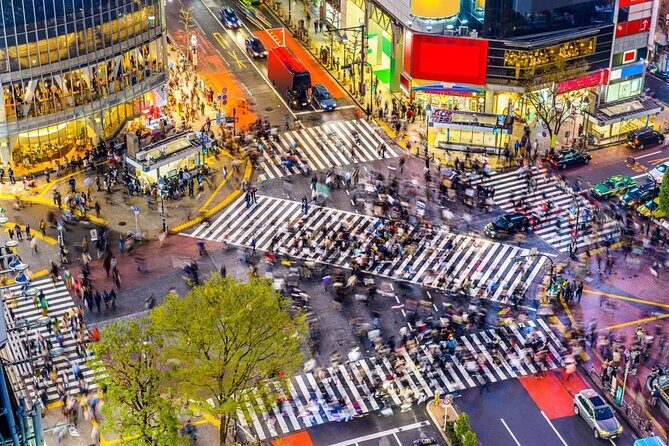
The workshop begins with a short chat about camera settings for night. Then you head to the world’s busiest crossing in Shibuya.
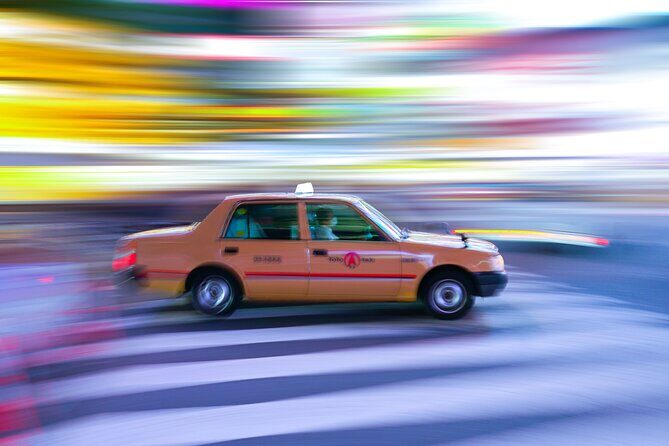
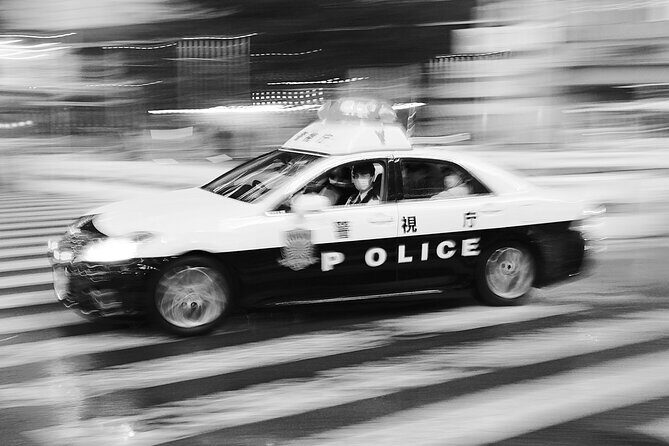
The main focus here is panning shots. That word can sound technical, but the goal is simple: you’re trying to show motion (people and cars moving through the frame) while still keeping your subject sharp enough to feel like a photograph, not a blurry accident.
Panning is the perfect skill to practice early because you can test and adjust quickly. If your shutter speed isn’t working, you’ll see it immediately. If your timing is off, you’ll feel it in the results. The crossing is full of movement, so you don’t get stuck waiting for the right moment.
Also, the Scramble Crossing gives you automatic “story.” You’re standing inside one of Tokyo’s most recognizable scenes, with layers of light and bodies moving in multiple directions. That complexity is great for street photography—but only if you learn how to handle it. That’s what this part is for.
Laurence’s Shibuya angles: side streets, neon layers, and “Blade Runner” framing
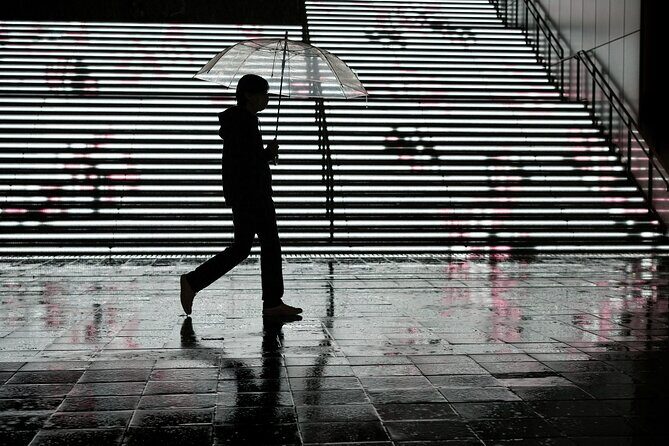
After the crossing, you’ll move to locations Laurence has discovered—places meant to capture Shibuya’s nighttime energy with a more stylized, Blade Runner–inspired look.
Here’s what I think is the real value: Laurence shares locations, but he also shares angles. A location can be amazing and still produce bland photos if you’re standing wrong. The reviews highlight that he helps you find the right viewpoint, and that he can explain how to capture the vibe of Shibuya at night.
You’ll also see examples of what you’re aiming for: graphic photography. That usually means bold shapes, high contrast, clear lines, and deliberate framing that makes neon signage feel like part of the composition rather than just background clutter.
And the pacing helps. Because you’re not stuck at one spot, you can try different approaches: one frame could be about motion, another about reflections, another about how signage cuts across the street.
One more detail that matters: Laurence is described as resourceful and able to improvise. That’s useful in a place like Shibuya, where street conditions can change fast. If a spot is crowded or visibility shifts, the workshop can adapt so you still leave with usable shots.
Night camera settings: what you learn and how to apply it on the fly
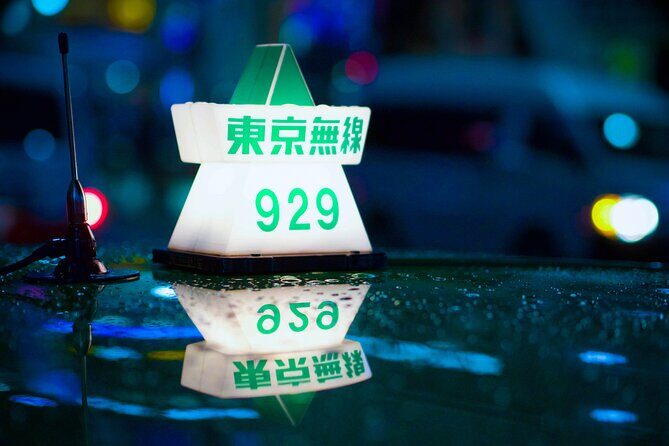
The workshop includes a brief chat about camera settings for nighttime photography. You can expect guidance on how to make the camera behave in low light—where your usual daytime habits often fail.
Even if you’re an amateur, the value here is that you’re getting the lesson at night, in the real scenes you’re photographing. So when Laurence explains how settings affect exposure, motion, and focus, you can test it immediately.
In practice, you’ll likely focus on a few big levers:
- Shutter speed for freezing detail versus showing motion trails (especially for panning)
- ISO for balancing brightness with noise in dark street scenes
- Focus and metering choices in environments with lots of bright signage and uneven lighting
What I appreciate is that the instructor can adapt explanations to what you’re using. One review specifically notes Laurence adapted to the participant’s camera brand, and another mentions an iPhone user joining successfully.
So you’re not forced into one rigid setup. You’re learning how to think about night light and movement, then translating it to your gear.





What you’ll take home (and why the 2 hours matters)
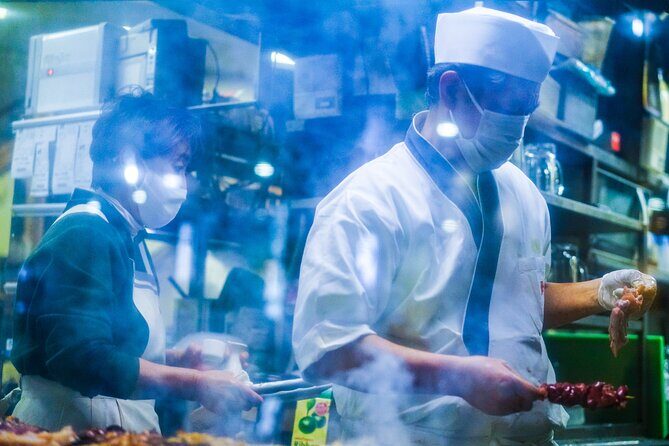
This is a 2-hour workshop. That might sound short, but for night street photography, short is often smarter.
Night has a time limit. People disperse, lights change, weather can shift, and the lighting mood can get better or worse quickly. A two-hour session keeps the focus tight: learn, practice, adjust, and move.
You’re also not paying for theoretical classroom time. You’re paying for a pro’s street knowledge plus a chance to shoot with feedback while you’re still in the glow of Shibuya.
If you want immediate improvement, this timing is good. You’ll likely leave knowing what to try next time—how to plan a shot faster, how to handle motion, and how to frame neon so it looks deliberate.
How much walking is involved, and who this is for
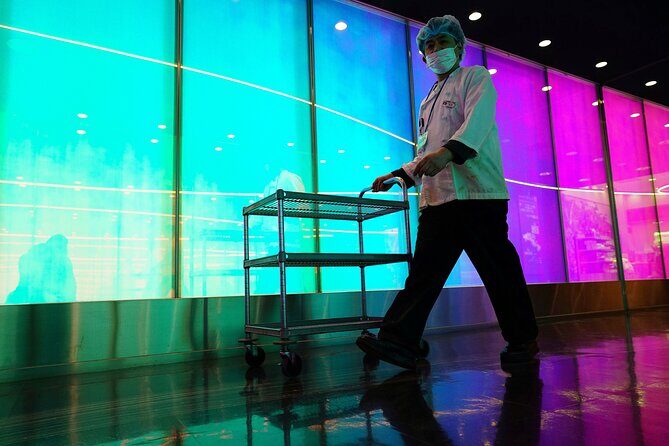
The activity calls for a moderate physical fitness level. That usually means you should be comfortable walking between photo stops and standing while you compose and shoot.
This workshop also works best for people who want to learn in the field. If you’re the type who likes prompts—try this angle, then try that motion—you’ll get a lot from it. If you prefer long, slow museum-style pacing, this may feel too active since you’ll be moving between locations to capture different night scenes.
Group size helps again here. With max 6 participants, the pace can be guided to the group, and Laurence can respond if someone is struggling with a setting or framing.
One review mentions an 11-year-old joining and having a great time. That doesn’t guarantee it’s ideal for every kid, but it suggests the workshop can work for younger participants who can handle night walking and a hands-on photo session with their parent.
Price and value: $97.98 for a pro-led neon photo shoot
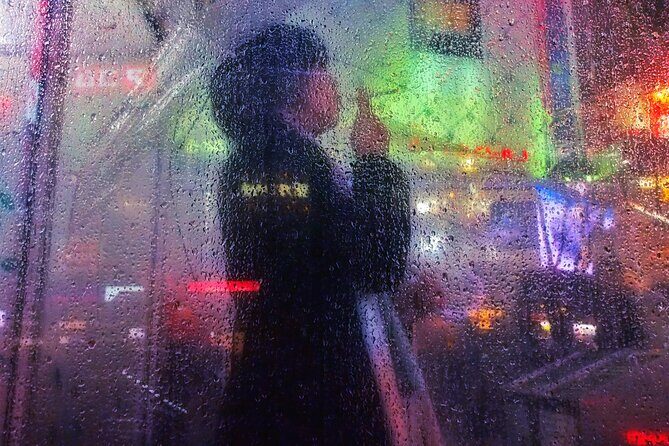
The price is $97.98 per person, for about two hours with Laurence Bouchard, an instructor who’s been shooting Shibuya for over 10 years.
Here’s why I think the value is real. You’re not just buying access to a famous place. You’re buying:
- instruction on night photography settings
- practice time for panning shots
- a curated route to locations Laurence knows
- feedback on angles and composition so your photos look planned, not accidental
In a city like Tokyo, the cost of “just wandering until you find a good spot” can be high, because you still need to know what to do with your camera once you get there. This workshop gives you that know-how while you’re surrounded by the exact subject matter—neon, motion, and street geometry.
Also, the group cap at 6 improves value. If you were paying a similar amount for a larger group, you’d likely get less direct feedback. Here, you’re more likely to be seen and helped while you’re shooting.
When to go (and a smart caution about Japanese holidays)
Shibuya photo workshops can be affected by crowds, access, and lighting. One caution you should take seriously: if you’re booking during Japanese holidays, some locations may be harder to access and lighting conditions may not be ideal.
So if your dates are flexible, consider choosing a night outside the busiest holiday periods. If you can’t, don’t panic—many parts of Shibuya still offer great photo opportunities—but plan to accept that the route could be more limited than on a typical weekday.
Weather is another practical factor for night shooting (not listed as a special issue here, but it always matters). If rain or heavy cloud changes how neon reflects off the street, your results may shift. That can still be fun, but just remember it changes the look.
Should you book this Shibuya Blade Runner photo workshop?
I’d book this if you want faster improvement than trial-and-error city wandering, and if you like the look of neon street photography with motion. Laurence Bouchard’s long familiarity with Shibuya, plus coaching focused on night settings and panning, makes this a strong value for the money.
You’ll probably love it if:
- you’re learning night photography and want specific guidance
- you want to try panning shots with real street movement
- you want a guided route to angles you wouldn’t find as easily
I’d think twice if:
- you dislike walking and standing for shooting practice
- you want a slow, casual stroll with lots of downtime
- you’re set on one exact spot every time, since the workshop depends on access and conditions at night
If you’re aiming for photos that look like they belong in a neon sci-fi scene—without giving up the technical side—this workshop is a smart pick.
FAQ
How long is the Blade Runner photo workshop in Shibuya?
It runs for about 2 hours.
Where does the workshop start and when?
It starts at Cerulean Tower Tokyu Hotel in Shibuya at 7:30 pm.
What is the group size?
The workshop has a maximum of 6 travelers.
Do I need a specific camera?
The workshop focuses on learning nighttime photography settings, and it also includes guidance adapted to the camera brand people are using. At least one review mentions using an iPhone.
Will we practice panning shots?
Yes. The workshop includes practice at the Shibuya crossing with a focus on panning shots.
Is the tour near public transportation?
Yes, the meeting point is described as near public transportation.
What’s the cancellation policy?
Free cancellation is available up to 24 hours before the start time for a full refund.