REVIEW · KYOTO
Fish cutting class
Book on GetYourGuide →Operated by Fish cutting class · Bookable on GetYourGuide
Knife work in a 400-year fish shop? I like that you start with whole fish and do the cutting yourself, and that the results land on your plate as sashimi and carpaccio. I also like the friendly, hands-on teaching style of instructor Masashi in English, including on-the-spot corrections. The main drawback to consider is simple: you’ll need to wear clothes that can get dirty.
This class runs 150 minutes in a small group of up to 8 people, meeting at Kimura in Kyoto’s Nishiki Market. You’ll get practical gear on arrival, including gloves, an apron (blue and orange), and a knife to use during the session. And yes, you can take a commemorative photo with the fish.
The meal is part of the point, not an afterthought. You’ll end up eating what you processed, with rice and soy sauce options including gluten-free and halal soy sauce.
In This Review
- Key things you’ll notice right away
- Why Kimura’s fish cutting class feels different from a typical sushi workshop
- Price and what you’re really paying for ($77 per person)
- Getting oriented at Nishiki Market: meeting at Kimura and settling in fast
- The 150-minute flow: from whole fish to sashimi and carpaccio
- Step 1: meet the fish and learn the basics
- Step 2: you fillet, with guidance in real time
- Step 3: learn careful cutting techniques
- Step 4: you make sashimi and carpaccio
- Step 5: lunch from your own work
- Knife skills you can use again, even if you never become a fishmonger
- Lunch tastes better for a reason: you control freshness and the cut
- Diet notes that actually matter: gluten-free and halal soy sauce
- Who this class suits best (and who should rethink it)
- Practical tips so the mess doesn’t ruin your day
- Should you book this fish cutting class at Kimura in Nishiki Market?
- FAQ
- How long is the fish cutting class?
- Where does the class meet?
- Is the class taught in English?
- Is there a group size limit?
- What’s included in the price?
- Do I need to bring anything?
- Is the class suitable for children?
- FAQ
- Does the class include cancellation flexibility?
- Are gluten-free and halal options available?
- Are alcohol or beer included?
- What about dietary or soy sauce questions?
- Is nudity allowed during the class?
- Who is the class best for?
- Can I book and pay later?
Key things you’ll notice right away
- A 400-year fish shop setting (Kimura, Nishiki Market) that makes the work feel real
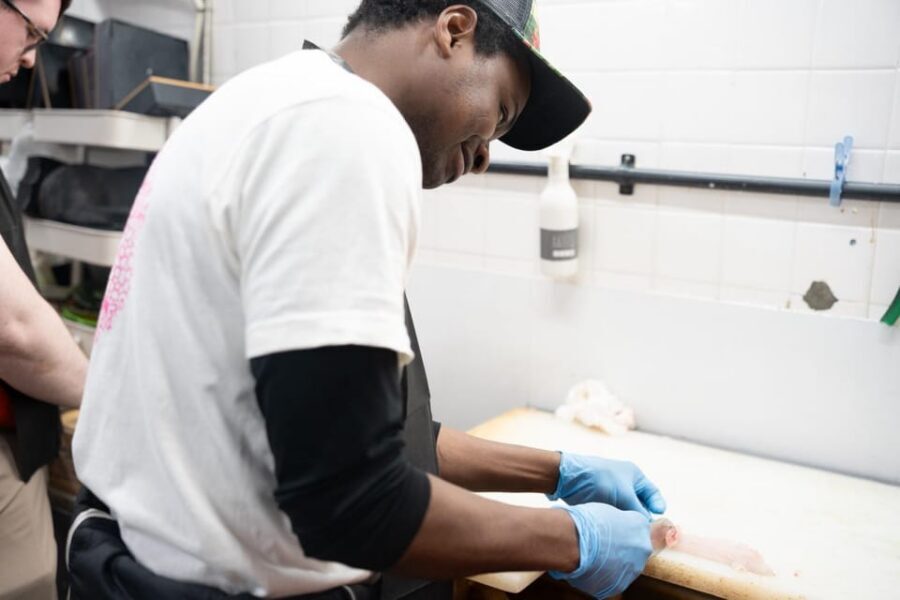
- Hands-on fish cutting from start to finish, not just watching
- Sashimi plus carpaccio, using the fish you filleted
- Small group of 8 and English instruction, so you can actually ask questions
- Soy sauce options including gluten-free and halal
- Commemorative photo with the fish, which sounds small until you’re standing there
Why Kimura’s fish cutting class feels different from a typical sushi workshop
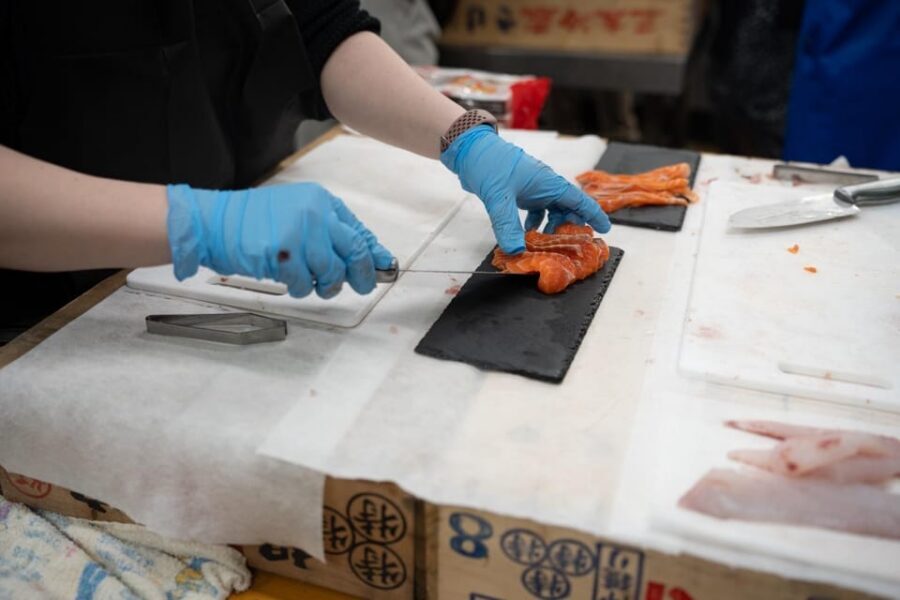
Most food classes teach you how to assemble. This one teaches you how to handle the ingredient first. That shift changes everything: when you cut the fish yourself, you start noticing texture, thickness, and how a clean cut affects the final bite.
The setting helps too. You’re working inside a long-running fishmonger shop in Nishiki Market, and that matters because fish handling is not an abstract skill. It’s a job with standards, speed, and respect for the product.
The “best sashimi is the one you make yourself” idea is easy to say. The real value here is that you learn the process that chefs take for granted, then you eat the proof.
A few more Kyoto tours and experiences worth a look


Price and what you’re really paying for ($77 per person)
At $77 for 150 minutes, this isn’t “cheap,” but it also isn’t overpriced if you think about what’s included. You’re paying for whole-fish handling, instruction, and a meal made from the fish you work on.
Compare it to a class that only covers rolling or plating. Here, the cost covers both skill-building (knife work and filleting) and food quality (fresh fish you processed). Also, your gear is provided: knife, apron, and gloves, plus soy sauce and carpaccio sauce.
If you’re the kind of traveler who loves food and wants a skill you can actually explain later, this price tends to feel fair.
Getting oriented at Nishiki Market: meeting at Kimura and settling in fast
You’ll meet at Kimura in Nishiki Market. If you’re already planning a day around the market area, this is a convenient anchor, since you’re in the heart of Kyoto’s food scene.
When the class starts, you’ll be set up with a blue and orange apron, plus rubber gloves and a knife to use. That means you don’t have to guess what tools you’ll need, and you can focus on learning rather than preparing.
Timing is straightforward: the whole session is 150 minutes. If you’re pairing it with other market walks, I suggest building in a little buffer afterward, since you’ll finish by eating a meal you made.
The 150-minute flow: from whole fish to sashimi and carpaccio
The session follows a clear rhythm, and that’s part of why it works. You’re not dropped into the deep end without context.
Step 1: meet the fish and learn the basics
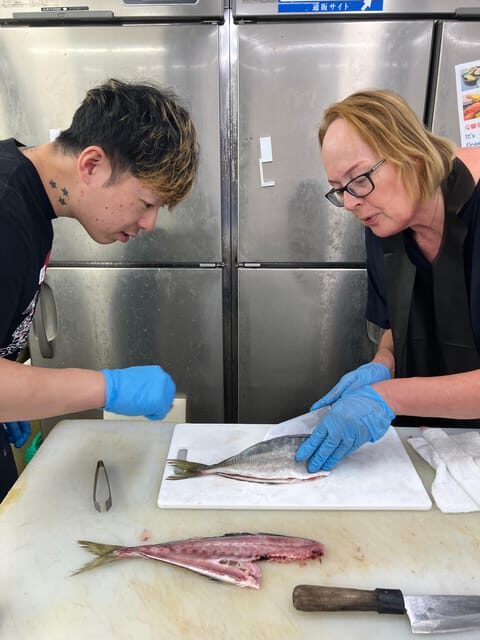
The instructor starts by introducing themselves, then you watch fish processing as the class gets going. You’ll see filleting in action first, so you understand the sequence before your hands take over.





Step 2: you fillet, with guidance in real time
After the initial demonstration, participants begin filleting. This is where patience matters, and it’s built into the class style. Masashi guides you step by step and corrects mistakes on the spot, which keeps the session from turning into frustration.
Step 3: learn careful cutting techniques
Once you’ve made your first attempts, the teaching becomes more specific. You’ll be shown how to handle the knife carefully and how to work with the fish rather than fighting it.
Step 4: you make sashimi and carpaccio
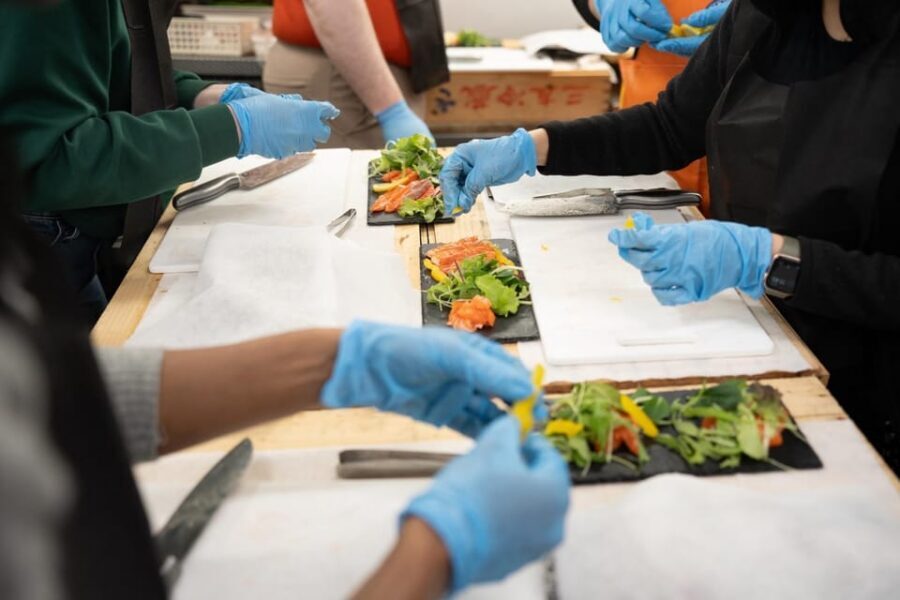
After filleting, you move into presentation and cutting for eating. You’ll make sashimi from the fish you filleted, and you’ll also prepare carpaccio. That’s a meaningful difference from many workshops, which focus on only one final style.
Step 5: lunch from your own work
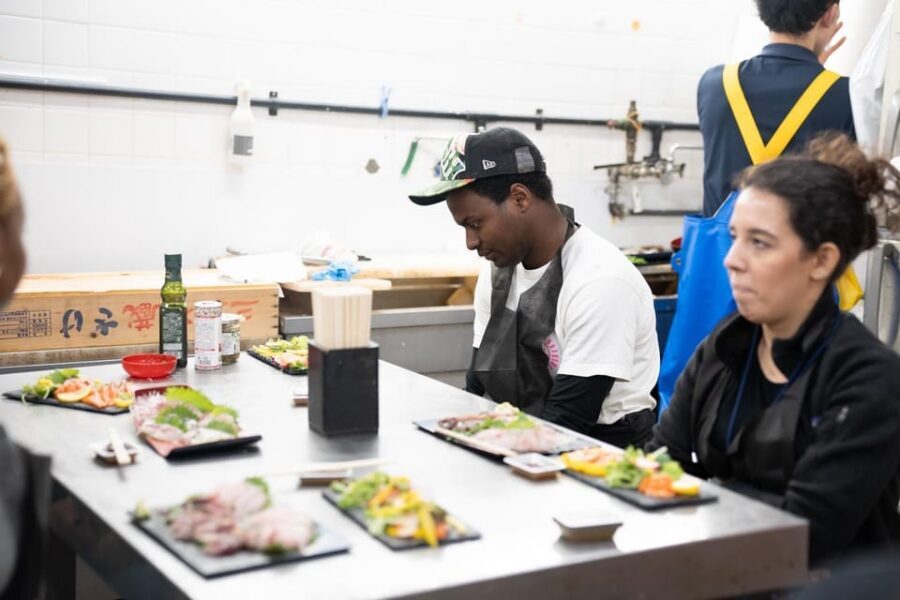
Finally, you eat what you prepared. Lunch includes rice, plus soy sauce for your sashimi and carpaccio sauce for the carpaccio. The class ends the way it should: with your hands doing the work, then your mouth confirming whether it was worth it.
Knife skills you can use again, even if you never become a fishmonger
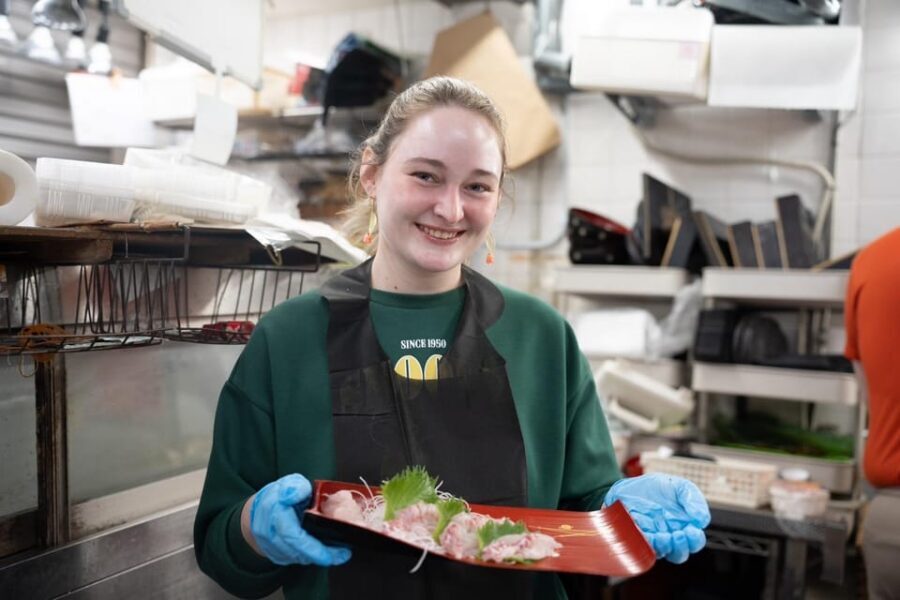
This class is hands-on, but it’s not just about the spectacle of cutting fish. You’ll learn fundamentals that help you understand why Japanese chefs care about precision.
The biggest “transfer” is how you think about cuts. You start paying attention to angle, control, and consistency. Even if you never repeat fish filleting at home, you’ll be more aware when you eat sashimi out later, because you’ll recognize the difference between a rough cut and a clean one.
Also, the instruction style matters. Reviews highlight how Masashi gives detailed guidelines and corrects issues immediately. That kind of feedback is useful because it prevents you from learning bad habits along the way.
Lunch tastes better for a reason: you control freshness and the cut
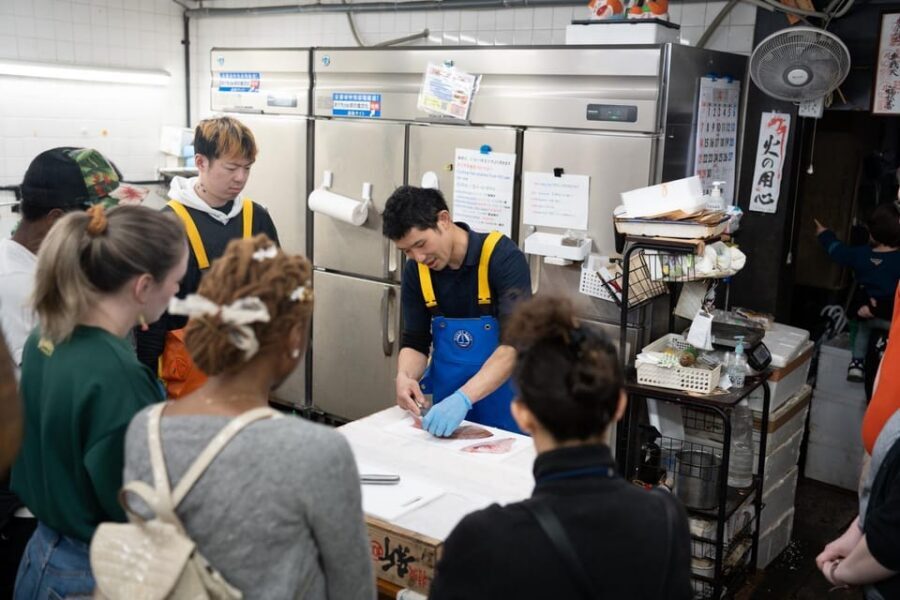
There’s a reason people call sashimi simple. It only works when the fish is treated right and cut with care. When you handle the fish yourself, you notice more than just flavor.
You also understand something practical: how much the cut affects texture. Your lunch is not just a reward; it’s the lesson. Eating your own sashimi and carpaccio makes it obvious why chefs obsess over the final slice.
Another small detail that helps: you get rice with the meal. It balances the experience, so you’re not trying to power through raw fish on an empty stomach. It also makes the meal feel like a real Japanese lunch rather than a demo you watch and then leave.
Diet notes that actually matter: gluten-free and halal soy sauce
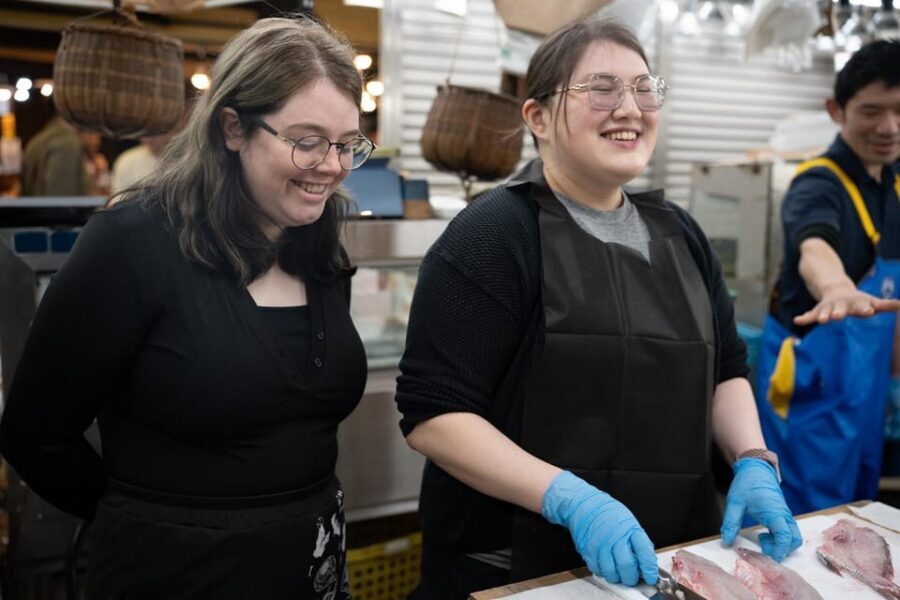
Food classes can stumble when diets are involved. Here, you’ll find practical support: gluten-free soy sauce and halal soy sauce are available.
That’s important because soy sauce is often the make-or-break flavor for sashimi. Having options means you can focus on learning the cutting and enjoying the meal, instead of worrying whether you’ll be able to eat.
If you have allergies or other dietary needs beyond what’s listed, ask in advance. The class is designed to work with key soy sauce needs, but you should confirm anything more specific.
Who this class suits best (and who should rethink it)
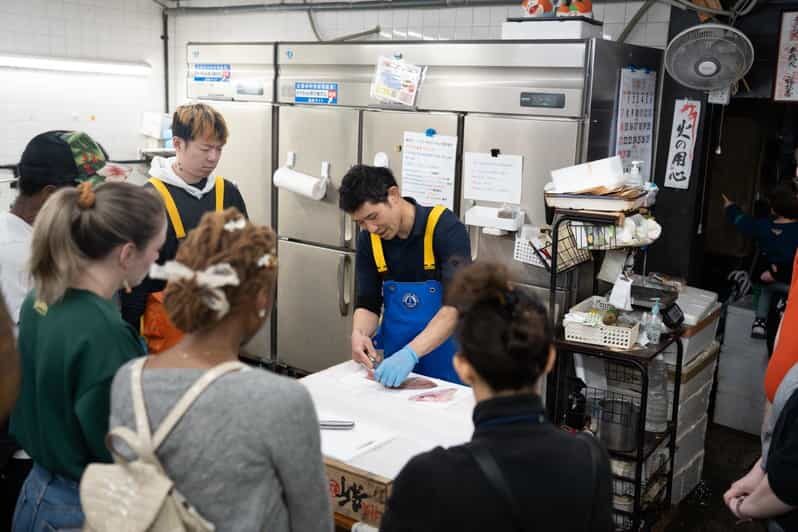
This is a beginner-friendly experience, which is a big plus if you’re nervous about knives. The class is also small, limited to 8 participants, so you get more attention than you would in a large demo-style group.
It’s a great fit if you want more than “sushi making.” This course starts with raw fish handling and ends with you eating what you processed, which builds a deeper understanding of Japanese food culture.
It’s not a fit for children under 10. Also, keep in mind you’ll be working around knives and raw fish, so the class has a rule against nudity, and you should plan to follow the workshop’s expectations for clothing and behavior.
Practical tips so the mess doesn’t ruin your day
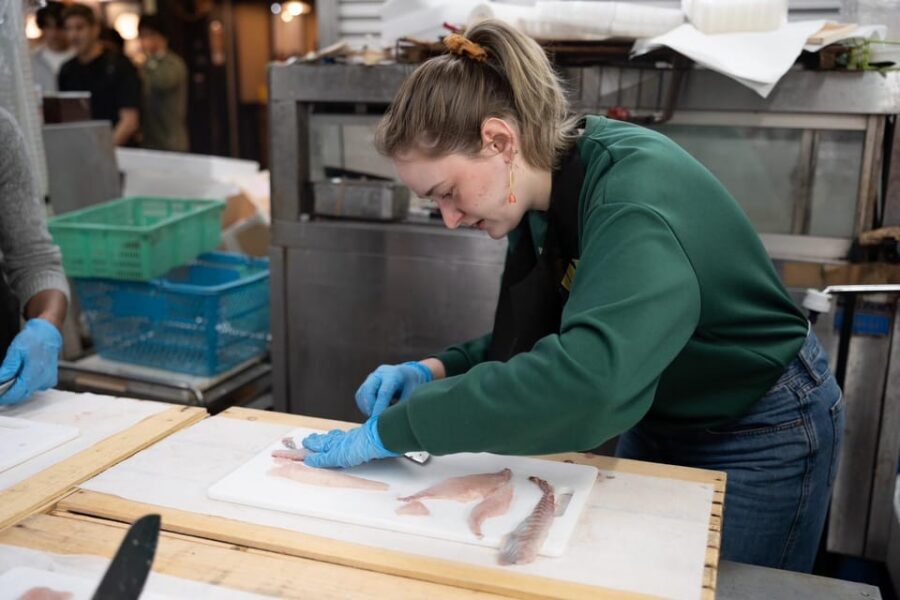
You should come with clothes that can get dirty. That one instruction carries a lot of weight. Even with gloves and an organized workflow, fish work is practical, not sterile.
Wear what you’re comfortable getting stained or smelling faintly after. If you’re doing this right before another event, it may be wise to plan a change of clothes afterward.
One more tip: bring your curiosity. This class rewards attention and willingness to try. If you go in thinking you’ll just “get through it,” you’ll miss the real payoff, which is understanding what you’re doing and why.
Should you book this fish cutting class at Kimura in Nishiki Market?
Book it if you want a food experience that teaches skill, not just steps. The value is in the full arc: you handle the fish, you learn how to cut it, you make sashimi and carpaccio, and you eat the results.
Skip it if you prefer to observe rather than participate, or if you’re uncomfortable with raw seafood and knife work. Also, if you’re traveling with kids under 10, this one won’t match your group.
If you’re choosing between a “sushi class” and a “fish cutting class,” this tends to be the better pick for anyone who loves texture, technique, and that rare feeling of tasting something you made from the beginning.
FAQ
How long is the fish cutting class?
The class lasts 150 minutes.
Where does the class meet?
It meets at a fish shop called Kimura in Nishiki Market.
Is the class taught in English?
Yes, the instructor teaches in English.
Is there a group size limit?
Yes. The class is limited to a small group of up to 8 participants.
What’s included in the price?
You handle the fish, and you’ll also get rice, the knife and apron, rubber gloves, soy sauce, and carpaccio sauce.
Do I need to bring anything?
You should wear clothes that can get dirty.
Is the class suitable for children?
No. It is not suitable for children under 10 years old.
FAQ
Does the class include cancellation flexibility?
Yes. You can cancel up to 24 hours in advance for a full refund.
Are gluten-free and halal options available?
Yes. Gluten-free soy sauce and halal soy sauce are available.
Are alcohol or beer included?
No. Beer and alcohol are not included.
What about dietary or soy sauce questions?
If you have specific needs related to soy sauce, feel free to inquire in advance since gluten-free and halal soy sauce are offered.
Is nudity allowed during the class?
No. Nudity is not allowed.
Who is the class best for?
Beginners are welcome, especially if you want to learn basic fish handling and knife work and then eat what you prepare.
Can I book and pay later?
Yes. You can reserve now and pay later to keep your travel plans flexible.