A walk through Asakusa Kappabashi can feel like shopping, but this one has a teacher built in. You’ll move shop to shop to see how Japanese food tools get made, from hon-yaki knife traditions to practical tableware you’ll actually want at home. You also get the sense that someone is showing you the real logic behind what locals buy.
I love two things most: first, the way the guide connects sword-passed-down skills to today’s knives, so “sharp” becomes a craft story you can understand. Second, you get focused access to souvenir hunting, including tableware that’s only available in Asakusa Kappabashi, plus one Japanese-made product you won’t find just anywhere. One drawback to consider is that shopping costs aren’t included, and this route makes impulse buys very easy.
In This Review
- Key Points You Should Know Before You Go
- Getting Started Near Wawaramachi and 田原町駅
- The Knife Story: From Samurai Techniques to Hon-yaki Steel
- Dengama, Majimaya, and the Shops Where Kitchen Taste Starts
- TSUCHI-YA Glassware and Craft Pieces You’ll Actually Want to Pack
- Hashitou and Iidaya: Specialty Tableware Without the Tourist Filter
- CUTLERY TSUBAYA and the Rare Water-Hardened Focus
- Food Samples and the Kitchen-Prop Side of Japanese Culture
- How Hirose-san Keeps the Walk Efficient (Even on Hot Days)
- Price and Value: Is $19 Worth a 2-Hour Private Crawl?
- Who This Tour Fits Best
- Should You Book This Hidden Tokyo Kitchen Street Tour?
- FAQ
- Where is the meeting point for the tour?
- How long is the tour?
- How much does it cost?
- What’s included in the price?
- What’s not included?
- What languages is the tour guide available in?
- Is it a private group?
- What stops will we visit during the walk?
- Can I cancel for a refund?
- What should I expect to learn during the tour?
Key Points You Should Know Before You Go
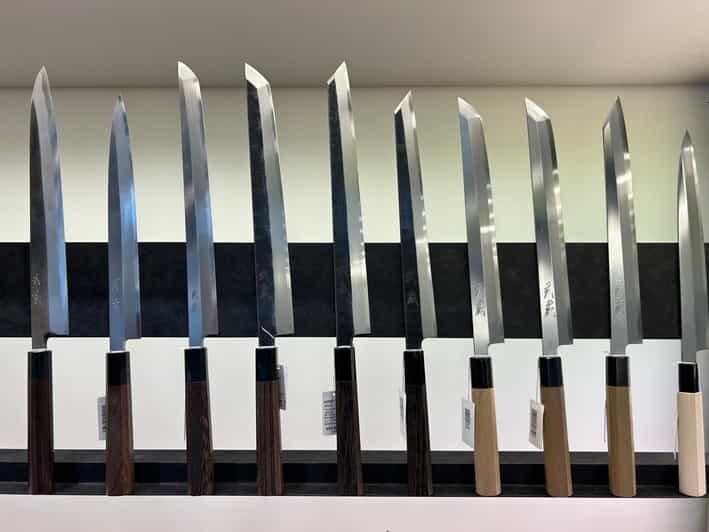
- Hon-yaki knife craft explained in plain language, including water-hardened options that are hard to find
- Souvenir tableware you can’t easily replace elsewhere, tied to Asakusa Kappabashi
- A short, efficient 2-hour route, with time at multiple specialist shops
- Japanese food culture through tools, from knives and chopsticks to food samples
- Local guide energy, including practical tips for Asakusa and even restaurant ideas
- Great for families, since the pace and explanations work well for kids
Getting Started Near Wawaramachi and 田原町駅
You start in the Asakusa-area transit zone, with the practical meeting point at Wawaramachi metro station (exit 3). The guide carries a sign stating GetYourGuide, which makes it easier to spot them fast, especially if you’re arriving from a packed afternoon of Tokyo walking.
Plan for a relaxed start. The experience runs about 2 hours, and the shop stops are designed to feel walkable, not rushed-chaotic. You’ll be most comfortable if you wear shoes that can handle a steady pace through store fronts and narrow aisles.
If you’re trying to build a Tokyo day around Asakusa, this is a clean add-on. It’s close to major sightseeing, yet it focuses on a very specific corner of Japanese daily life: the tools behind good meals.
You can also read our reviews of more guided tours in Tokyo

The Knife Story: From Samurai Techniques to Hon-yaki Steel
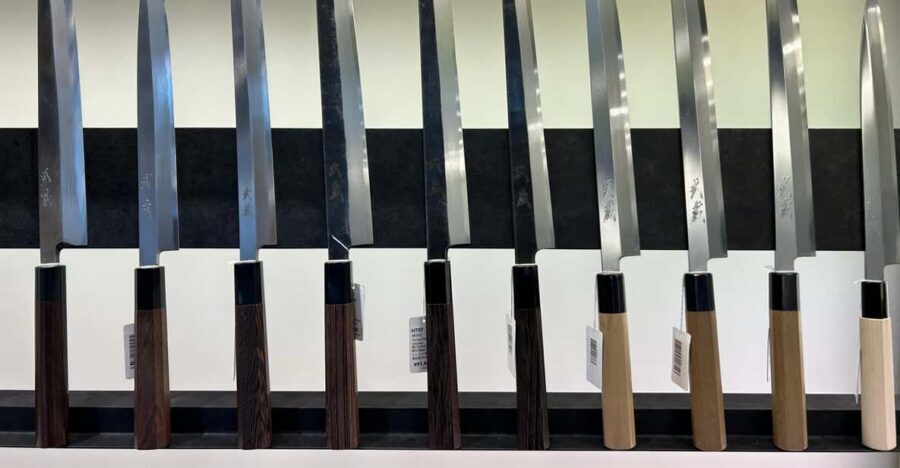
The heart of the experience is the idea that knife-making in Japan is not just industrial output. It’s tied to techniques that were once used for swords, and that connection matters once you start paying attention.
You’ll hear about hon-yaki, knives made by punching a single piece of steel out of a block, following a forging approach similar to the traditional hon-forging idea behind Japanese sword craft. In normal store browsing, you might only notice the blade design. Here, you learn what to look for and why certain craftsmanship details exist.
Then comes one of the most compelling details: water-hardened knives. The tour highlights that these are extremely rare and require advanced techniques. Even if you’re not buying a knife, the explanations help you read what you’re seeing, instead of just admiring aesthetics.
If you’ve ever wondered why Japanese knives can feel so different from what you’re used to, this is where the answer starts to click. The goal isn’t to overwhelm you with jargon. It’s to give you a real framework for understanding material, process, and the “why” behind the price.
Dengama, Majimaya, and the Shops Where Kitchen Taste Starts
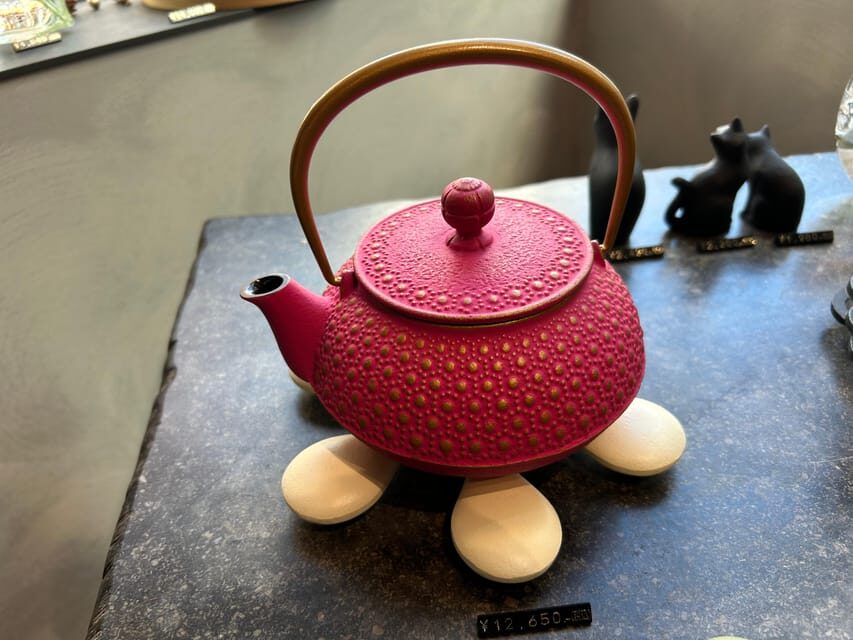
After getting your bearings, you’ll head to several specialist shops—each with its own flavor. Stops like Dengama and Majimaya give you a quick education in what Japanese kitchens prioritize: not only performance, but also how tools and tableware fit into everyday rituals.
These early stops are also a good place to calibrate your souvenir thinking. You’ll start seeing patterns: which materials are common, which items feel made for daily use, and which pieces look like they belong in a shop window but would also function at your own dining table.
You’ll also be learning by walking. You’ll spend roughly 15 minutes per stop, which is a helpful tempo—long enough to ask questions and notice details, short enough to stay fresh. If you’re traveling with kids, this pacing tends to keep attention from drifting, because you’re moving before boredom sets in.
One more benefit: going in with a guide often makes the stores feel less intimidating. Instead of wandering, you’re following a route that nudges you toward items worth seeing and understanding.
TSUCHI-YA Glassware and Craft Pieces You’ll Actually Want to Pack
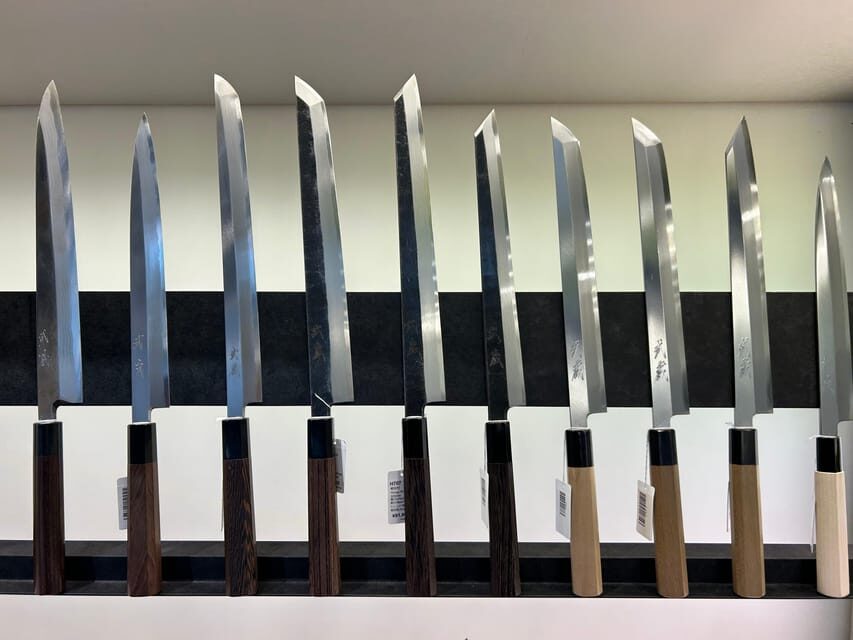
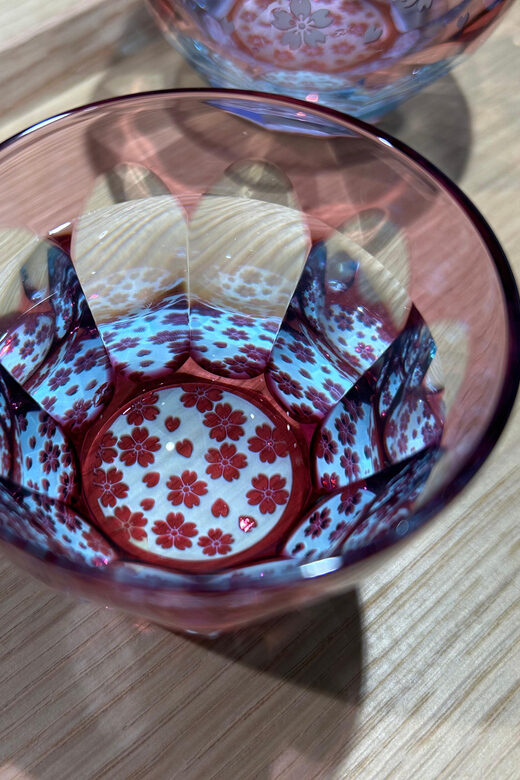
At TSUCHI-YA ガラスの器と工芸, the focus shifts from cutting tools to things that shape the look and feel of meals. Glassware and craft pieces here are the kind of souvenir that doesn’t feel like clutter, because they tie to actual table settings.
This stop is useful if you like practical art—items that look good and still earn a place in routine. When you see how glass is used in Japanese dining, you also start noticing how tableware choices change the vibe of a meal, from breakfast tea cups to dinner plating.
A small consideration: glass souvenirs require care when traveling. The tour doesn’t change that reality, so I’d only recommend heavier or delicate pieces if you’ve got a safe way to pack them. If not, you can still enjoy the shop for ideas and smaller items.
Hashitou and Iidaya: Specialty Tableware Without the Tourist Filter
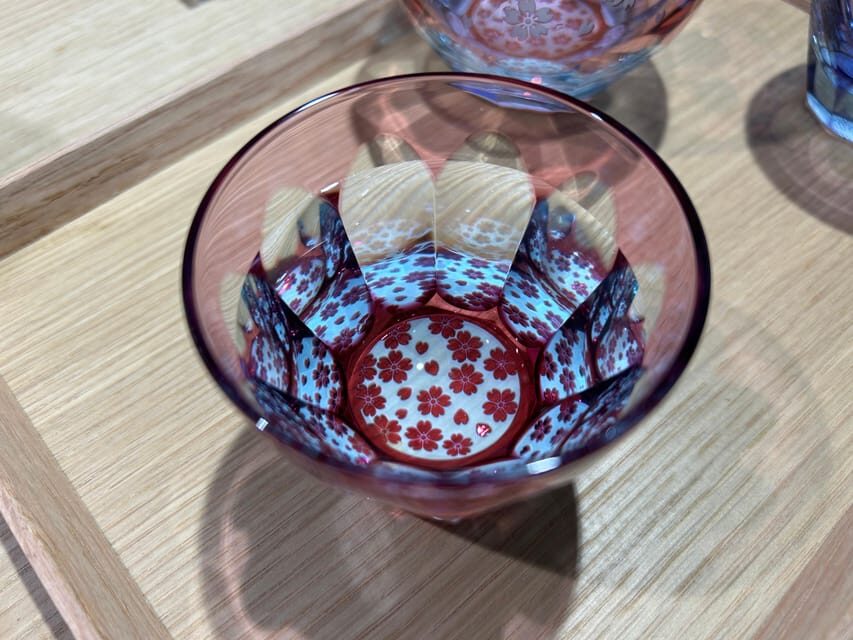
Hashitou and Iidaya add variety to the route, and that variety is the point. This isn’t one store, one knife, one photo, done. It’s a sequence of specialists that helps you understand how many kinds of “kitchen value” Japan has—some are about performance, others about presentation, and many are about both.
These kinds of shops are where you learn to spot quality cues without needing a degree. You’ll get time to browse with a guide’s framing, which makes a big difference when you’re standing in front of similar-looking items.
You’ll also get a clearer sense of what makes Asakusa Kappabashi special. The tour highlights that you can buy tableware souvenirs that are only available in this area. That means you’re not just buying a generic kitchen store item—you’re buying something with a local supply chain and identity.
If you’re shopping for gifts, these stops are strong. Practical items travel well, and food-tool gifts tend to be appreciated because they connect to real use.






CUTLERY TSUBAYA and the Rare Water-Hardened Focus
When you reach つば屋庖丁店 | CUTLERY TSUBAYA, you’re in the part of the walk most people remember. This is where the knife craft story becomes tangible.
The tour emphasizes the craftsmanship behind knives, especially the rare water-hardened types and the broader hon-yaki forging concept linked to sword-making heritage. It’s the kind of explanation that makes the blade feel less like a commodity and more like a tool created with intention.
Even if you don’t buy, you’ll leave with sharper questions for any knife shop you visit later. What steel is it using? How is it made? Why does the blade behavior matter? Those answers come from seeing how the guide connects process to outcomes.
And here’s the subtle value: when you understand the craft, you shop smarter. You can compare what you’re looking at without being pushed by pure marketing. That’s especially helpful because shopping costs aren’t included, and you’ll likely be tempted to test your budget.
Food Samples and the Kitchen-Prop Side of Japanese Culture
A big surprise for many people is how much personality Japanese food has—even before it’s served. The stop at Ganso Shokuhin Sample-ya Kappabashi Showroom gives you a look at food samples, those incredibly realistic displays used to represent dishes.
This isn’t just quirky. It teaches you something about how Japanese restaurants think: make the promise visible. That mindset connects back to the rest of the tour—knives, tableware, and tools all support the same goal of consistent food experience.
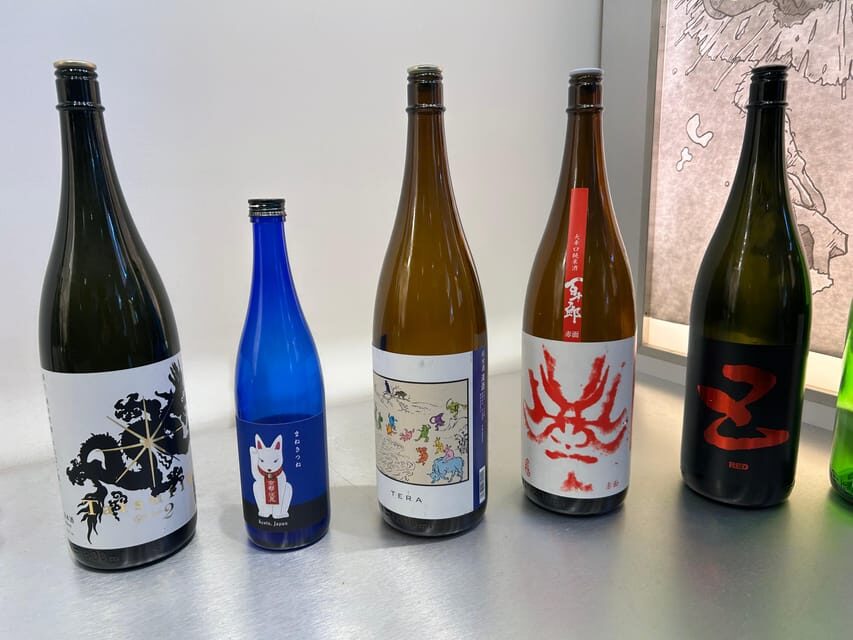
Then there’s MUSASHI JAPAN 合羽橋店 Knife & Sake Shop, where the atmosphere broadens again. You’ll see how knives can sit next to other kitchen and drink culture items, so the shopping experience feels like a whole ecosystem rather than a one-category stop.
This combination is great if you’re the type who likes themed souvenirs. You won’t just walk out with random purchases. You’ll understand how everything fits together: cutlery, presentation, and the visual language of dining.
How Hirose-san Keeps the Walk Efficient (Even on Hot Days)
One thing that really stands out from the experience feedback you can feel in the structure: the guide Hirose-san is attentive and organized. On hot days, the tour is run in a way that helps you keep moving efficiently between stores, instead of losing time backtracking or getting stuck in overwhelm.
That matters for two reasons. First, the route is short—about 2 hours—so your guide’s planning affects how much you actually see. Second, this is shopping-adjacent, and when you’re not rushed, you can focus on quality and questions rather than just grabbing items fast.
Hirose-san also brings local context beyond the shops. You’ll pick up practical tips for activities and restaurants in Tokyo, with a strong emphasis on Asakusa. Some of the best moments of a local guide tour aren’t the purchases at all—they’re the insider recommendations you can use the rest of your trip.
It’s also a good sign for families. A guide who can explain calmly and keep the pace manageable makes the difference between a tour that works for adults only and one that still feels fun for kids.
Price and Value: Is $19 Worth a 2-Hour Private Crawl?
At $19 per person for a 2-hour private walking tour, the value is surprisingly solid. You’re not just getting store access. You’re getting a guide who helps you interpret what you’re seeing and spot items that connect to the local Asakusa Kappabashi identity.
What you should know about cost balance:
- Included: tour guide and walking tour
- Not included: shopping costs at stores and transportation expenses (self-pay)
So the real decision point is how likely you are to buy. If you want to shop, your money goes further because you’re shopping with context, not guessing. If you don’t plan to buy much, you’re still getting education and a structured way to explore an area that’s easy to miss if you treat it like a normal street market.
For me, the biggest value isn’t the price tag. It’s that the tour turns a shopping zone into a craft-focused lesson. That makes it one of those experiences that stays useful, even after you’ve left the store.
Who This Tour Fits Best
This works especially well if you fall into one (or more) of these categories:
- You love Japanese tools and want to understand what you’re looking at, not just take photos
- You want souvenirs that feel local and practical, including tableware tied to Asakusa Kappabashi
- You’re interested in Japanese knife craft, including hon-yaki ideas and water-hardened rarity
- You’re traveling with kids and want a guided pace that can handle questions
- You want restaurant and activity ideas for Asakusa from someone who knows the area
If you hate shopping and prefer strict sightseeing only, you might feel the store-heavy nature. But even then, the knife craft story and food sample culture make it more than just retail.
Should You Book This Hidden Tokyo Kitchen Street Tour?
I’d book it if you want a short, guided way to see why Japanese kitchen culture is so detailed. The combination of knife craft context, tableware souvenir focus, and food sample culture makes the 2 hours feel purposeful, not random.
Skip it only if you truly don’t want to spend time in shops or you’re hoping for mostly outdoor views and big landmarks. This is about craft, tools, and local buying logic—and if that’s your kind of travel, it’s a great use of time in Asakusa.
FAQ
Where is the meeting point for the tour?
Meet at Wawaramachi metro station, exit 3. The guide will have a sign stating GetYourGuide.
How long is the tour?
The tour lasts about 2 hours.
How much does it cost?
The price is listed as $19 per person.
What’s included in the price?
The tour includes a tour guide and a walking tour.
What’s not included?
Shopping costs at each stores are not included, and transportation expenses are self-pay.
What languages is the tour guide available in?
The tour guide is available in Japanese, English, and German.
Is it a private group?
Yes, it’s listed as a private group.
What stops will we visit during the walk?
The guided walk includes visits to Dengama, Majimaya, TSUCHI-YA ガラスの器と工芸, Hashitou, Iidaya, つば屋庖丁店 | CUTLERY TSUBAYA, Ganso Shokuhin Sample-ya Kappabashi Showroom, and MUSASHI JAPAN 合羽橋店 Knife & Sake Shop.
Can I cancel for a refund?
Yes. Free cancellation is available up to 24 hours in advance for a full refund.
What should I expect to learn during the tour?
You’ll learn about Japanese products used in the kitchen, including the craft background behind hon-yaki knives and rare water-hardened knives, plus see a variety of tableware and food-related items like chopsticks and food samples.