REVIEW · TOKYO
Kimono Art Workshop in Tokyo
Book on Viator →Operated by Beauty of Japan · Bookable on Viator
Your kimono souvenir gets personal fast. This Tokyo eco-friendly kimono art workshop turns what you learn about kimono patterns into a physical art panel you take home. I love the mix of culture and hands-on making, and I really like the sustainable angle of repurposing vintage textiles. The main drawback to consider is that this is a set-piece workshop, so you will leave with a finished panel rather than a full clothing customization experience.
You’ll get guided by kimono experts, including instructors Yuki and Kasumi, with English support noted by many participants. I also like that the workshop covers regional styles, so the fabrics you choose (from Okinawa to Kyoto) come with meaning, not just looks. One more thing to keep in mind: it is only about 1.5 hours, so you’ll want to arrive ready to focus.
In This Review
- Key Highlights You’ll Care About
- Why This Kimono Art Workshop Feels Different From Typical Tokyo Shopping
- Getting There: Hatchobori Meeting Point and the Small-Group Advantage
- The Learning Segment: Kimono Culture, Regional Differences, and Meaning in the Design
- Picking Your Fabrics: Bingata, Oshima Tsumugi, Kaga Yuzen, and Kyo Yuzen
- Making Your Kimono Art Panel in About 90 Minutes
- What’s Included for $58.79, and Why the Value Works
- Who Should Book This Workshop (and Who Might Skip It)
- Should You Book the Kimono Art Workshop in Tokyo?
- FAQ
- How long is the kimono art workshop?
- Where do I meet, and where does it end?
- What is included in the price?
- Is hotel pickup or drop-off included?
- Do I need prior kimono or art experience?
- Can I get a full refund if I cancel?
Key Highlights You’ll Care About
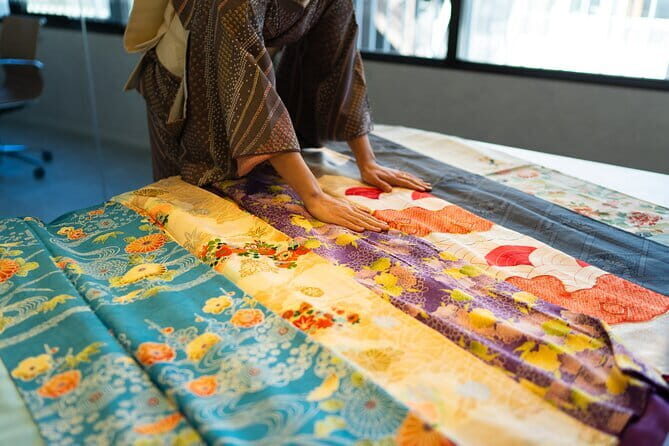
- Vintage fabric repurposing: you transform old kimono textiles into new wall-ready art
- Regional kimono style choices: Bingata, Oshima Tsumugi, Kaga Yuzen, and Kyo Yuzen options shape your final piece
- Expert instruction in English: Yuki and Kasumi guide you step-by-step
- Small group setting: maximum 6 travelers means more hands-on attention
- Beginner-friendly creative process: simple techniques and clear directions help you feel capable
- A keepsake with story: you learn the cultural significance behind what you’re making
Why This Kimono Art Workshop Feels Different From Typical Tokyo Shopping
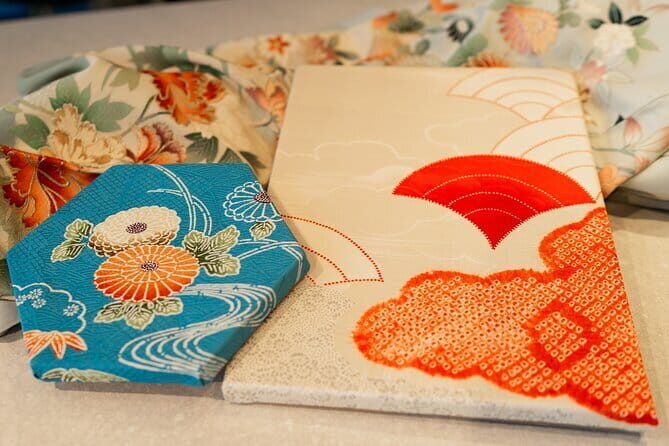
Most Tokyo souvenirs are either decorative or edible. This is different. You’re not buying a pre-made item. You’re making a kimono art panel from vintage kimono textiles, then taking it home as a wall-hanging style keepsake.
What I like most is the balance: you get the cultural side first, then you get to use that knowledge right away. The workshop isn’t only about craft technique. You learn how kimono fits into Japanese life, including history and the cultural significance of design, and you also hear about traditional kimono styles across different regions. That context makes your final panel feel intentional rather than random.
The second big win is the sustainability approach. Instead of treating kimono fabric as something untouchable or destined for display only, you repurpose authentic vintage patterns into art. It’s a “use what already exists” kind of creativity, and it turns your souvenir into something more meaningful than just another shelf item.
There is one practical consideration. This is a structured workshop with a fixed format: learn, choose fabric, create one art panel. If you’re hoping for a long, flexible tailoring session or a full kimono dressing experience, this won’t match that. But if you want a relaxing creative day with learning built in, it’s a strong fit.
A few more Tokyo tours and experiences worth a look



Getting There: Hatchobori Meeting Point and the Small-Group Advantage
The meeting point is at Hatchobori Third, 3-chōme-14-4 Hatchōbori, Chuo City, Tokyo (104-0032). The activity ends back at the meeting point, which matters because you don’t have to plan extra transportation for after.
No hotel pickup is included, so plan on using public transportation and walking the final bit. The good news is the location is described as near public transportation, so you shouldn’t need a taxi to make it work.
Also, the group size cap is 6 travelers. In a short workshop like this (about 1 hour 30 minutes), small groups are a big deal. It usually means clearer help when you get stuck, more time for questions, and less waiting around while someone else figures out the process. Based on what people highlighted, the instructors stayed friendly and helpful, and clear English instruction was part of the experience.
Timing-wise, because it’s a tight window, you’ll feel best if you treat it like your focused activity for the day. If your Tokyo schedule is packed, pair this with something low-key before or after. Think coffee, a slow neighborhood walk, or an easy meal nearby.
One more practical detail: you receive a mobile ticket, so you’ll want your phone charged and ready.
The Learning Segment: Kimono Culture, Regional Differences, and Meaning in the Design
Before you cut or assemble anything, you get an engaging lecture about kimono culture. This is where the workshop earns its keep. You’re not just picking a pretty fabric. You’re learning what gives kimono design its depth.
The workshop covers:
- Kimono history and cultural significance
- How kimono is still worn, with explanations that connect tradition to modern life
- The idea that kimono styles vary by region, and those regional patterns can be meaningful
The regional focus is one of the most praised parts. It’s easy to see a kimono and admire the look. It’s harder to understand why patterns and styles change from place to place. This workshop helps bridge that gap, so when you later choose a fabric inspired by Okinawa or Kyoto, you’ll have a clearer story in your head.
English support is a real advantage here. Multiple participants specifically pointed out that Yuki (and the team) could teach in English and explain what you needed to know. That turns the learning portion from “interesting but slow to follow” into “I actually understand what I’m looking at.”
If you’re the type who likes cultural context, you’ll likely enjoy this lecture more than you expect. If you’re not usually into lectures, the lesson part still works because it feeds directly into your making.
Picking Your Fabrics: Bingata, Oshima Tsumugi, Kaga Yuzen, and Kyo Yuzen
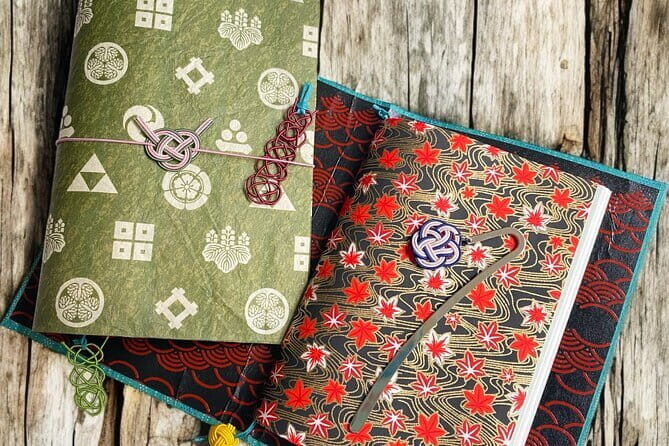
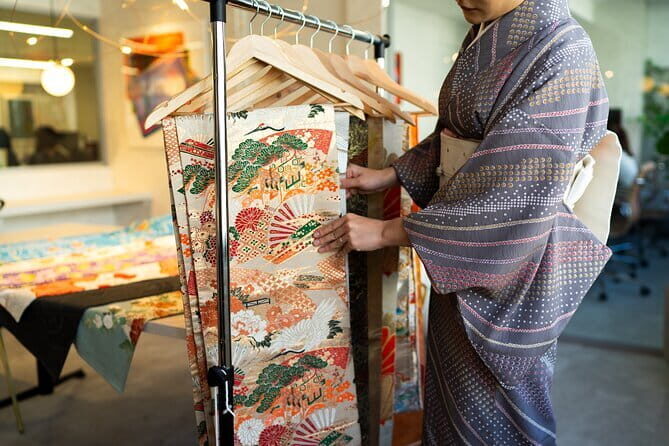
The creative heart of the workshop starts with selection. You choose your favorite fabric and pattern from a set of vintage kimono designs, then your instructor guides you in repurposing it into your own art panel.
What makes this part fun is the range of options linked to different regions. You can choose from fabrics inspired by:
- Bingata from Okinawa
- Oshima Tsumugi from Amami
- Kaga Yuzen from Kanazawa
- Kyo Yuzen from Kyoto
That list does more than provide variety. It gives you a way to pick a piece of “Tokyo-day memory” that still feels connected to wider Japan. If your trip includes daydreams of other regions, this is one of the easiest ways to bring them into a single souvenir.
When you choose your fabric, you’ll also be choosing the visual tone of your final panel. Participants highlighted that picking obi-like fabric options and designs made the process feel personal. In other words, you’ll feel ownership right from the start, not at the very end.
Here’s a practical tip that fits the workshop format: take your time in the selection step. Because the panel is built from what you pick, you don’t want to rush into something you just kind of like. If you’re torn between two choices, pick the one that makes you think of a place you’d want to remember, then commit.
Making Your Kimono Art Panel in About 90 Minutes
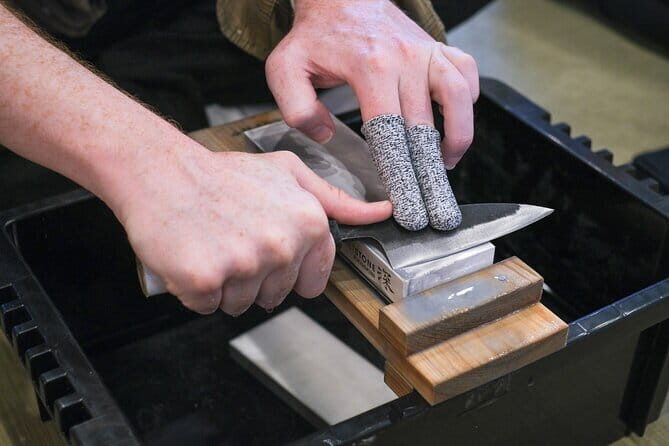
Once you’ve chosen your fabric, the workshop shifts into hands-on mode. You’ll repurpose the vintage textiles using simple techniques under instructor guidance, creating a finished art panel designed to be taken home.
A key point: this is pitched as beginner-friendly. The instructions are clear, and the process is described as intuitive and satisfying once you get going. People also mentioned comfortable seating and that the directions were easy to follow, which matters a lot in a short workshop.
Even though the final product is “just” a panel, don’t underestimate the experience. You’re learning how to turn a traditional textile into modern wall art. That translation is the magic. You’re not trying to copy a kimono garment; you’re using the character of the fabric and pattern to make something new.
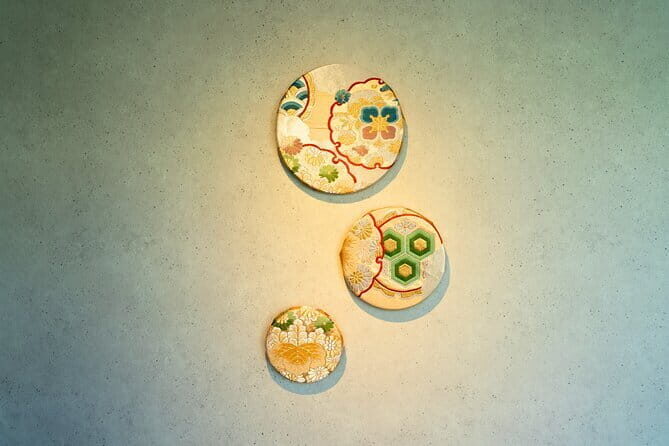
What you’ll take home is a unique piece of Japanese art, designed for display or gift-giving. Based on what stood out, many people planned to hang the panel on a wall or share it with family and friends.
Because time is limited, you’ll want to stay present during the making portion. Ask questions while you can, especially about the steps that affect how the final look comes together. With a maximum of six people, you should have enough access to the instructors if you use it.
In terms of comfort and logistics: there’s no mention of needing special skills. The workshop includes all materials, so you’re not going to end up hunting for craft supplies in the city.





What’s Included for $58.79, and Why the Value Works
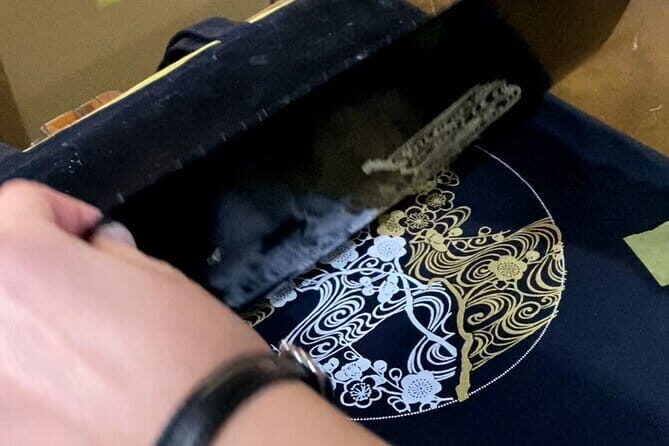
The price is $58.79 per person, and the average booking timing is about 47 days in advance. That earlier booking pattern often signals this is a popular, limited-capacity experience. Since the group cap is 6, earlier booking can mean better schedule options.
Here’s the value breakdown based on what’s included:
- Workshop participation fee
- Instruction by a kimono expert
- All materials necessary to create your art panel
What’s not included:
- Hotel pickup and drop-off
- Food and drinks
So you’re paying for expert teaching plus the vintage fabric materials and the guidance to make a finished, take-home art piece. In Tokyo, that is a reasonable value when you compare it to the cost of buying a framed souvenir or decorative Japanese textile item without the learning component.
The short duration is also part of the value. At about 1 hour 30 minutes, you’re getting a meaningful cultural experience without eating half your day. That makes it easier to slot into an itinerary even if your days are packed with temples, museums, and neighborhood exploring.
One caution on value: because it’s a structured activity, you don’t get to expand it into a longer craft day. If you want all-day crafting or multiple projects, you might want to look at other options. But for a focused, rewarding, beginner-friendly workshop that ends with something you’ll actually display, this is strong.
Who Should Book This Workshop (and Who Might Skip It)
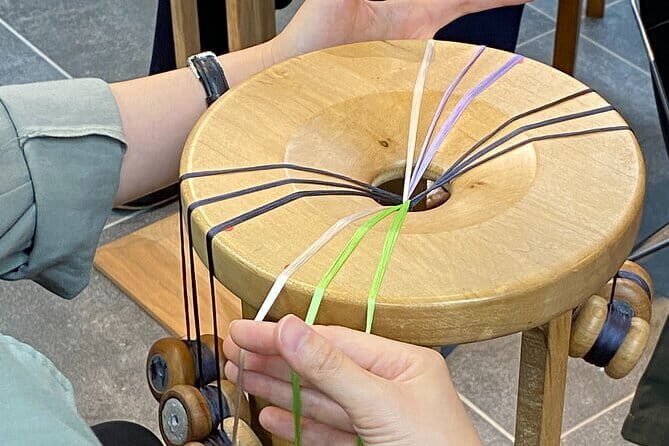
This is a great match if you:
- Want a hands-on cultural activity in Tokyo, not another photo stop
- Like the idea of sustainability and repurposing materials
- Enjoy learning about regional differences rather than only national highlights
- Appreciate a small group environment with clear English guidance
It’s also ideal if you want a souvenir that has more meaning than a standard shop purchase. The whole point is turning travel memories into a tangible keepsake.
You might skip it if:
- You only want a kimono dressing experience and not a workshop format
- You prefer activities with longer creative time, with more than one project
- Your schedule is too tight to handle a set 90-minute block
Also, if you have mobility concerns, the data says most travelers can participate, but it doesn’t provide details about physical accessibility features. If that matters for you, it’s worth checking directly with the provider before booking.
Good to know: service animals are allowed, and the meeting point is near public transportation.
Should You Book the Kimono Art Workshop in Tokyo?
I think you should book it if you want a calm, creative break that still teaches you something real. The standout strengths are consistent: friendly instruction from Yuki and Kasumi, clear English support, and a satisfying process that ends in a beautiful panel you can hang or gift.
If you’re debating between this and another cultural activity, ask yourself one question: do you want to learn and create, or just observe? This workshop is built for the learn-and-create crowd. It’s also a smart choice when you want a souvenir with a story, not just a label.
If you do book, plan ahead because it’s limited to 6 travelers and tends to be reserved well in advance. Then arrive ready to choose your fabric carefully and enjoy the lesson part, because that context is what makes the final panel feel like more than a craft project.
FAQ
How long is the kimono art workshop?
It runs for about 1 hour 30 minutes.
Where do I meet, and where does it end?
You meet at Hatchobori Third, 3-chōme-14-4 Hatchōbori, Chuo City, Tokyo 104-0032, Japan. The activity ends back at the meeting point.
What is included in the price?
The workshop participation fee, instruction by a kimono expert, and all materials needed to create your art panel are included.
Is hotel pickup or drop-off included?
No. Hotel pickup and drop-off are not included.
Do I need prior kimono or art experience?
No. Most travelers can participate, and the instructor guides you with clear instruction during the process.
Can I get a full refund if I cancel?
Yes. You can cancel up to 24 hours in advance for a full refund. If you cancel less than 24 hours before the start time, the amount paid is not refunded.
![[Seasonal Limited] Mt. Fuji 5th Station &Hot Spring Day Tour - Mt. Fuji 5th Station Around 2,300 Meters: The Best “No-Hike” View](https://images.thejapantraveler.com/wp-content/uploads/seasonal-limited-mt-fuji-5th-station-hot-spring-day-tour.jpg)