REVIEW · TOKYO
Small-Group Osaka-Style Okonomiyaki Cooking Class
Book on Viator →Operated by Calmo Cooking Class in Tokyo Japan · Bookable on Viator
Okonomiyaki is comfort food with attitude. In a tight group limited to five, you’ll cook at a real home with Eri, learn how to make fluffy Osaka-style okonomiyaki, and get practical ingredient substitutions so it still tastes right after your trip. I especially like the hands-on approach—layering fillings, flipping the pancake, and building toppings your way—plus the extra meal while yours cooks. One consideration: since it’s hosted in a residential area, you’ll want to plan for getting to the Asagaya-area meeting point and the short hop from the station to the home.
What makes this class genuinely appealing is the teaching style. You’re not just following steps at a tourist studio; you’re getting tips for Japanese ingredients like dashi and sauce, plus guidance on what to swap when you can’t find the exact item back home. It’s also flexible for dietary needs, including vegetarian and vegan versions.
The session runs about 2 hours, so it moves at a friendly pace. You’ll leave with a workable technique, not just a full stomach.
In This Review
- Key Things to Know Before You Cook
- Osaka-Style Okonomiyaki in a Real Tokyo Home Kitchen
- Meeting at Asagaya: Getting to Eri’s Home Without Stress
- Fluffy Batter Basics: Dashi, Egg, and the Texture Plan
- Your Fillings, Your Toppings: Build It Like You Mean It
- The Flip and the Finish: Timing, Browning, and Sauce Control
- While Yours Cooks: Stir-Fried Pork and Kimchi
- Vegetarian and Vegan Swaps That Don’t Feel Like a Compromise
- Substitutions You Can Use After Your Trip (So You Actually Remember It)
- Price and Value: What $150 Buys You in Tokyo
- Who This Cooking Class Fits Best (And Who Might Want Another Plan)
- Should You Book This Osaka-Style Okonomiyaki Class in Tokyo?
- FAQ
- How many people are in the small group?
- How long does the cooking class last?
- Where do we meet for the class?
- Is there a vegetarian or vegan option?
- Will you explain Japanese ingredients like dashi and sauce?
- Can I customize my okonomiyaki fillings and toppings?
- What do you eat while waiting for the okonomiyaki?
- Is there free cancellation?
Key Things to Know Before You Cook
- Tiny group of up to 5 means more time for questions and personal support
- Osaka-style fluffy batter focus, including tips that affect texture
- Custom fillings and toppings so you can shape your okonomiyaki
- Diet-friendly adjustments for vegetarian and vegan options
- Pork and kimchi while you wait so you’re eating during the “chef’s time”
- Substitution advice so you can recreate flavors later
Osaka-Style Okonomiyaki in a Real Tokyo Home Kitchen
This experience is built like a homestay-style cooking lesson. Instead of a polished kitchen that feels like a set, you’re in a lived-in space, which changes the vibe fast. You’ll feel more like a temporary family friend than a ticket number.
Osaka-style okonomiyaki has a specific goal: a thick pancake that’s fluffy on the inside, with good browning and a satisfying chew. The class is designed around that texture. Eri walks you through how ingredients behave in batter and heat, so you understand what makes it work—not just what to do.
You also get a refreshing kind of freedom. Okonomiyaki can be personalized with different fillings, and the lesson supports you doing it your way. That’s important because people come with different tastes, different spice comfort levels, and different ideas of what “good” should mean.
You can also read our reviews of more cooking classes in Tokyo


Meeting at Asagaya: Getting to Eri’s Home Without Stress
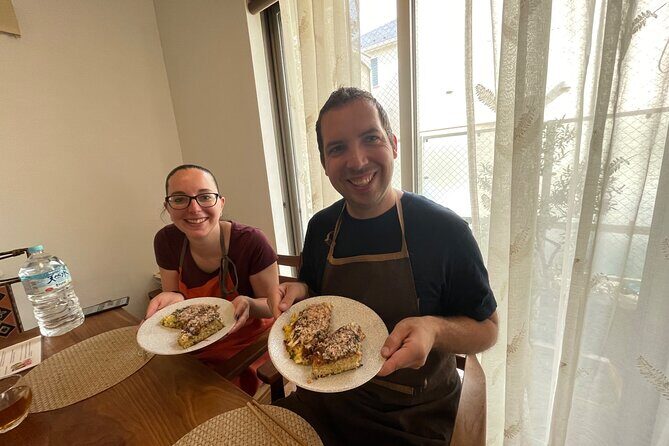
The meeting point is at NewDaysJapan, Asagaya Kita, at the JR Asagaya Station ticket-gate outside concourse area (JR 阿佐ヶ谷駅 2F_改札 外コンコース). You’ll start there, and the activity ends back at the same meeting point.
In practice, you should expect an easy handoff. One person noted that Eri picked them up from the station and dropped them back after, since the home is a little farther. That’s a useful detail because it means you’re not trying to negotiate trains and short walks while your stomach is already planning the meal.
Plan on a 2-hour block plus the short transfer time. As always in Tokyo, the easiest win is arriving a few minutes early so you’re not rushed.
Fluffy Batter Basics: Dashi, Egg, and the Texture Plan
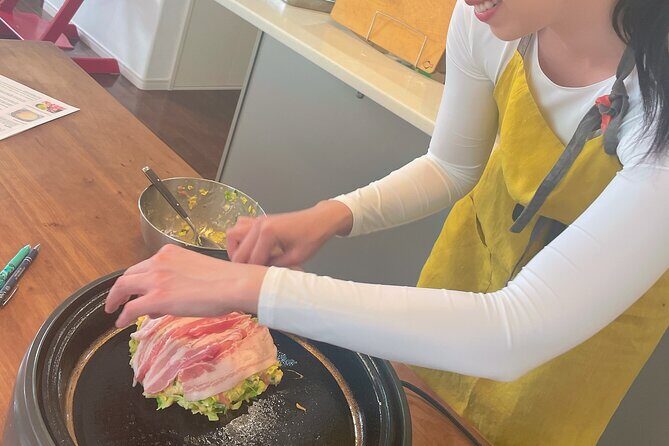
The heart of the class is making fluffy okonomiyaki, and that starts with understanding Japanese ingredient roles. You’ll get an explanation of staples like dashi and sauce, and you’ll learn why these items matter for flavor depth and overall balance.
Texture usually comes down to a few small choices: how wet and dry elements are combined, how the batter is handled, and how heat is managed. The lesson includes lots of tips aimed at that exact fluffy result. Instead of guessing, you’ll know what to watch during mixing and cooking.
One of the most practical parts for future cooking is the explanation of substitutes. Even in Japan, ingredients can vary by neighborhood, season, or brand. The class prepares you for the reality that you might not be able to match everything perfectly at home, and still end up with something that tastes right.
Your Fillings, Your Toppings: Build It Like You Mean It
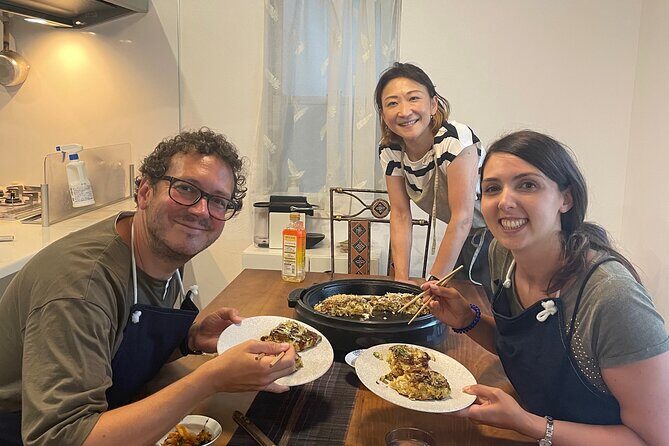
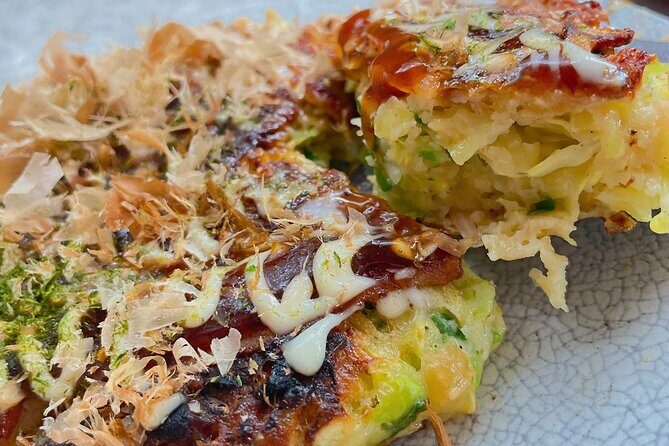
Okonomiyaki is famously customizable, and this class leans into that. You can choose your fillings, and you’ll build your pancake by layering ingredients. That layering step isn’t just for fun—it affects how heat moves through the pancake and how everything sets together.
You’ll also do the satisfying parts: flipping the pancake at the right moment and finishing with toppings. This is where the class feels most “you”: pick your fillings, add toppings you like, and get support while you’re doing it. If you’ve ever had okonomiyaki and wondered how it turns out so good everywhere—this is where the secret sauce is really just skill and timing.
Dietary needs are handled during the process. The class offers vegetarian and vegan options, and adjustments can be made for other restrictions too. If you’re careful with ingredients, you’ll appreciate having guidance during the build rather than finding out after everything is cooked.
The Flip and the Finish: Timing, Browning, and Sauce Control
The moment you flip is where beginners often feel nervous. That’s exactly why it’s taught here with tips. You’ll learn when the pancake is ready to turn, how to flip without losing the structure, and how to keep the outside from getting too dry while the inside finishes.
Cooking okonomiyaki is also about browning and doneness. You want color, but you also want a tender center. The class gives you a method to aim for that sweet spot—so you’re not just watching the clock.
Then comes the finishing: toppings and sauce. You’re shown how sauce fits into the flavor profile rather than acting as a random drizzle. The goal is balance—savory, tangy, and a little smoky if your toppings and cooking method push that way.
And yes, there’s a bit of ritual. You’ll say Itadakimasu before eating. It’s a small moment, but it anchors the meal in Japanese dining culture rather than making it feel like a workshop snack.
A few more Tokyo tours and experiences worth a look





While Yours Cooks: Stir-Fried Pork and Kimchi
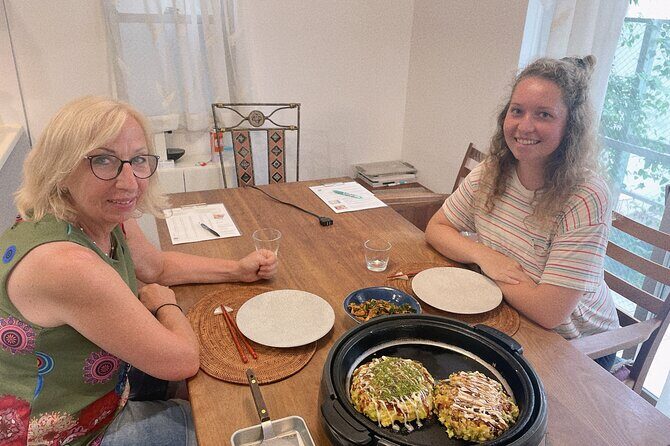
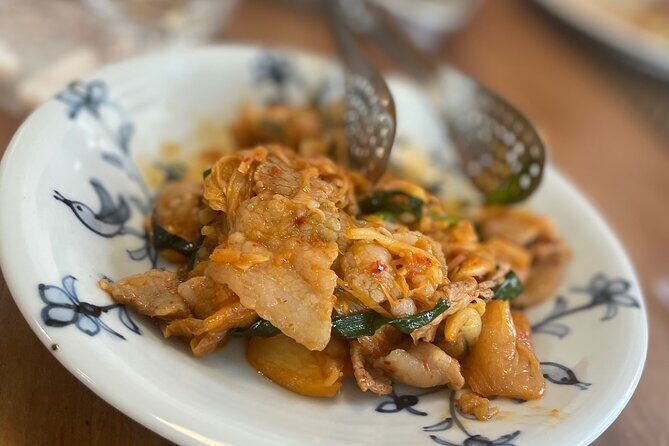
While your okonomiyaki is cooking, the class includes another tasty set of bites: stir-fried pork and kimchi. This is a smart move for pacing. Instead of waiting in silence like a cooking pot, you get something savory and satisfying during the time your pancake is setting.
Pork and kimchi also broaden what you’re learning. Okonomiyaki is your main skill lesson, but the side helps you connect Japanese flavors across dishes: savory richness from meat and tang and heat from kimchi.
It’s also great if you’re hungry and a little impatient. Two hours sounds short, but cooking takes time. This food keeps that time enjoyable and stops the class from feeling like you’re only waiting for the final plate.
Vegetarian and Vegan Swaps That Don’t Feel Like a Compromise
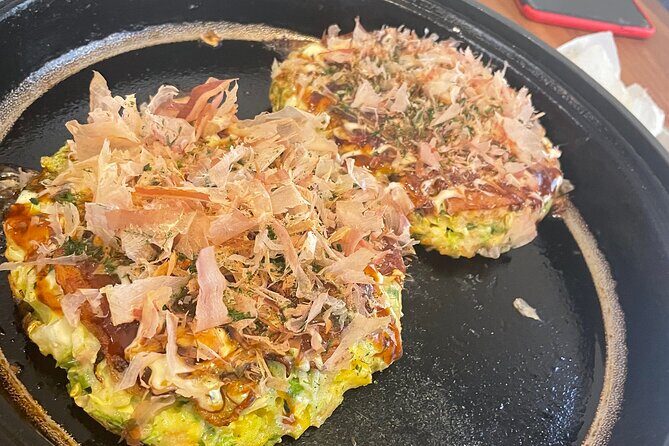
One of the strongest value points is that vegetarian and vegan options are part of the plan, not a last-minute add-on. Eri can make adjustments so you still get the right texture and flavor direction.
A big reason this matters: Japanese ingredients often rely on specific bases and flavor boosters. For example, dashi can include fish-based components depending on what you use. In this class, you get guidance on substitutions, which is crucial if you’re avoiding certain ingredients for health or ethics.
You don’t just hear about what you can’t use—you learn what can replace it. That’s the difference between a meal that feels “allowed” and one that feels genuinely good.
Substitutions You Can Use After Your Trip (So You Actually Remember It)
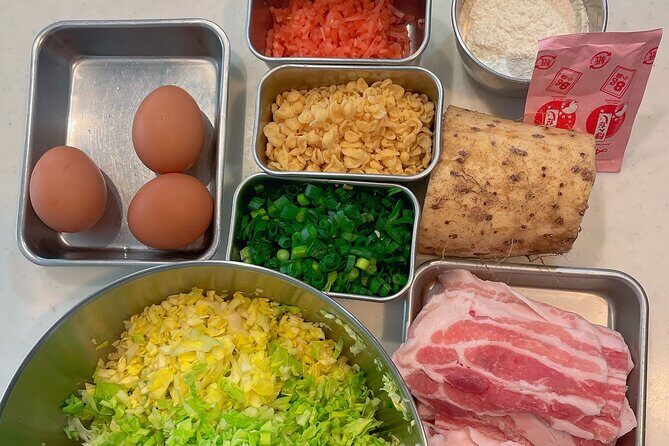
If you’ve ever taken a cooking class and then stared at your pantry at home thinking, I have none of this stuff—this part is for you.
Eri explains substitutes for ingredients you might not find in your home country. That matters because it changes the outcome of repeat cooking. You’ll know which items are essential to flavor and which can be replaced without breaking the whole recipe logic.
This is also why the class description calls out that okonomiyaki ingredients are flexible. You can enjoy it your way, and the lesson supports you building something that still tastes like the Japanese version, even when ingredient labels don’t match exactly.
In other words: you’re not just collecting memories. You’re collecting a practical framework for recreating the dish.
Price and Value: What $150 Buys You in Tokyo
At $150 per person, you’re paying for more than food. You’re paying for technique instruction, ingredient guidance, and a small setting where you can ask questions while you’re cooking.
For me, the value calculation depends on group size. With a maximum of five, you’re less likely to be stuck watching from the edge. You’ll get time and feedback. That’s the kind of learning that makes a class worth paying for, especially if you want to recreate the meal later instead of eating it once and moving on.
The class also includes extras: sauce-and-batter lessons, your customized okonomiyaki, and the stir-fried pork and kimchi while you wait. Add in that mobile ticket convenience and group discounts (if you book with friends), and it becomes a more reasonable “shared experience” price.
Is it cheap? No. But it’s the type of class where you’re leaving with a repeatable skill set, not just a photo.
Who This Cooking Class Fits Best (And Who Might Want Another Plan)
This class is a strong match if you want:
- Hands-on cooking with a guided technique for fluffy okonomiyaki
- A home-style atmosphere rather than a tourist studio
- Ingredient explanations you can use after you go back
- Vegetarian or vegan cooking support that’s built into the experience
It may be less ideal if you’re looking for a big food tour with lots of stops, or if you dislike cooking actively. This is a do-it-yourself lesson, so you’ll be hands-on for most of the session.
If your schedule is tight, the 2-hour duration is great. If you hate transferring to a residential area, you’ll want to plan your arrival so you’re not stressed before you even start cooking.
Should You Book This Osaka-Style Okonomiyaki Class in Tokyo?
If your goal is to learn how to make okonomiyaki that’s fluffy and flavorful—and to understand what to swap at home—this is a smart booking. The small group size helps the learning feel personal, and the combination of batter technique plus fillings-toppings freedom makes it practical, not generic.
I’d especially recommend it if you care about dietary adjustments. Vegetarian and vegan options are not treated as an afterthought here, and substitution guidance is part of the teaching approach.
Book it if you want a hands-on skill you can repeat later. Skip it only if you’re hoping for a purely observational food experience.
FAQ
How many people are in the small group?
The class is limited to a maximum of five travelers, so you can ask questions and get support while cooking.
How long does the cooking class last?
It runs for about 2 hours.
Where do we meet for the class?
Meet at NewDaysJapan, 166-0004 Tokyo, Suginami City, Asagayakita, 3-chōme 南3361 at JR Asagaya Station, the ticket-gate outside concourse area (2F), and the activity ends back at the same meeting point.
Is there a vegetarian or vegan option?
Yes. Vegetarian and vegan options are available, and adjustments can be made for dietary restrictions.
Will you explain Japanese ingredients like dashi and sauce?
Yes. The lesson includes explanations of Japanese ingredients such as dashi and sauce.
Can I customize my okonomiyaki fillings and toppings?
Yes. You can choose what to fill your okonomiyaki with and add toppings, with support from the host.
What do you eat while waiting for the okonomiyaki?
While your okonomiyaki cooks, you’ll have stir-fried pork and kimchi.
Is there free cancellation?
Yes. You can cancel up to 24 hours in advance for a full refund.