REVIEW · KYOTO
Kyoto Fushimi District Food and History Tour
Book on Viator →Operated by Japan Tour Adventure · Bookable on Viator
Kyoto’s Fushimi story runs deeper than the postcard gates. This 5-hour walk pairs Fushimi Inari shrine highlights with real sake culture and historical stops tied to Japan’s major turning points. I love how the route shows everyday Fushimi life just a short hop from Kyoto Station, not the loud tourist loop.
I also like the way the tour feeds you as it teaches. You get guided time at the Gekkeikan Ōkura Sake Museum, plus included snacks like 1 taiyaki and up to two sweets later, so it’s history you can taste, not just hear.
One thing to consider: it’s a shared tour, and French support can depend on the mix of nationalities. If you want a French-speaking guide, you should contact in advance so they can confirm availability for your date.
In This Review
- Key highlights you’ll actually care about
- Fushimi beyond the thousand gates: what the tour is really about
- Starting point at Fushimi Inari: arrive ready to walk and look
- Stop-by-stop: shrine, sake, canal, battle traces, and Ryoma sites
- Stop 1: Fushimi Inari-taisha Shrine (1 hour)
- Stop 2: Gekkeikan Ōkura Sake Museum (1 hour, entrance included)
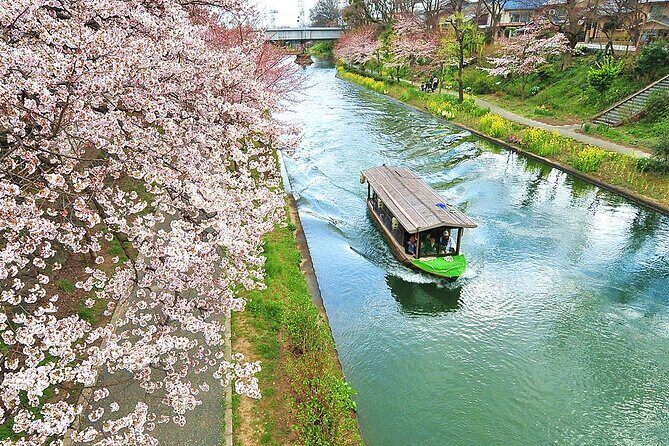
- Stop 3: 伏見運河 (Fushimi Canal) (30 minutes)
- Stop 4: Battle of Fushimiguchi Battlefield Trace (15 minutes)
- Stop 5: Teradaya Historic Site (30 minutes, entrance included)
- Stop 6: 竜馬通り商店街 (Ryoma Shopping Street) (1 hour 10 minutes)
- Stop 7: 伏水菓蔵 本店 (30 minutes, sweets/snacks included)
- What’s included (and how it affects your budget)
- The guide makes it: what you should look for
- Language reality: English-first, French by request
- Who this tour suits best (and who might want to skip)
- A few practical tips before you go
- Should you book this Kyoto Fushimi Food and History Tour?
- FAQ
- How long is the Kyoto Fushimi District Food and History Tour?
- How much does the tour cost?
- Where do I meet the guide?
- What time does the tour start?
- Is the tour ticket digital?
- What is included in the price?
- Is lunch included?
- Are coffee or tea drinks included?
- Is French guaranteed on the tour?
- What if there aren’t enough people booked?
Key highlights you’ll actually care about
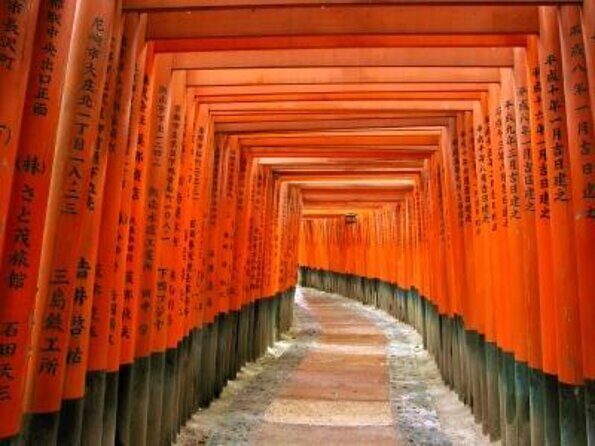
- Smarter Fushimi Inari visit: you still see the shrine, but you’ll spend time on less-obvious spots in the area
- Gekkeikan’s old distillery context: you learn how sake culture grew, not just where to buy bottles
- Food and sweets on the clock: taiyaki plus additional sweets help you keep momentum between stops
- History tied to real places: Teradaya and the Battle of Fushimiguchi trace connect events to the map
- Small group size: capped at 10 people, which keeps the pace comfortable and questions realistic
Fushimi beyond the thousand gates: what the tour is really about
Most people build their Kyoto days around the headline sights. This tour takes a different angle: it treats Fushimi as a whole district with its own rhythm—shrines, sake making, neighborhood streets, and historical memory all living side by side.
The best part is that it does not try to repeat the same photos you’ve already seen online. You’ll start where most folks begin, but the guide’s goal is to help you notice the details that get skipped when everyone funnels into the same paths. In other words, you’re still at Fushimi Inari-taisha Shrine—just with better context for what you’re looking at.
Then you move away from the main crush and into areas that feel more like you’ve joined a local routine: outdoor canal time, a historic inn site, and a shopping street where you can eat and browse without feeling like you’re trapped in a souvenir machine.
You can also read our reviews of more food & drink experiences in Kyoto
Starting point at Fushimi Inari: arrive ready to walk and look
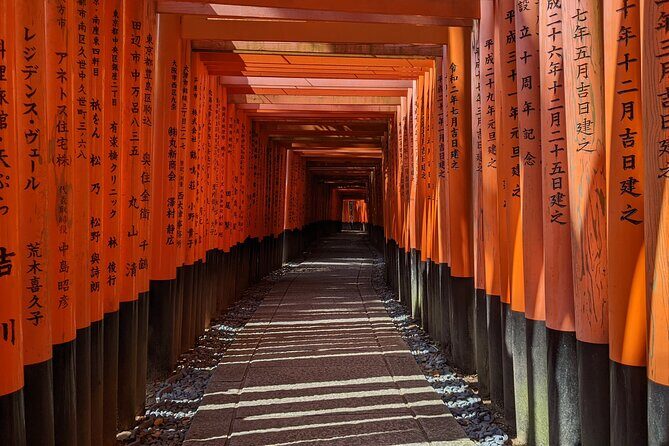
You meet at the fox statue at the entrance to Fushimi Inari Taisha Shrine, near Fukakusa Inari Onmae-chō (that’s by Inari Station). The start time is 9:30 am, and you’ll end back at the meeting point, so you’re not trying to stitch together rides for a one-way route.
Practical tip: wear shoes that handle a few different walking surfaces. This is not a sit-down-and-watch kind of tour. Also, since you’ll rely on a mobile ticket, keep your phone charged enough for the morning.
If you’re coming from Kyoto Station, you’re in luck: the tour is designed for easy access from there, and the guide can help you think through transit plans. One of the most useful things I learned from people who did this tour is how attentive the guide can be with rail navigation when plans change.
Stop-by-stop: shrine, sake, canal, battle traces, and Ryoma sites
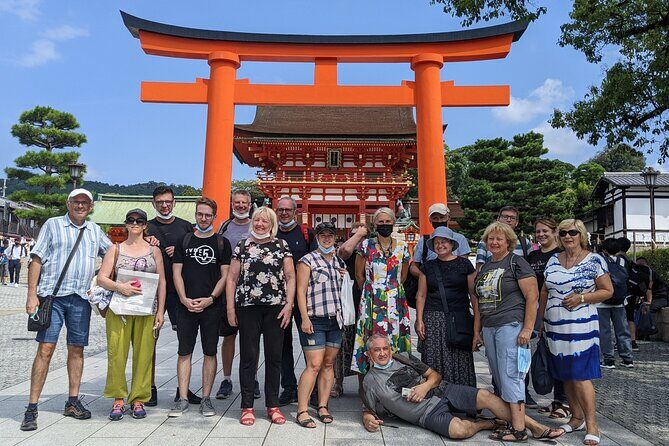
This itinerary is built like a timeline with snacks. You don’t just bounce between unrelated attractions; each leg adds meaning to the next.
Stop 1: Fushimi Inari-taisha Shrine (1 hour)
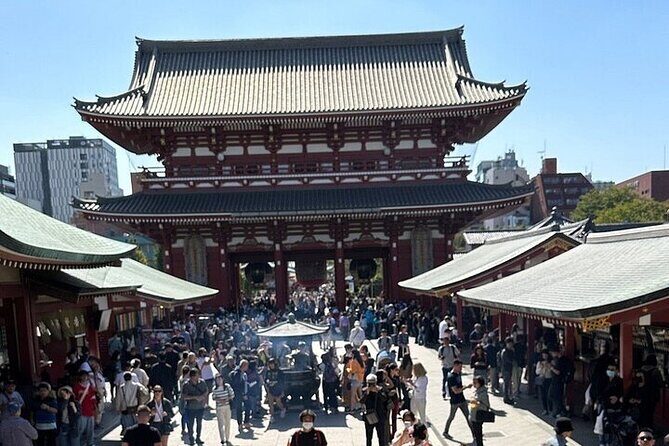
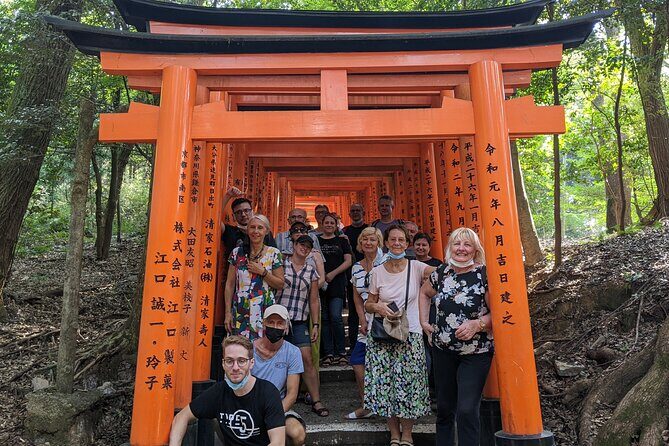
This is the big one: Fushimi Inari-taisha. The guide helps you understand the origin of the spirit of Inari and what the shrine represents in Japanese belief. Then you’ll get time in the area that many visitors miss—small side paths and less-obvious viewpoints.
What I like about this approach is simple: when you understand what you’re seeing, the shrine stops being a maze of torii gates and turns into a story you can follow.
A drawback to expect: the shrine area can still be busy. Even with the hidden spots, you’re choosing the right time of day (9:30 am helps). Go in with the mindset that you’ll see crowds—and then get rewarded with calmer corners.
Stop 2: Gekkeikan Ōkura Sake Museum (1 hour, entrance included)
Next comes the food-and-history pivot: Gekkeikan Ōkura Sake Museum. You’ll visit an old sake distillery and connect sake culture to real manufacturing history, not just tasting.
One detail worth knowing: it highlights Gekkeikan’s role in exporting Japanese alcohol overseas. That makes the museum feel like more than local lore. You’re learning how a Kyoto craft became part of a wider world—then you can connect that to why Fushimi matters culturally.
If you’re a sake lover, this stop is usually the emotional center of the tour. If you’re not, it still works because the museum framing explains the culture around what sake is and how it fits into daily life.
A few more Kyoto tours and experiences worth a look

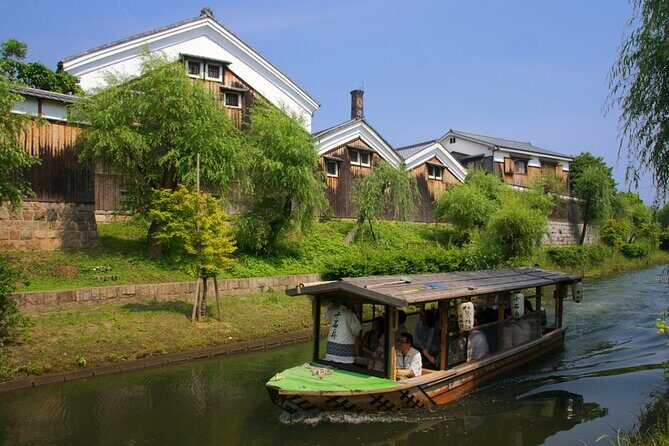
Stop 3: 伏見運河 (Fushimi Canal) (30 minutes)
Then you slow down. The canal walk is outdoors, and it’s timed like a breather between indoor history and later shopping streets.
The practical value here is big: you get a change of scenery without losing time. It’s also where you can appreciate the more traditional Kyoto feel of the district.
If you’re visiting in a season with cherry blossoms, the canal area can add an extra visual layer, but even without blossoms, it’s a nice reset.
Stop 4: Battle of Fushimiguchi Battlefield Trace (15 minutes)
This short stop is intense in meaning. The guide explains the story of the Battle of Fushimiguchi, a key event that helped set the stage for the beginning of the Meiji restoration.
Fifteen minutes sounds quick, but that’s the point: it gives you context for why later stops matter. You leave with a clearer sense of how political change was shaped on the ground, not just in books.
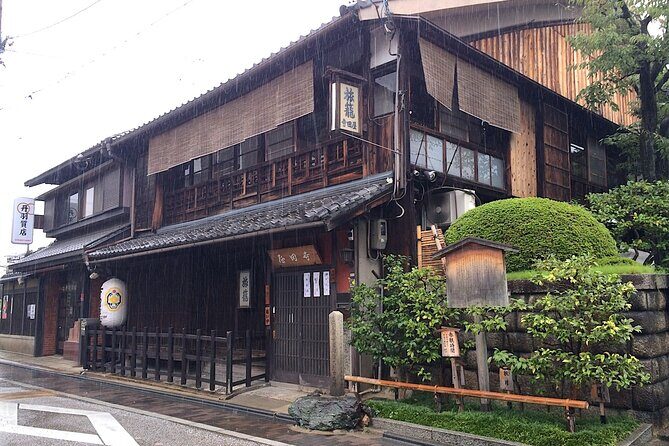
Stop 5: Teradaya Historic Site (30 minutes, entrance included)
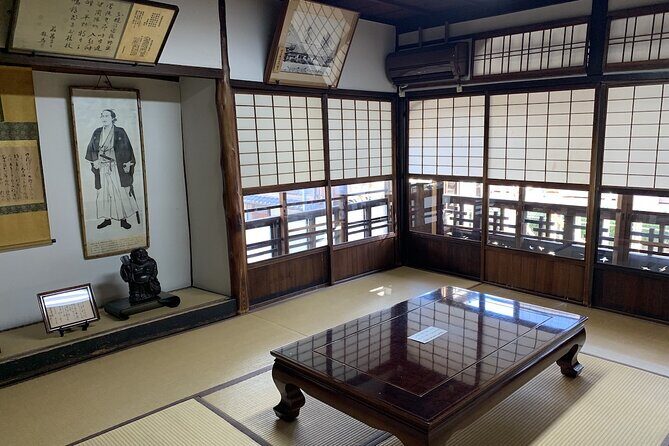
Teradaya is where history becomes personal. You’ll learn the story of Sakamoto Ryoma, including his brush with assassination connected to the Shinsengumi, and how he managed to escape.
This stop pairs well with what comes next because it sets up Ryoma as more than a name in a textbook. It also helps you understand why there’s a shopping street connected to him later—history turned into neighborhood identity.
Stop 6: 竜馬通り商店街 (Ryoma Shopping Street) (1 hour 10 minutes)
Now you shift into local life. The Ryoma Shopping Street is described like the Nishiki Market style of browsing and eating, but it keeps more of its authenticity and tradition.
This is where you’ll handle your own lunch. Lunch is not included in the price, but your guide helps you pick something along the street so you’re not stuck guessing what’s open or what will be comfortable to eat mid-tour. Then you can browse at your pace during the guided time.
This stop is also the practical food win: you can manage your energy. You’ll already have had taiyaki and other sweets earlier, but hunger has a way of returning the moment you smell something good through a crowded shopping street.
Stop 7: 伏水菓蔵 本店 (30 minutes, sweets/snacks included)
The final stop is sweets at 伏水菓蔵 本店. You’ll enjoy traditional Japanese sweets, and the timing is designed so you can relax before heading back toward transit.
The included sweets support this stop well: you get snacks up to 2 sweets per guest at the cafe, plus earlier taiyaki. If you want coffee, this is often the moment to think about it—coffee and tea drinks are not included.
This “cooldown” stop matters more than it sounds. By the end of a history-and-food morning, it’s nice to end with something gentle, not a last rushed purchase.
What’s included (and how it affects your budget)
At $78.04 per person for about 5 hours, the value depends on how you plan your spending.
What’s included:
- Full guiding
- 1 taiyaki for each guest
- Entrance to the Gekkeikan Ōkura Sake Museum
- Entrance to Teradaya Historic Site
- Shopping/translation assistance
- Snacks: up to 2 sweets at the cafe (plus you already have taiyaki)
What’s not included:
- Lunch (you eat it along Ryoma Shopping Street with guide help)
- Coffee/tea drinks
- Shopping and souvenirs
So you’re paying for guided flow and museum/entry fees plus a meaningful snack plan. If you would normally pay for museum tickets anyway, and you like tasting rather than just sightseeing, the math usually feels fair.
The one budgeting wildcard is lunch. Since lunch is on you, you’ll want to plan on spending extra for a sit-down bite or a couple snack items depending on what you choose.
The guide makes it: what you should look for
The guide experience is a core reason people rate this tour highly. I’m especially glad the tour documentation emphasizes that the guide is active with translation and shopping help, not just a lecture.
In particular, I’ve seen feedback mentioning Remi, a guide who brought a lot of knowledge about the area and went beyond the basics. People also appreciated his help with rail plans, which is huge in Kyoto where small timing shifts can snowball fast.
If you care about learning without feeling trapped in a classroom, this style tends to fit. The stops are structured, but you still get room for questions—especially during food street and museum time.
Language reality: English-first, French by request
The tour can include multiple nationalities, which affects language. French is not automatically guaranteed for shared groups, since English is the priority when mixing languages. Guides speak at minimum English and Japanese, and French may be added if possible.
If French is important for you, contact ahead so the provider can confirm whether a French-speaking guide is available on your date. That’s the cleanest way to avoid disappointment.
Who this tour suits best (and who might want to skip)
This tour is a strong fit if you want:
- Food and history in one plan, without dragging your day across Kyoto
- A Fushimi visit that goes past the busiest headline areas
- A guided way to understand themes like Inari beliefs, sake culture, and key Meiji-era connections
- A calmer small-group pace (maximum 10 people)
It may not be ideal if:
- You only want the most famous photo spots with zero extra context
- You need guaranteed French in a shared group (you’ll want to confirm availability first)
- You hate walking when you’re traveling on a schedule
A few practical tips before you go
- Bring a light layer. Morning and museum air-conditioning can swing temperature fast.
- Plan for lunch costs. Your guide can help you choose, but lunch isn’t covered.
- Use the guide for navigation help if your rail plans are tight. That support is part of the value.
- If you’re sensitive to crowds, go in expecting some busy shrine areas, then trust that the tour shifts you into calmer, more local stretches.
Should you book this Kyoto Fushimi Food and History Tour?
I’d book it if you want Kyoto’s Fushimi district in a way that feels lived-in, with history that connects to what people actually ate, drank, and remembered. The inclusion of museum entry, taiyaki, and additional sweets helps keep the day from turning into constant extra spending—and the itinerary rhythm is built to keep you moving without rushing.
I’d hesitate only if French is non-negotiable for you, or if you’re the type who wants zero structure and purely self-guided wandering. In that case, you might prefer a shrine-focused plan on your own.
If you’re flexible and curious, this is one of those tours that makes a district feel like it has a personality.
FAQ
How long is the Kyoto Fushimi District Food and History Tour?
It runs for about 5 hours.
How much does the tour cost?
The price is $78.04 per person.
Where do I meet the guide?
You meet at the fox statue at the entrance to Fushimi Inari Taisha Shrine, near Inari Station in Kyoto.
What time does the tour start?
The start time is 9:30 am.
Is the tour ticket digital?
Yes, it uses a mobile ticket.
What is included in the price?
You get full guiding, entrance to the Gekkeikan Ōkura Sake Museum, entrance to the Teradaya Historic Site, 1 taiyaki per person, shopping and translation assistance, and snacks including up to 2 sweets at the cafe.
Is lunch included?
No. Lunch is not included, but you can enjoy lunch along the Ryoma Shopping Street with the guide’s assistance.
Are coffee or tea drinks included?
No. Coffee and/or tea drinks are not included.
Is French guaranteed on the tour?
For shared tours, French cannot be guaranteed because guides prioritize English when mixing nationalities. You can contact ahead to confirm whether a French-speaking guide is available for your date.
What if there aren’t enough people booked?
The tour has a minimum number of travelers. If it’s canceled because the minimum isn’t met, you’ll be offered a different date/experience or a full refund. Free cancellation is available up to 24 hours before the start time.