REVIEW · KYOTO
Kyoto: Fushimi Sake District Tour with Boat Ride
Book on GetYourGuide →Operated by TripGuru Japan · Bookable on GetYourGuide
Fushimi by canal feels like time slows down. This half-day Kyoto tour mixes Fushimi’s quieter back streets, a gentle Jikkoku-bune boat cruise, and real sake tastings that connect the landscape to what people brewed there.
I like that you get both the scenery and the story, not just a checklist. It’s a relaxing pace with a local temple moment and a proper brewery stop.
Two things I really like: first, the boat ride along the historic canals—willow-lined water, stone bridges, and old warehouse scenery make the experience feel calm and grounded. Second, the Gekkeikan Ōkura Sake Museum visit, where you learn how sake is made and sample premium bottles tied to Fushimi spring water.
One possible drawback: the flow can include some waiting between parts, so the full time can feel more stretched than you expect.
In This Review
- Key highlights to know before you go
- Fushimi Kyoto: why this half-day feels special
- Start at JR Chushojima Station and ease into the rhythm
- The temple pause: a quiet reset before the canals
- Jikkoku-bune boat ride: the relaxing part that actually teaches
- Gekkeikan Ōkura Sake Museum: tasting with real context
- Coffee in a restored Meiji-era café: end your tour like a local
- Price and value: what $54 really buys you
- How long it takes, and what pace feels like
- Who this tour is best for (and who should skip it)
- What to bring (so the day stays easy)
- Should you book this Kyoto Fushimi sake-and-boat tour?
- FAQ
- Where is the meeting point?
- How long is the tour?
- How much does it cost?
- Is the tour in English?
- What’s included in the price?
- Is hotel pickup or drop-off included?
- Is coffee included?
- What should I bring?
- Is the tour suitable for everyone?
- What is the cancellation policy?
Key highlights to know before you go
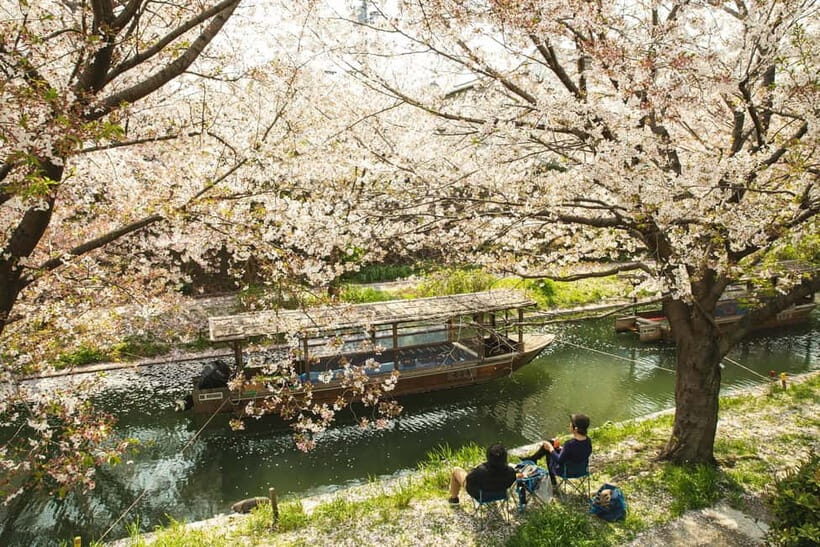
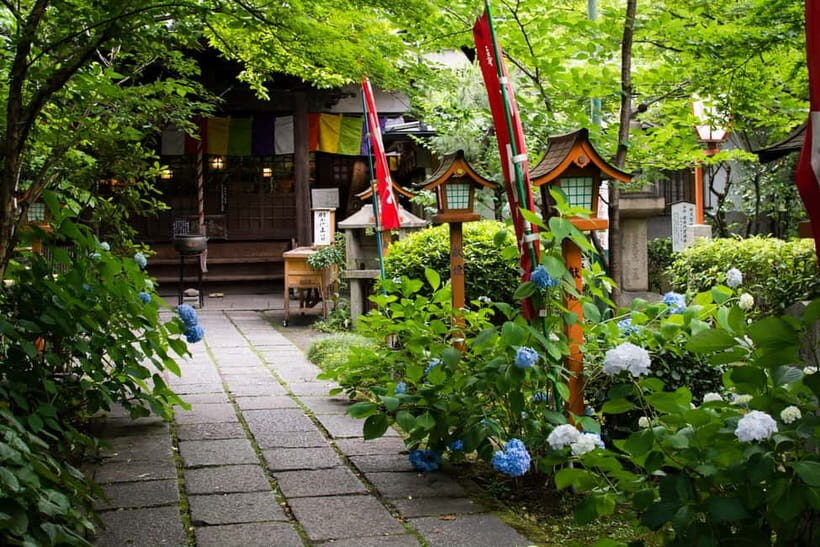
- Quiet temple stop first: an old wooden gate and peaceful grounds set a slower tone for the day.
- Jikkoku-bune boat cruise: a traditional barge-style ride along the same waterways once used for sake transport.
- Canal scenery you can feel: stone bridges and willow banks turn the ride into more than just travel.
- Gekkeikan Ōkura Sake Museum: vintage tools and exhibits plus sake tasting.
- Coffee in a restored Meiji-era building: a warm reset after walking and the museum visit.
- Small-group feel with an English guide: private or small groups are available, with an English-speaking leader.
Fushimi Kyoto: why this half-day feels special
Kyoto can be crowded, even when you try to escape. Fushimi gives you a different side of the city: a sake-brewing neighborhood where the streets feel made for strolling and the canal paths feel made for quiet watching.
What makes this tour work is the mix of calm and craft. You start with a temple moment that’s meant to lower your volume. Then you move to the water—an actual ride instead of just looking at a view from a bridge. After that, the day lands in the museum, where the tasting gives the story a flavor you can remember. And you finish with coffee in a restored Meiji-era space, which helps the tour end gently rather than abruptly.
If you like experiences that connect place to product—how a region’s water, trade routes, and traditions shape what you’re tasting—this format is a strong fit.
You can also read our reviews of more food & drink experiences in Kyoto
Start at JR Chushojima Station and ease into the rhythm
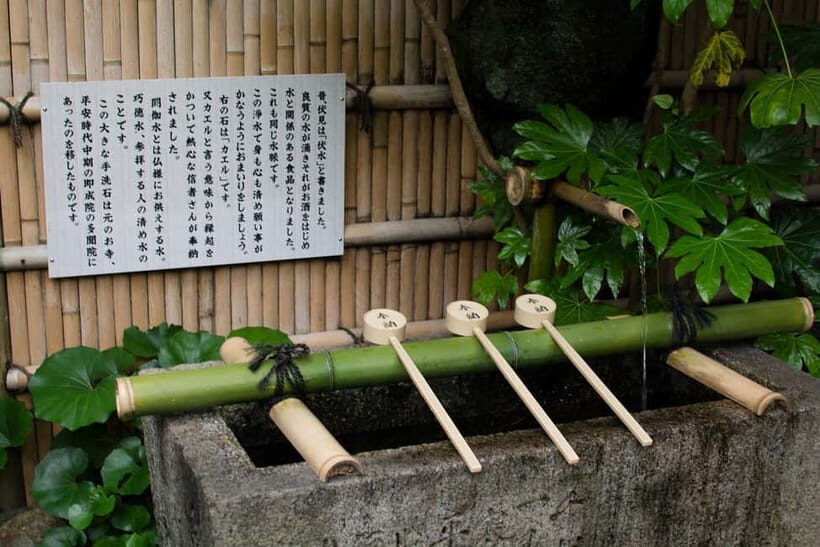
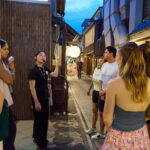
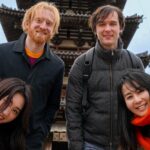
The meeting point is simple: JR Chushojima Station North exit. Your guide should be easy to spot, wearing a TripGuru shirt or holding a TripGuru sign. From there, the tour is built around walking between focused stops, so the first few minutes matter. You get a guided start, then you’re off.
Comfort is the only real “prep” you need: wear comfortable shoes. You’ll be moving on foot at a relaxed pace, but it’s not a sit-down-only experience. A camera helps too—you’ll want photos of the canal scenery and the museum setting.
This is also the type of tour where cash can be handy. The tour information specifically notes bringing cash, which usually means you might want to buy something at the end or along the way (for example, if you find a bottle you want to take home).
The temple pause: a quiet reset before the canals
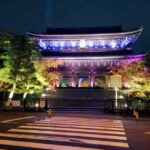
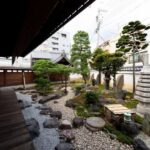
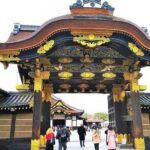
One of the smarter choices in the schedule is that it doesn’t start with sightseeing hype. You begin at a local temple that’s described as tucked away from the crowds, with an elegant wooden gate and tranquil grounds.
Why that matters: if you jump straight into museums and boats, your brain treats everything as separate stops. Starting with quiet space helps you arrive mentally. You’re still in Kyoto, but at a lower speed. Then the canal ride feels even more soothing because you’ve already set the tone.
Also, this temple stop is a good reminder that Fushimi isn’t only about sake. It’s a lived-in neighborhood where religious space and everyday life sit side by side.
Jikkoku-bune boat ride: the relaxing part that actually teaches
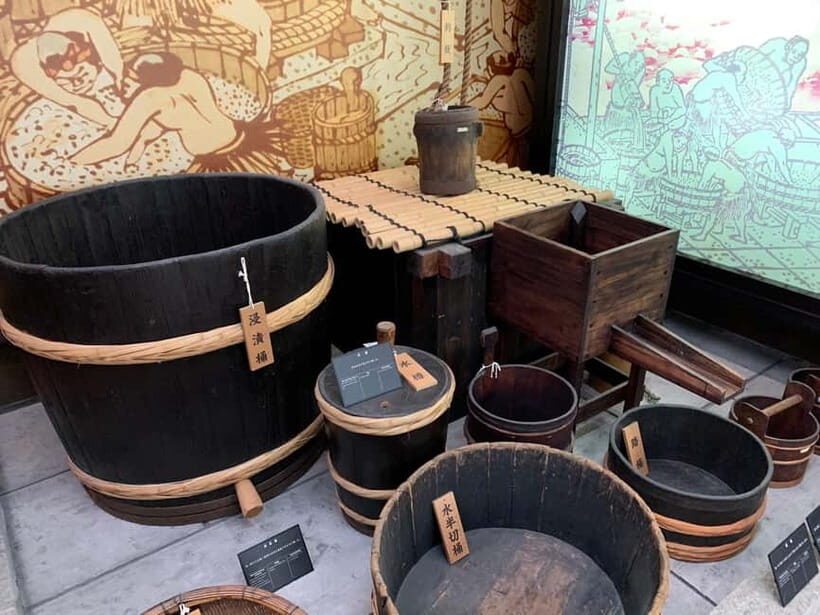
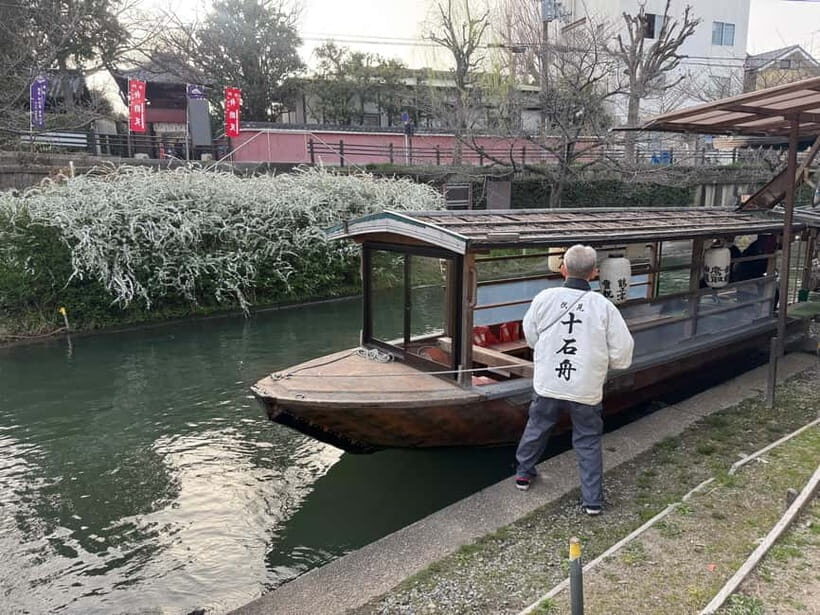
The cruise is the heart-beat moment. You board a traditional Jikkoku-bune boat for a gentle canal ride. In practical terms, it’s a break from walking. But it’s more than rest—this is where you see why the waterways mattered to sake production.
The canal scenery includes:
- willow-lined edges
- stone bridges
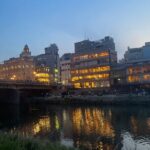
- old warehouses and historic canal streetscape
In historical terms, these waterways were once used to move sake barrels. You don’t need to be a history buff to appreciate that. Once you picture barrels traveling along the same water, the whole district makes more sense.
What you’ll likely enjoy most is how the boat changes the view. From the water, you’re not just photographing landmarks—you’re passing the edges of the district the way a transporter might have. It’s slower. It’s quieter. And it’s easier to notice details you might miss on foot.
Gekkeikan Ōkura Sake Museum: tasting with real context
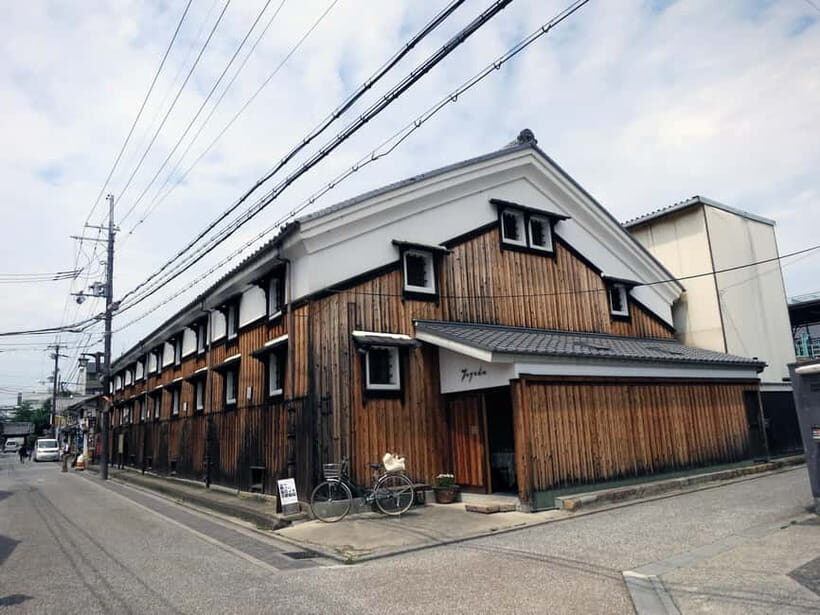
After the canals, the tour shifts from scenery to craft. You visit the Gekkeikan Ōkura Sake Museum with a guided walkthrough. The museum time on the tour is about 55 minutes, so it’s enough to see exhibits without feeling rushed.
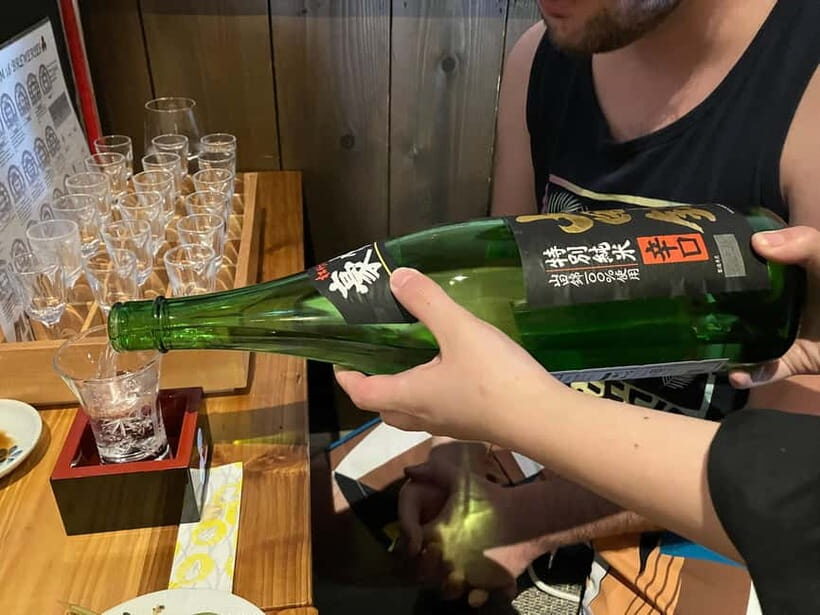
What makes this stop valuable is the way the story connects to what you’re tasting. You learn about centuries-old brewing techniques, you browse vintage tools and museum displays, and then you sample sake made with pure Fushimi spring water.
A tasting portion is often the “payoff” of a sake tour, but it can be hit-or-miss if the guide treats it like a sales pitch. Here, the tasting is paired with the learning, so you’re not just drinking—you’re matching flavor to the process and the regional water source. That’s the difference between forgetting a few sips and remembering what you liked and why.
If you enjoy buying something small and meaningful to take home, this is also the moment that can turn into a souvenir decision. The tour format includes sake tasting, and a guided environment usually makes it easier to choose what to buy afterward.
You can also read our reviews of more boat tours in Kyoto

Coffee in a restored Meiji-era café: end your tour like a local
The day finishes with a coffee break at a café set in a restored Meiji-era building. The coffee break is about 30 minutes, which is a good length: long enough to sit down and reset, but not so long that you lose the momentum of the tour.
This is more than a snack stop. It’s a change of pace. Walking, a museum, and a boat can add up, even when the itinerary is relaxing. Coffee here gives you a comfortable pause before you head back out into Kyoto on your own.
If you like travel that ends with a place, not a punch clock, this makes the whole half-day feel complete. You get to reflect while still feeling cared for.
Price and value: what $54 really buys you
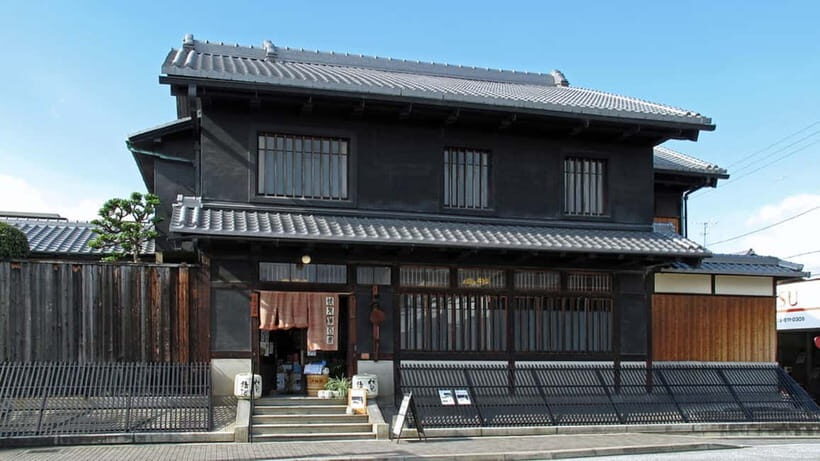
At $54 per person for roughly 210 minutes, you’re paying for more than entry tickets. You’re getting:
- an English speaking guide
- a walking tour structure
- sake tasting
- the boat fee
That combination is where the value shows. If you tried to do this independently, you’d still need to figure out transportation between stops, line up museum timing, and then pay for a canal ride separately. A guided tour bundles the “hard parts” (timing, sequence, interpretation) and makes the experience smoother.
Is it inexpensive? No. But it doesn’t feel overpriced either, because a boat ride plus guided tasting is the kind of add-on that adds cost fast when you book piece by piece.
The best way to judge value is to ask yourself what you want from the half-day:
- If you want photos and a pretty stroll only, you might not need a guided format.
- If you want the canal experience plus context for what you drink, this price starts to make sense.
How long it takes, and what pace feels like
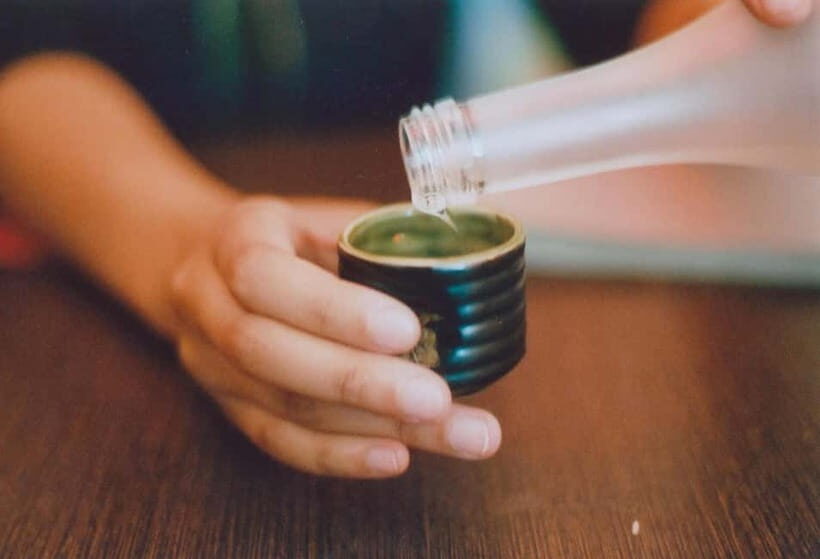
The total duration is listed as 210 minutes, so think “half-day,” not “quick morning.” Even so, your actual time on each part matters more than the calendar total.
One thing to keep in mind: there can be waiting time between steps. That can affect how full the day feels, especially if you prefer very efficient itineraries where you’re always moving. The pace is described as relaxing, but relaxing doesn’t always mean tightly scheduled.
My practical advice: plan a buffer afterward. Don’t stack a second tour immediately. Leave time for wandering in the area while your brain is still in “Fushimi mode.”
Who this tour is best for (and who should skip it)
This experience fits best if you want a mix of:
- Japanese sake culture with guided explanations
- a real scenic boat ride on historic canals
- a calm temple stop before you start tasting
It’s also a solid pick for people who don’t want to spend their Kyoto time building an itinerary. The tour handles the sequence for you, and it’s structured around meaningful stops rather than constant relocation.
Not suitable for:
- pregnant women
- people with mobility impairments
- people with heart problems
- people with respiratory issues
That’s important. Even a relaxed boat and walking involve physical movement and fixed time blocks. If any of those categories apply, you’ll want to skip this one and choose a more flexible, chair-and-stay type of visit.
What to bring (so the day stays easy)
Keep it simple. The tour guidance specifically suggests:
- comfortable shoes
- camera
- cash
I’d also add a practical rule: bring layers. Kyoto weather can shift, and you’ll be outdoors on the canal ride and while walking between stops. If you run cold easily, a light jacket usually pays off.
Should you book this Kyoto Fushimi sake-and-boat tour?
If you want a Kyoto half-day that balances calm scenery, traditional canal transport history, and a guided sake tasting, this is a strong option. The biggest reasons to book are the Jikkoku-bune canal ride and the Gekkeikan Ōkura Sake Museum stop, where you’re not just drinking—you’re learning alongside the tasting.
Skip it if your priority is maximum efficiency with minimal downtime, or if you need an experience that avoids walking and fixed-time activities. Also, if the physical aspects of a boat ride and walking don’t work for you, respect that and choose a different style of tour.
For most people—especially first-timers in Kyoto or anyone who likes food and drink travel—this offers a very “place-based” experience: Fushimi’s canals and sake culture, connected in a way you can actually remember.
FAQ
Where is the meeting point?
Meet at JR Chushojima Station North exit. Look for a guide wearing a TripGuru shirt or holding a TripGuru sign.
How long is the tour?
The duration is 210 minutes (about 3.5 hours).
How much does it cost?
It costs $54 per person.
Is the tour in English?
Yes. The tour includes an English-speaking guide.
What’s included in the price?
Included are an English speaking guide, a walking tour, sake tasting, and the boat fee.
Is hotel pickup or drop-off included?
No, hotel pickup and drop-off are not included.
Is coffee included?
Yes, the tour includes a coffee break.
What should I bring?
Bring comfortable shoes, a camera, and cash.
Is the tour suitable for everyone?
It is not suitable for pregnant women, people with mobility impairments, people with heart problems, or people with respiratory issues.
What is the cancellation policy?
Free cancellation is available up to 24 hours in advance for a full refund.