REVIEW · KYOTO
Kyoto Gion, Fushimi Inari, Arashiyama private Photoshoot
Book on Viator →Operated by KYOTO PHOTOGRAPHY AMARE · Bookable on Viator
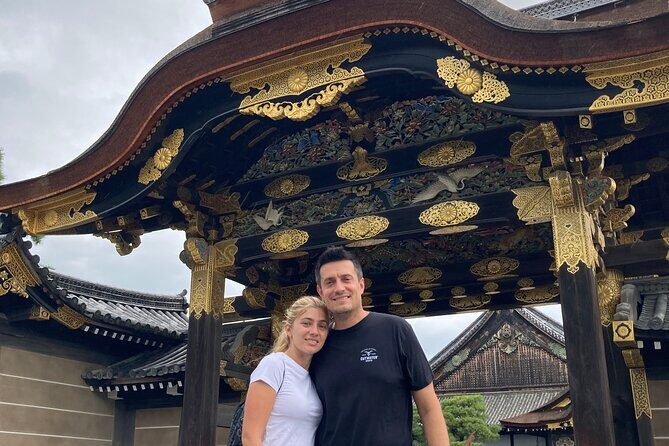
Kyoto photos get easier with a guide. A private session with Amare at Kyoto’s most photogenic spots means you get simple, natural directions instead of wandering and guessing, and you’ll receive 30 carefully edited photos via Google Drive within two days. I also like how the shoot mixes famous landmarks with cultural context, so your pictures feel connected to the place, not just posed.
One thing to plan for: temple and shrine admission tickets aren’t included, and the whole experience is about 1 hour 30 minutes, so you’ll want to be ready to move when the timing shifts due to crowds or weather.
In This Review
- Key highlights at a glance
- Private Kyoto photo tour: the real value
- Stop 1: Yasaka Shrine for torii gate + lantern light
- Stop 2: Hokan-ji Temple and Yasaka Pagoda shots
- Stop 3: Kiyomizu-dera for UNESCO stage views
- Swap options: Fushimi Inari and Arashiyama Bamboo Forest
- Amare as your photographer: patient, direct, and easy to work with
- Kimono vs your own clothes: what you should expect
- Photo delivery: 30 edited images in two days
- Price and timing: what $71.67 gets you
- Who should book, and who might want to skip
- FAQ
- How many photos will I receive, and when?
- Is this tour private?
- How long is the photo tour?
- Are admission tickets included for the temples and shrine?
- Can I wear a kimono or do I need to bring specific clothing?
- Can the locations be changed to include Arashiyama Bamboo Forest or Fushimi Inari?
Key highlights at a glance
- Private guidance with direction for natural poses, so you don’t feel awkward
- 30 edited photos delivered through Google Drive within two days
- Three iconic stops: Yasaka Shrine, Hokan-ji (Yasaka Pagoda), and Kiyomizu-dera
- Flexible route options if you’d rather focus on Arashiyama Bamboo Forest or Fushimi Inari
- Comfortable pacing even if it rains, with patience and time for good shots
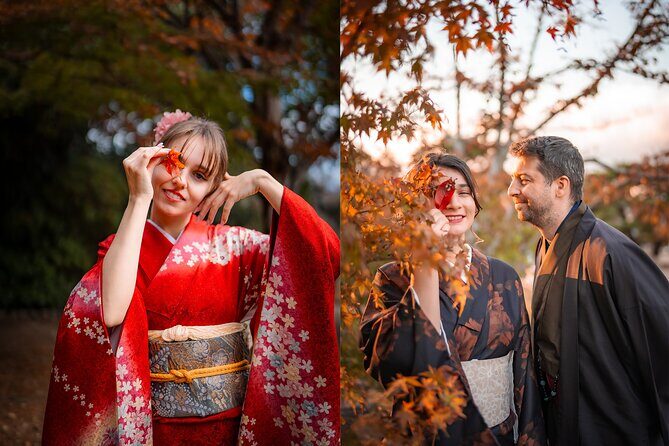
- Kimono-friendly styling help if you want the classic Kyoto look
Private Kyoto photo tour: the real value
A private photo shoot in Kyoto can be worth it even if you already know where the famous spots are. The difference here is that you’re not spending your limited time hunting for the right angle, then hoping your phone camera captures it. You get a plan, and you get prompts that translate well in real life—standing, turning, walking, and small changes in expression.
I also like that this tour isn’t just about snapping landmarks. You start at Yasaka Shrine, move to Hokan-ji Temple, and finish at Kiyomizu-dera, three sights that each create a very different visual mood. That variety matters when you’re paying for edited photos, because it gives your final set a natural story arc.
And yes, you’re in control. You can shoot in your own clothes, or you can go for a kimono look (and ask for help coordinating it). This setup tends to work well for couples, solo portraits, families or groups, and even maternity sessions, as the guidance can be adjusted to your needs.
You can also read our reviews of more private tours in Kyoto
Stop 1: Yasaka Shrine for torii gate + lantern light
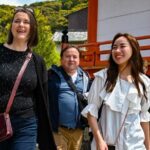
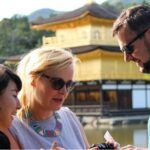
Your shoot starts at Yasaka Shrine, right in the lively Kyoto area people associate with Gion. The star visual is the bright red torii gate, plus rows of lanterns that create that classic Kyoto glow. The best part of starting here is that the setting gives you instant “Kyoto atmosphere” even if you’re wearing modern clothes.
At this stop, expect a focused photo block of about 30 minutes. Amare’s style is the kind that keeps you moving without rushing you—think gentle instructions like where to angle your body, how to hold your hands naturally, and how to step so your photos don’t look stiff. You’ll also want to take a breath here: early in the session, your posture tends to be more relaxed, and the pictures show it.
Practical note: shrine admission tickets aren’t included, so you may want to budget for that if you don’t already plan to enter. Also, since this is a top location, crowds are part of the deal. A private guide helps you get better results by working with the flow rather than fighting it.
Stop 2: Hokan-ji Temple and Yasaka Pagoda shots
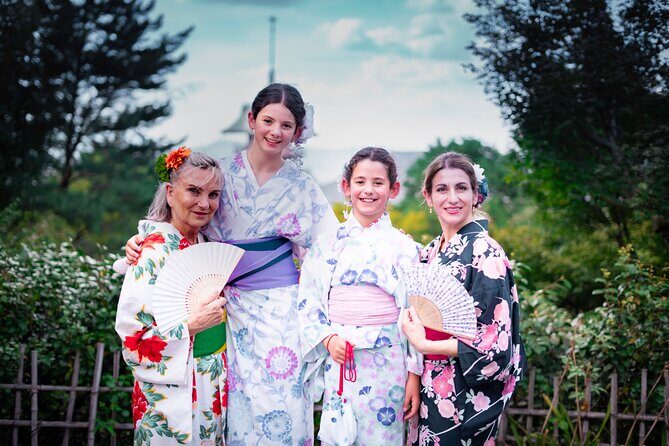
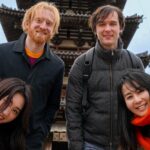
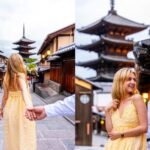
Next you head to Hōkan-ji Temple, known for the famous five-story Yasaka Pagoda. This is one of those places where the architecture naturally gives you vertical lines—perfect for portraits that feel distinctly Kyoto. Even if you’re not a “temple photo” person, the pagoda does the heavy lifting visually.
Like the first stop, you’ll get around 30 minutes here. This is a great segment for couples and groups, because the background reads well even when you shift positions slightly. The instructions you get usually help with the small stuff that makes photos look intentional: spacing between people, where to face, and how to make a pose look relaxed instead of forced.
A consideration: the streets around temple entrances often include small shops and narrow lanes. That can mean you spend a little time repositioning your group for the cleanest composition. Since the tour is timeboxed, you’ll get the best results if you follow the guidance quickly when the moment changes.
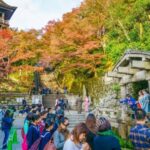
Stop 3: Kiyomizu-dera for UNESCO stage views
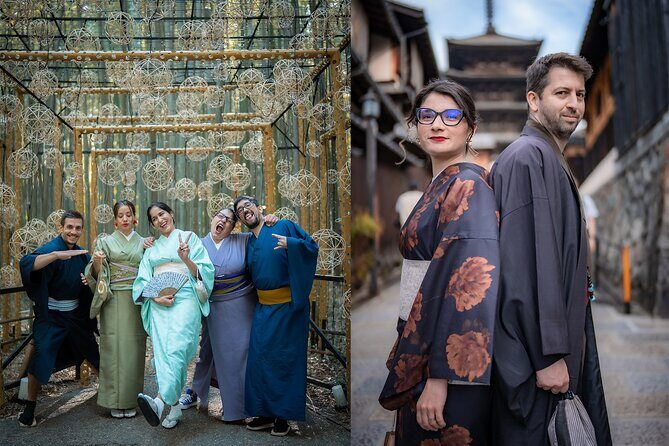
The final stop is Kiyomizu-dera Temple, a UNESCO World Heritage site with a huge wooden stage supported by hundreds of wooden pillars. Visually, it’s one of Kyoto’s most dramatic photo backdrops. It also gives your edited set a “big finale” look—especially when you want portraits that feel grand rather than cute.
You’ll have about 30 minutes at this stop as well. This segment is ideal for full-body shots and for photos where you’re letting the architecture sit behind you. Amare’s approach tends to focus on natural movement—turn, pause, look, then reset—so you don’t end up with the same expression in every frame.
Just like the first two stops, admission tickets for the sites aren’t included. Another practical thing: weather can change quickly in Kyoto. If it’s raining, the session can still work, but you’ll want to stay flexible. The good sign here is that your guide won’t treat rain like an emergency exit—there’s enough patience in the process to adjust timing and keep the shoot productive.
Swap options: Fushimi Inari and Arashiyama Bamboo Forest
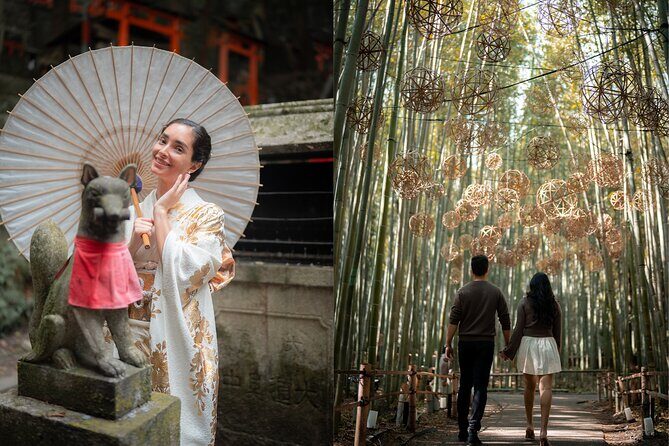
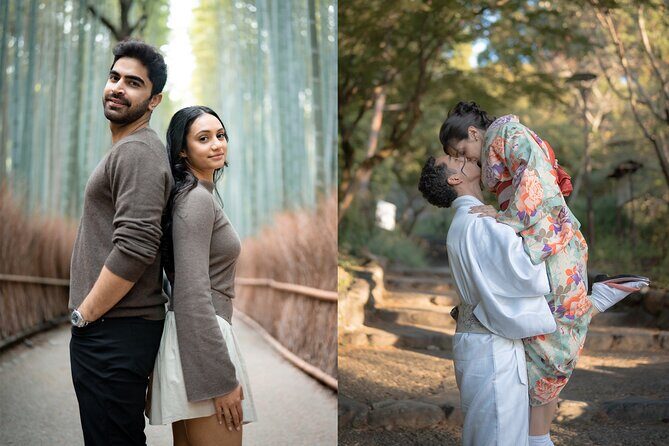
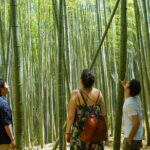
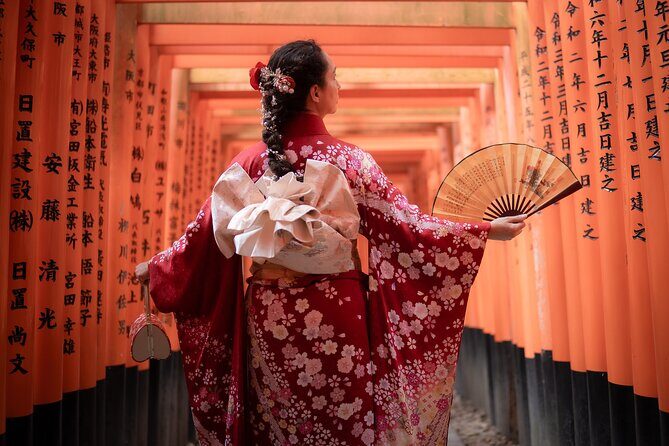
The tour is flexible. Usually, the plan centers on the Gion-area stops, but you can request changes toward Arashiyama Bamboo Forest or Fushimi Inari. If you’re dreaming of vermilion torii gates for your photos, Fushimi Inari is the obvious match. If you want that iconic bamboo corridor look, Arashiyama is the way.
How does this affect your day? Mostly, it changes the “background story” of your final photos. Gion-style locations lean into traditional shrine-temple Kyoto, while Fushimi Inari and Arashiyama are more instantly recognizable for a specific visual signature. If you’re only in Kyoto for a short stretch, swapping can be a smart use of time: you’ll spend your limited 1 hour 30 minutes where your ideal backdrop lives.
One more tip: decide what you want your photo set to feel like. If you want variety across your edits, keeping a classic mix makes sense. If you want maximum recognition in every photo, a route focused on Fushimi Inari or Arashiyama can deliver.
You can also read our reviews of more photography tours in Kyoto

Amare as your photographer: patient, direct, and easy to work with
The most consistently praised part of this experience is how easy it is to feel comfortable in front of the camera. Amare’s guidance is practical: clear directions that help you get into natural-looking positions without overthinking. That matters because Kyoto streets can make you self-conscious fast—crowds, signage, and strangers everywhere.
Communication is another strong point. People describe quick, clear texting before and during the shoot, which helps you feel prepared rather than guessing at logistics on the day. And when timing gets tight—because Kyoto loves crowds—the approach stays calm. The goal is quality, not a fast check-the-box session.
A standout skill from the experiences shared: patience when things don’t go perfectly. Rain happens, schedules can shift, and groups can have mixed comfort levels in front of a camera. In those moments, the photographer keeps the process steady and focused on getting good shots for everyone in the group.
Kimono vs your own clothes: what you should expect
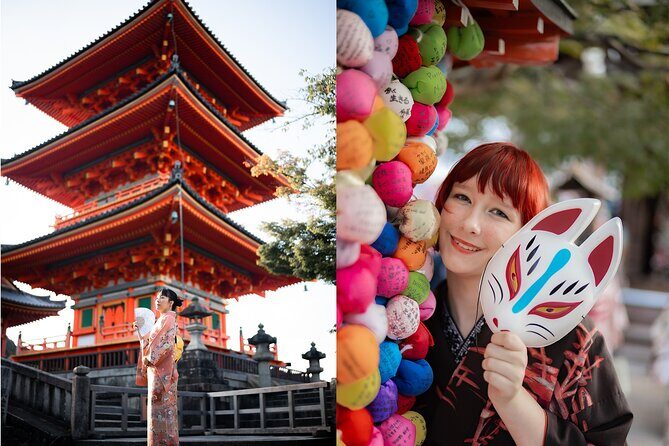
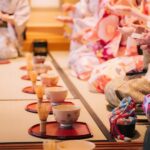
This tour works with both styles: kimono or your own outfits. If you want the classic Kyoto look, you’ll likely spend less effort imagining how you’ll pose in traditional clothing—your guide can help you make it look natural rather than costume-like.
One practical benefit of kimono is how it adds visual texture and color harmony with temple and shrine backdrops. The torii, pagoda, and wooden stage all photograph well with traditional fabric. If you go with your own clothes, you’ll still benefit from the direction, because the posing guidance adapts to your outfit and body comfort.
Also, there’s some real flexibility here. The shoot can support solo portraits, couple portraits, group pictures, and maternity sessions. That means you should feel comfortable bringing your own plan—whether you want a few romantic shots, a family set, or a mix of candid-style portraits and more posed frames.
If you’re planning a kimono, ask in advance. Amare has helped coordinate kimono rental arrangements for some people in Gion, and that kind of support can save you time and stress.
Photo delivery: 30 edited images in two days
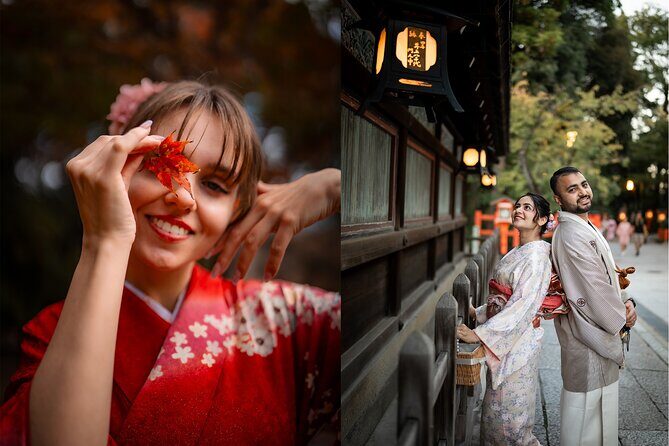
You’ll get 30 carefully edited photos, delivered via Google Drive within two days. For many people, that fast turnaround is the real win. You’re not waiting weeks to see whether your portraits are worth printing, sharing, or framing. It also helps because you can use the images while your memories of the trip still feel fresh.
What matters is that the edits are meant to look coherent across different locations. The set includes shots from multiple Kyoto backdrops, so the final collection typically feels like a curated series rather than random snaps. The goal is simple: you should be able to pick favorites quickly.
Since you’re paying for edited photos, treat the on-site time like the foundation. The best results happen when you follow the pose prompts, pay attention to where your body is facing, and let your guide lead you to the best spots at the right moments.
Price and timing: what $71.67 gets you
At $71.67 per person for about 1 hour 30 minutes, this sits in the category of paid experiences that add real value—mainly because it’s private and because you’re getting a specific deliverable set of 30 edited photos.
Here’s the value breakdown in plain terms:
- Private time means you aren’t sharing direction or composition tips.
- Professional guidance means you’ll likely get usable photos, not just decent backgrounds.
- Edits and speed mean you get a final result, not just a camera roll.
The catch is the usual one: admission tickets aren’t included. So the final total may be higher depending on what you pay at Yasaka Shrine, Hokan-ji Temple, and Kiyomizu-dera. Plan for that, and the price makes more sense.
Booking tends to happen about 23 days in advance on average, so if your dates are tight, don’t wait. Also, confirmation happens at booking time, so you’re not stuck in limbo wondering if it’s real.
Good news: cancellation is free up to 24 hours before the experience starts, so you can book with less stress if your itinerary is still shifting.
Who should book, and who might want to skip
Book this if you want Kyoto portraits with less stress. It’s especially good for:
- couples who want clear direction and romantic framing
- solo travelers who don’t want awkward self-timer moments
- families or groups who want everyone included without chaos
- people who want kimono portraits, with help making it look natural
It’s also described as suitable for most people, and service animals are allowed, which is a thoughtful inclusion for those who need it.
Skip it only if you’re already getting great photos on your own and you don’t care about edited delivery. If you mainly want photos for quick posting and don’t want guidance, you might prefer a self-guided route and your own camera work.
My practical advice: decide what you want most—recognizable backdrops or polished portraits. If you want both, this private format is a strong fit, because you’re paying for results, not just access.
FAQ
How many photos will I receive, and when?
You’ll receive 30 carefully edited photos delivered via Google Drive within two days.
Is this tour private?
Yes. It’s a private tour/activity, so only your group participates.
How long is the photo tour?
The experience lasts about 1 hour 30 minutes.
Are admission tickets included for the temples and shrine?
No. Admission tickets are not included for the stops listed.
Can I wear a kimono or do I need to bring specific clothing?
You can wear a kimono or your own clothes. Your guide helps you feel relaxed and confident during the shoot.
Can the locations be changed to include Arashiyama Bamboo Forest or Fushimi Inari?
Yes. The tour is usually offered around Gion, but you can request changes so the shoot includes Arashiyama Bamboo Forest or Fushimi Inari instead.
You Might Also Enjoy
![[Otaru & Yoichi] Let's go to Otaru Canal, Sakaimachi Street, Music Box Hall, and Yoichi Nikka Whiskey by private car (arriving and departing from Sapporo) - Yoichi Nikka Whiskey: museum, shop, and tasting-style stops](https://images.thejapantraveler.com/wp-content/uploads/otaru-yoichi-lets-go-to-otaru-canal-sakaimachi-street-music-box-hall-and-yoichi-nikka-whiskey-by-private-car-arriving-and-departing-from-sapporo.jpg) [Otaru & Yoichi] Let’s go to Otaru Canal, Sakaimachi Street, Music Box Hall, and Yoichi Nikka Whiskey by private car (arriving and departing from Sapporo)
[Otaru & Yoichi] Let’s go to Otaru Canal, Sakaimachi Street, Music Box Hall, and Yoichi Nikka Whiskey by private car (arriving and departing from Sapporo) Full-Day Tour from Kanazawa: Samurai, Matcha, Gardens and Geisha
 Hiroshima: Private City Highlights Walking Tour
 Half-Day Private Walking Tour in Kyoto