Gion looks different when you know where to step. This 3-hour walking tour is designed to show Kyoto’s famous lanes through stories of geisha culture, daily life, and the city’s past-to-present change. You’re not just passing landmarks; you’re learning how people actually move through this place.
I especially like the way the guide turns the scenery into understanding, with history-based explanations and lots of on-the-spot context. The lantern-lined alleyways, preserved wooden townhouses, and quiet backstreets make it feel like you’re walking with someone who cares about details. One thing to watch: there are a lot of steps, so low fitness visitors may find the pace tough.
In This Review
- Key Points I’d Prioritize
- Why This Gion Walk Feels More Local Than Most
- Price and Value: Is $25 Worth a 3-Hour Walk?
- Meeting at Ben’s Cookies Shijo: Finding the Group Fast
- Gion Tatsumi Bridge: Getting Oriented in the District
- Chion-in: A Temple Stop That Changes the Mood
- Maruyama Park: Where Tradition Meets Daily Life
- Hōkan-ji Temple: Short Stop, Purposeful Timing
- Ninen Zaka and Sannenzaka: Stone Streets With Big Photo Energy
- Finishing at Kiyomizu-dera Niomon Gate: A Strong Last Impression
- Guide Quality Is the Real “Included” Feature
- Pace and Fitness: The One Factor That Can Make or Break It
- Photo Plan and Timing Tips So You Don’t Feel Rushed
- Who Should Book This Tour (and Who Might Skip)
- Should You Book This Kyoto Gion Geisha District Tour?
- FAQ
- How long is the Kyoto Gion Geisha District walking tour?
- How much does the tour cost?
- Where is the meeting point?
- Where does the tour finish?
- Is the tour offered in English?
- Is it a lot of walking and stairs?
- What should I bring?
- Are alcohol or drugs allowed during the tour?
- Can I cancel, and is pay later available?
Key Points I’d Prioritize
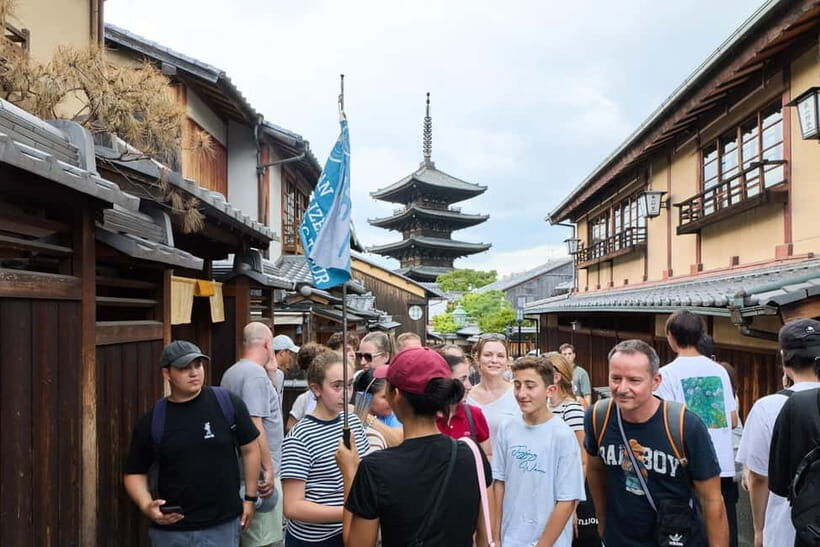
- Geisha culture explained in plain language, tied to what you see on the street
- Hidden shrines and quiet backstreets that you’d likely miss on your own
- English live guide (and the storytelling level sounds consistently strong)
- Strong route variety: Gion temples plus Higashiyama stone streets
- A satisfying finish at Kiyomizu-dera Niomon Gate rather than a quick backtrack
- Photo-friendly stops, but expect walking to do the heavy lifting
Why This Gion Walk Feels More Local Than Most
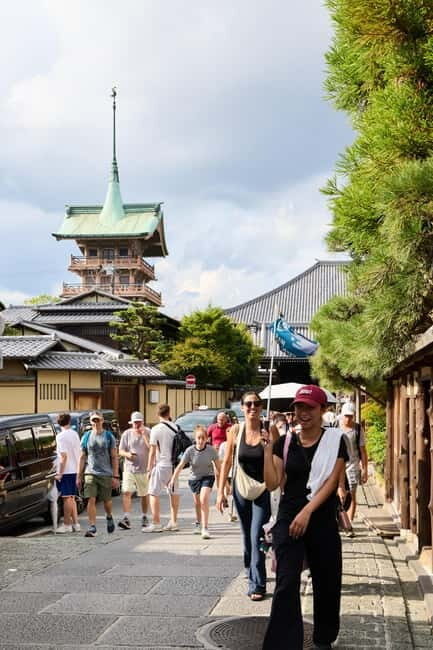
Kyoto is famous for being beautiful, but beauty alone doesn’t teach you much. What makes this tour work is the focus on everyday context—how traditions exist next to modern life—and how geisha culture fits into Kyoto’s rhythm.
You get a guided route through Gion’s historic atmosphere, including the kind of lanes where you can spot wooden townhouses and the quieter edges of the district. The tour also points out smaller religious and cultural stops, so you’re not stuck only at the headline sights.
And if you’re the type who likes questions answered in real time, the guide experience here matters. Past groups mention guides like Mr J and Ben/Jay, praised for lively delivery and history-focused explanations, including how stories connect to what you see nearby.
You can also read our reviews of more walking tours in Kyoto



Price and Value: Is $25 Worth a 3-Hour Walk?
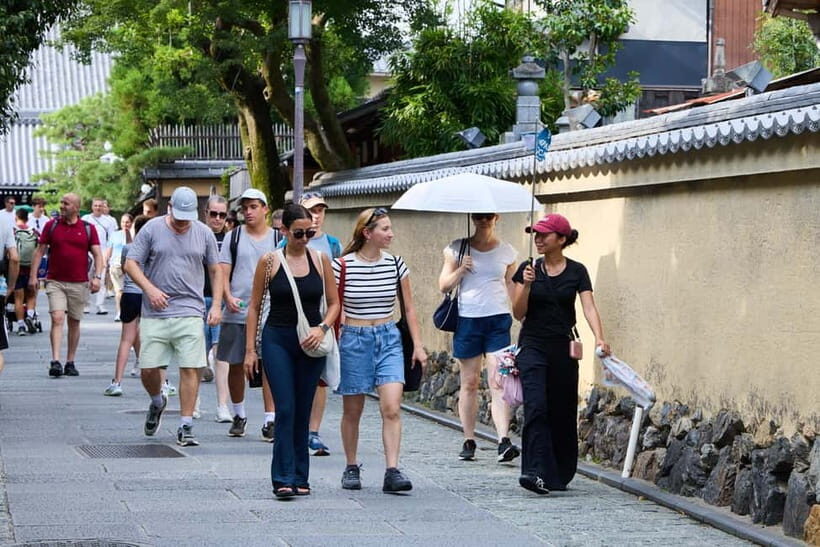
At $25 per person for 3 hours, the value depends on what you want: shortcuts or understanding. This is the understanding option. The guide time alone is what you’re paying for, and that’s what turns streets into learning.
For a city like Kyoto—where the “where am I supposed to look” factor is real—an organized route helps you move efficiently between different styles of sights. You also get structure: a set starting point, a logical sequence of stops, and a finish at Kiyomizu-dera’s gate area.
One practical note: the walk is not just easy sightseeing. You’ll want to treat it like a proper outing—bring water, plan comfortable shoes, and expect stair-heavy moments.
Meeting at Ben’s Cookies Shijo: Finding the Group Fast

The tour starts at Ben’s Cookies Kyoto Shijo. The guide holds a sign out front, so you’re not left guessing at the exact meetup point.
This matters more than it sounds. Kyoto’s lanes can be confusing, and it’s easy to lose time wandering before your tour even starts. With a clear meeting landmark, you can show up, check in quickly, and get moving.
If you like to travel light, keep it simple: you only need water. Alcohol and drugs are not allowed, so plan on staying fully focused while you’re out walking and listening.
Gion Tatsumi Bridge: Getting Oriented in the District
Your second stop is the Gion Tatsumi Bridge. This is the kind of place where a short visit can change how you see everything that follows—because bridges and water-adjacent viewpoints help you understand the geography of the area.
Expect a guided look that sets context before you sink deeper into alleyways. The value here is pacing: you’re not thrown into a dense cluster of lanes immediately. You get a small “orientation moment,” which makes the later turns feel more intentional.
It’s also a good spot for quick photos, as long as you’re aware that popular areas can have foot traffic. The tour keeps it efficient, but you’ll still want to stay aware of others.
Chion-in: A Temple Stop That Changes the Mood
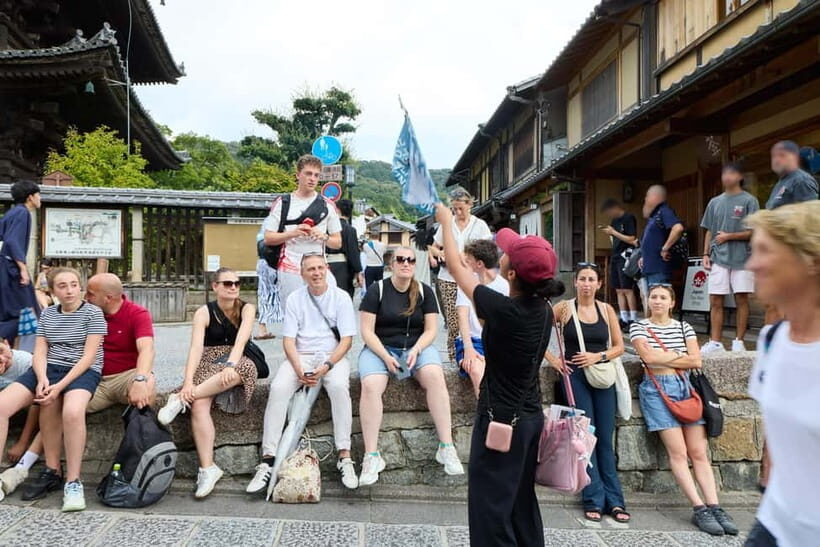
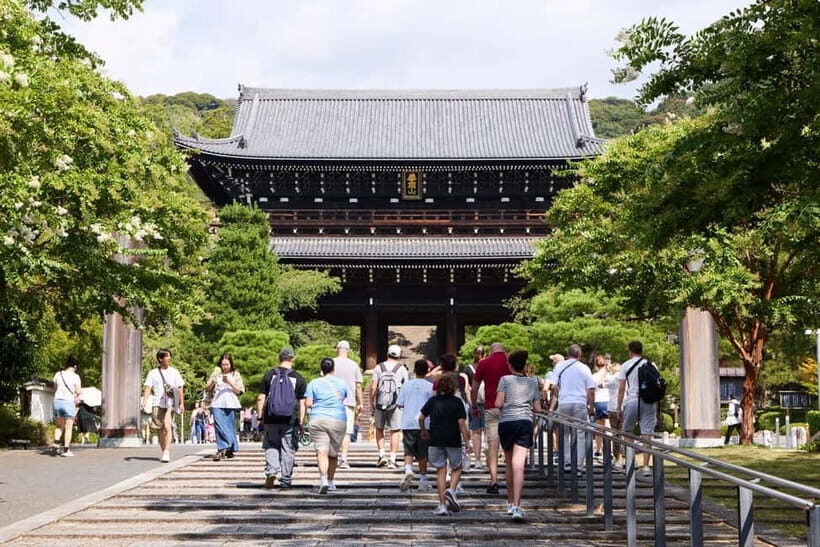
Next up is Chion-in, with a guided visit timed to keep you from feeling rushed. This is where the tour shifts from district atmosphere into Kyoto’s religious landscape and historical layers.
Chion-in can read as simply impressive architecture if you’re there alone. With a guide, it becomes a story: how belief and community life connect, and why temples in Kyoto aren’t just monuments—they’re living parts of the city’s identity.
The tour’s approach is to connect culture to real street scenes. You’ll also hear how Kyoto transformed over time, which helps explain why Gion looks the way it does today.

Maruyama Park: Where Tradition Meets Daily Life
Maruyama Park adds a breather between heavier walking moments. It’s a smart choice for a 3-hour tour because parks offer space to reset, regain your breath, and keep your ears open for the next explanation.
This stop also fits the tour’s overall theme: you’re seeing Kyoto as a place people inhabit, not just a museum. The guide’s stories here aim to show how traditions continue alongside everyday routines.
If you’re traveling with different ages or energy levels, this kind of pause matters. One group noted that even with kids along, the tour stayed engaging, and having stops with different “speeds” likely helped a lot.
Hōkan-ji Temple: Short Stop, Purposeful Timing
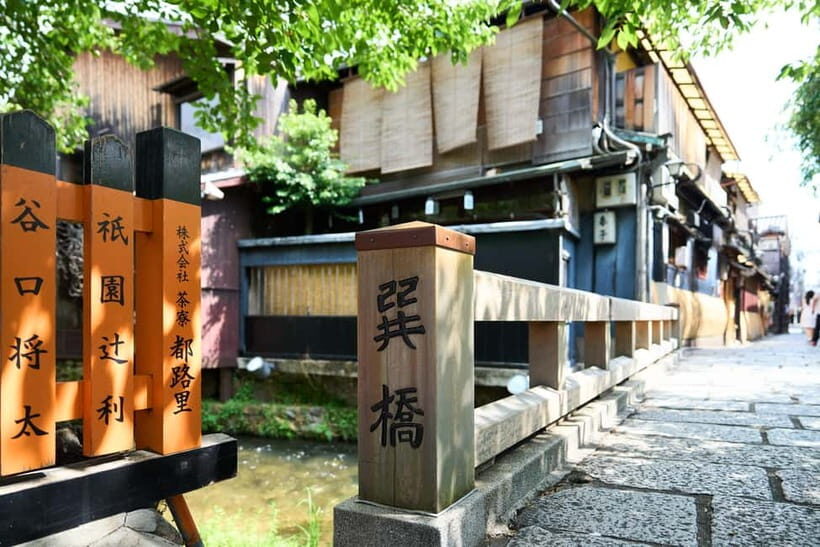
Then you head to Hōkan-ji Temple. The visit is brief, but short stops can be great on a walking tour when the guide has a clear focus for you.
The main advantage is rhythm. You’re moving through different environments—Gion street character, larger temple presence, then smaller, more intimate sacred spaces. That mix prevents the tour from feeling like one long line of similar sights.
The trade-off is that you won’t have hours at any single temple. But for many visitors, that’s exactly the point: you’re trying to cover the cultural highlights without getting lost or stuck.
Ninen Zaka and Sannenzaka: Stone Streets With Big Photo Energy
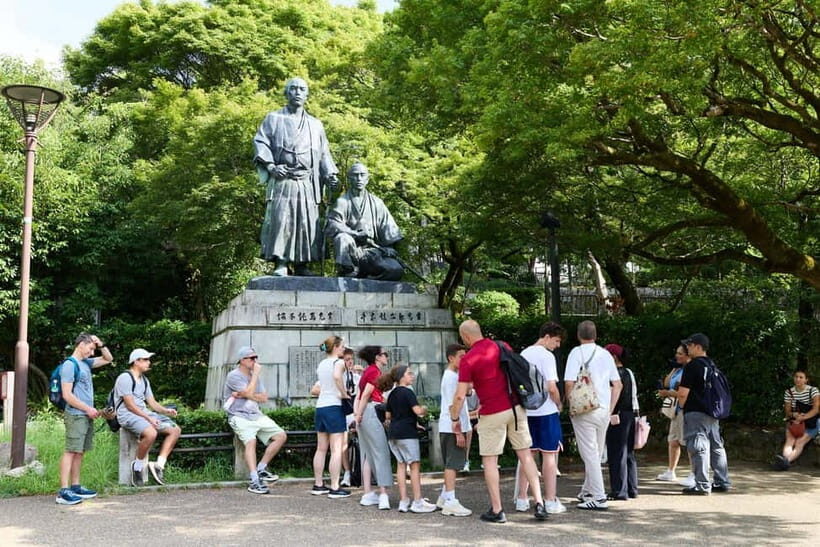
The walk reaches the iconic Higashiyama stone streets area with Ninen Zaka and Sannenzaka. This is where the atmosphere turns extra postcard-like: traditional lanes, preserved streetscape vibes, and strong visual lines for photos.
It’s also where you’ll feel the “walk equals workout” part. These areas are famous, and they can be crowded depending on time of day. The tour keeps each stop short, which helps you enjoy the feel without spending too long trapped in slow-moving clusters.
Practical tip: if you’re planning photos, keep your stops purposeful. Don’t stand in the middle of the lane. Step to the side, frame quickly, and let others pass while you still get the shot.
Finishing at Kiyomizu-dera Niomon Gate: A Strong Last Impression
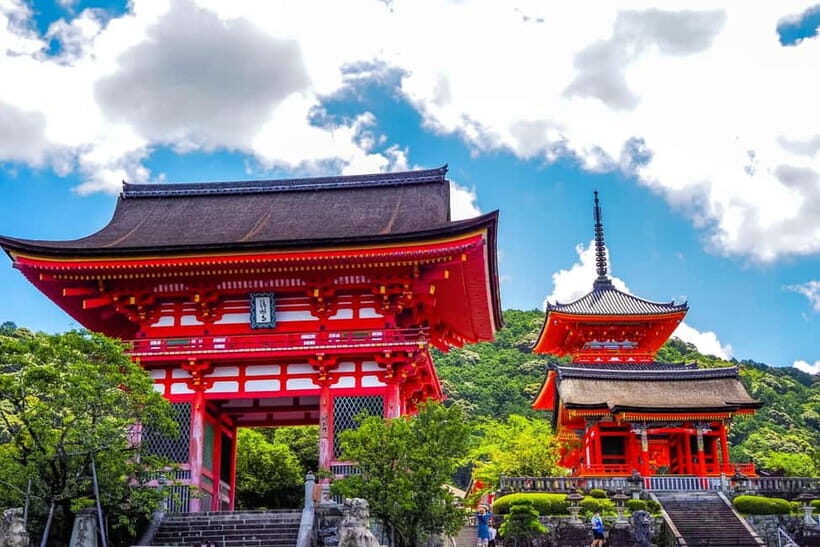
The tour ends at Kiyomizu-dera Niomon Gate. This is a great finish because it gives you a clear endpoint that feels meaningful, not just a random drop-off.
For many people, the gate area acts like a final “Kyoto snapshot” moment. You’ll have walked through districts and religious sites, then end at one of Kyoto’s most recognizable temple settings.
Also, finishing here can help you decide what to do next. If you still have energy, you’re positioned to continue exploring around Kiyomizu-dera. If you’re done for the day, you still leave with a memorable capstone.
Guide Quality Is the Real “Included” Feature
The tour includes a guided tour, but the bigger value is how the guide teaches. In past bookings, guides such as Mr J, Ben, and Jay are specifically praised for being friendly, patient, and full of anecdotes that connect Japanese history to what you’re seeing.
What I like about that style: it prevents the walk from becoming a list of facts. Instead, you learn why a detail matters. That’s the difference between seeing Gion and understanding Gion.
If your English is solid but you still want room to ask questions, this tour seems built for that. One review highlighted how questions were answered with depth and ease, which is exactly what you want from a cultural walking tour.
Pace and Fitness: The One Factor That Can Make or Break It
The tour comes with an honest warning: expect lots of steps. It’s not described as suitable for people with low fitness.
So here’s the practical way to decide:
- If you can handle stair sections and a steady walking pace for about 3 hours, you’ll likely be fine.
- If stairs make you nervous, plan extra rest breaks for yourself and consider sitting this one out.
Even if the group is moving steadily, one review noted that the guide built in time to rest when possible. Still, the baseline is active walking.
Photo Plan and Timing Tips So You Don’t Feel Rushed
You’ll get photo chances, but this is a walking tour, not a slow sightseeing crawl. To make your photos come out well:
- Wear shoes that can handle uneven stone.
- Keep your camera ready but don’t linger in bottlenecks on the lanes.
- Treat the short temple and alley stops as moments to capture one or two strong frames, not a full photoshoot.
If you want the most relaxed experience, aim to keep your expectations aligned with the structure: guided stops, short visits, then movement onward.
Who Should Book This Tour (and Who Might Skip)
This tour is ideal if you want a guided walk through Gion with clear explanations about geisha culture, temple context, and why Kyoto looks the way it does. It also works well if you like history that’s connected to street-level details.
It may not be the best fit if:
- You have low fitness or struggle with lots of steps.
- You want long free time at each site instead of guided timing.
- You prefer a purely self-paced photo tour.
If you’re traveling with kids, it can be a good match because the tour is described as engaging and not boring even for younger participants. Just be realistic about stamina and keep water and breaks in mind.
Should You Book This Kyoto Gion Geisha District Tour?
Book it if you want the best “value per hour” way to connect Gion streets, Kyoto temples, and Higashiyama stone lanes into one guided storyline. English live guidance and consistent praise for history-based explanations are exactly what make this feel worth more than wandering alone.
Skip it if your legs are a question mark. The tour is step-heavy, and there’s no way to turn that off.
If you fit the walking profile, this is a strong way to see Kyoto’s cultural core with a route that ends in a satisfying, iconic spot.
FAQ
How long is the Kyoto Gion Geisha District walking tour?
It lasts about 3 hours.
How much does the tour cost?
The price is $25 per person.
Where is the meeting point?
Meet in front of Ben’s Cookies Kyoto Shijo. The guide will be holding a sign.
Where does the tour finish?
The tour finishes at Kiyomizu-dera Niomon Gate.
Is the tour offered in English?
Yes, the live guide provides the tour in English.
Is it a lot of walking and stairs?
Yes. The tour includes a lot of steps, and it is not suitable for people with low level fitness.
What should I bring?
Bring water.
Are alcohol or drugs allowed during the tour?
No. Alcohol and drugs are not allowed.
Can I cancel, and is pay later available?
Yes. You can cancel up to 24 hours in advance for a full refund, and there is a reserve now & pay later option.