REVIEW · KYOTO
Kyoto: Gion Morning/Night Walking Tour
Book on GetYourGuide →Operated by Jacalize Co., Ltd · Bookable on GetYourGuide
Gion looks different before breakfast crowds. This morning-or-night walking tour is a simple, high-reward way to experience Kyoto’s Gion district at the calmest times, with sights like traditional wooden houses and tea streets and the kind of storytelling that makes the neighborhood feel personal. I especially love the exclusive morning access (fewer crowds, easier photos) and the chance to get context from the guide, like Kimu, who can tailor the walk to your interests. One drawback: if you’re hoping for guaranteed geisha sightings, you may need to stay flexible, and clear English listening matters.
You’ll meet your guide at Exit 4 on the ground and end back where you started—no transit faffing, just walking. Bring comfortable shoes, a camera, and water, and be ready for weather changes since you’re mostly outside.
In This Review
- Key highlights at a glance
- Meeting at Exit 4 on the Ground: How Your Gion Walk Starts
- Morning Quiet vs. Night Glow: Picking Your Best Time in Gion
- Traditional Wooden Houses and Tea Streets: What You’ll See Up Close
- Stories and Local Culture With Kimu: Turning Streets Into Meaning
- Photo Tips for Rain, Sakura Season, and Night Lighting
- Price and Value for $40: What You’re Really Paying For
- Etiquette and Practical Walking Advice for Gion
- Who This Tour Suits Best (and Who Might Want Something Else)
- Should You Book This Kyoto Gion Morning/Night Walking Tour?
- FAQ
- How much does the Kyoto Gion Morning/Night Walking Tour cost?
- What does the tour include?
- Is hotel pickup and drop-off included?
- Does the tour include meals and drinks?
- Are entrance fees included for attractions?
- Where do I meet the guide?
- What time options are available?
- What language is the tour conducted in?
- What should I bring?
- Is smoking allowed during the tour?
- Can I pay later, and what are the cancellation terms?
Key highlights at a glance
- Exclusive morning access for calmer streets: get the Gion look before the daytime crush.
- Traditional architecture on foot: wooden houses and tea houses you can actually get close to.
- Stories that connect the dots: Kimu’s explanations help you read the area beyond postcards.
- Night atmosphere can be pure Kyoto: especially when the lighting shifts and the streets quiet down.
- Photography works in real conditions: rain doesn’t have to ruin your shots.
Meeting at Exit 4 on the Ground: How Your Gion Walk Starts
This tour keeps things straightforward: you meet the guide at Exit 4 on the ground and the walk ends back at the same meeting point. That loop matters because you’re not trapped in a long transit shuffle, and you don’t have to wonder how to get yourself home afterward.
Once you link up with the guide, the walk becomes your guided “street reading” session. In a place like Gion, it’s easy to see pretty buildings without understanding what you’re looking at. The guide helps you notice details you’d otherwise miss—things like why certain corners feel the way they do, and how the district’s culture shows up in what’s still standing.
If you’re the type who likes to start early, the morning option is the cleanest fit. If you’re more into mood and atmosphere, the night version can feel like a different neighborhood entirely.
You can also read our reviews of more walking tours in Kyoto

Morning Quiet vs. Night Glow: Picking Your Best Time in Gion
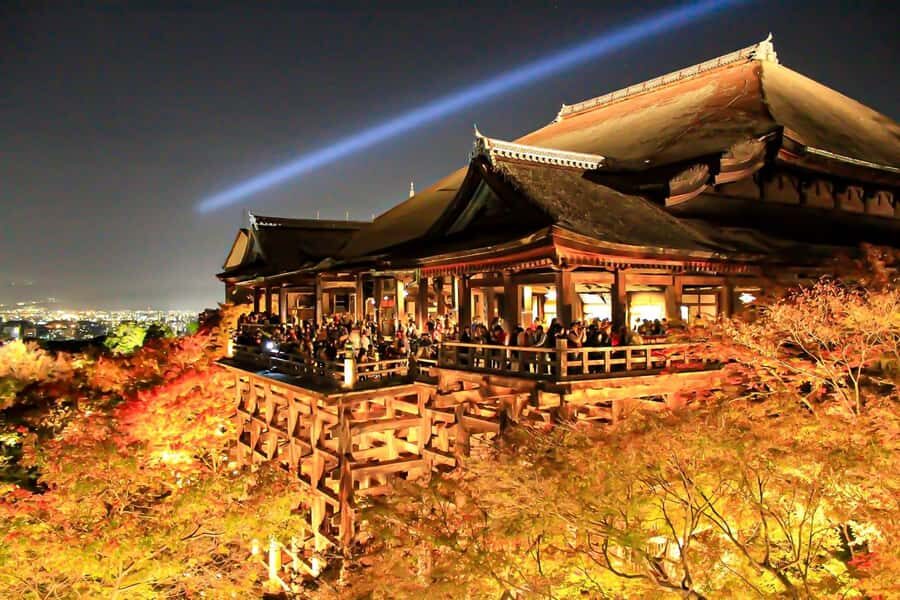
Choosing between morning and night is really choosing your goal.
Morning gives you the quiet-before-the-crowds advantage. Gion feels less performative then—more like a real neighborhood you can walk through slowly. That calm is great for photos, too, because you’re not constantly sidestepping groups, and you can linger in front of the traditional wooden facades without feeling rushed.
Night is for atmosphere. The lighting changes the street textures, and you tend to get a more cinematic vibe. I like that the tour supports this style of experience—one guide-led night even turned rainy weather into a photo opportunity, which tells you the outing isn’t only about perfect conditions.
One practical note: the tour is in English, and while the guide is local, you’ll get the most out of it if you’re comfortable hearing spoken explanations for a while. If your listening stamina is limited, plan to ask follow-up questions when something doesn’t land.
Traditional Wooden Houses and Tea Streets: What You’ll See Up Close
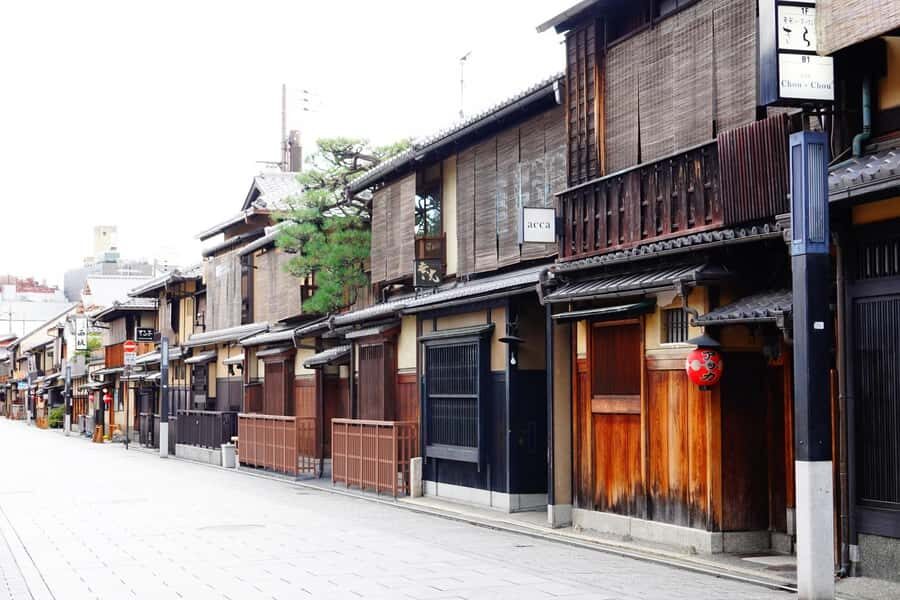
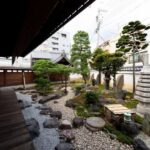
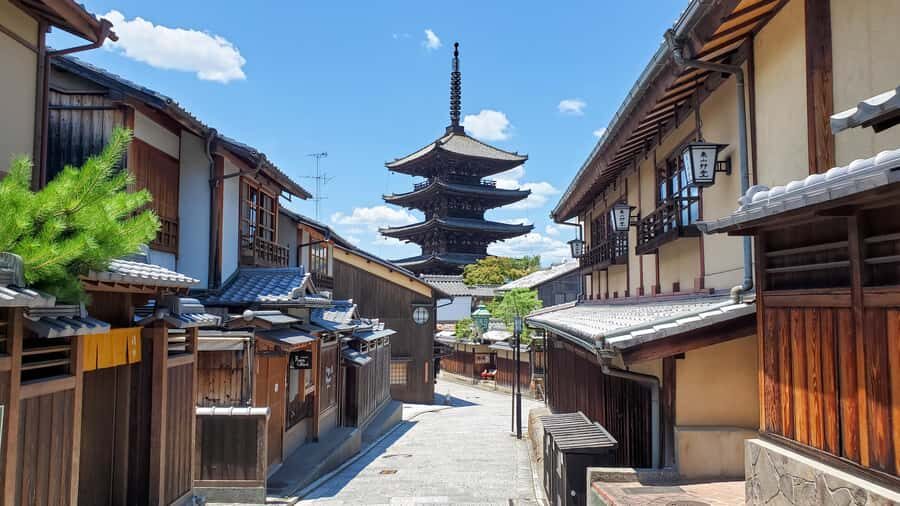
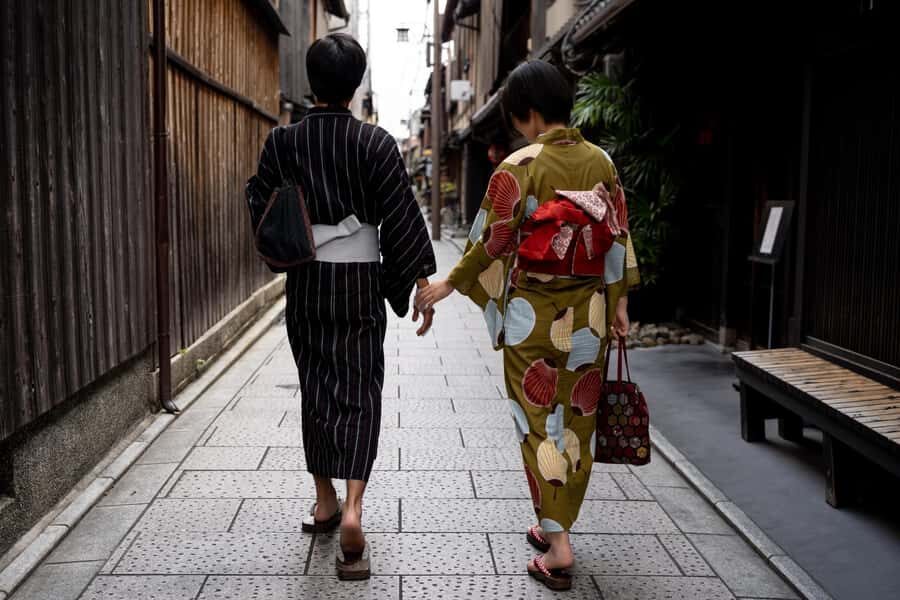
The core “what” of this tour is simple: you stroll through Gion’s narrow streets and take in the traditional architecture. Think wooden houses, tea houses, and the kind of street geometry where every turn feels like it belongs to another era.
What’s valuable here isn’t just seeing the buildings—it’s seeing them at walking speed. From a bus window, Gion looks like a highlight reel. On foot, you catch the rhythm: entrances, setbacks, signage, and the way a street narrows where people used to move through day by day.
You’ll also be guided toward the quieter corners rather than just the obvious photo wall. In one morning experience, the walk included stories behind lesser-known spots, which is exactly how you make a district like this feel deeper instead of repetitive.
Reality check: this tour is focused on streets and culture, not on shopping stops. If you want entry tickets to specific attractions, those aren’t part of the deal—you’ll be appreciating the neighborhood from the outside and through the guide’s context.
Stories and Local Culture With Kimu: Turning Streets Into Meaning
A big reason this tour earns strong ratings is that the guide doesn’t just point. They explain.
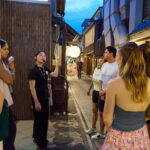
Kimu is specifically highlighted for being kind, polite, and knowledgeable, and for adapting the tour to match what the group wants. That adaptability matters in Kyoto, because everyone’s idea of Gion can differ. Some people want history. Others want street-level culture. Some want photo angles. When the guide adjusts, you’re less likely to feel like you’re marching through a script.
The storytelling also helps you understand the district’s “still-present” local culture—how traditions live on in the layout, in the atmosphere, and in the details you can actually observe. It’s not just facts; it’s the why behind what you’re seeing.
Here’s the practical part: when the guide talks, pause. Look around during the explanation. If the guide mentions a smaller detail in a facade or a street pattern, take a moment to spot it yourself. That’s where the walk clicks.
Photo Tips for Rain, Sakura Season, and Night Lighting
This is one of those tours where your camera can earn its keep—because you’re walking through compact streets with lots of visual textures.
If you’re traveling in spring, you might catch early sakura. One morning walk included sakura that had already started blooming, and even early blossoms can soften the look of wooden streets.
For rain: don’t treat it as a cancellation signal. A guide-led night in rainy conditions produced incredible photos, which is a useful mindset. Wet pavement and darker skies can make lantern-like tones pop and give the streets a more dramatic look.
Night photography tip that helps almost everywhere: use steadier support (even if it’s just holding the camera firmly and waiting for your moment). You’ll be shooting handheld most of the time, so keep your expectations realistic if the light is low.
You can also read our reviews of more evening experiences in Kyoto




Price and Value for $40: What You’re Really Paying For
At $40 per person, this tour is priced like a guided neighborhood experience—not a museum day, not a multi-attraction pass.
Here’s what you do get:
- A guided walking tour of Gion
- Exclusive morning access (when you book the morning slot)
- A local tour guide
And here’s what you don’t get:
- Hotel pickup and drop-off
- Meals and drinks
- Entrance fees to specific attractions
So the value depends on your travel style. If you enjoy wandering with a guide who can translate what you’re seeing into context, $40 feels fair. You’re paying for direction, storytelling, and timing—especially the early, less-crowded feel in the morning.
If you prefer self-guided walking with a map app and minimal speaking, you may want to compare the value to what you’d get on your own. But if you like having someone point out the meaningful details, the guide component is the main reason the price works.
Etiquette and Practical Walking Advice for Gion
This tour comes with a few clear “follow the rules” notes:
- No smoking
- Respect local customs and traditions
That’s important in Gion. You’re walking through a living district, not just a theme set. Keep your pace calm, be polite, and don’t treat it like a parade route.
Also plan for walking basics:
- Wear comfortable shoes
- Bring a camera
- Carry water
- Expect varying weather conditions
Because it’s outside-focused, hydration and foot comfort matter more than you might think. A good pair of shoes can make the difference between a walk you remember fondly and one you just survive.
Who This Tour Suits Best (and Who Might Want Something Else)
This tour fits you best if you want:
- A guided walk through Gion without needing tickets
- A calmer experience in the morning or a moodier one at night
- Context from a local guide like Kimu, including stories behind spots you might skip on your own
It may be less ideal if:
- You’re only interested in confirmed geisha sightings (the tour data points to cultural storytelling and street views, not a promise of any specific spectacle)
- You struggle with hearing English explanations for long stretches—one experience included frustration about not understanding everything
If you fall into the “I want my photos to look good and my brain to learn something” category, you’ll probably enjoy it a lot.
Should You Book This Kyoto Gion Morning/Night Walking Tour?
Yes, you should book if your idea of Kyoto is slow walking, photo moments, and street-level understanding. The exclusive morning access is a real advantage, and the guide-driven storytelling—especially with Kimu’s adaptive style—turns Gion from pretty into meaningful.
Book it if you:
- Like exploring on foot
- Want a local to help you notice what matters
- Appreciate calm morning streets or atmospheric nights
Consider a different format if you:
- Need guaranteed major attractions or ticketed sites (entrance fees aren’t included)
- Expect to see specific performers on schedule (this tour is about the neighborhood experience)
One final practical note: the option to reserve and pay later can make planning easier. And if plans change, cancellation is allowed up to 24 hours in advance for a full refund, which lowers the risk of booking while your Kyoto days are still shifting.
If you want a dependable, culture-forward way to experience Gion—morning calm or night glow—this tour is a strong bet.
FAQ
How much does the Kyoto Gion Morning/Night Walking Tour cost?
It costs $40 per person.
What does the tour include?
The tour includes a guided walking tour of the Gion district, exclusive morning access to Gion, and a local tour guide.
Is hotel pickup and drop-off included?
No. Hotel pickup and drop-off are not included.
Does the tour include meals and drinks?
No, meals and drinks are not included.
Are entrance fees included for attractions?
No. Entrance fees to specific attractions are not included.
Where do I meet the guide?
Meet the guide at Exit 4 on the ground.
What time options are available?
The tour is offered as a morning walking tour or a nighttime walking tour.
What language is the tour conducted in?
The tour is conducted in English.
What should I bring?
Bring comfortable walking shoes, a camera, and water.
Is smoking allowed during the tour?
No. Smoking is not allowed.
Can I pay later, and what are the cancellation terms?
You can reserve and pay later (pay nothing today). Cancel up to 24 hours in advance for a full refund. Please note that a last-minute booking might have to be canceled.