REVIEW · KYOTO
Kyoto Gion Tea ceremony & Wabi-sabi Walking Tour
Book on GetYourGuide →Operated by MagicalTrip · Bookable on GetYourGuide
Wabi-sabi works better when you slow down. This Kyoto Gion tea ceremony and wabi-sabi walking tour pairs a calm city stroll with an English guide who explains the ideas behind the ritual, not just the steps. I love the mix of temple time and tea-culture context, and I also like that you actually taste matcha with a small seasonal snack. One drawback to plan for: the tour starts on time, and if you’re late you may not be able to join, so build in a little buffer.
You’ll walk through classic Higashiyama-era Kyoto—think quiet corners, pottery shopping, and dry-garden calm—then end at a tea ceremony led by a tea master. The group stays small (up to 7), so you’re not stuck as a nameless face in a crowd. Just remember it’s not wheelchair-friendly, and the tea ceremony is only for ages 6 and up.
In This Review
- Key highlights you’ll actually feel
- Why Gion is the right setting for wabi-sabi thinking
- The 3½-hour flow: from Gion-Shijo to a tea master
- Kenninji Temple: history you can feel, not just hear
- Pottery browsing and dry-garden calm (Entoku-in)
- Matcha shop stop and what to look for before the ceremony
- The tea ceremony itself: matcha, sweets, and wabi-sabi in action
- Price and value: is $92 worth it?
- Practical notes that can make or break your day
- Who should book this Gion tea and wabi-sabi tour
- Should you book it
- FAQ
- Where is the meeting point?
- How long is the tour?
- What’s included in the price?
- Do I need to be a certain age to join the tea ceremony?
- Is this tour wheelchair-accessible?
- How large is the group?
- Is the guide’s food and drinks covered?
- What language is the tour guide?
- What is the cancellation policy?
Key highlights you’ll actually feel
- Wabi-sabi taught through the walk, not just through a lecture
- Gion history + tea culture, with stops that connect the philosophy to real places
- Kenninji Temple visit, including time with a local guide at Kyoto’s oldest Zen temple
- Tea-utility shopping moments, including a chance to appreciate seasonal tea bowls
- A real tea ceremony finish, where you select a bowl and enjoy matcha with sweets
- Small group (7 max) with photos taken during the tour
Why Gion is the right setting for wabi-sabi thinking
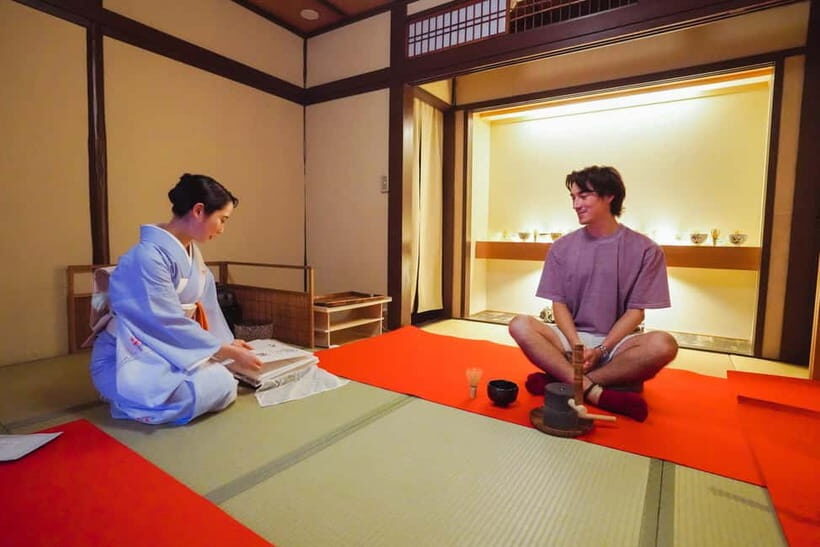
Kyoto rewards slow attention. In Gion, you’re surrounded by layers of the past, and that matters for the theme here. Wabi-sabi is often described as finding beauty in imperfection, aging, and the natural feel of things. This tour doesn’t ask you to memorize a definition. It nudges you to notice textures, shapes, and the atmosphere around you as you move.
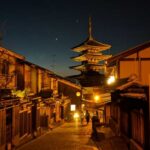
You start in a lively, tourist-famous area—Gion—but the route is designed to lead you toward quieter, more reflective spaces. That rhythm is the whole point. You go from streets to temples, from shopping to stillness, and by the time matcha arrives, the idea makes sense in your body, not just your head.
You can also read our reviews of more walking tours in Kyoto


The 3½-hour flow: from Gion-Shijo to a tea master
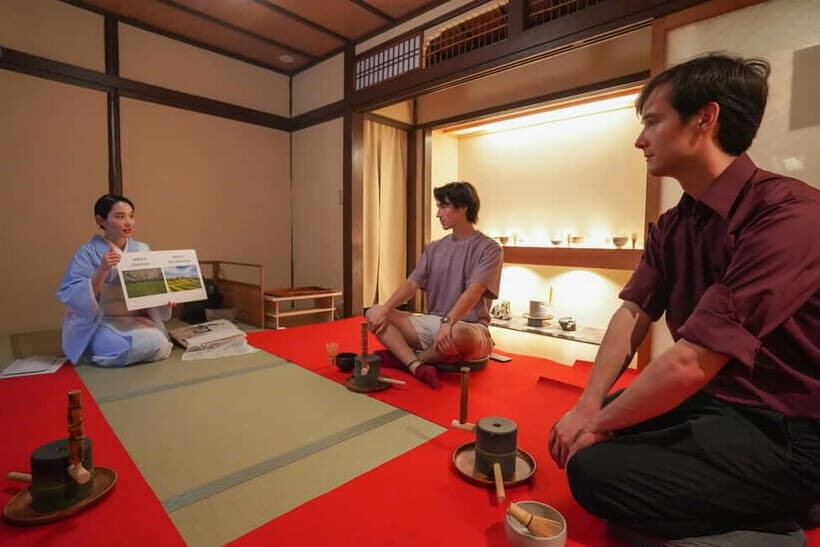
The tour runs about 210 minutes, with a friendly walking pace and guided stops. Your meeting point is in front of the Izumo no Okuni statue, right outside Exit 5 of Gion Shijo Station (Keihan Line). A guide holds an orange signboard reading Magical Trip Tour.
From there, the day moves in a clear arc:
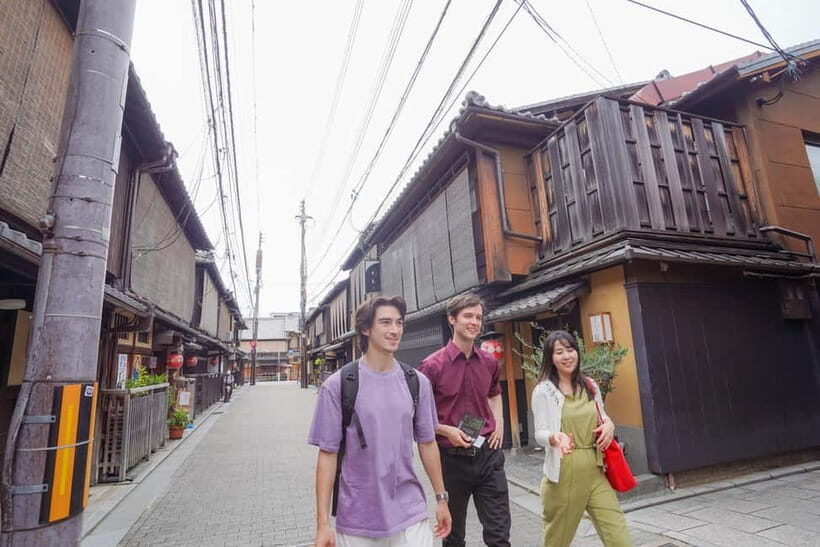
- Gion stroll (about 30 minutes): You get oriented in the historic district. You’ll visit a well-known matcha shop along the way, which helps you connect the flavors you’ll taste later with where those ideas show up in daily life.
- Kenninji Temple (about 30 minutes): A local guide brings the setting to life with historical context around Zen practice and tea culture connections.
- Higashiyama-area sightseeing blocks (multiple short visits): These are short and purposeful, not random wandering. You’ll keep moving through classic streets while learning what to look for.
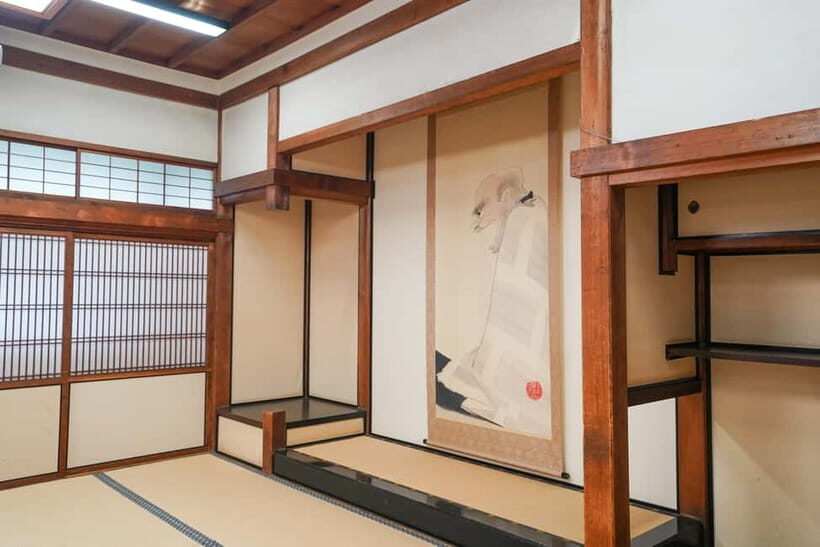
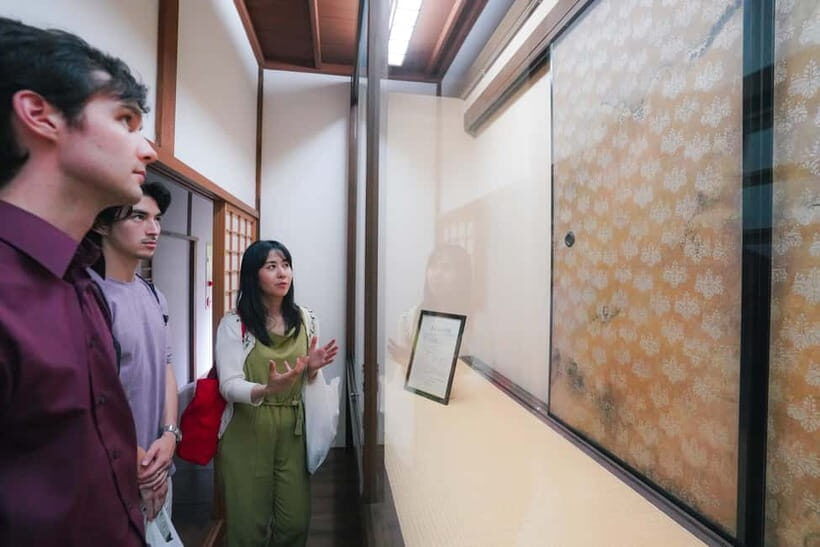
- Entoku-in (about 30 minutes): This is where you’ll slow down again. You’ll view Japanese paintings and a karesansui dry landscape Zen garden.
- Final tea ceremony (about 45 minutes): You end with the full ritual. You’ll choose a tea bowl based on season and taste, enjoy Japanese sweets, then drink matcha.
The length sounds long on paper, but the stops are broken up. The walking is also part of the lesson: wabi-sabi isn’t only about the teacup. It’s about how the moment feels as you approach it.
Kenninji Temple: history you can feel, not just hear
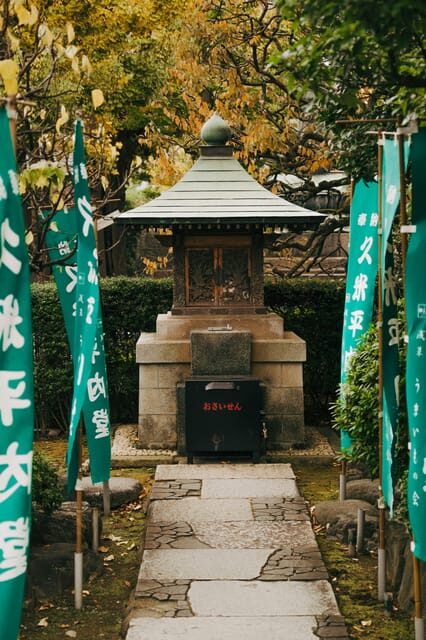
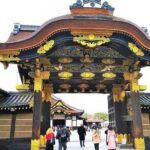
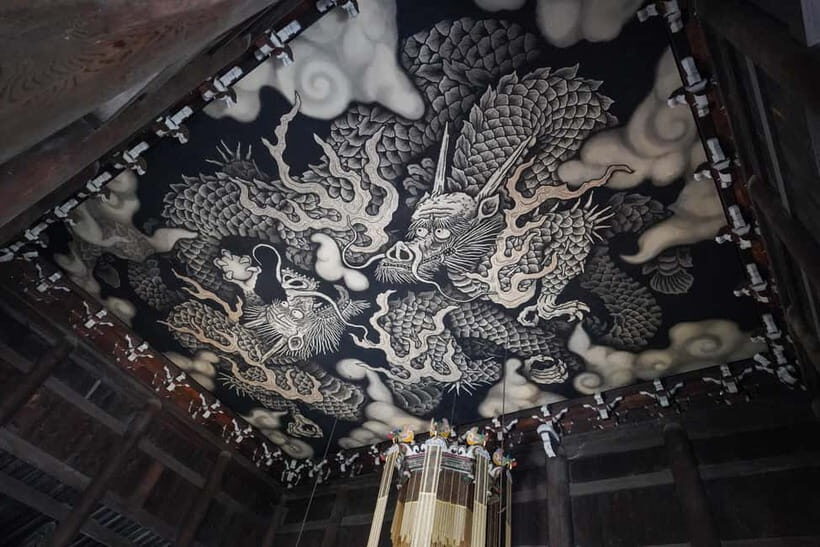
One of the tour’s best strengths is that it doesn’t treat tea culture as an isolated show. It places the ceremony in a real Kyoto context by visiting Kenninji Temple. This temple visit lasts about 30 minutes with an English-speaking local guide.
What makes this stop valuable is the way it helps you connect tea to Zen sensibility. Even if you’re not a history buff, you’ll likely appreciate the tone change as you enter temple space: the pace drops, the guide’s explanations get more grounded, and the surrounding calm makes the later ceremony feel like a continuation rather than a detour.
If you like “slow sights,” this part is a highlight. If you’re the type who wants only photo stops, you might find yourself wanting a faster pace—but the whole tour is built around meaning, not speed.
Pottery browsing and dry-garden calm (Entoku-in)
Between major landmarks, the tour includes moments designed for looking. One section centers on traditional pottery and wabi-sabi tea bowls. You’re not just shopping for the sake of souvenirs. You’re learning how tea utensils reflect the idea of seasonality, imperfection, and natural character.
Later, at Entoku-in, you get a quieter, more art-forward change of pace. You’ll see Japanese paintings and a karesansui dry landscape Zen garden. This is where the tour’s theme clicks for many people: the “beauty” isn’t about looking perfect. It’s about restraint, texture, and careful arrangement that still feels natural.
Practical tip: wear shoes that can handle uneven ground. Temple paths can be a bit irregular, and you’ll be walking enough that comfort matters.
Matcha shop stop and what to look for before the ceremony
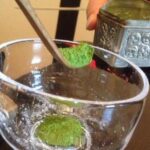
You’ll visit a matcha shop in Gion during the early part of the tour. That’s a small stop, but it helps you set expectations. Before you ever sit for the tea ceremony, you’ll have the chance to see how matcha fits into Kyoto’s everyday tea culture.
The tour also spends time pointing you toward tea utensils—especially the bowl selection at the end. During your ceremony, you’ll choose a tea bowl according to season and taste. Even if you don’t read every detail, you’ll learn the reason that matters: the ceremony treats your cup like a seasonal experience, not a generic drink.
This is where the tour earns its keep for the price. You’re not paying just to taste matcha. You’re paying to understand how the tasting is shaped by choices, objects, and timing.
The tea ceremony itself: matcha, sweets, and wabi-sabi in action
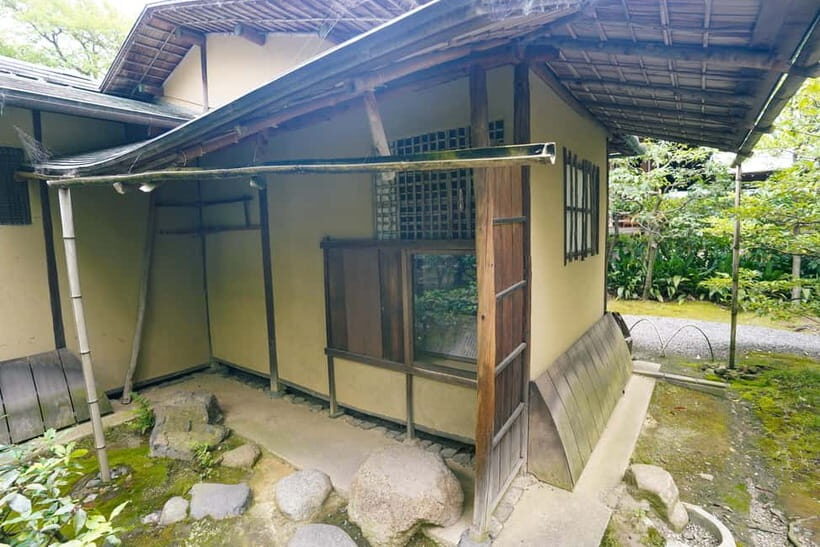
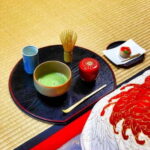
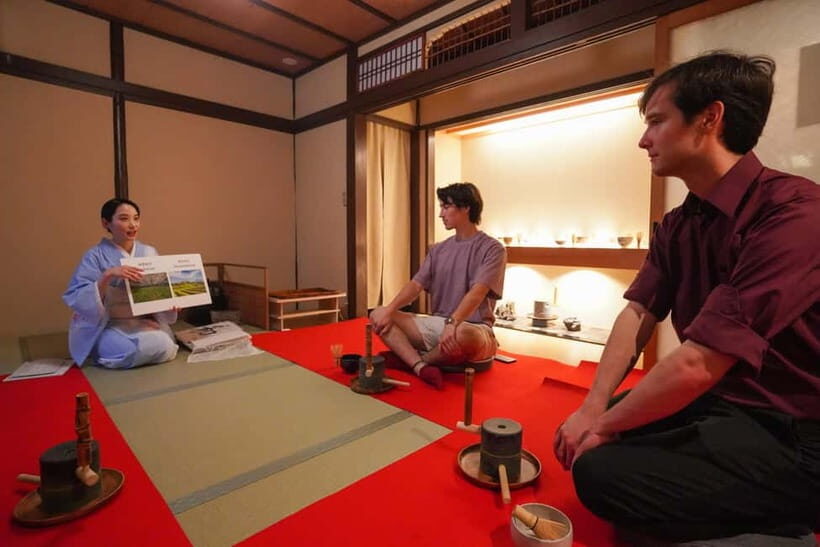
The final segment is the heart of the day: tea ceremony experience (about 45 minutes) under a tea master. You’ll get matcha plus a small seasonal snack, and you’ll also enjoy Japanese sweets during the process.
What makes this ceremony meaningful is that the guide teaches the essential ideas as you go, so you’re not left guessing. The tour explanation frames tea ceremony beauty as something internal—beauty you feel in the nature of the act, the tools, and the moment. That’s how wabi-sabi gets practical: you start noticing what the ceremony is asking you to appreciate.
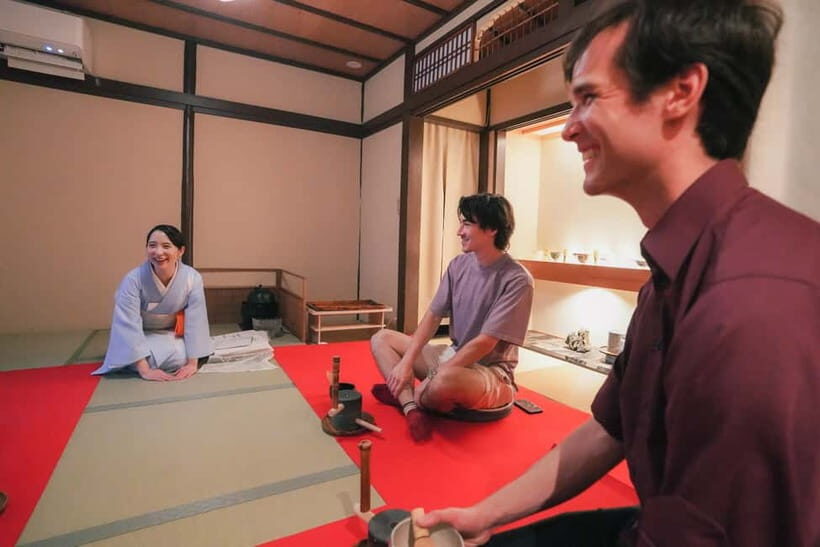
Also, you’ll be choosing your tea bowl. That’s more interactive than many tastings, and it gives you a personal reason to pay attention. When the bowl you picked is tied to season and preference, the idea of wabi-sabi becomes less abstract.
Price and value: is $92 worth it?
At $92 per person for about 210 minutes, this is in the “mid-priced experience” category for Kyoto. Here’s what you’re actually getting for that money:
- An English-speaking guide (small group, up to 7)
- Tea ceremony experience, including matcha and a small snack
- Entrance fees for 2 temples included
- Photos taken during the tour
The value comes from the bundle. If you were to do these parts separately—temple entry, guided context, and a tea ceremony—costs and time add up quickly. And because the route is built to explain tea culture and wabi-sabi while you visit meaningful places, it feels like one continuous experience rather than separate ticket lines.
My take: this is best value if you care about culture and want context, not only a photo and a drink.
Practical notes that can make or break your day
A few logistics matter here:
- You need to arrive on time. The tour requires on-time starts, and if you miss the group, you may not be able to join or get a reschedule/refund.
- Age rules apply. The ceremony experience only accommodates participants age 6 and older. You can bring younger children, but they must be accompanied by an adult outside the facility during the experience.
- Weather can affect it. The tour might be canceled if conditions aren’t safe.
- Group is small. Up to 7 participants helps keep the experience conversational, not assembly-line.
- Not for wheelchairs or strollers. Some parts of the route aren’t accessible by wheelchair or stroller.
- Kyoto weather swings. Summer can be extremely hot and winter can be quite cold, so plan for extremes and bring layers.
If you’re the kind of traveler who schedules tightly, this is a 3.5-hour block you should protect.
Who should book this Gion tea and wabi-sabi tour
This works really well if you:
- want a Kyoto experience that connects tea to temple space and philosophy
- enjoy small-group guided time instead of solo wandering
- like hands-on elements (like choosing a tea bowl) and calm, reflective pacing
It might feel less ideal if you:
- strongly prefer very fast sightseeing with no explanations
- need wheelchair access along the whole route
- struggle with time discipline, because the group starts on schedule
One more thing: this is the kind of tour where English explanations can genuinely help you enjoy the ceremony. If you’re curious about how objects, seasons, and ritual timing shape what you taste, you’ll get a lot from it.
Should you book it
Yes, if you want more than a matcha photo and you’re open to a slower, thoughtful walk through classic Kyoto. The best reason to book is that the day is structured to teach wabi-sabi in a lived way: utensils, gardens, temple calm, then the ceremony finish.
Skip it if you’re only in Kyoto for short stops, dislike guided pacing, or need full accessibility. Also, if your schedule is tight, don’t risk being late. This tour runs like a ritual: once it starts, it keeps moving.
FAQ
Where is the meeting point?
Meet in front of the Izumo no Okuni Statue, right outside Exit 5 of Gion Shijo Station (Keihan Line). The guide will be holding an orange signboard that says Magical Trip Tour.
How long is the tour?
The tour duration is about 210 minutes.
What’s included in the price?
You get an English-speaking guide, a tea ceremony experience with matcha and a small seasonal snack, entrance fees for 2 temples, and photos taken during the tour.
Do I need to be a certain age to join the tea ceremony?
Yes. The tea ceremony experience can only accommodate participants age 6 and older. Children younger than that can join but must be accompanied by an adult outside the facility during the tea ceremony.
Is this tour wheelchair-accessible?
No. The tour is not suitable for wheelchair users, and some locations aren’t accessible by wheelchair or stroller.
How large is the group?
The tour is a small group limited to 7 participants.
Is the guide’s food and drinks covered?
You do not need to pay for the guide’s food and drinks.
What language is the tour guide?
The tour includes an English-speaking guide.
What is the cancellation policy?
Free cancellation is available up to 24 hours in advance for a full refund.