REVIEW · KYOTO
Kyoto: Higashiyama Slow Cycling Tour along the quiet waterfront
Book on Viator →Operated by BROMPTON SLOW CYCLING TOURS · Bookable on Viator
Kyoto feels slower on two wheels. This Higashiyama slow cycling tour takes you along Kyoto’s water routes with a BROMPTON bicycle, a local navigator, and plenty of pauses at places most people only rush past.
I really like that it stays easy and photo-friendly: the ride covers about 12 km at a relaxed pace, and you’re set up with helmets and carry bags so you travel light. The one thing to think about is that you need moderate fitness and good weather, and the Nanzen-ji admission isn’t included.
In This Review
- Key highlights at a glance
- Kyoto on a BROMPTON: The slow cycling mindset
- Starting at Demachiyanagi Station and getting to the water fast
- Kamogawa River and Shimogamo Jinja: where Kyoto calms down
- Philosopher’s Walk: slow cycling’s best trick
- Nanzen-ji Temple plus the Suirokaku aqueduct: the Meiji water story
- Keage Incline and Kyoto Gyoen National Garden: from industry to imperial grounds
- How your navigator makes the difference (and how to use it)
- Price and practical value: is $129 really fair?
- Who this Kyoto Higashiyama slow cycling tour fits best
- Quick booking advice for a smooth day
- Should you book this tour?
- FAQ
- How long is the cycling tour in Kyoto?
- How far do we ride during the tour?
- What kind of bicycle do I use?
- Is the cost $129 per person the same as the total price?
- Are temple and shrine entrance fees included?
- Where does the tour start?
- Is the tour for people with low fitness?
- What happens if weather is bad?
Key highlights at a glance
- BROMPTON bikes that feel like part of the sightseeing, not just transportation
- Quiet waterfront routing through canals and river-side paths around Higashiyama
- UNESCO Shimogamo Jinja with forest light filtering in around the shrine area
- Nanzen-ji Suirokaku aqueduct—a brick icon of Meiji-era water engineering still in use
- Keage Incline—preserved industrial heritage with a classic cherry-blossom backdrop
- Small group size (max 6) for calmer pacing and better navigator attention
Kyoto on a BROMPTON: The slow cycling mindset
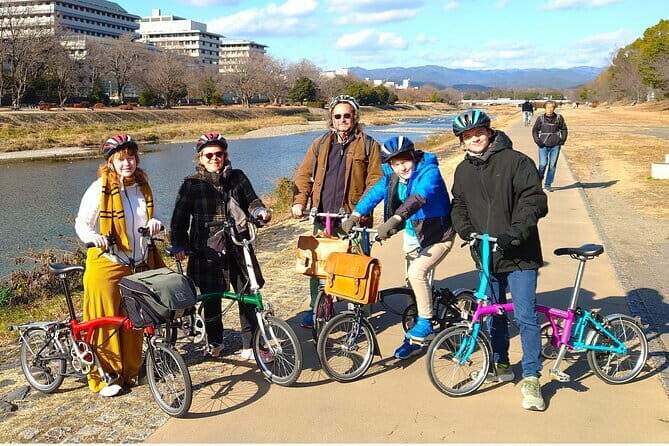
Kyoto can be intense on foot. Side streets get crowded, temple lines move slowly, and your feet start negotiating with you. This tour solves that by turning sightseeing into a low-effort, high-meaning bike ride.
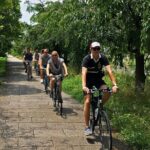
You cover about 12 km in roughly 4 hours, which is short enough to feel relaxed but long enough to connect several Kyoto highlights. The pacing is built for people who want the sights without sprinting between them.
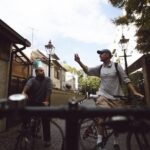
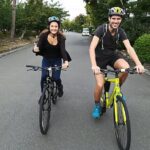
And yes, you’ll be on a BROMPTON. That matters more than you’d think. It makes the whole day feel stylish and intentional, and it makes stopping for photos much less awkward than wrestling with a generic rental bike.
You can also read our reviews of more cycling tours in Kyoto
Starting at Demachiyanagi Station and getting to the water fast
The meeting point is at Demachiyanagi Station (32-1 Tanaka Kamiyanagichō, Sakyo Ward). The start time is 10:00 am, and the tour ends back at the meeting point—so you don’t have to plan a separate return.
Being near public transportation is a quiet convenience. Kyoto is full of great neighborhoods, but you don’t want your day eaten up by getting to the right starting block. This start also sets you up to head toward the river and the canal system early, when the city feels more open.
You’ll also be given the riding setup: helmets and bags for wheeled transport, so you don’t have to carry extra gear. That’s a big deal if you plan to buy small things along the way—snacks, paper goods, or little temple souvenirs.
Kamogawa River and Shimogamo Jinja: where Kyoto calms down
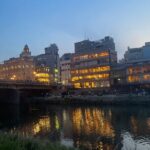
The tour begins with the Kamogawa River, flowing through the center of Kyoto. Even if you’ve seen the Kamo River before, this stop is different because you’re not standing in one place for a long time—you’re moving through the area with context. It’s a good “reset” before you head deeper into quieter routes.
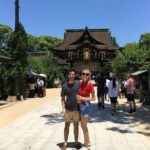
Next comes Shimogamo Jinja. This shrine sits north of the Kamogawa River delta and is a UNESCO World Heritage Site. The forest-like grounds (including the Tadasunomori forest area) are the kind of place where the light feels filtered, and the noise level drops the moment you slow down.
A practical note: this stop is 45 minutes, which is enough time to walk the approach and take in the atmosphere without feeling rushed. It’s also a reminder that Kyoto’s famous sights aren’t only the big-name temples—some of the most calming moments happen in sacred places that are still lived-in.
Philosopher’s Walk: slow cycling’s best trick
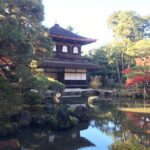
After the shrine, the tour goes to Philosopher’s Walk (the Philosophy Path). It’s described as a footpath along the Lake Biwa Canal at the foot of Mount Higashiyama—named for philosophers who strolled there for contemplation.
This part is special because it turns a “walking-only” area into a smoother day. You’ll get the value of the path’s atmosphere while staying in the rhythm of the bike tour. In other words, you’re not sacrificing your legs just to reach the scenic canal stretch.
This stop is 30 minutes, which is exactly right for this kind of place. You want enough time to absorb the calm and take photos, but not so much time that you start feeling stuck in the same viewpoint.
If you’re planning to do temple photos, this is also a useful moment to practice your pacing. The best Kyoto photos often come from slowing down—framing carefully, taking one more step, then stopping again.
Nanzen-ji Temple plus the Suirokaku aqueduct: the Meiji water story
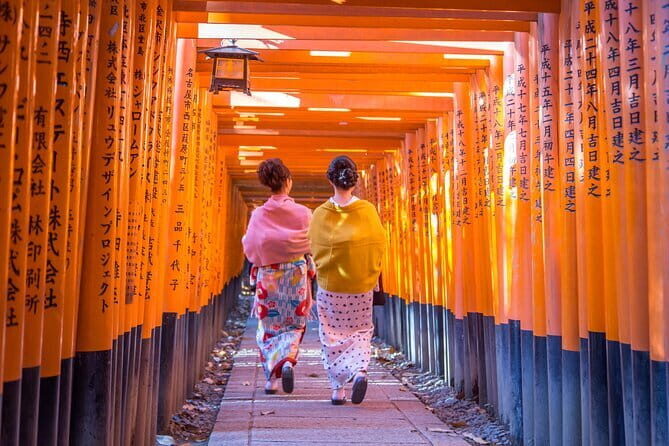
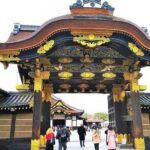
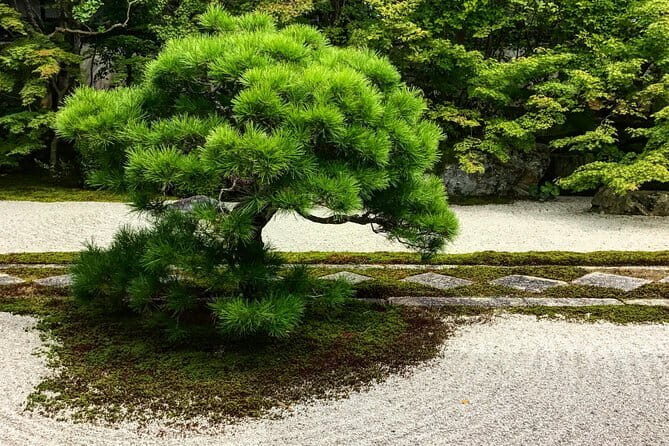
Then it’s Nanzen-ji Temple. It’s considered the most prestigious of Japan’s Rinzai temples, and it’s known for its garden and the Sanmon Gate, which has appeared in Kabuki plays. The stop is 30 minutes, but it’s a meaningful one because this temple complex is dramatic even when you don’t have time to see everything.
Important detail: Nanzen-ji admission isn’t included. So plan for that extra cost when you book or budget. If you hate surprise fees, this is the one to flag.
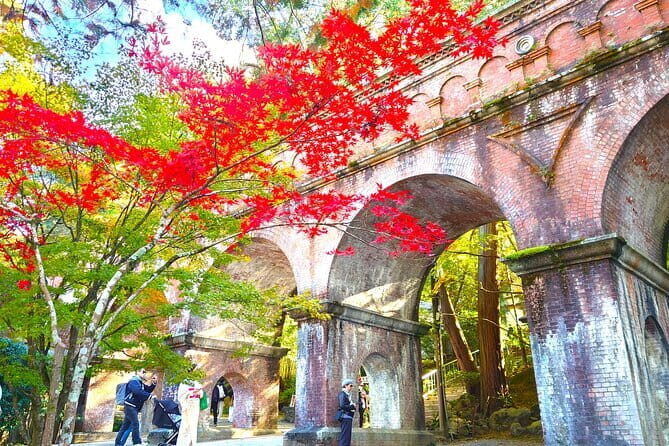
Right after, you move to Nanzenji Suirokaku, the brick aqueduct in the temple precincts. This is tied to the modernization of Kyoto in the Meiji era, and the structure is still in use today. That’s a rare kind of sightseeing: you’re looking at architecture that isn’t only historical—it’s functional in the present.
The aqueduct stop is 30 minutes and comes with a clear payoff. It’s one of those Kyoto sights where you immediately understand why the city grew around water systems and how engineering became part of daily life.

Keage Incline and Kyoto Gyoen National Garden: from industry to imperial grounds
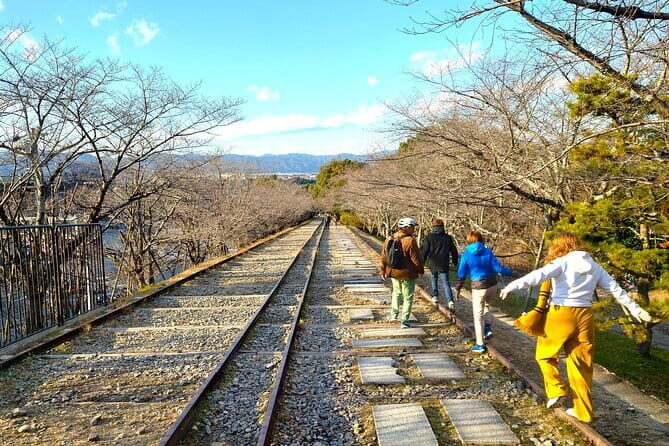
Next up is Keage Incline, an incline railway area preserved as industrial heritage and lined with cherry blossom trees. The tour gives you 30 minutes, which is perfect for taking in the structure and getting photos from a few angles without feeling like you’re doing laps.
Even if it’s not cherry blossom season, the incline still tells a story. It shows how Kyoto’s transportation and water logistics weren’t only about boats and canals—they also involved preserved infrastructure that people can still see.
From there you head to Kyoto Gyoen National Garden. It’s the site of the Kyoto Imperial Palace grounds, where the Emperor of Japan lived until the mid-19th century. You’ll have 1 hour here, which is a longer, more spacious feeling than some of the temple stops.
This stop helps you balance the day. Temples and shrines are concentrated and visually intense. The garden gives you room to slow your brain down and connect the dots between sacred spaces, political power, and the way Kyoto’s layout grew around water and movement.
How your navigator makes the difference (and how to use it)
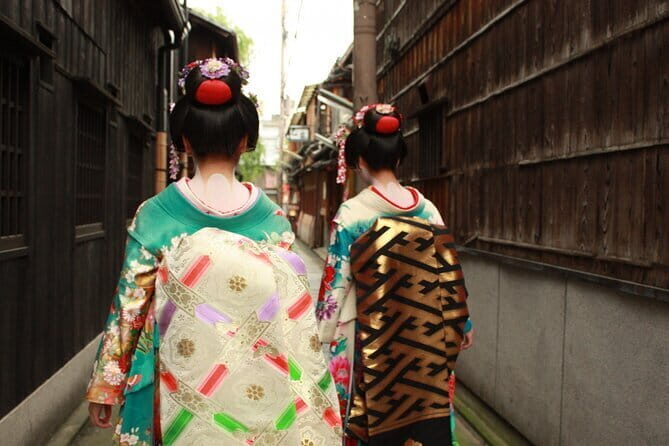
The navigator is the real engine of this tour. The idea isn’t only to ride from A to B. It’s to understand why each place matters and where to spend your time.
You’ll also get local support with small decisions. The tour can be arranged according to your wishes, and the navigator can suggest lunch spots or restaurants during the ride depending on what you prefer. Since you’re moving through Kyoto’s smaller lanes and quieter routes, having someone who knows the local flow is a serious advantage.
In the same spirit, the tour is built to help you enjoy local food at speciality shops. That’s one of the best ways to turn a sightseeing day into a lived-in day—especially in Kyoto, where a snack can feel like part of the culture, not just a sugar break.
One more practical perk: with a small group (up to 6), it’s easier to keep the pace calm. You’re less likely to feel swept along, and stops feel more like conversations than factory-line tourism.
Price and practical value: is $129 really fair?
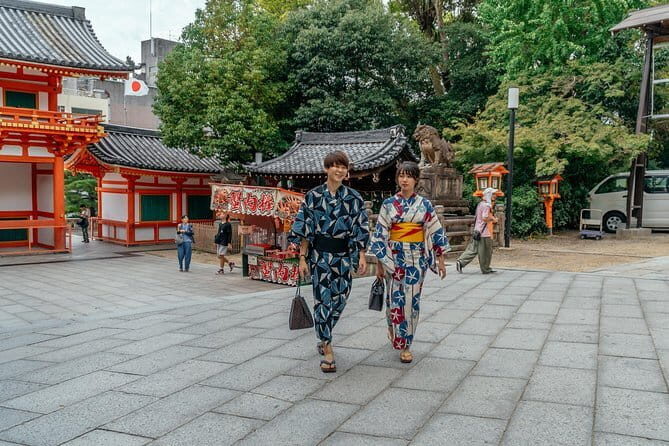
At $129 per person, this isn’t a budget “grab-and-go” add-on. But it also isn’t trying to be a luxury tour. For your money, you get a lot of the basics taken care of.
Included cost-wise:
- Bicycle rental
- Exclusive navigator fee
- Riding equipment like helmets and carry bags
- Stops along a route tied to Kyoto’s water and Higashiyama area
Not included:
- Insurance fee (500 yen)
- Snacks (and any meals are up to you)
Here’s how I’d judge value: you’re paying for a short, well-planned route with a bike setup and an informed guide, and you’re saving time and stress versus trying to connect multiple river-and-temple areas yourself. The 12 km distance is manageable, and the structure of the stops means you don’t waste time figuring out how to get between famous places.
If you prefer to explore independently, you could replicate parts of this day by bike or transit. But if you want a calm order, a soft pace, and local help with routing and food, the price starts to look reasonable.
Who this Kyoto Higashiyama slow cycling tour fits best
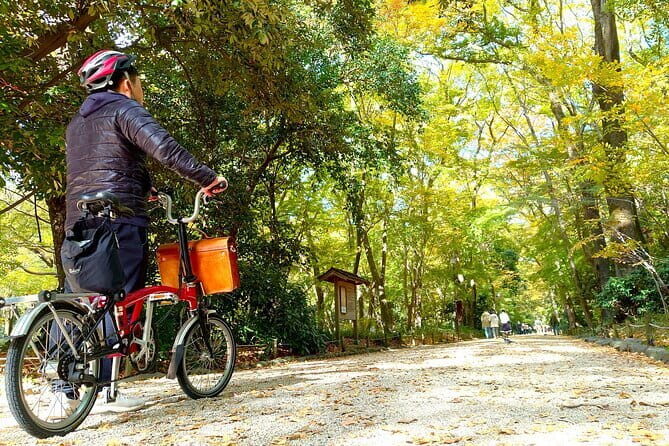
This tour is a great match if you want a Kyoto day that feels:
- Relaxed but not boring
- Scenic without constant steep walking
- Cultural without reading every label like a textbook
It’s also well-suited for people who want to avoid the “everything is crowded, everything is far apart” feeling. Riding on bike paths and quiet lanes can put you in a calmer rhythm than moving only on foot.
That said, you should consider the fit if you have limited comfort cycling. The tour calls for moderate physical fitness, so it’s not the best choice if you expect zero physical effort. It’s also weather-dependent, since the experience requires good conditions.
Quick booking advice for a smooth day
To get the most from the day, I’d plan around the cycling rhythm:
- Wear comfortable clothes you can move in.
- Expect short sightseeing stops, not long sittings.
- Bring cash or a card for things that aren’t included, like Nanzen-ji admission and the insurance fee.
- If you’re buying snacks or small gifts, treat it as part of the ride, not an extra task.
Also, aim to keep your expectations realistic. This is a slow cycling tour, so you’re not trying to check every single temple in Kyoto. You’re getting a curated circuit through Kyoto’s water-linked Higashiyama area.
Should you book this tour?
If you want Kyoto with fewer headaches, I think this is a smart buy. The combination of BROMPTON bikes, a small group, and a navigator who can guide you through riverside and temple areas adds up to a day that feels efficient without feeling rushed.
I’d skip it only if you strongly dislike cycling, you’re traveling on a tight schedule with no flexibility, or you’re visiting during questionable weather. Otherwise, it’s one of those Kyoto experiences that makes the city’s water-and-temple geography make sense—because you’re moving through it at human speed.
FAQ
How long is the cycling tour in Kyoto?
The tour lasts about 4 hours.
How far do we ride during the tour?
The distance is approximately 12 km.
What kind of bicycle do I use?
You ride a BROMPTON bicycle, and helmets plus bags for wheeled transport are provided.
Is the cost $129 per person the same as the total price?
The listed price is $129 per person, but insurance is not included. An insurance fee of 500 yen is listed as not included.
Are temple and shrine entrance fees included?
Most stops are listed as free, but Nanzen-ji Temple admission is not included. Nanzenji Suirokaku and other stops on the route are listed as free.
Where does the tour start?
The tour starts at Demachiyanagi Station (32-1 Tanaka Kamiyanagichō, Sakyo Ward, Kyoto) at 10:00 am.
Is the tour for people with low fitness?
The tour recommends a moderate physical fitness level. It is described as slow cycling, which can be suitable for people who aren’t confident about fitness, but it still involves riding.
What happens if weather is bad?
The experience requires good weather. If it’s canceled due to poor weather, you’ll be offered a different date or a full refund.
If you’d like, tell me your travel dates and whether you’re comfortable cycling on mixed city paths, and I’ll help you decide if this route fits your Kyoto plan.