REVIEW · TOKYO
Tokyo: Kappodo sushi Live Workshop
Book on Viator →Operated by 割烹道 · Bookable on Viator
Tokyo sushi workshops can be fun. This one is more practical than most. You get hands-on help making Nigiri plus Gunkan-style sushi, and the chef teaches the why behind the steps—not just the what. The fish gets cut right in front of you, and you’ll also hear about sushi history and what makes different fish behave the way they do.
Two things I really liked: the English-speaking chef instruction is clear and patient, and the fish handling is explained with real reasoning. One thing to consider: you’ll be actively cooking for about 1 hour 45 minutes in a small group (up to 4), so it’s best if you’re comfortable jumping in rather than just watching.
In This Review
- Quick Hits Before You Go
- Why This Kappodo Sushi Workshop Feels Practical (Not Showy)
- Getting Settled: Welcome Drink and the Studio Rhythm
- The Front-Row Fish Cutting Demo (Where the Real Skills Start)
- Nigiri 101: The Rice-Fish Match and the Why Behind It
- Your Turn at the Counter: Making Nigiri, Gunkan, and a Thin Roll
- Eating What You Make: Drinks, Optional Sake, and the Photo Moment
- What’s Included (And Why It Matters for Value)
- Logistics That Make or Break a Cooking Class
- Who This Workshop Is Best For
- Should You Book Kappodo’s Tokyo Sushi Live Workshop?
- FAQ
- What will I learn in the Tokyo Kappodo sushi workshop?
- How long is the workshop?
- Is the class taught in English?
- How many people are in the group?
- What is included in the price?
- Do I get to eat the sushi I make?
- Is transportation included?
- Where does the workshop start and end?
- Do I get a mobile ticket?
- Is free cancellation available?
Quick Hits Before You Go
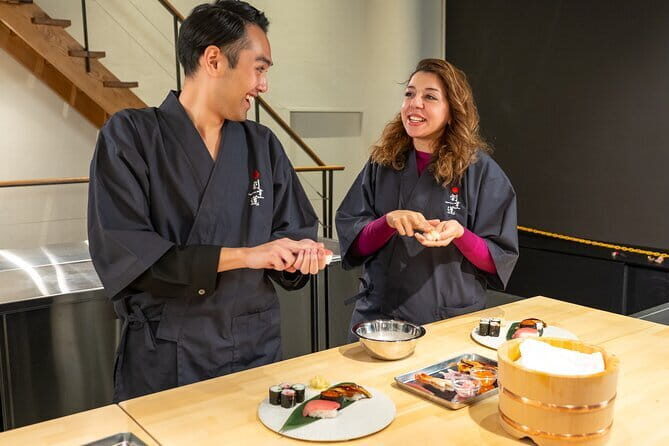
- Small group, up to 4 travelers, so you get hands-on coaching instead of standing in a crowd
- Fish cutting in front of you, with step-by-step explanation right at your station
- Make 7 Nigiri, plus 1 Gunkan-style and a thin roll that you cut into 6 pieces
- Sake tasting option (original sake) included with alcoholic beverages availability
- Certificate + 10% off at the 1F shop the same day
Why This Kappodo Sushi Workshop Feels Practical (Not Showy)
If you’ve ever watched sushi videos and thought, I get it… kind of, you’ll like this class. It’s built around the stuff that matters: rice handling, slicing technique, and how to assemble nigiri so it holds together without turning into a sad rice sandcastle.
I like that you don’t just copy shapes. The chef explains reasons while you work. That means when you learn how to handle fish and rice, you’re also learning what to correct when something feels off. And since the group is capped at four, the staff can actually watch you and help fast.
The other big win is the fish portion. Seeing cutting and decorating done right in front of you helps you understand texture and thickness choices. You’ll also get fish context, including the kind of traits each fish has and how it lives in the ocean—useful info if you want sushi to make sense beyond the plate.
A few more Tokyo tours and experiences worth a look

Getting Settled: Welcome Drink and the Studio Rhythm
The workshop starts with a welcome drink: water or green tea. It sounds simple, but it sets the tone. You’re not shoved into chaos; you’re eased into a cooking flow.
After that, you move into the active part of the lesson. The studio setup matters here: you’re close enough to see what the chef is doing with knives and fish, and close enough to step in when it’s your turn. That proximity is a big part of why the class feels like more than a demo.
You should also plan on a kitchen-style pace. This isn’t slow classroom learning. You’ll be making sushi while the chef is standing nearby, ready with adjustments.
The Front-Row Fish Cutting Demo (Where the Real Skills Start)
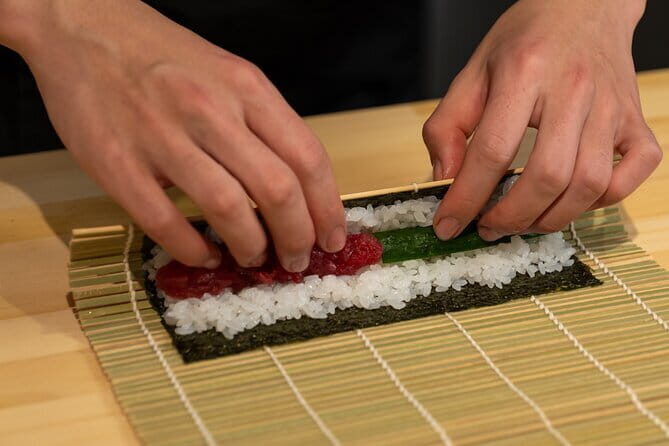
Early on, you’ll watch the chef cut and decorate fish right in front of you. This is the moment that changes sushi from mysterious to manageable.
The chef isn’t only showing a blade move. You’ll get an explanation of why the cutting matters and how fish characteristics affect the final bite. You’ll also hear about sushi history while you’re learning—so the class gives you both technique and context, which makes the whole experience stick.
Practical takeaway: once you see how thickness and angle affect shape and texture, you’ll start thinking like a sushi cook. It’s also a confidence boost if you’re new to knives. You’ll learn how to think about handling, even if you don’t leave with your own pro knife set.
Nigiri 101: The Rice-Fish Match and the Why Behind It
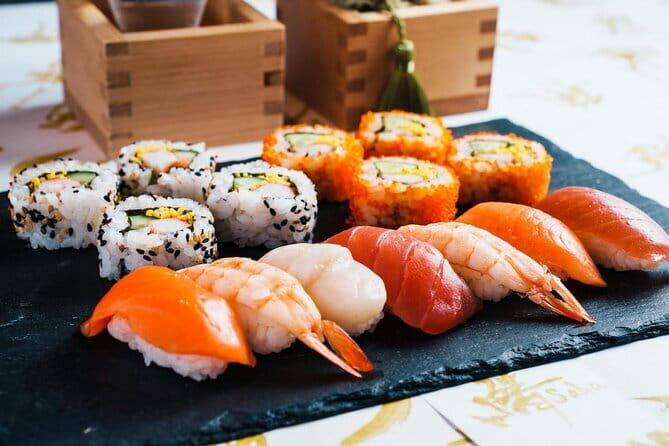
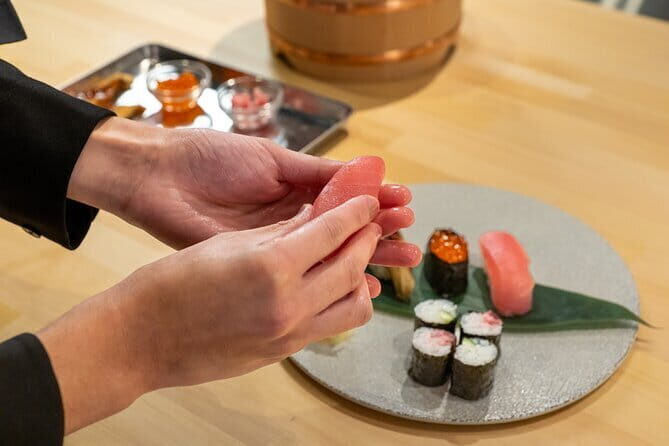
Next comes the chef’s demonstration of making Nigiri, step-by-step. This part is key because nigiri isn’t just fish on rice. The balance between rice preparation, portioning, and how you place the fish is the whole game.
You’ll get coaching through:
- How the rice is handled as it’s portioned and shaped
- How fish is managed so it doesn’t tear or fall apart
- How the assembly creates the right structure for eating
And yes, the chef talks about the fish—what makes it suited to sushi, and how its traits connect to taste and texture. It’s not just trivia. It helps you understand why a sushi style uses certain fish and what to expect.
If you care about doing sushi at home later, this is the section that gives you the mental model. You’re learning a process, not a single recipe.
Your Turn at the Counter: Making Nigiri, Gunkan, and a Thin Roll
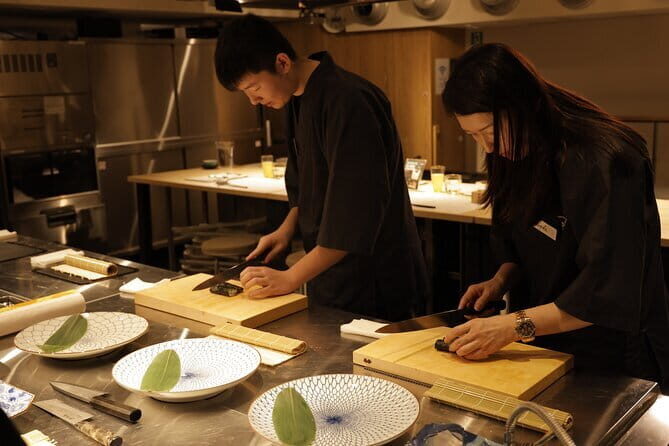
Then it’s your hands. The chef stays beside or in front of you with instructions as you make sushi. That changes everything. Instead of watching, you correct.
You’ll make:
- 7 Nigiri-zushi
- 1 Gunkan-style
- 1 thin roll, which you’ll cut into 6 pieces
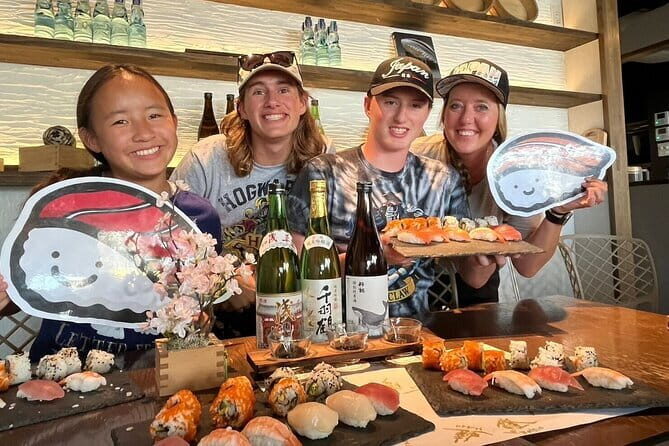
That roll segment is especially practical because it forces you to transition from shaping and topping to cutting and portioning. You’ll slice the thin roll into six pieces and then arrange/place the sushi you made for a commemorative photo moment.
A small note for expectations: in a class like this, your first few pieces might not look perfect. That’s normal. The value is that you’ll understand what to adjust—rice amount, placement, and how you handle fish—so your next attempt improves.
If you’re traveling with a partner or friends, this is also the best part to share. You’ll have something real to compare: who nailed the rice portion, who got the gunkan shape most stable, and who cut the roll cleanest.





Eating What You Make: Drinks, Optional Sake, and the Photo Moment
After the cooking, you’ll enjoy your sushi. You’ll get a cool drink, and there’s also an original sake tasting available as part of the included alcoholic beverages option.
The pacing here feels thoughtful. You cook, you learn, then you eat what you made. That makes the class feel grounded. It also helps you notice things you might miss while learning—like how rice texture changes the bite, or how fish thickness changes how flavor lands.
You’ll also take a commemorative photo once you’ve cut the roll and placed your sushi. It’s a small touch, but it’s a nice way to mark the moment you actually succeeded at doing the work, not just watching someone else do it.
What’s Included (And Why It Matters for Value)
At $160 for about 1 hour 45 minutes, this class is priced like a hands-on Tokyo experience, not a casual tasting. The value comes from what you’re getting besides food.
Included items:
- Lunch (you’ll be eating the sushi you make)
- Alcoholic beverages, with original sake tasting available
- Certificate of participation
- 10% off at the 1F shop on the same day of your workshop visit
That 10% shop discount can matter more than you’d think if you like using Japanese kitchen tools. Even if you don’t buy anything, the certificate and the chance to ask questions in a small group add up to a more complete experience.
Also, you’re not paying extra for transport as part of the package. Private transportation isn’t included, so you’ll rely on public transit like most Tokyo visitors do.
Logistics That Make or Break a Cooking Class
The meeting point is Kappodo’s Tokyo D kitchen studio area in Nishiazabu, Minato City. It’s listed as near public transportation, which is what you want for a timed cooking experience.
A couple of practical tips so your class goes smoothly:
- Go a little early so you can settle in and start relaxed. Cooking classes feel faster once you’re hungry.
- Wear something you can comfortably move in. You’ll be hands-on at the counter.
- If you’re sensitive to fish smells, you might want to remember this is a sushi-focused kitchen. It won’t be unbearable, but it’s not a neutral environment.
And with a maximum of four travelers, don’t assume you’ll get endless back-and-forth. Use the quiet moments during assembly to ask your questions.
Who This Workshop Is Best For
This class is a great fit if you want sushi skills you can actually repeat. It’s also ideal if you care about technique explanations in English, and you like learning the reasons behind each step.
You’ll likely enjoy it most if:
- You’re curious about fish types and how sushi selection works
- You want hands-on instruction rather than watching from afar
- You’re okay with actively cooking for most of the session
It might feel less ideal if you want a laid-back cultural walking tour day. This is a kitchen class. Your schedule needs to match that energy.
Should You Book Kappodo’s Tokyo Sushi Live Workshop?
If your goal is to leave Tokyo with real sushi-making confidence, I’d book it. The mix of fish cutting right in front of you, a structured Nigiri + Gunkan + roll session, and small-group English help makes the experience feel like it was built for learning, not just entertainment.
Skip it only if you prefer passive sightseeing or you don’t want to cook at all. Otherwise, this is a strong value choice for a focused, hands-on sushi lesson in Tokyo—especially at a small group size where you can get direct feedback.
FAQ
What will I learn in the Tokyo Kappodo sushi workshop?
You’ll learn how to make Nigiri, Gunkan-style, and a thin roll. You also see fish cutting and decorating, and the chef explains sushi history and fish characteristics.
How long is the workshop?
The workshop lasts about 1 hour 45 minutes.
Is the class taught in English?
Yes. It’s an English-speaking sushi chef and you receive explanations during the steps.
How many people are in the group?
The maximum group size is 4 travelers.
What is included in the price?
Included are lunch, alcoholic beverages (with original sake tasting available), a certificate of participation, and a 10% off offer at the 1F shop on the same day.
Do I get to eat the sushi I make?
Yes. After you make the sushi, you can enjoy the sushi you prepared, along with a cool drink.
Is transportation included?
No. Private transportation is not included.
Where does the workshop start and end?
It starts and ends back at the meeting point at Kappodo H.Q / Tokyo D kitchen Studio in Nishiazabu.
Do I get a mobile ticket?
Yes. The workshop uses a mobile ticket.
Is free cancellation available?
Yes. You can cancel for a full refund up to 24 hours in advance of the start time.
If you want, tell me your travel dates and how comfortable you are in kitchens, and I’ll help you decide whether this workshop fits your Tokyo schedule.