REVIEW · KYOTO
Kyoto Railway Museum Admission Ticket
Book on GetYourGuide →Operated by GlobalTix JP · Bookable on GetYourGuide
Steam power in the middle of Kyoto. Kyoto Railway Museum turns rail history into something you can actually use, with interactive exhibits and realistic train-driving-style activities. I also love the sheer 53 real trains you can see up close, from steam engines to Shinkansen. The only real catch is that it is closed every Wednesday, so plan around that.
Then it gets fun fast. I like the nostalgia factor of a working steam locomotive ride and the show of the roundhouse turntable rotation. Add time for the Sky Terrace, and you get a strong mix of hands-on action and calm, detailed looking.
In This Review
- Key things that make Kyoto Railway Museum worth your ticket
- First steps at Kyoto Railway Museum: simple entry, big payoff
- Price and value: why $9 gets you a real day of train time
- 53 real trains: how the collection helps you read Japan’s rail progress
- Stepping inside: cabs, cars, and the wow that comes from getting close
- Hands-on simulators: learning that sticks because you actually do something
- The steam locomotive ride and the roundhouse turntable rotation
- Dioramas, details, and Sky Terrace breaks for your brain
- Timing tips: avoid Wednesdays and plan for queues
- Who should buy Kyoto Railway Museum tickets?
- Should you book? My practical take on booking this Kyoto Railway Museum ticket
- FAQ
- Where is the meeting point for Kyoto Railway Museum admission?
- How much is the Kyoto Railway Museum ticket?
- How long is the visit valid for?
- Is the museum wheelchair accessible?
- Is Kyoto Railway Museum closed on any day?
- Are infants and children eligible for free or reduced tickets?
- Do I need to present the ticket again if I re-enter?
- What if there is a long queue?
Key things that make Kyoto Railway Museum worth your ticket

- 53 real trains in one place: You can compare eras side by side, from early steam to high-speed Shinkansen.
- Hands-on rail tech learning: Step inside and try activities that explain how the systems work.
- Working steam locomotive experience: A ride that feels much more than a photo stop.
- Roundhouse turntable rotation: Watch the mechanics doing their thing in a way that sticks.
- Sky Terrace views plus dioramas: Good for a break when your legs need one.
- A quiet, cool indoor plan: Even when crowds build, the museum is built for hanging out and exploring.
First steps at Kyoto Railway Museum: simple entry, big payoff
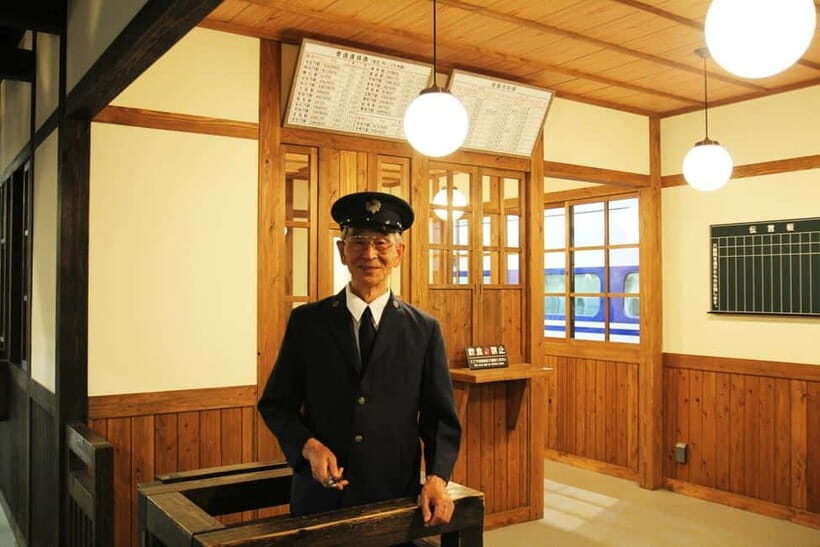
Kyoto Railway Museum is one of those places where the ticket feels small next to what you get inside. The museum is on Honshu, and you redeem your admission at the site right away, so there is no complicated transfer or off-site pickup to worry about.
For navigation, the museum sits at 34.9870986, 135.7422732. If you are using maps, this helps you avoid circling around Kyoto’s streets while your group is hungry and impatient (which, in Japan, is rare, but it happens).
Once you are in, the layout makes it easy to keep moving. You are not stuck in a single hallway. You can wander from one train to the next, pause for simulators, and then circle back when you realize you missed something at the cab door.
One practical note: if you leave the museum area and return, you will need to present your admission ticket to staff when you re-enter.
A few more Kyoto tours and experiences worth a look


Price and value: why $9 gets you a real day of train time
The admission price is $9 per person for standard entry, valid for a 1-day visit. For most museums, $9 often buys you a single exhibit wing. Here, it buys access to a wide collection plus hands-on areas that make you participate instead of just look.
That matters because the Kyoto Railway Museum isn’t only about rail as a subject. It is rail as a working machine. You are meant to see details up close, compare designs, and understand the surrounding technology that keeps trains running.
If you are traveling with kids, the value improves. Infants under 3 are free, and children ages 3 to 7 can buy on-site tickets for 200 yen. That is a strong deal for a place kids can explore without you turning into a full-time tour announcer.
Also, the museum is wheelchair accessible, which can be a deciding factor when you are comparing Kyoto attractions. If you need an easier path through large displays, this one is designed with access in mind.
53 real trains: how the collection helps you read Japan’s rail progress
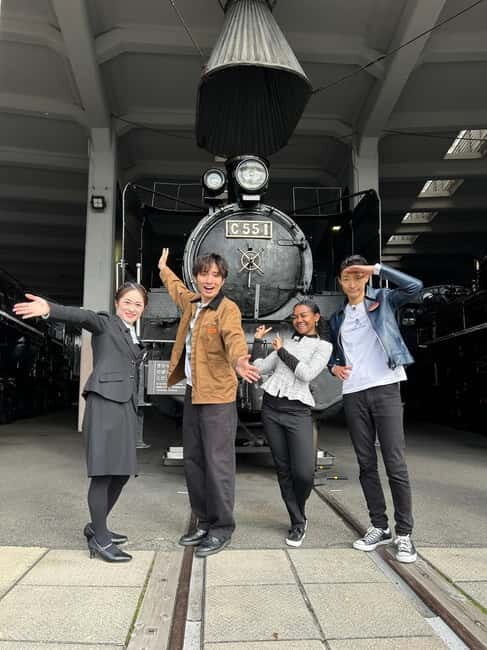
The headline is the collection: you get 53 real trains to explore, ranging from classic steam-era machines to modern Shinkansen. But the real value is how the museum lets you connect the dots between eras.
When you look at older steam engines, you see work built into the vehicle itself—big shapes, visible components, and systems you can almost guess how they operate. When you move toward later styles, the design shifts become obvious. It is not just visual; it teaches you how priorities changed over time.
A big reason this place works for both train nerds and casual visitors is variety. You can focus on whatever pulls you in:
- The look of the locomotive and cars
- The technical details inside a cab or car
- The evolution of train design and function across decades
I especially like that you can step inside iconic trains and get closer than a platform-photo would ever allow. It makes the museum feel less like a storage facility and more like a showroom of engineering moments.
Stepping inside: cabs, cars, and the wow that comes from getting close
One of the best parts is the chance to step inside iconic trains. Even if you are not a gear-head, there is something instantly satisfying about climbing into a real cab or peeking into a train car. It turns your brain from spectator mode into curiosity mode.
Inside, you tend to notice details that you would otherwise miss. Buttons, layout, entry spaces, and how the driver area is organized all tell a story. The museum’s goal feels clear: rail travel is not only about destinations; it is about how the vehicle is built to be used day after day.
This is also where the experience becomes more than nostalgia. When you sit or stand where operators and passengers once did, you start thinking about ergonomics, safety, and how design supports real work. The effect is subtle, but it changes how you look at trains afterward.
Hands-on simulators: learning that sticks because you actually do something
The museum does not treat interaction as a gimmick. You get hands-on simulators that feel realistic enough to make your brain engage. If you like tech, you will probably enjoy how the activities explain what trains need to operate well.
If you are traveling with kids, this is often the sweet spot. It is easy to stay focused because the experience gives you a task. You are not only watching moving parts behind glass; you are practicing how a rail system behaves.
I also appreciate that this type of hands-on learning works for different interests. Some people go right for the trains. Others go right for the mechanics. You can do both without your day turning into a rushed checklist.
If you want maximum benefit from the simulators, give yourself room to repeat what you liked. Unlike a one-and-done photo moment, these activities reward a second try because you catch details you missed the first time.
You can also read our reviews of more museum experiences in Kyoto






The steam locomotive ride and the roundhouse turntable rotation
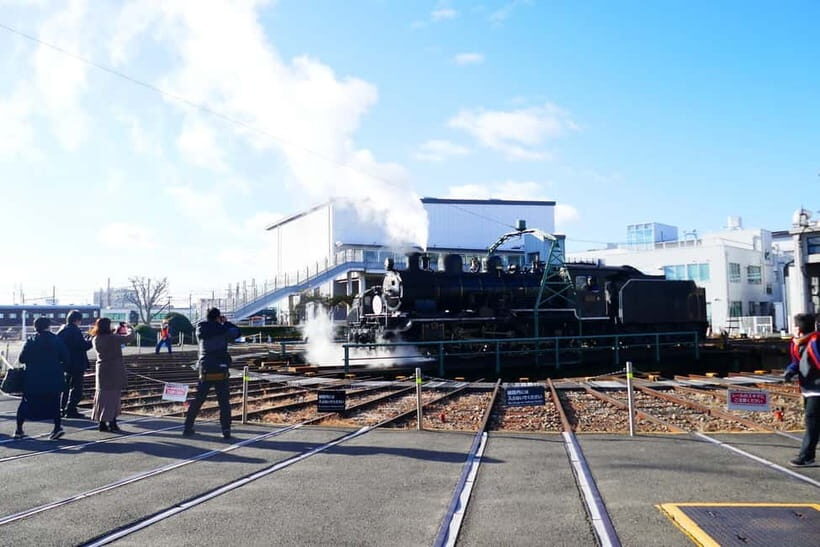
Now for the part that most people remember later. The museum includes a working steam locomotive ride, plus a chance to see the turntable rotation at the roundhouse.
This is one of those rare museum moments where you get motion with purpose. The turntable is not there just to be dramatic. It shows you how steam-era operations handled routing and positioning. When you watch it, you can picture the workflow: move the locomotive to the right track, prepare for the next run, and keep service moving.
And the steam ride adds the emotional layer. Steam is more than a style; it brings a texture you cannot get from static displays. Even if you have seen train videos before, a working locomotive changes the experience. You are not watching history. You are feeling the present version of it.
Tip: build your schedule so you are not doing these last-minute. The steam experience is the kind of thing where you may want to linger around afterward to understand what you just saw.
Dioramas, details, and Sky Terrace breaks for your brain
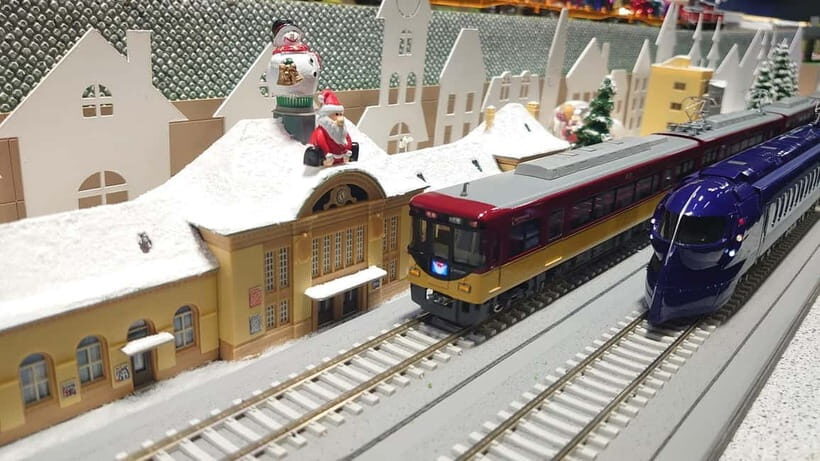
Between the big draws, the museum offers quieter elements: railway dioramas and space for detailed looking. Dioramas are great at showing the whole picture. A full scene helps you understand how track layouts, station planning, and rail operations fit together.
When your feet get tired, head up to the Sky Terrace. It gives you a better sense of the museum’s scale and helps reset your pace. It is also the sort of spot where you can stop, take a breath, and get a few wider views before you return to the close-up action.
I like balancing motion-heavy areas with calm-looking areas, because it keeps the day from feeling like you are sprinting from one train to another. The museum supports that rhythm pretty well.
Timing tips: avoid Wednesdays and plan for queues
Here is your must-know scheduling rule: Kyoto Railway Museum is closed every Wednesday. If you are traveling during peak season, do not rely on a quick check the day-of. Check in advance and build your Kyoto day plan around it.
Opening hours can also differ, so confirm on the museum’s official website before you commit to a time window. The museum is a single-day visit, but you still want the right day more than the right minute.
If you show up when the museum is busy, queues can form. When there are many people in line, you should wait at the entrance for the Early Bird Advance Ticket. This small detail can save you time and keep your visit from turning into standing around with everyone’s energy draining.
Who should buy Kyoto Railway Museum tickets?
This is a strong match if you love trains, want something family-friendly, or simply enjoy hands-on learning.
I think it is especially good for:
- Rail enthusiasts who want a wide collection in one day, including steam and Shinkansen
- Families who want an indoor activity with enough variety to prevent boredom
- Curious travelers who like understanding how systems work, not just seeing objects
- People who enjoy quieter indoor sightseeing, since the museum is cool inside and feels designed for slow browsing as well as excitement
You might not love it as much if your idea of a museum is mainly art or history in a display-only format. Kyoto Railway Museum leans practical and tactile, so you will get more from it if you like interacting, stepping inside, and watching how things move.
Should you book? My practical take on booking this Kyoto Railway Museum ticket
If you are in Kyoto and you want one ticket that covers a lot—real trains, hands-on activities, and a working steam and roundhouse moment—this is an easy yes.
At $9, the value is strong, especially with the family pricing (free under 3, and 200 yen on-site for ages 3–7). You also get a full 1-day experience, which matters because the museum is the kind of place where you do not want to rush.
One caution: the ticket is non-refundable, so make sure you have your date locked in and you are not gambling on a Wednesday that ends up being a closed day.
If your schedule is flexible and you can go on a non-Wednesday, book it. If Wednesday is the only day you can visit, you will need a different plan.
FAQ
Where is the meeting point for Kyoto Railway Museum admission?
Proceed directly to Kyoto Railway Museum for redemption. The site coordinates are 34.9870986, 135.7422732.
How much is the Kyoto Railway Museum ticket?
The standard admission is $9 per person.
How long is the visit valid for?
Your admission is valid for 1 day. Check availability to see starting times.
Is the museum wheelchair accessible?
Yes, the museum is wheelchair accessible.
Is Kyoto Railway Museum closed on any day?
Yes. The museum is closed every Wednesday.
Are infants and children eligible for free or reduced tickets?
Infants under 3 years old are free. Children between 3 and 7 years old can purchase tickets on-site with 200 yen.
Do I need to present the ticket again if I re-enter?
Yes. Present the admission ticket to staff when you re-enter the museum.
What if there is a long queue?
When there are many people in the queue, you should wait in line at the entrance of Early Bird Advance Ticket.