REVIEW · KYOTO
Kyoto: Secrets of Gion – Geisha Culture Walking Tour
Book on GetYourGuide →Operated by Traveling Tokyo · Bookable on GetYourGuide
Gion teaches Kyoto in 2 hours. This walking tour threads Yasaka Shrine festival roots to Hanamikoji Street geiko culture, with stops on preserved lanes like Nene no Michi and the stone stairs of Ninenzaka. I like the way the guide makes history feel practical, and I like that the route is built for real-world Kyoto atmosphere, not just postcard stops.
One possible drawback: geiko or maiko sightings are never guaranteed. You’re learning the culture either way, but who’s out and dressed depends on timing, crowds, and daily schedules.
The tour has a strong track record for storytelling. In past sessions, guides like Tim, Bell, Shin, and Majo earned praise for clarity, energy, and even helping solo travelers get better photos.
In This Review
- Key highlights you’ll actually feel on the walk
- Entering Gion at walking speed, not tour-bus speed
- Price and value for a 2-hour culture walk
- Meeting at Starbucks Kyoto Gion Hotel: easy start, low friction
- Yasaka Shrine: where festivals and geisha culture begin
- Maruyama Park: a calm pause near the shrine
- Nene no Michi: elegant lanes named after a powerful story
- Ninenzaka: stone stairs, old wood, and a photographer’s rhythm
- Yasui-Konpiragu and the Power Stone archway
- Hanamikoji Street: geiko, teahouses, and the rules of the neighborhood
- The end near Gion-Shijo: a possible maiko moment
- Nighttime feel and photography: why the timing matters
- Who this tour fits best (and who should consider alternatives)
- What you’ll learn beyond the streets (the real point of the tour)
- Should you book Kyoto Secrets of Gion?
- FAQ
- How long is the Kyoto Gion geisha culture walking tour?
- Where does the tour meet?
- Is the tour guided in English?
- What will I see or learn on the tour?
- How much does it cost?
- Is it suitable for wheelchair users?
- Can I cancel and get a refund?
Key highlights you’ll actually feel on the walk
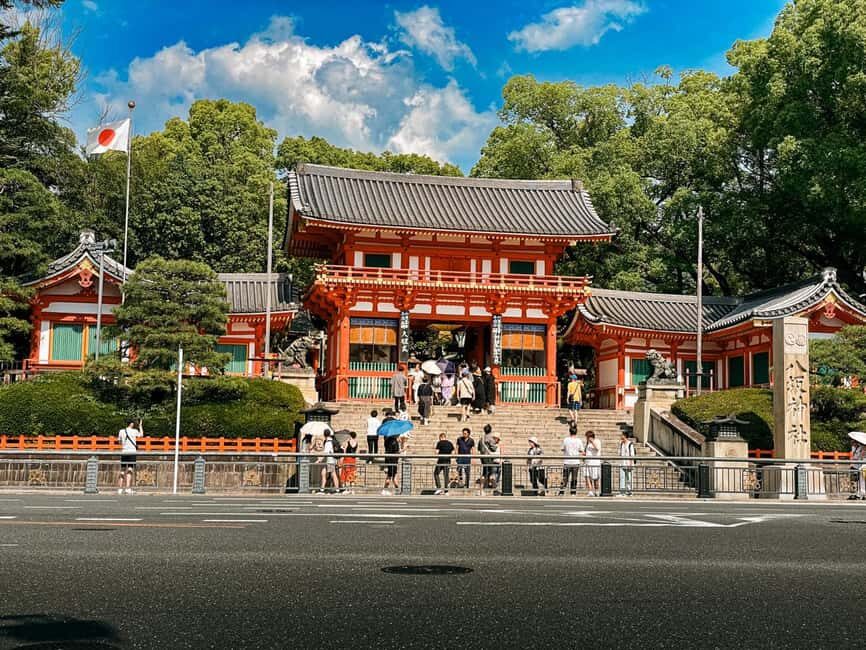
- Yasaka Shrine context first: you start at a major spiritual site tied to Kyoto’s festivals and geisha traditions.
- Photo-friendly old-street route: Nene no Michi and Ninenzaka give you preserved streetscape and angles with less hassle.
- Maruyama Park’s calm break: a pause in Kyoto’s oldest public park, with classic seasonal views.
- Yasui-Konpiragu’s Power Stone archway: a local ritual stop that comes with a lot of symbolism.
- Hanamikoji Street + back lanes: you learn where geiko entertain and how maiko train and live—plus stories about daily customs.
Entering Gion at walking speed, not tour-bus speed
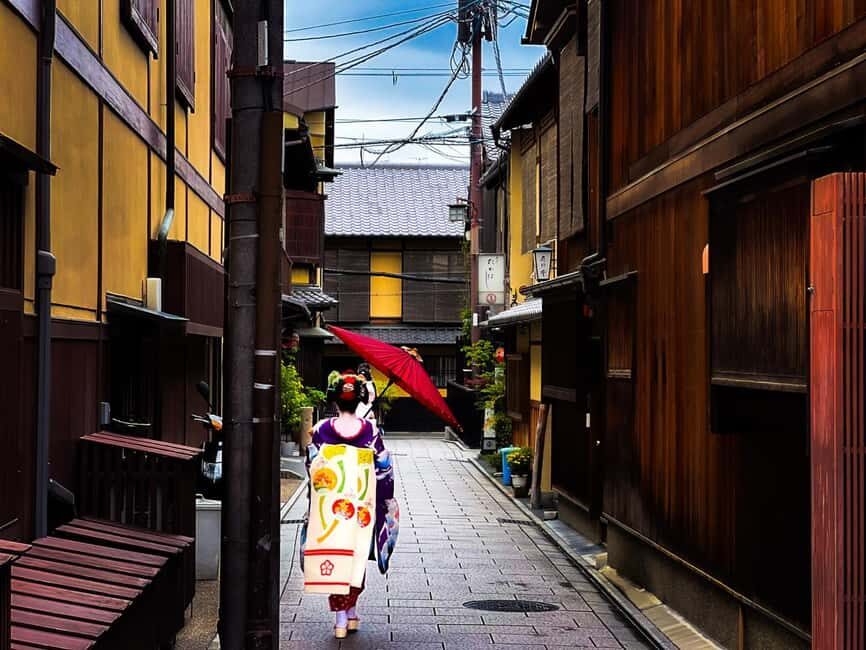
Gion is one of those places where Kyoto stops being abstract. You can feel the order, the formality, the quiet rules that shape daily life. The tour is designed to show you the “why” behind the pretty scenery: what people believed, what they celebrate, and how the geiko/maiko world fits into the neighborhood.
You’ll also get a reality check early. This isn’t a “stand here and see a geisha” plan. It’s a guided culture walk through spaces that geiko, maiko, and local residents have interacted with for generations. That difference matters. You’ll understand what you’re looking at, instead of hoping for a lucky glimpse.
And because it’s only about 2 hours, you’re not stuck in museum mode. You get enough time to connect the dots: shrine → park → old streets → a shrine ritual → teahouse lanes → the Gion-Shijo area.
You can also read our reviews of more walking tours in Kyoto

Price and value for a 2-hour culture walk
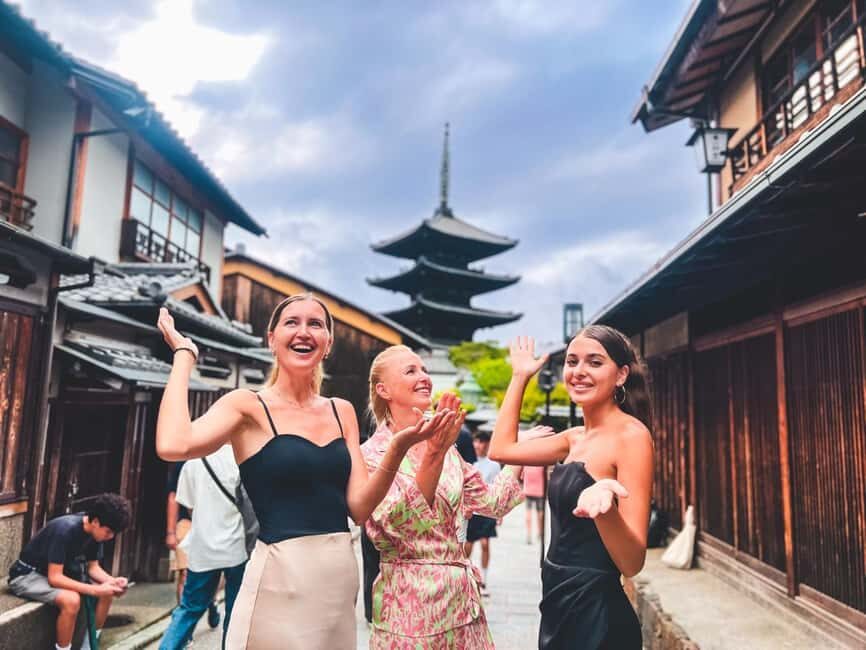
At $25 per person for a guided, English-language walk, you’re paying mostly for interpretation: the tour leader’s explanations of customs, history, and everyday life in Gion.
Here’s how I’d think about value. If you’d otherwise spend an evening wandering without context, this gives you a structure and a translator for the symbols you’ll see. If you’re the type who reads signs and likes to understand how traditions work, the $25 feels fair. If you’re only chasing photos with zero interest in backstory, you might wonder if you could do it solo faster. Still, the guide’s role comes through in small moments—helping you aim for the right angles, explaining what certain places mean, and keeping the walk flowing at a human pace.
Meeting at Starbucks Kyoto Gion Hotel: easy start, low friction
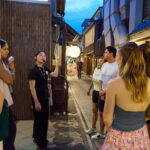
You meet at Starbucks Coffee – Kyoto Gion Hotel. That’s not glamorous, but it’s practical. Kyoto is full of lanes that look the same until you know the map. A clear, easy meeting point makes the tour start smoother—especially if you’re arriving on foot from somewhere else.
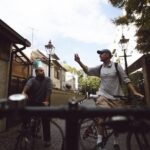
The guide will be holding a sign for Traveling Kyoto ID. That detail is helpful because it reduces the usual “Is that the right person?” scramble.
Yasaka Shrine: where festivals and geisha culture begin
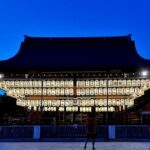
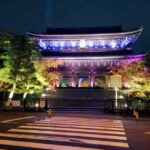
The walk starts at Yasaka Shrine, one of Kyoto’s key spiritual sites. It’s a smart first stop because it sets the tone: this is not just sightseeing. You’ll learn about the shrine’s longstanding connection to Kyoto’s festivals and the world that grew alongside that seasonal rhythm.
You’ll also get a photo stop here, which matters because the shrine area is visually strong. But the best payoff is the explanation: festivals in Kyoto aren’t random. They’re part of how the city organizes emotion, tradition, and public life—things that shape the environment where geiko and maiko operate.
One thing to keep in mind: shrines can be active places. Go with respectful patience. If you’re looking for the perfect shot, you’ll still get it—but you may need to wait your turn.
Maruyama Park: a calm pause near the shrine
Next comes Maruyama Park, described as Kyoto’s oldest public park. This stop works like a breather. You’re still in the Higashiyama zone, but the mood softens. The park is known for seasonal beauty, including weeping cherry trees, so the atmosphere changes a lot depending on the time of year.
Even if you’re not in cherry blossom season, Maruyama Park is useful because it breaks up the dense-feeling lanes with open space. That makes the rest of your walk more enjoyable—you’ll walk less “tight,” and your photos will look less claustrophobic.
Nene no Michi: elegant lanes named after a powerful story
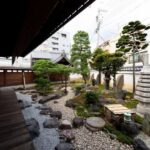
You then head along Nene no Michi, a lane named after the wife of samurai warlord Toyotomi Hideyoshi. That’s the kind of detail that makes a street feel alive. Instead of a generic shopping lane, it becomes tied to a real person and a real era.
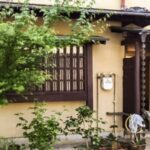
Along this route, you’ll notice preserved traditional architecture plus small shops and teahouses. It’s a good segment for slow walking and looking up, because the character comes from the buildings and street rhythm more than from one single landmark.
If your goal is photos: this is one of the best stretches for it, especially if you like composition (lines, doorways, lattice details). If your goal is simply atmosphere: you’ll feel Kyoto slowing down around you.
Ninenzaka: stone stairs, old wood, and a photographer’s rhythm
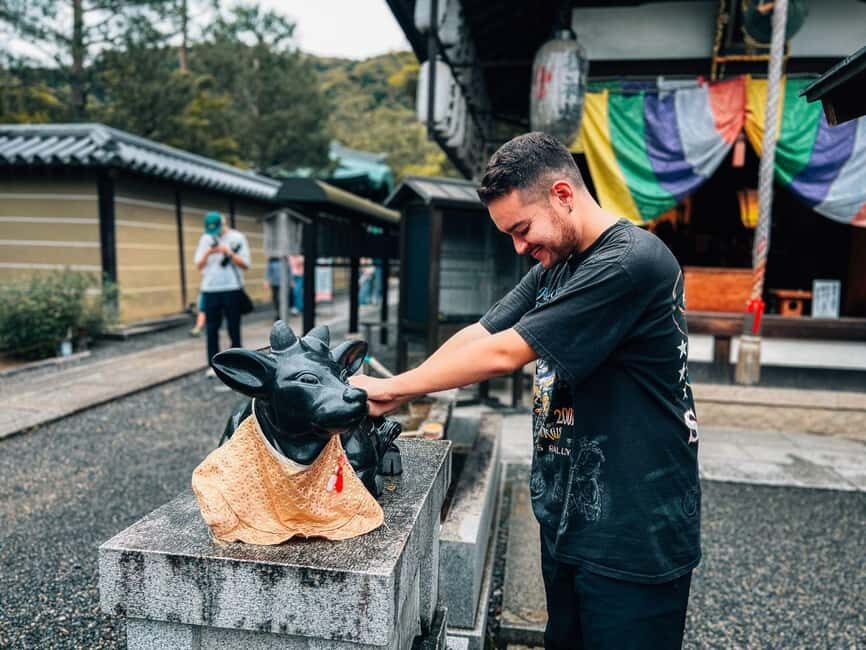
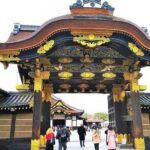
After Nene no Michi, the tour goes into Ninenzaka, the charming slope that’s famous for its stone-paved walkway and historic wooden buildings. It’s a classic Kyoto “step back in time” feeling—but here it’s more than vibe. You’ll be pointed toward the elements that actually make Ninenzaka worth your effort: artisan-focused boutiques and the way the buildings hug the street.
The stairs can be a lot if you don’t like hills, but for most people it’s manageable. The real benefit is timing and flow. If your tour runs later in the day, you may get fewer people in some spots, which makes a huge difference for photos and for just enjoying the architecture.
Yasui-Konpiragu and the Power Stone archway
This is one of the most memorable stops on the route: Yasui-Konpiragu, a shrine in the Higashiyama district known for its Power Stone archway.
Here’s what makes it interesting. People crawl through the archway as part of a ritual—either to pray for strong relationships or to symbolically break ties with the past. That’s not something you can “read about” quickly and fully understand. With a guide, it becomes clear why this kind of physical action exists in the first place: it turns belief into something you do, not just something you think.
The shrine area is also a good place to slow down. You’ll get a sense of local tradition at ground level, not in brochure form. If you’re even slightly curious about Japanese superstition and everyday ritual logic, this stop delivers.
Hanamikoji Street: geiko, teahouses, and the rules of the neighborhood
Then you reach the heart of Hanamikoji Street, known for preserved wooden teahouses where real geiko still entertain. This is where the tour shifts from locations to people—customs, daily life, and how the culture works under a layer of privacy.
Your guide will explain the history of maiko and geiko, and the daily rhythm behind the scenes. You’ll also be taken into narrow backstreets and lesser-known alleys, which helps because it reduces the “look but don’t understand” effect.
You may even learn about places where maiko live and train. That’s the kind of context that helps you read the neighborhood like an insider. You start noticing small clues—what kinds of buildings are where, and how the street feels built around discretion.
Also, I’ll be honest: you might not see geiko or maiko during the walk. But even without a sighting, you’ll understand what you’re seeing and why it’s arranged the way it is. The guide’s job is to translate the private world into something you can respect and comprehend.
The end near Gion-Shijo: a possible maiko moment
The tour ends near Gion-Shijo, and if the timing is right, you might catch a glimpse of a maiko in full attire heading to an engagement.
This is the part where luck meets reality. Kyoto’s entertainment culture follows schedules you can’t control as a visitor. If you do spot a maiko, it’s a special moment. If you don’t, you still leave with a clearer mental map of Gion and a better sense of what makes it tick.
Nighttime feel and photography: why the timing matters
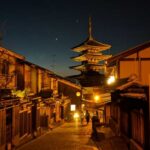
Some of the strongest praise in past experiences centers on the tour being timed in a way that helps you see the neighborhood with less crowd pressure. A later hour can mean fewer people in frame and a calmer vibe around shrine and street corners.
If you care about photography, this is the value that’s easy to miss. Gion can be chaotic, especially when you’re trying to photograph wooden facades. A guide can help you find angles and pacing so you’re not constantly fighting shoulder-to-shoulder tourism.
If you’re a solo traveler, this is also a comfort point. One highlight from past tours is that the guide helped take cute photos and made it feel safe to be out in the evening.
Who this tour fits best (and who should consider alternatives)
This walking tour is a great fit if you:
- want a culture-focused Gion experience, not just a photo route
- enjoy learning about how rituals and festivals connect to daily life
- like preserved streets like Nene no Michi and Ninenzaka
- travel in the evening and want a guide’s pacing and context
It’s less ideal if you:
- need full accessibility support (it’s not suitable for wheelchair users)
- only care about guaranteed sightings of geiko/maiko (the schedule depends on real life)
- dislike walking hills (Ninenzaka is a slope and involves stairs)
What you’ll learn beyond the streets (the real point of the tour)
The best Gion tours teach you how to interpret tiny signals: the meaning of a shrine ritual, why a street is named after a historic person, and what it means when geiko and maiko maintain privacy.
You’ll also come away with a better sense of Kyoto as a place where tradition isn’t frozen in time. It’s practiced, explained, and lived—sometimes quietly, sometimes in very visible festival moments.
Even if you only catch a glimpse of geiko or maiko, you’ll understand what that moment represents. Without context, those sightings can feel like a random surprise. With context, they feel like part of a bigger system.
Should you book Kyoto Secrets of Gion?
Book it if you want your Gion night to feel like education with a strong visual payoff. The route hits the major cultural anchors—Yasaka Shrine, Maruyama Park, Nene no Michi, Ninenzaka, Yasui-Konpiragu, and Hanamikoji Street—and the guide work turns each stop into something you can actually explain afterward.
Skip (or at least lower expectations) if your main goal is guaranteed geiko/maiko spotting. You can plan for the experience, but you can’t command who’s out in Kyoto. Still, even without a perfect sighting, this tour is strongest as a guided way to understand Gion’s traditions, not just a hunt.
FAQ
How long is the Kyoto Gion geisha culture walking tour?
It lasts about 2 hours.
Where does the tour meet?
You meet at Starbucks Coffee – Kyoto Gion Hotel.
Is the tour guided in English?
Yes, it runs with a live English-speaking guide.
What will I see or learn on the tour?
You’ll visit key stops around the Gion and Higashiyama area, including Yasaka Shrine, Maruyama Park, Nene no Michi, Ninenzaka, Yasui-Konpiragu, and Hanamikoji Street, with historical insights into Gion and geisha culture.
How much does it cost?
The price is $25 per person.
Is it suitable for wheelchair users?
No, it’s not suitable for wheelchair users.
Can I cancel and get a refund?
Yes. Free cancellation is available up to 24 hours in advance for a full refund.
If you want, tell me your travel month and whether you prefer late evening photo time or a more relaxed pace, and I’ll help you decide the best kind of time slot to aim for.