REVIEW · KYOTO
Kyoto: The Geisha Districts of Kyoto Walking Tour
Book on GetYourGuide →Operated by Kyoto Fun · Bookable on GetYourGuide
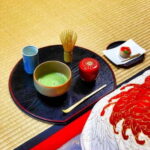
Geisha lore, minus the tourist chaos. This two-hour Kyoto experience is built around geisha culture—you start in Miyagawacho with a welcome drink, plus an interactive slideshow and games before you ever step onto the streets. I especially like how it gives context first, so the sights in Gion and Higashiyama make sense fast.
I also like that the route is more than a sidewalk parade. You cover four out of five hanamachi areas and pair tea-house street scenery with real Kyoto landmarks like Kenninji Temple and Yasaka Shrine. One drawback: it’s a walking-focused tour and is not suitable for mobility impairments, so plan on comfortable shoes and steady steps.
In This Review
- Key highlights I’d plan around
- Geisha culture starts in a lounge, not on the curb
- Where the walk begins: Miyagawa-chō and the hanamachi layout
- Getting a glimpse without making it awkward: Gion’s narrow streets
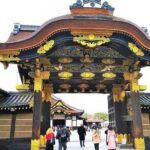
- Kenninji Temple: where Kyoto’s calmer side interrupts the pattern
- Yasui Kompira-Gu Shrine: small stop, local meaning
- Ninenzaka: classic streetscape energy in the Higashiyama flow
- Yasaka Shrine: finishing with an anchor point
- Price and value: $38 for context plus real street time
- Guides on this tour: clear explanations, real names you may hear
- Who should book this geisha district walking tour
- Should you book the Kyoto Geisha Districts Walking Tour?
- FAQ
- How long is the Kyoto Geisha Districts walking tour?
- How much does the tour cost?
- Where does the tour start?
- What areas do you visit?
- What’s included in the price?
- Are food and other drinks included?
- What language is the guide?
- Is it a small-group or private tour?
- Is the tour suitable for people with mobility impairments?
- What are the cancellation terms?
Key highlights I’d plan around

- Miyagawacho start with a welcome drink so you’re warmed up before the walking begins
- Interactive slideshow and games tied to real geisha traditions for a hands-on feel
- See hundreds of tea houses as you pass through central geisha districts
- Chance to catch a glimpse of women in full costume with your guide watching the details
- Balanced route through geisha districts plus classic Kyoto stops like temples and shrines
Geisha culture starts in a lounge, not on the curb
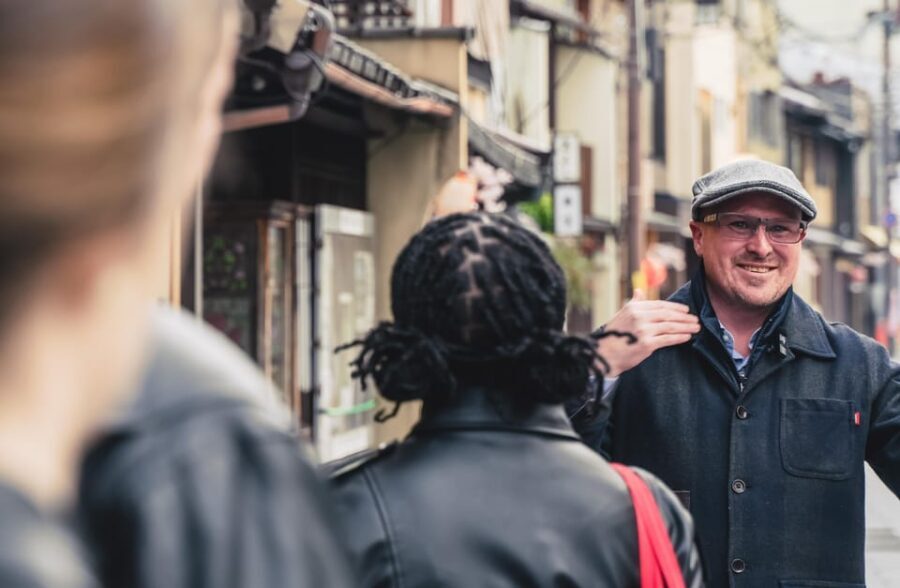
Most geisha-themed tours dump you straight into the streets. This one does it smarter. You begin at a traveler lounge right in the heart of the geisha district of Miyagawacho, with a welcome drink in hand. It’s a simple move, but it changes the whole experience: you get the cultural background before you start reading faces, street signs, and the rhythm of the entertainment district.
What I like here is the pacing. The tour doesn’t treat geisha as a museum exhibit. It frames geisha as part of living Kyoto customs—how they’re trained, what visitors should understand, and why the entertainment districts are laid out the way they are. Then you get a quick, interactive way to learn through an interactive slideshow and games connected to how geisha entertainment works. It’s not just talk.
If you want only passive sightseeing, you might find the lounge portion a bit more “program” than “walk.” But if you’re the type who enjoys learning how things work, this sets you up to notice more on the streets.
You can also read our reviews of more walking tours in Kyoto

Where the walk begins: Miyagawa-chō and the hanamachi layout
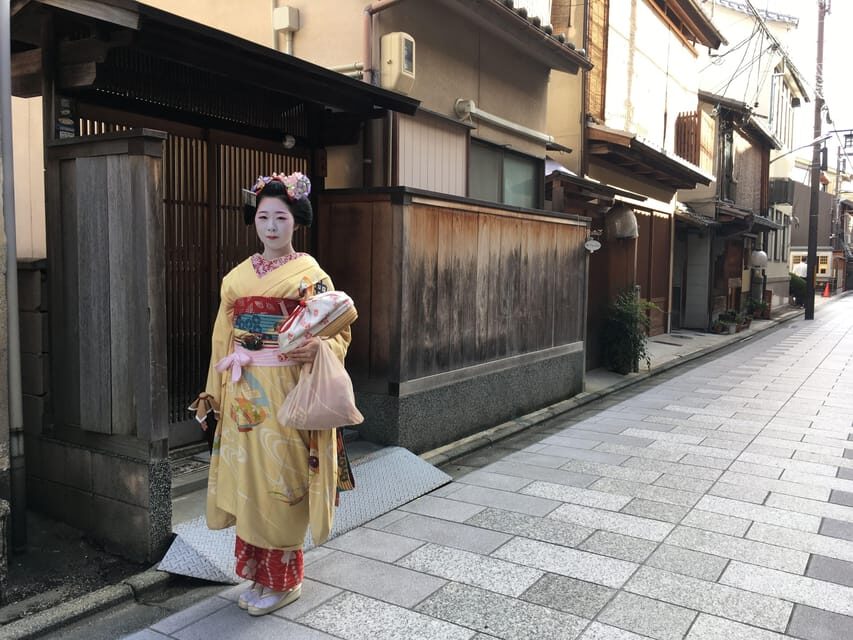
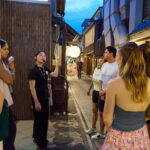
From the lounge, the tour hits the road and takes close to one hour of walking. The point of starting in Miyagawacho is that it’s not just scenery. It’s a central piece of the hanamachi system—the geisha districts that help organize where entertainment life happens in Kyoto.
As you move, you’re not just drifting through random streets. The guiding thread is the geography of the districts: how hanamachi function, how they relate to nearby neighborhoods, and what you’re seeing when you spot tea-house buildings along narrow lanes. The tour is designed to take you through four out of the five hanamachi, which matters because Kyoto’s geisha culture is distributed, not concentrated in a single block.
And yes, the streets can be tight and atmospheric, which makes the walking part feel special. You’ll also see hundreds of real tea houses as you pass through the central areas. That detail is key for value: the tour keeps you moving through the places where tea-house life actually sits in the city’s fabric, rather than just visiting a couple of postcard corners.
Practical note: this is a short walk overall (2 hours total), but it’s still walking. If you’re prone to getting tired fast, you’ll want to keep water in mind, and plan your shoes.
Getting a glimpse without making it awkward: Gion’s narrow streets
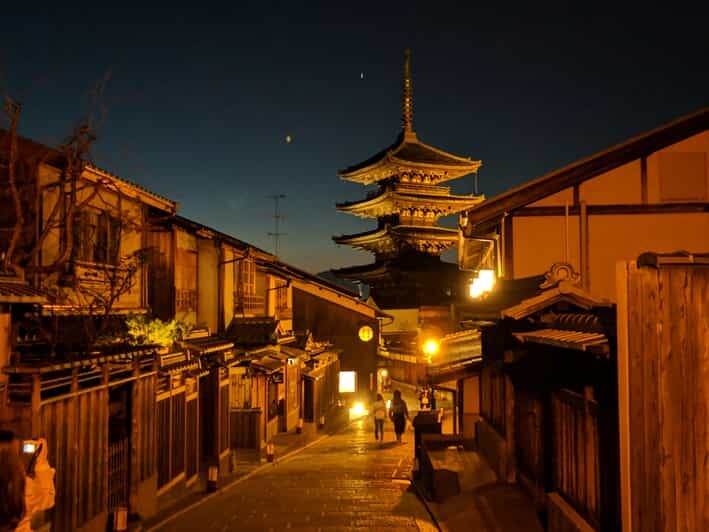
Gion is the name most people know, and for good reason. It’s Kyoto’s centuries-old entertainment district, and it’s strongly tied to geisha culture. On this tour, you get more than the headline. You learn how the area came to be known for geisha, what customs shape behavior there, and what clues to watch for while you’re walking.
Your guide gives you a framework for spotting what matters. That includes the chance of catching a glimpse of a few women in full costume. The guide’s role is important here: you’re learning what’s appropriate to observe and how to read the district’s flow without turning it into a chaotic photo mission.
I like that the tour aims to move you beyond the surface level. You’re seeing the geisha world not just by looking at storefronts and street views, but by understanding the customs that connect tea houses, entertainment districts, and everyday neighborhood life.
The streets are narrow, so you’ll feel close to the buildings. That’s part of the magic. It also means the tour can feel more intimate and slower-moving than you might expect. If you’re the type who wants to race from stop to stop, you may need to adjust your mindset.
Kenninji Temple: where Kyoto’s calmer side interrupts the pattern
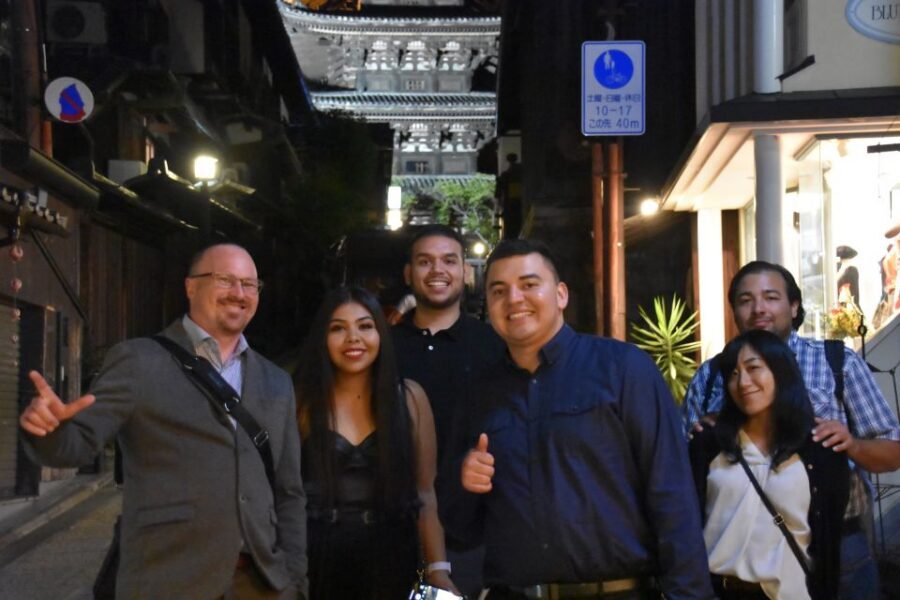
One of the most useful things on this itinerary is that it doesn’t treat the geisha district as the only story. When the tour stops at Kenninji Temple, it gives you a reset point.
This is one of those places where Kyoto’s everyday spirituality and the city’s entertainment culture sit next to each other. That contrast helps you understand what makes Kyoto different: geisha districts are not isolated from the rest of the city. They share space with temples, shrines, and the daily routines that keep Kyoto moving.
Timing-wise, you spend about 15 minutes at the temple stop. That’s enough time to orient yourself, take in the mood, and let your guide point out what to pay attention to. It’s not meant to turn into a long temple lecture. It’s more like a quick, grounding pause.
Potential drawback: if you want lots of free time for independent wandering at each stop, this tour is structured. You’ll get guided time and then back onto the walking route. You can still slow down for a look, but it’s not designed for lingering.
Yasui Kompira-Gu Shrine: small stop, local meaning
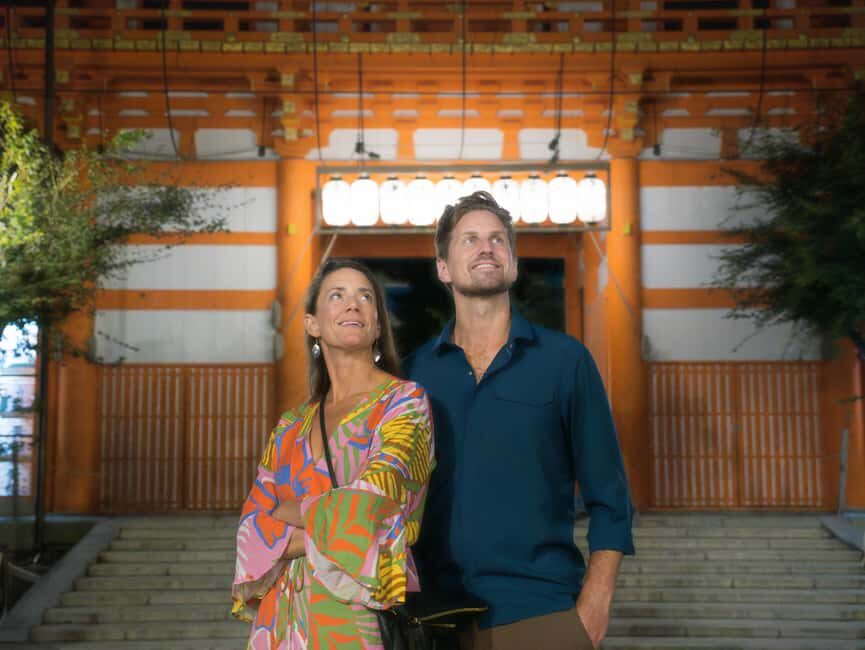
Next comes Yasui Kompira-Gu Shrine, another 15-minute visit. Shrines like this are practical in a tour like this because they help you connect the geisha districts to Kyoto’s wider cultural map.
A lot of people go to Gion and think it’s all about entertainment. This stop adds context that Kyoto’s sacred spaces aren’t an afterthought. They’re part of the same city logic. Even if you don’t know shrine customs going in, your guide helps explain why this kind of landmark shows up on routes through historic neighborhoods.
You’re not expected to master every term. Think of it as learning how to read Kyoto’s layers. The geisha district is one layer. The shrine is another. Together, they help you see how tradition works across everyday streets.
Watch your pace here. Shrines can involve uneven ground and small path changes, especially in older areas. Nothing extreme is promised or implied, but your best move is to keep your footing in mind and stay present.
Ninenzaka: classic streetscape energy in the Higashiyama flow
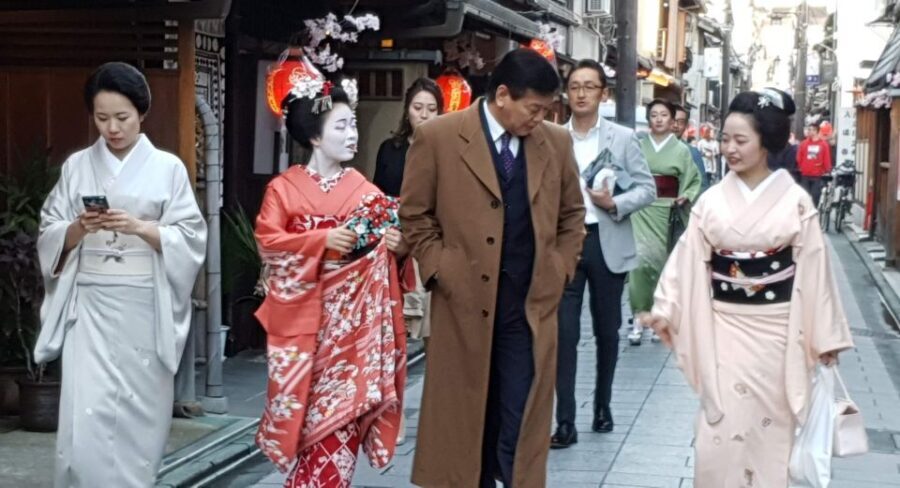
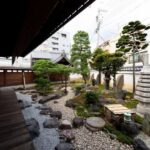
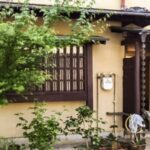
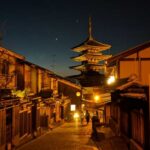
Then you reach Ninenzaka, with about 20 minutes of guided time. This stop is where Kyoto’s famous “old street” atmosphere becomes part of the tour’s narrative. It’s a chance to slow down and see how historic neighborhoods feel on foot—how the city is layered with architecture, pedestrian lanes, and the kind of slow movement that suits a short walking tour.
Even though the tour is centered on geisha districts, Ninenzaka helps you experience the broader Higashiyama context. Your guide can connect what you’re seeing to the idea of how entertainment districts sit within the larger tourism and neighborhood geography of Kyoto.
This is also a good place to reset your camera arm and your brain. After a temple and shrine stop, Ninenzaka feels like an atmospheric transition—still guided, but more about observing street life and architecture.
Small consideration: street viewing can draw your attention, but you’ll want to stay aware of where the group is headed. It’s easy to drift when the scenery is photogenic.
Yasaka Shrine: finishing with an anchor point
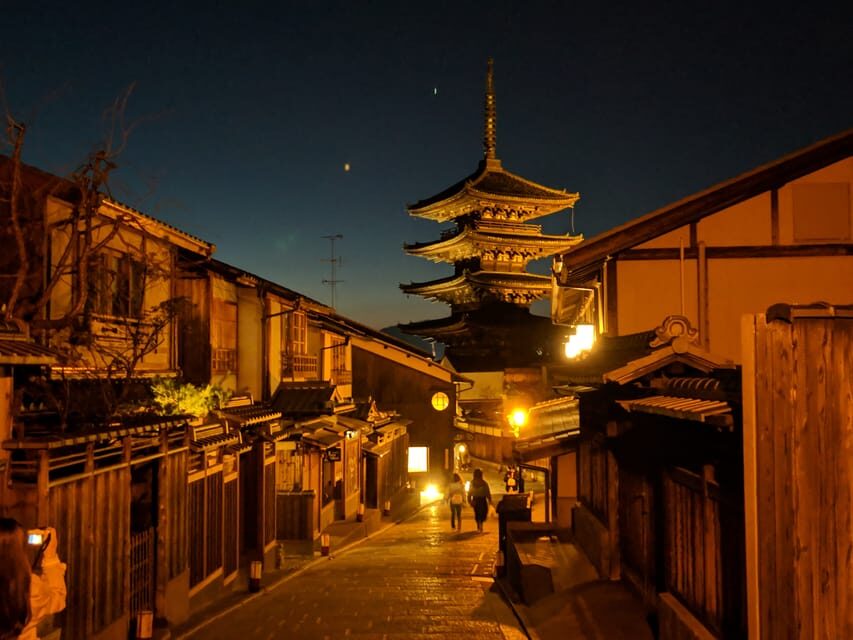
The tour ends its main guided sightseeing at Yasaka Shrine, with about 20 minutes there. Yasaka Shrine is another major Kyoto landmark, and it’s a smart closing stop because it gives you an anchor: once you’ve visited a shrine like this, it’s easier to understand where you are in the city and how the districts connect.
This ending also makes sense with the tour’s practical bonus. After the walking portion wraps up, the guide helps with suggestions for places to go for dinner. That matters more than it sounds. Kyoto dining can be overwhelming if you haven’t decided what vibe you want. Having a local-minded recommendation right after your cultural walk makes your evening plan easier.
If you’re hoping for a totally geisha-only finale, this may feel like a broader Kyoto landing. But that’s actually a strength. It leaves you with a sense of the city as more than an entertainment district.
Price and value: $38 for context plus real street time
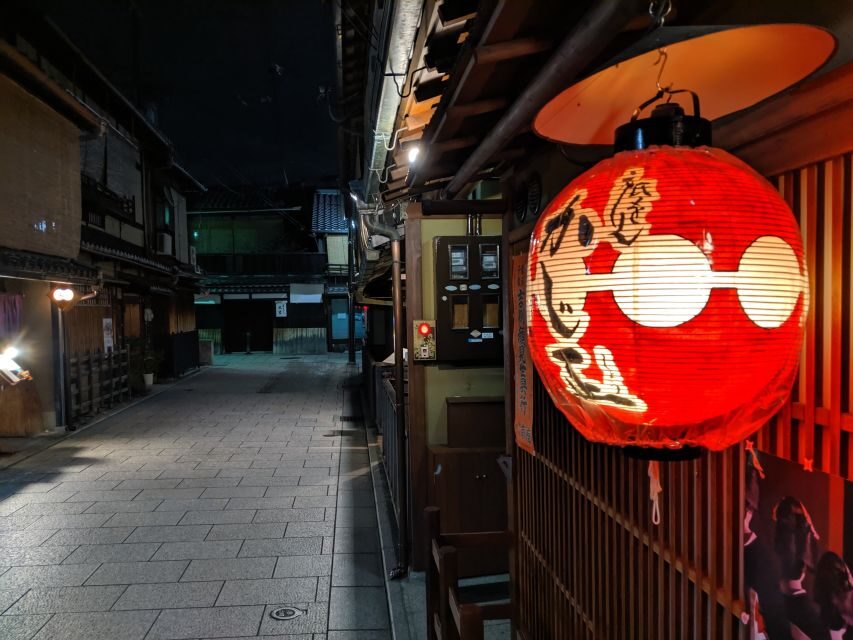
At $38 per person for 2 hours, this tour is priced like a focused cultural experience rather than a long-day excursion. The best value comes from the mix: you’re getting a lounge intro with a welcome drink, interactive learning, and then guided walking through multiple central areas of geisha culture.
It’s not a food tour. Food and drinks besides the welcome drink aren’t included, so budget for whatever you choose afterward. But the drink in the lounge isn’t a throwaway perk. It’s part of the tour’s “settle in” approach and helps make the early portion feel comfortable.
Also, you’re not just paying for a route map. You’re paying for interpretation: how to understand hanamachi, why the tea-house streets matter, and what to notice as you go. That’s the kind of value that lasts longer than photos.
Another value point: the tour offers private or small groups available, which can make the guide’s explanations feel more personal and easier to hear on narrow streets.
Guides on this tour: clear explanations, real names you may hear
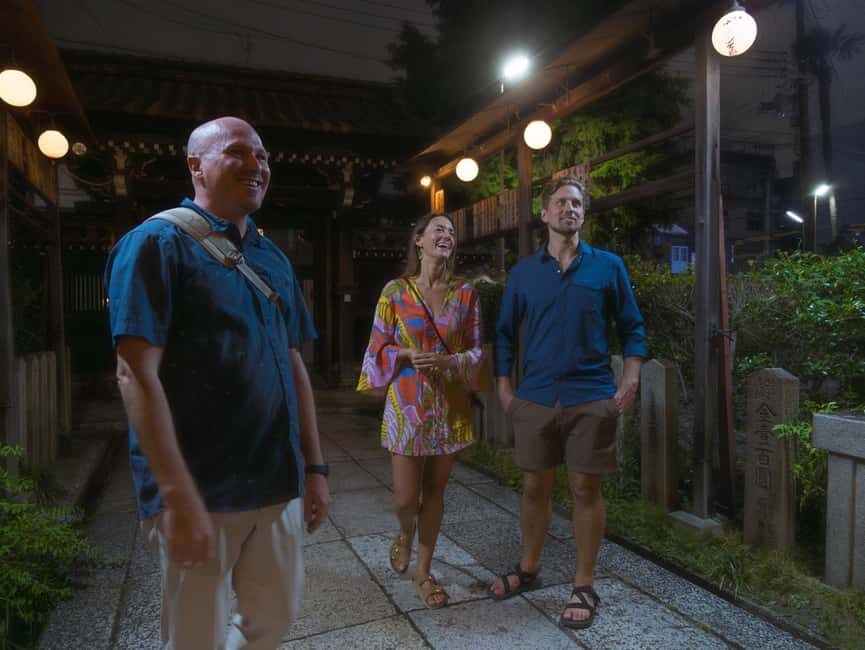
The subject matter can feel slippery if the guide doesn’t keep it clear. The strongest praise from past participants tends to point to guides like Kevin for tying geisha culture into broader Japanese history and everyday context. Others have mentioned Ben as especially kind and helpful during the walk.
You’ll also have a bilingual guide (English and French), which helps if you want the cultural nuance without struggling through translation. Either way, the guide’s job here is to make geisha culture understandable and respectful—so you can enjoy the sights without turning them into a misunderstanding.
No matter the guide, the tour format is designed so you’re not lost. You have structured stops, short visits at each landmark, and a clear transition from lounge learning to street observation.
Who should book this geisha district walking tour
I’d book this if you’re fascinated by geisha culture and want more than crowded-street impressions. It’s a great fit for first-time visitors to Kyoto who want a short, high-impact experience that connects Gion and Higashiyama to the hanamachi world.
It’s also a good choice if you enjoy structured learning in the real places where things happen. You’re not stuck in a classroom; you’re walking through the neighborhoods with context in your head.
If you hate walking or have mobility limits, this may not be a good match. The tour is explicitly not suitable for people with mobility impairments, and it involves around an hour of walking.
And if you’re traveling with only a vague interest in geisha culture, you might find it heavier on learning than on spectacle. But for curious minds, that’s the point.
Should you book the Kyoto Geisha Districts Walking Tour?
Book it if you want a respectful, structured look at geisha culture with tea houses, hanamachi geography, and major Kyoto landmarks packed into a short 2-hour outing. The welcome drink lounge, interactive activities, and the guided walk make it feel like more than a simple sightseeing loop, and the dinner suggestions help you turn the experience into a plan for the rest of your evening.
Skip it if you need a low-walking pace, prefer self-guided exploration, or only want casual street photos with no cultural context. In that case, you might enjoy other Kyoto walks more.
FAQ
How long is the Kyoto Geisha Districts walking tour?
It lasts about 2 hours.
How much does the tour cost?
The price is $38 per person.
Where does the tour start?
You start either at Kyoto Fun (河松マンション) or at the Miyagawacho traveler lounge. The meeting point may vary depending on the option you book.
What areas do you visit?
The tour focuses on Gion and Higashiyama, including central geisha districts and stops at Kenninji Temple, Yasui Kompira-Gu Shrine, Ninenzaka, and Yasaka Shrine.
What’s included in the price?
Included are the guided walk of the Gion and Higashiyama districts and a bilingual guide (English and French). You also get a welcome drink at the traveler lounge.
Are food and other drinks included?
No. Food and drinks are not included beyond the welcome drink.
What language is the guide?
The tour is offered with a live guide in English and French.
Is it a small-group or private tour?
Private or small groups are available.
Is the tour suitable for people with mobility impairments?
No. The tour is not suitable for people with mobility impairments.
What are the cancellation terms?
You can cancel up to 24 hours in advance for a full refund.

![[One-day bus tour departing from Kanazawa Station] Shirakawa-go and Gokayama - Two World Heritage Villages Enjoyable Bus Tour - What your $88.44 covers (and what it does not)](https://images.thejapantraveler.com/wp-content/uploads/one-day-bus-tour-departing-from-kanazawa-station-shirakawa-go-and-gokayama-two-world-heritage-villages-enjoyable-bus-tour.jpg)