REVIEW · TOKYO
Luxury Tokyo Sake, Cocktail, Whisky and Pairing Tour
Book on Viator →Operated by Arigato Japan KK · Bookable on Viator
Tokyo’s drinking scene makes a lot more sense in a group. I love the variety of tastings packed into a short walk, and I really like that you get nine local dishes so the night stays fun, not just boozy. A small downside: it’s a set route and timing, so if you want total freedom to linger somewhere, this won’t feel that way.
This tour runs about 3 hours starting at 4:30 pm, meeting at Shinbashi and ending in the Ginza area. You’ll move through key neighborhoods rather than staying glued to one bar, and with a group size capped around 10 people, it stays conversational without feeling like a long pub crawl.
I also like the practical side. You learn Japanese drinking manners and customs from a local English-speaking guide, then you put those tips into action while sampling sake, whisky, beer, and cocktails across multiple stops. In my experience, it’s a smart way to get a real feel for how locals enjoy the same city very differently after work.
In This Review
- Key things I’d pay attention to before you book
- A 4:30 PM Tokyo tasting plan that fits your evening
- Meeting in Shinbashi and learning how locals drink
- Stop 1: Fuji Soba, then a route through Karasumori Jinja, Panasonic Living Showroom, and Wako Building
- Shimbashi: craft beer, micro-breweries, and manners that matter
- Ginza: four tastings of sake, whisky, and cocktails across multiple venues
- Nine local dishes and pairings that actually keep pace with the alcohol
- What the $321 price really buys (and what you’ll pay extra)
- Dietary needs: flexibility that helps, with real-world caveats
- Who this tour suits best (and who might want a different night)
- The guide factor: English support and a lively night feel
- Should you book this Tokyo sake, cocktail, whisky and pairing tour?
- FAQ
- What is the duration of the Luxury Tokyo Sake, Cocktail, Whisky and Pairing Tour?
- Where does the tour start and when?
- How many people are in the group?
- What alcohol and tastings are included?
- Are meals included?
- Is hotel pickup included?
- What about dietary restrictions?
- How old do you need to be to join?
- What if the weather is bad?
- Can I cancel for free?
Key things I’d pay attention to before you book
- A guide-led shortlist: you’re not guessing where to go on your own
- Multiple drink styles in one run: sake, whisky, beer, cocktails, plus pairings
- Nine local dishes that keep your stomach happy while you sample
- Small group (max 10), so you can ask questions and learn on the move
- Neighborhood hopping: Shinbashi to Ginza instead of one district only
- Weather matters: the tour needs decent conditions, with alternatives if it’s canceled
A 4:30 PM Tokyo tasting plan that fits your evening
This is the kind of Tokyo night plan that starts at the time locals actually shift gears. You meet in Shinbashi around 4:30 pm, then spend the next few hours bouncing through drinking spots and food stops that a normal walk-in tourist might miss.
The big win is pace. It’s long enough to try a real set of drinks and eat well, but short enough that you’ll still be able to make your own plans after. And since you get a mobile ticket, you can spend less time tracking paperwork and more time just getting to the meeting point.
You should also know the vibe: it’s a guided tasting with stops, not a freeform nightlife quest. That’s good for value and learning, but if your goal is pure wandering, you may feel gently steered.
You can also read our reviews of more food & drink experiences in Tokyo

Meeting in Shinbashi and learning how locals drink
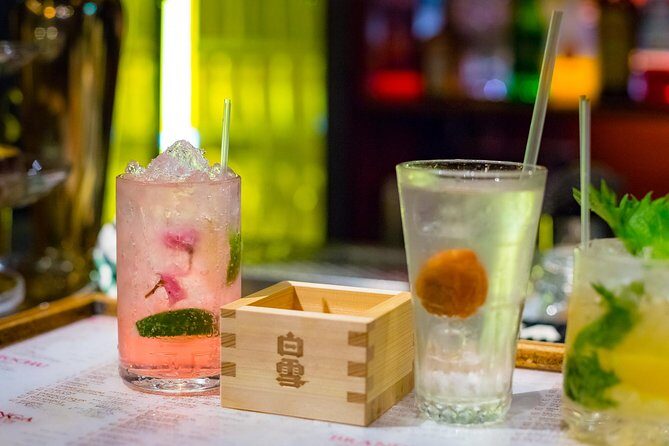
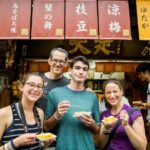
You start at Fuji Soba in the Shinbashi area, near a major transit hub, so getting there doesn’t feel like a mission. From the start, the tour frames the evening as a blend of culture and technique: you learn drinking manners and customs and then test what you learned during tastings.
I like that the guide doesn’t treat it like a checklist. The instructions are the kind that change how you order and how you handle the drink in front of you. Even if you already know a bit, a reminder of the basics can make you feel more confident when you’re surrounded by locals doing things their way.
Another practical plus: this isn’t a huge group. With up to about 10 travelers, you’re more likely to get real explanations instead of quick, one-size-fits-all remarks.
Stop 1: Fuji Soba, then a route through Karasumori Jinja, Panasonic Living Showroom, and Wako Building
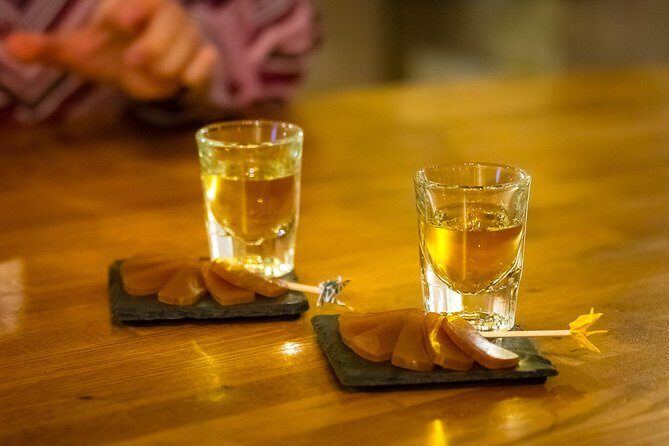
Before the main tasting phase, you get some structure and variety. The walking sequence takes you past Karasumori Jinja, the Panasonic Living Showroom, and Wako Building as you head into the evening’s drinking neighborhoods.
Why I think this matters: it helps you connect the dots. Tokyo can feel split into very different moods street by street, so seeing those shifts on the way to bars makes the final tastings feel less random. You’re not just chasing alcohol; you’re building a simple mental map of how the city changes after work.
There’s also a psychological benefit. Starting with movement and sights helps you ease into the night. You’re not walking in cold, sitting down immediately, and then scrambling to catch up with the group’s explanations.
The only drawback is normal for any walking tour: you’ll be on your feet. The tour asks for moderate physical fitness, which usually means comfortable shoes are the smart move.
Shimbashi: craft beer, micro-breweries, and manners that matter
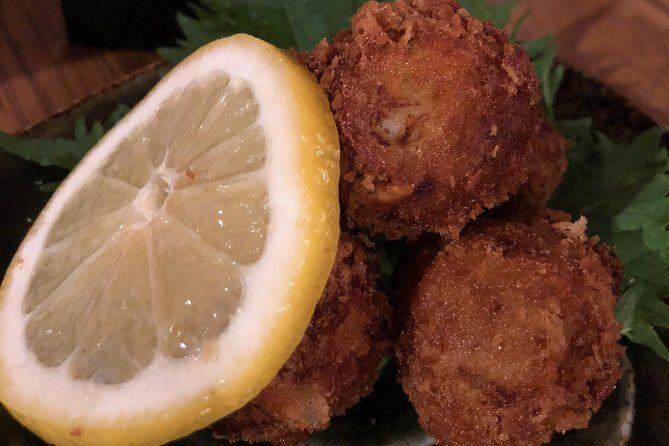
Your Shimbashi segment lasts about 1 hour, and it’s where the tour leans into beer. You’ll get insights into local life and Japanese culture, then you’ll sample new beers from micro-breweries across Japan.
I really like this approach because it broadens the tasting beyond what many visitors expect. If you came to Tokyo thinking it’s all sake all the time, you’ll leave with a better sense of the wider alcohol culture—especially beer that’s made in smaller batches with distinct styles.
This stop also reinforces the etiquette lessons. Learning manners isn’t just academic; it affects how you interact at the table and how you follow the flow. The guide is there to help you feel comfortable, especially if you’re new to Japanese drinking customs.
One small consideration: if you’re not a beer person, you’ll still get the tour’s structure and explanations, but the beer focus may feel like less of your priority. On the flip side, if you like comparing styles, this part is a nice step before you move into sake and whisky.
Ginza: four tastings of sake, whisky, and cocktails across multiple venues
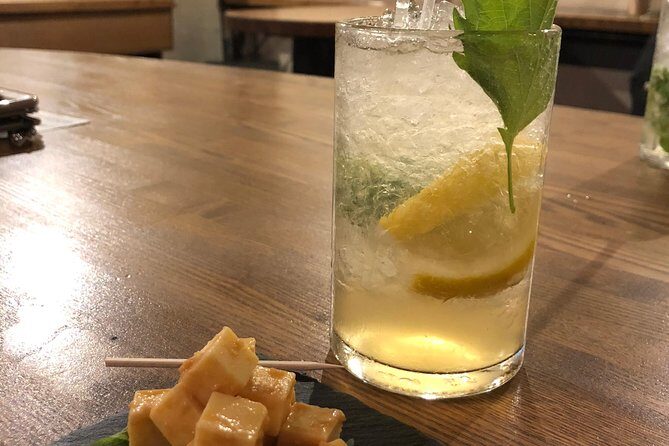
Then you move into Ginza, and the pace stays focused. This section is listed as 2 hours, with four stops built around Japanese sake and tastings that include world-famous whisky and cocktails.
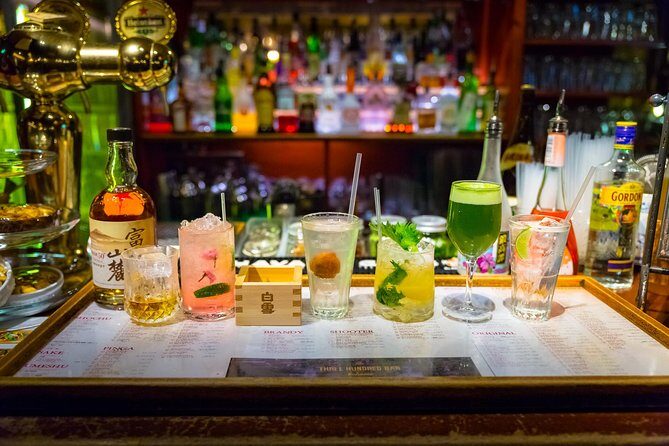
This is where the tour earns its “luxury” label—not as a fancy setting, but as a tasting sequence. You get to compare styles and flavors without having to figure out how to order politely, decode menus, or guess which bar will actually pour what you want.
One of the nice parts here is the variety of choices in a short window. You’re sampling across categories—so you can start noticing what you personally like. Sweet vs dry, smoky vs clean, light vs fuller bodied. If you’ve ever tasted one drink and thought I should have ordered something else, this gives you a better baseline for future orders.
The Ginza route also includes a stop named Gado shita as part of this segment. Even if you’re not sure what to expect when you see a venue name, the guide’s job is to keep it coherent, so you understand what you’re drinking and why it fits the pairing.
If there’s a drawback, it’s that Ginza is Ginza: popular, busy, and often higher-pressure in terms of how people behave around dining and drinks. The guide helps you handle that, but if you want a super quiet, slow experience, this tour is more social and structured.
A few more Tokyo tours and experiences worth a look




Nine local dishes and pairings that actually keep pace with the alcohol
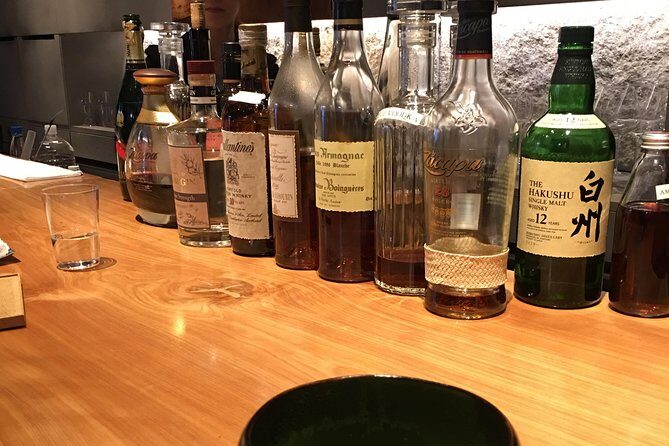
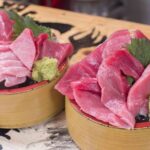
A lot of alcohol tours forget the basics: food is not decoration. This one includes nine local dishes, plus dinner elements like pairings, shared plates, and bar snacks.
I love how this changes the whole feeling of tasting. You get a real sense of Tokyo flavors alongside the drinks, and you don’t have that heavy, overfull stomach risk that can ruin the last stop. The pairings also do the useful work of teaching you what to taste for, which makes your ordering later easier.
Another practical detail: the tour is built for people who want to avoid hunger without turning the night into a full restaurant schedule. If you’re doing Tokyo by neighborhood, this is a neat middle ground—snacks and dishes that keep you going, without forcing you to book dinner separately.
You’ll also appreciate the snacks if you’re the type who hates wasting a drink because you’re too full or too tired. Here, the food keeps energy up so you stay present.
What the $321 price really buys (and what you’ll pay extra)
The price is $321 per person, and it’s worth evaluating based on what’s included.
From what you get:
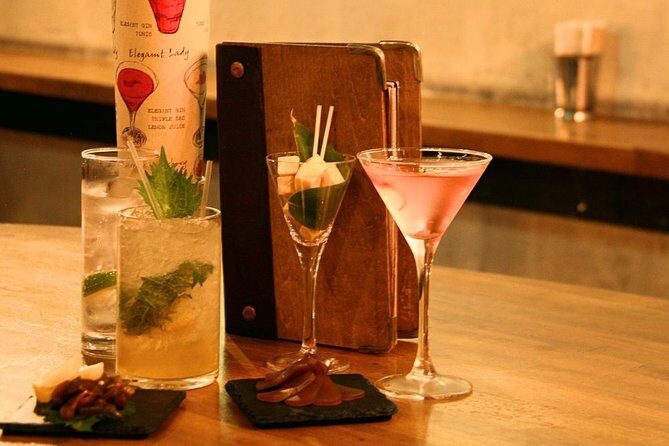
- Alcoholic beverages at four tasting stops (sake, whisky, cocktails, plus beer samples)
- Dinner and local dishes: nine local dishes with pairings and snacks
- A local English-speaking guide
- A mobile ticket
What’s not included:
- Hotel pickup (it can be arranged for an additional charge)
- Gratuity
- Transportation costs
- Any additional drinks or food beyond what’s part of the tasting and meal
Here’s my value take: for Tokyo, this is not just a “drink tour.” It’s closer to a guided tasting night with food included, which tends to cost more when you try to replicate it alone. If you enjoy trying multiple drink types and you don’t want to spend your evening researching where to go, the guide’s shortlist saves you time and uncertainty.
If you already drink only one style and you don’t care about comparisons, it may not feel as cost-effective. But if you want to taste widely—sake, beer, cocktails, whisky—and learn how to order confidently, it becomes a solid deal.
Dietary needs: flexibility that helps, with real-world caveats
The tour is described as vegan, vegetarian, pescetarian, and gluten-free friendly with “flexibility.” That’s a good sign if you have dietary boundaries, because it suggests the operator plans around options rather than treating restrictions as an afterthought.
Still, the safest way to enjoy any tasting tour is to communicate your needs clearly when booking. The included dishes and pairings are part of the structure, so you’ll want the guide to know exactly what you can and can’t have.
If you’re gluten-free, for example, it can vary widely how strictly places handle ingredients. The tour being gluten-free friendly helps, but it doesn’t guarantee identical preparation everywhere. You’ll get the best experience if you’re direct with the details.
Who this tour suits best (and who might want a different night)
This is best for you if:
- You want a guided shortlist of drinking spots without map-chasing
- You like trying sake, whisky, beer, and cocktails in one evening
- You want food included so the night stays balanced
- You enjoy learning the how and why behind Japanese drinking manners
It may not be ideal if:
- You hate set itineraries or want long, independent time inside one bar
- You can’t do walking for a few hours (moderate fitness is requested)
- You’re traveling as a strict minimalist who only wants one drink type
One more point: it’s adults only—20 years old and above—so make sure everyone in your party fits.
Also, this tour caps at up to 10 travelers, so it’s a good size for conversation. If you prefer big party energy, you may find it a bit calmer than the nightlife crowds.
The guide factor: English support and a lively night feel
The tour includes a local English-speaking guide, and that support matters more than you’d think on a sake and whisky route. Tastings go better when you understand what you’re drinking and how to ask for what you like.
In one set of feedback I saw, the guide Glenda stood out as friendly and fun. That’s exactly the kind of energy that makes a tasting tour feel easy rather than intimidating. Even if you’re a first-timer, a good guide helps you not only taste, but also understand.
The guide also plays translator for etiquette and ordering norms. That’s part of the value: you’re not just consuming alcohol; you’re learning how to navigate Japan’s drinking culture without awkwardness.
Should you book this Tokyo sake, cocktail, whisky and pairing tour?
Book it if you want a structured, high-value night that mixes learning and tasting. The combination of four key alcohol tasting stops, nine local dishes, and English-speaking guidance makes it an efficient way to experience Tokyo’s after-work food-and-drink culture across Shinbashi and Ginza.
Skip it or consider an alternative if you want a totally self-directed nightlife plan, or if you dislike walking and tasting in a scheduled sequence. Also, it depends on good weather, so if you’re traveling during a rough forecast window, be ready to adjust.
If your goal is to leave Tokyo with a better sense of what you personally like—sake vs whisky vs cocktails vs beer—and to know how to order with confidence next time, this is one of the smarter ways to spend a few hours.
FAQ
What is the duration of the Luxury Tokyo Sake, Cocktail, Whisky and Pairing Tour?
It runs for about 3 hours (approx.).
Where does the tour start and when?
The tour starts at 4:30 pm in Shinbashi (Minato City) at the Japan, 105-0004 Tokyo address listed for the Shinbashi Marine Building. The end point is the Ginza area.
How many people are in the group?
The tour has a maximum of 10 travelers.
What alcohol and tastings are included?
Alcoholic beverages are included at four stops, with tastings that cover sake, whisky, and cocktails, along with additional drink sampling including beer.
Are meals included?
Yes. You’ll have dinner with nine local dishes, plus pairings, shared plates, and bar snacks.
Is hotel pickup included?
No. Hotel pickup is not included, but it can be arranged for an additional charge.
What about dietary restrictions?
Dietary restriction requests are described as flexible, including vegan, vegetarian, pescetarian, and gluten-free friendly options.
How old do you need to be to join?
It’s for adults 20 years old and above only.
What if the weather is bad?
The experience requires good weather. If it’s canceled due to poor weather, you’ll be offered a different date or a full refund.
Can I cancel for free?
Yes. You can cancel for a full refund up to 24 hours in advance of the experience’s start time.