REVIEW · TOKYO
Mount Fuji Full Day Customizable Private Tour with English Guide
Book on Viator →Operated by Al Hareem Tours · Bookable on Viator
Fuji in a single day, without the stress. This is a private full-day trip that trades crowded buses for a car, plus hotel pickup and drop-off so you start (and end) the day on easy mode. I like the customizable pacing—you can linger at the views, not rush through them. The main downside to plan for: the day is weather-dependent, and cloud cover can change what you’ll actually see around Mt. Fuji.
I also like that it’s built around classic Fuji scenery you can actually photograph, from Lake Kawaguchiko to Oshino Hakkai, with a visit to Mt. Fuji’s 5th Station if conditions are good. The price is for your group (up to 3), and you’ll have an English-speaking driver handling logistics in an air-conditioned vehicle with onboard WiFi and coffee/tea. One important reality check: the day runs about 8 to 10 hours, so it’s not a quick drive-and-go stopover.
In This Review
- Key highlights worth caring about
- Private door-to-door from Tokyo: how the day stays easy
- Fuji Five Lakes day: Lake Kawaguchiko and Oishi Park photo stops
- Oshino Hakkai ponds: cool water, old lava, and easy walking
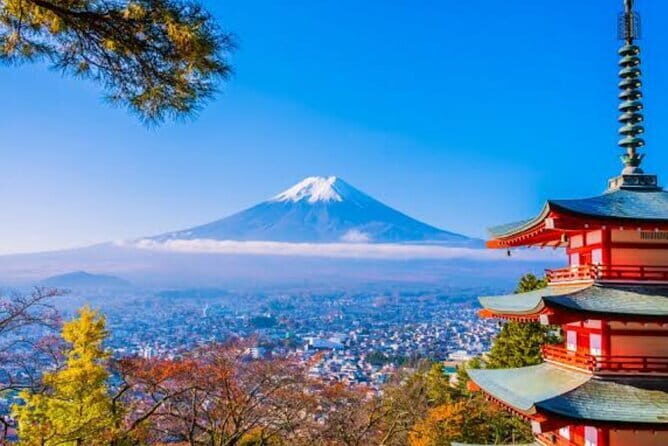
- Arakurayama Sengen Park to Chureito Pagoda: the classic viewpoint circuit
- Shrines with 1,000-year roots: Kitaguchi Hongu Fuji Sengen Jinja
- Mt. Fuji 5th Station: what 2,300 meters feels like
- Gotemba Premium Outlets: good for breaks, not just shopping
- Guides and comfort: why names matter on a day like this
- Price and logistics: when $360 per group makes sense
- Weather, crowds, and timing for an 8 to 10 hour plan
- Should you book this Mt. Fuji and Hakone-style private tour?
- FAQ
- How many people is this private tour for?
- How long is the Mt. Fuji and Hakone-style day trip?
- Is pickup from my Tokyo hotel included?
- Will I have an English-speaking guide?
- Is there WiFi and coffee/tea in the vehicle?
- Do I need to buy tickets for the stops?
- Where does the itinerary focus during the day?
- What happens if the weather is bad?
- Can I cancel for a refund?
Key highlights worth caring about
- Door-to-door comfort from Tokyo with hotel pickup and drop-off
- Fuji Five Lakes focus with multiple high-impact photo stops
- Oshino Hakkai ponds and Arakurayama views built into the route
- Chureito Pagoda area paired with nearby shrine time
- Mt. Fuji 5th Station at about 2,300 meters if weather allows
- Small private group (up to 3), so you can adjust timing on the fly
Private door-to-door from Tokyo: how the day stays easy
The biggest quality-of-life win here is simple: you don’t fight trains, transfers, and bus crowds just to see one of Japan’s most famous mountains. Your driver meets you with a vehicle, includes onboard WiFi, and keeps things moving in an air-conditioned car—useful even when the day is bright, because Japan’s weather can still swing fast.
Because it’s private, you can build your day around what matters to you: more time at lakeside overlooks, extra photo minutes at the famous pagoda viewpoint, or a slower pace if your group enjoys walking and stops. The tour is designed so the “when” and “how long” can be nudged during the day, which is exactly what I want on a trip like this.
If you’re the type who hates feeling herded, this format is the point. And if you’re the type who loves a smooth plan, it still helps—your driver handles the route and timing so you’re not bouncing between station names and bus schedules.
You can also read our reviews of more guided tours in Tokyo

Fuji Five Lakes day: Lake Kawaguchiko and Oishi Park photo stops
Lake Kawaguchiko is the kind of place where Mt. Fuji looks like it’s sitting on a postcard—still, you don’t want to treat it like a one-minute photo stop. You’ll get time to photograph the lake, take in the mountain backdrop, and watch the area’s resort energy without being stuck in a bus line.
I like that you’re also going early enough in many schedules to catch the clearer, calmer moments. Even on days when the mountain is partially obscured, the lake area still gives you something: misty views, textured water, and angles that can look dramatic rather than disappointing.
Next is Oishi Park, on the north shore, and it’s set up for exactly what you’re there for: Mt. Fuji plus lake views from the promenade. Seasonal flowers line parts of the path, so your photos won’t just be one “Fuji in the distance” frame. If you care about getting a variety of shots, you’ll appreciate having a dedicated time block rather than squeezing it between other stops.
A small practical tip: wear layers. The lakeside can feel cooler than the city, and that can matter when you’re standing around for photos and not moving much.
Oshino Hakkai ponds: cool water, old lava, and easy walking

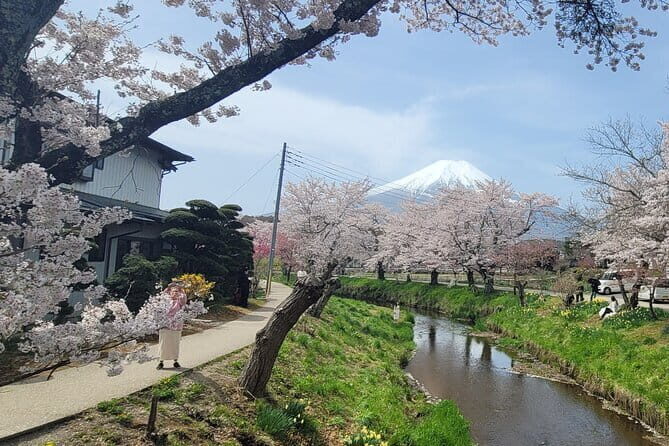
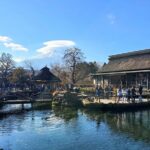
Oshino Hakkai is one of those places where you can feel the landscape shift from “resort views” into something more grounded and local. You’ll see eight ponds formed where the area’s sixth lake dried out—lava-filtered water that keeps flowing and gives the ponds a distinct, clean look.
This stop works well even if Mt. Fuji isn’t cooperating. The ponds themselves are the star, and you’ll still get a calm, scenic break during a long day. It also gives your legs a manageable walk compared with the more stair-and-viewpoint energy later.
If your group enjoys small, quieter attractions with clear sight lines for photos, this is a solid use of time. If you’re only interested in the biggest Mt. Fuji postcard angles, you might feel this is more of a mood stop than a peak visual stop—but the ponds are different enough to earn their place.
Arakurayama Sengen Park to Chureito Pagoda: the classic viewpoint circuit

Arakurayama Sengen Park is tied to the Arakura Sengen Shrine, a site with roots going back to the 9th century and associated with Shinto worship around Konohanasakuya-hime. That matters because you’re not just touring a photo spot—you’re stepping into a shrine area that explains why the viewpoint is where it is.
From there, you reach the Chureito Pagoda, the five-storied pagoda overlooking Fujiyoshida and Mt. Fuji in the distance. This is one of the most recognizable Fuji images in Japan, and it can be crowded in general city life—but with a private day and the ability to time your arrival, you’re often better positioned to enjoy it without feeling trapped.
You’ll want comfortable shoes. The route is not a long hike, but it is a climb with steps and viewpoints. If you’re traveling with older family members or anyone who gets winded easily, build in buffer time—this is one of the places where rushing kills the experience.
Also, keep your expectations flexible: on hazy days, the pagoda still looks great, but the mountain distance may look softer. The viewpoint is still worth the walk because the composition and angles stay interesting.
Shrines with 1,000-year roots: Kitaguchi Hongu Fuji Sengen Jinja
Kitaguchi Hongu Fuji Sengen Jinja Shrine is one of the more meaningful stops on this route. It’s described as originating over 1,000 years ago, built for protection from volcanic eruptions, and it’s become a key shrine network head with more than 1,300 Sengen and Asama shrines connected to it.
This is the type of stop I love on a day trip, because it gives you context for why Mt. Fuji is more than a photo. When you stand in and around a shrine like this, you start to understand the spiritual weight that has made Fuji a long-term pilgrimage landmark.
Time here is typically about an hour, which is enough to slow down without turning the day into a museum marathon. If you enjoy quiet spaces and cultural grounding, this stop helps balance out the more scenic, viewpoint-heavy parts of the day.
You can also read our reviews of more private tours in Tokyo


Mt. Fuji 5th Station: what 2,300 meters feels like
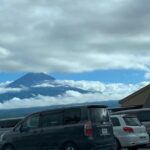
Mt. Fuji’s 5th Station sits around 2,300 meters above sea level and acts as the entry point for climbers. Your time here is often a chance to see the station area, soak up the scale of the mountain, and feel the weather shift—temps drop with elevation, and wind can pick up.
You should also plan for extra costs that don’t always show up in a basic plan. One family noted a vehicle entry fee of 2,800 yen for access with the vehicle into the station area, and they hadn’t expected it. That doesn’t mean it will happen to you every time, but it’s a good reminder to ask your driver what costs may apply once you reach the station.
Even when views are imperfect, the station still gives you a sense of place. It’s a rare chance to stand at a high point on the mountain without spending days climbing, and it adds a real “we went there” feeling to the day.
Gotemba Premium Outlets: good for breaks, not just shopping
Gotemba Premium Outlets is a pragmatic stop near Mt. Fuji, and it gives you a break from sightseeing. With over 200 stores, it’s not just a shopping detour—it’s often a chance to reset: coffee, snacks, a bathroom stop, or just time to sit while the vehicle is ready.
This part of the day helps manage energy. After multiple viewpoints and shrine areas, you may appreciate a flatter, easier stretch of time. If your group isn’t into outlets, you can still benefit by using it as a rest stop and timing your return to the mountain viewpoints based on weather.
In a private format, you can also adjust how long you stay here. If you want more time at Fuji, you can usually trade time from the outlet stop. If you want a meal and a shop browse, this is where it fits.
Guides and comfort: why names matter on a day like this
A private tour lives or dies by the driver. In the best versions of this experience, you feel like you’re working with a calm professional who can read the day and react to it.
I saw multiple strong guide mentions, including Tahseen, Moon, Riaz, Umer, Rana, Talal, and Ali. The common thread isn’t just friendliness—it’s smooth handling of timing and route choices. One guide, Ali, was praised for great photo results and food recommendations. Another driver, Umer, managed traffic hours and still hit key Fuji spots like Lake Kawaguchiko. And Riaz was described as arriving on time, then being patient while plans changed.
That flexibility is a real value add. Fuji weather, traffic, and light conditions can swing. A good driver doesn’t panic; they adjust.
One caution from an unhappy report: there was a case where communication didn’t land due to a poor phone connection, and the message was missed until the next morning. If you book, make sure your contact info is solid, and check messages regularly so nothing important slips.
Price and logistics: when $360 per group makes sense
At $360 per group (up to 3), this isn’t a budget tour. But it can be very good value if you compare it to the real cost of doing Fuji and Hakone-style sightseeing the hard way—multiple transit legs, taxis, and entry-point timing.
Because it’s private, the price is spread across your group, and you’re buying back time and stress. If you’re traveling as two or three people, the per-person cost can look much more reasonable than standard shared tours, and you’ll get the benefit of controlling the day.
Also, the inclusions matter for a long day: air-conditioned vehicle, English speaking driver, WiFi on board, and coffee/tea. Those little things add up when you’re away from your hotel for up to 10 hours.
If you’re the kind of traveler who enjoys a checklist approach, you may feel the itinerary already “knows where to go.” If you’re the kind who wants spontaneity, you’ll value the customizable pacing more—especially at the viewpoints where light and weather are everything.
Weather, crowds, and timing for an 8 to 10 hour plan
This experience requires good weather. If it’s cloudy, rainy, or otherwise poor, you may be offered a different date or a refund, which is the right kind of safety net for an attraction like Mt. Fuji.
Crowds are usually the other big factor for Fuji days. The private format helps you avoid the feeling of being trapped in a mass schedule. Still, popular viewpoints like the pagoda area can get busy in general, so you’ll want to rely on your driver’s timing and keep your expectations realistic.
Expect the day to feel full but not chaotic. The route includes lakeside time, ponds, shrine and pagoda viewpoints, a high-elevation station, and a practical stop near outlets. That mix works well for many travelers because it avoids only “one type” of experience.
If you want the mountain to be sharp in your photos, keep an eye on the sky and ask for adjustments if clouds shift. If you want comfortable pacing, tell your driver early what you’d rather prioritize.
Should you book this Mt. Fuji and Hakone-style private tour?
Book it if you want a low-stress Mt. Fuji day from Tokyo with door-to-door pickup, a small group vibe, and enough flexibility to linger where the views are best. It’s especially good for couples and small families who don’t want to spend a full day stitching together public transport and taxi rides.
Skip or reconsider if you’re traveling with strict timing and zero tolerance for weather changes. Mt. Fuji days depend on conditions, and you might not get the crispest views every time. Also, go in knowing that the station area can include extra on-the-ground fees related to vehicle access.
If you do book, I’d suggest confirming whether Hakone is actually included in your final route, since the planned stops focus strongly on Fuji Five Lakes and nearby sights. Then pack layers, keep your phone charged for communications, and be ready to trade a bit of schedule for the weather you get.
FAQ
How many people is this private tour for?
It’s a private tour for only your group, with up to 3 people per group.
How long is the Mt. Fuji and Hakone-style day trip?
The duration is about 8 to 10 hours.
Is pickup from my Tokyo hotel included?
Yes. Hotel pickup and drop-off are included.
Will I have an English-speaking guide?
Yes. The included driver is described as English speaking.
Is there WiFi and coffee/tea in the vehicle?
Yes. The vehicle includes onboard WiFi, plus coffee and/or tea.
Do I need to buy tickets for the stops?
The listed stops show admission ticket free. You may still want to ask about any extra fees that could apply at specific locations, such as vehicle entry costs.
Where does the itinerary focus during the day?
The planned route includes Lake Kawaguchiko, Oishi Park, Oshino Hakkai, Arakurayama Sengen Park with the Chureito Pagoda area, Kitaguchi Hongu Fuji Sengen Jinja, Gotemba Premium Outlets, and Mt. Fuji’s 5th Station.
What happens if the weather is bad?
The experience requires good weather. If it’s canceled due to poor weather, you’ll be offered a different date or a full refund.
Can I cancel for a refund?
Yes. You can cancel for a full refund up to 24 hours in advance, based on the experience’s local time.