REVIEW · TOKYO
Mount Fuji Full-Day Private Tour from Tokyo (Customizable)
Book on GetYourGuide →Operated by Travels on peak · Bookable on GetYourGuide
Fuji day trips can be a hassle. This one feels easier because it’s private, paced well, and built around classic views you can actually enjoy. I like the mix of big viewpoints with calm breaks, from the 2,300-meter Subaru 5th Station to Hakone’s lakes and ropeway scenery.
Two things I especially liked: the day’s structure keeps travel time from feeling like a chore, and the stops are chosen to give you multiple angles of Mount Fuji without the typical scramble. One thing to plan for: lunch isn’t included, and you’ll also need extra cash for entry fees and ride tickets (like the ropeway and pirate ship).
In This Review
- Key Points You’ll Care About
- Private Transport That Actually Saves Your Day
- Subaru 5th Station at 2,300 Meters: The Fuji View Most People Chase
- Oshino Hakkai: Eight Ponds, Calm Water, and Easy Walking
- Kitaguchi-hongu Fuji Sengen Shrine: Red Torii and 1,000-Year Cedar Shade
- Lake Kawaguchi and Oishi Park: Where You Time Your Photos
- Saiko Iyashi-no-Sato Nenba: A Village-Style Break Without the Rush
- Chureito Pagoda: Fuji Framed Like a Postcard
- Hakone National Park Day Part: Lake Ashi Cruise and Owakudani Views
- Price and Value: $116 for a Private Full-Day Route
- Guides and the Small Touches That Change the Mood
- What to Bring (and What to Skip)
- Who This Tour Fits Best
- Should You Book This Mount Fuji and Hakone Private Tour?
- FAQ
- How long is the Mount Fuji Full-Day Private Tour from Tokyo (Customizable)?
- What is the price per person?
- What areas can you be picked up from, and where can you be dropped off?
- What’s included in the tour price?
- What isn’t included?
- What languages are offered for the live tour guide?
- What should I bring, and is smoking allowed?
Key Points You’ll Care About
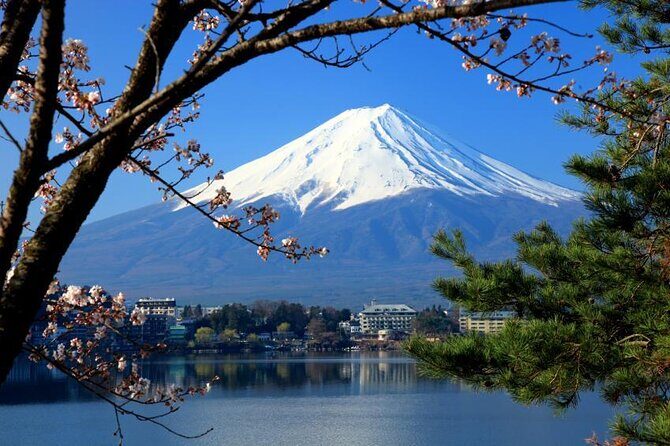
- Private pickup and drop-off with multiple base options (Tokyo, Fujiyoshida, Hakone)
- Subaru 5th Station (2,300 m) for panoramic crater-and-Fuji views plus shrine time at Tenjosan Komitake
- Oshino Hakkai eight ponds, formed from Mount Fuji’s melting snow, with time to stroll and shop
- Hakone National Park highlights including Lake Ashi and Owakudani ropeway viewpoints
- Chureito Pagoda framing for Fuji photos, especially in spring and autumn
- Extras to budget: lunch, Fuji 5th Station entry fees, and ropeway/pirate ship tickets
Private Transport That Actually Saves Your Day
The best part of a private tour isn’t just comfort. It’s control. You get an air-conditioned vehicle, a driver, bottled water, and hotel pickup and drop-off. That’s a big deal in Japan, where you can burn half a day just figuring out trains, transfers, and where to meet.
You also get practical flexibility with pickup and drop-off. Options include Tokyo, Fujiyoshida, and Hakone. So if you’re already staying closer to one side of the route, you’re not forced into a long one-way commute first.
Two quick “make it smooth” notes. First, smoking isn’t allowed in the vehicle. Second, you’ll wait about 5 minutes in the hotel lobby or at the pickup point, and the driver will contact you before coming over. Bring a little patience and a phone you can answer.
You can also read our reviews of more private tours in Tokyo


Subaru 5th Station at 2,300 Meters: The Fuji View Most People Chase
This tour centers on reaching Mount Fuji’s Subaru 5th Station, which sits around 2,300 meters above sea level. The payoff is the kind of open sky view that makes you understand why people travel for this mountain. You’re up high enough to look across the crater area, surrounding peaks, and—on clear days—distant views tied to the Fuji Five Lakes region.
You don’t just stop for 10 minutes either. You get about one hour for a break, photos, and sightseeing, plus time for shopping if you want souvenirs or snacks. Plan to stand where the view is best, not where the crowd blocks the angle.
Tenjosan Komitake Shrine is another highlight in this zone. It’s a great spot to slow down, look out, and enjoy unobstructed views toward Lake Yamanaka and Fujiyoshida City. If you’re the type who likes small moments in between big ones, this is that stop.
Budget warning that matters: Fuji Subaru Line 5th Station entry fees aren’t included, so you should expect to pay on the spot.
Oshino Hakkai: Eight Ponds, Calm Water, and Easy Walking
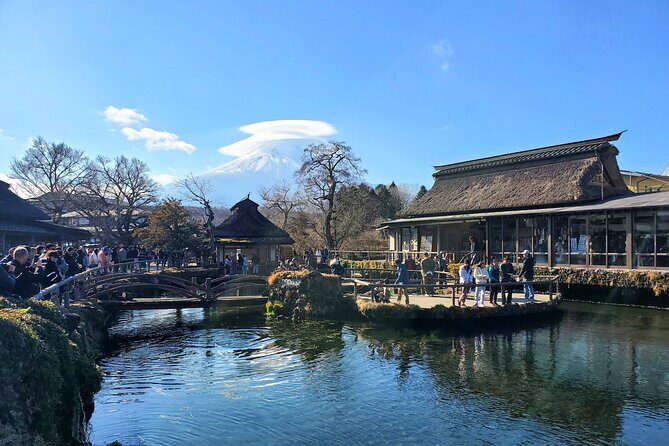
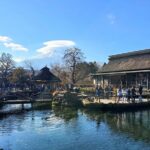
After the altitude and viewpoint time, you get a quieter reset at Oshino Hakkai. This is the village famous for eight ponds formed by melting snow from Mount Fuji. Instead of staring up at Fuji from above, you’re dealing with Fuji’s water coming down into a natural-feeling setting.
You’ll have about one hour here with time for a break, photos, visiting, and shopping. It’s a very “slow walk” kind of stop—cedar-scented air, stone edges, and that gentle murmur that makes it easier to enjoy the scenery without rushing to the next photo spot.
One practical tip: wear comfortable shoes. This area is manageable, but it’s still a walking day with multiple surfaces and stairs depending on where you wander.
Kitaguchi-hongu Fuji Sengen Shrine: Red Torii and 1,000-Year Cedar Shade
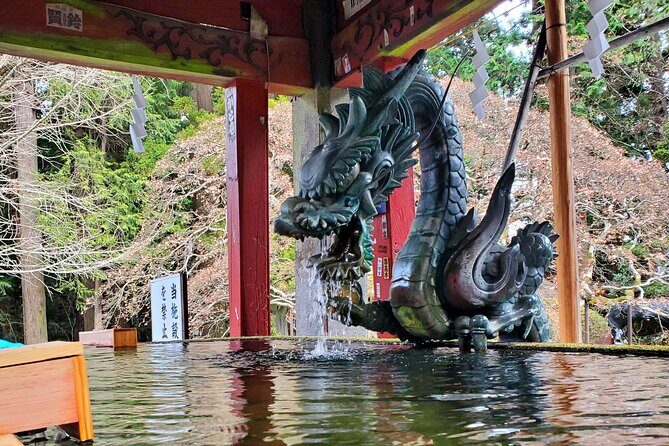
Next comes a very different side of Fuji: Kitaguchi-hongu Fuji Sengen Shrine. The standout feature here is the red torii gate, plus a peaceful atmosphere that feels far from the road-noise rhythm of city life.
What I like about this stop is the “pause button” effect. You step aside from the typical photo sprint and get shade under old cedar trees—described as more than 1,000 years old—lined with stone lanterns. Even if you don’t treat shrines like a checklist, the setting does something for your pacing. It helps you breathe.
The tour gives you about one hour, including a photo stop and time to visit. It’s not overly tight, so you can look, take a few pictures, and move on without feeling like you’re being chased.
Lake Kawaguchi and Oishi Park: Where You Time Your Photos
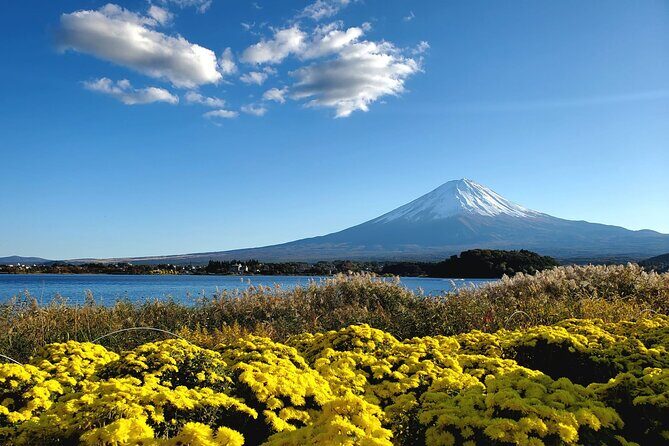
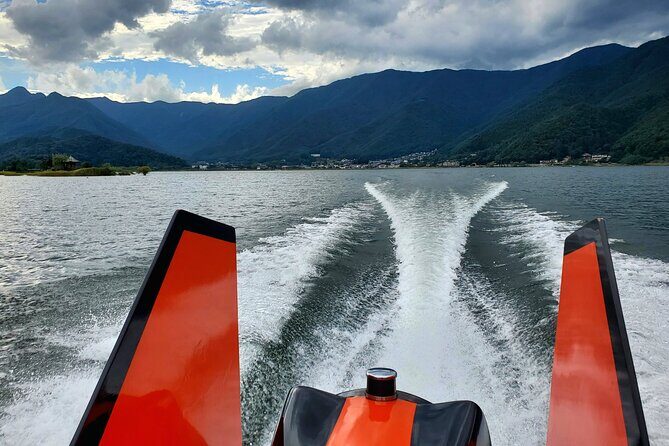
Then you swing back toward the classic Fuji-beside-water look at Lake Kawaguchi. You’ll get a break, photo stop, and sightseeing time, plus free time for walking and enjoying the views. You also may ride up via cable car on the way, with scenic views along the drive.
The emotional difference between this and the 5th Station is big. At altitude, Fuji feels like a crown over everything. Here, it becomes part of a composed scene—mountain shape, lake edge, and sky working together.
After Lake Kawaguchi, there’s Oishi Park. Expect more scenic driving and viewpoints, again with about one hour. This is a useful stop because it gives you a second look at Fuji reflections and the wider lake-area framing.
If you care about photos, here’s how you can get more satisfaction from less effort. Treat these as “view passes,” not single-photo stops. Walk a little. Pause longer than you think you need. Fuji rewards patience.
A few more Tokyo tours and experiences worth a look

Saiko Iyashi-no-Sato Nenba: A Village-Style Break Without the Rush
Between the bigger photo anchors, you get Saiko Iyashi-no-Sato Nenba. The name signals you’re heading into a village-style experience, and the tour keeps it relaxed: break time, photo stop, visiting, and then free time and shopping.
You’re given about one hour here. That timing matters because it breaks the day into manageable blocks. By now, you’ve climbed up high, looked at water, and visited shrines. A less intense stop helps you recharge before you chase more Fuji framing.
Even if your shopping style is minimal, free time is where you can grab a snack, use the restroom without stress, and take a breath before the next viewpoint.
Chureito Pagoda: Fuji Framed Like a Postcard
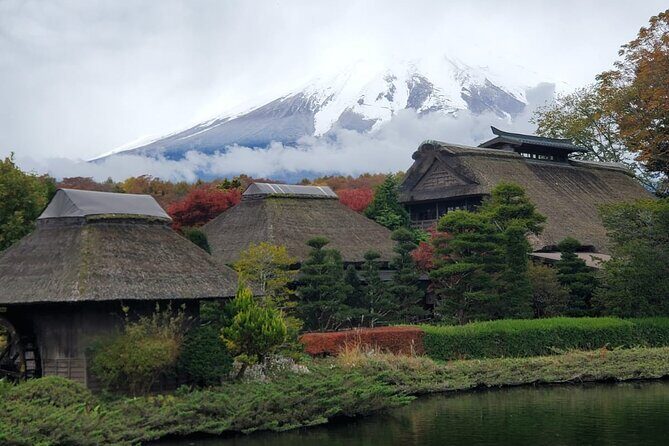
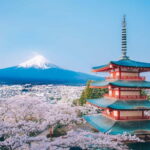
One of the strongest photo stops on the route is Chureito Pagoda in Fujiyoshida. This is a striking five-story pagoda located in Arakurayama Sengen Park. The best part is how Mount Fuji can appear framed behind it.
This is the type of spot where timing really matters. The tour notes that it’s especially photogenic during cherry blossom season and also in autumn foliage. Even when it’s not peak season, the pagoda and Fuji pairing remains the whole point.
You’ll have about one hour for break time, photo stops, visiting, and a walk. If you want a calmer experience, aim to find a spot slightly away from the busiest angles and let your eyes adjust to the composition.
Hakone National Park Day Part: Lake Ashi Cruise and Owakudani Views
A full-day Fuji-and-Hakone plan makes sense because these regions feel totally different. Fuji is about altitude and iconic angles. Hakone is about volcanic energy and lakes that look like they were painted for tourism brochures.
In Hakone, you’ll have time for a scenic cruise on Lake Ashi, often described as the most beautiful lake in Hakone. The water is framed by the mountains of Hakone National Park, and Mount Fuji can show up depending on the day.
You’ll also ride a gondola/ropeway option associated with Hakone’s big ropeway experiences. This is part of the route toward Owakudani Valley, where you can get panoramic views of the volcanic scene. Again, the important practical note: ropeway ride and pirate ship ride tickets aren’t included, so plan to budget for those separately.
If you’re the type who only does one “big attraction,” make it this Hakone portion. It’s the part of the day where you switch from classic Fujiyoshida views to something more dramatic and atmospheric. Hot springs are part of Hakone’s reputation too, but the tour’s focus is on scenic lakes, volcanic valley viewpoints, and ropeway travel.
Price and Value: $116 for a Private Full-Day Route
At $116 per person for a 10-hour private day, the value comes from what’s included—not just the sites. You’re paying for hotel pickup and drop-off, air-conditioned transportation, a driver, bottled water, fuel surcharge, parking fees, and highway tolls.
That matters because it removes the hassle tax. Instead of renting or coordinating multiple rides, you get one plan with stops that are spaced for a full day rather than a sprint.
The day still has add-on costs, though, and you should treat those as part of budgeting:
- Lunch (not included)
- Fuji Subaru Line 5th Station entry fees
- Ropeway and pirate ship tickets
So the smartest move is to bring enough cash and keep some spending flexibility. Comfortable shoes help too, because the day has multiple walking segments.
Guides and the Small Touches That Change the Mood
This tour includes a live tour guide with English, Japanese, or Hindi. In recent experiences shared for this service, guides like Fahdi and Yousaf were praised for being punctual, knowledgeable about the area, and good at making first-timers feel at ease. Other guides such as Shaon Khan and Ali were noted for smooth communication in English and keeping the ride comfortable.
Even when you’re not chasing expert explanations, having a guide makes a difference. You spend less time wondering where to stand for photos and more time enjoying the views.
And that is the real goal for a Mount Fuji day: you want the day to feel calm enough that you remember it later.
What to Bring (and What to Skip)
This is not a “tough hike” style day, but it is a full day outdoors and on your feet. Bring:
- Comfortable shoes
- Comfortable clothes
- Cash for the extra fees and tickets
Skip smoking in the vehicle. Also, keep in mind the tour isn’t suitable for people over 95 years. If that age range is relevant for your group, it’s worth checking before booking.
Who This Tour Fits Best
This works well if you want a Fuji-and-Hakone day without the mental overhead of planning routes, timing trains, and finding pickup points. Private tours are especially helpful when:
- It’s your first time in Japan and you want fewer moving parts
- You want a calm pace with time for photos and breaks
- You prefer learning from a guide rather than relying on apps all day
It’s also a good fit for families, because the itinerary includes structured time at each stop rather than leaving you to “guess” how long to stay.
If you’re traveling super-light and hate paying extra for rides and entry fees, you might want to compare what you’d spend anyway on your own day. The tour is still good value, but it’s not a box-and-skip package.
Should You Book This Mount Fuji and Hakone Private Tour?
If your goal is a full day that hits the big Fuji moments (like Subaru 5th Station and Chureito Pagoda) plus the Hakone scenery (like Lake Ashi and ropeway viewpoints), this tour is a smart choice. The private transport and pickup options reduce friction, so the day feels like sightseeing instead of logistics.
I’d book it if:
- You want hotel pickup/drop-off and one coordinated plan
- You’re okay budgeting for lunch and the ride/entry add-ons
- You value having a guide in English, Japanese, or Hindi to help you get more out of each stop
I’d think twice if:
- Your group wants everything included with no extra tickets
- You’re very sensitive to costs like ropeway/pirate ship tickets and Fuji 5th Station entry fees
- Mobility needs make a full day of sightseeing hard (especially since it’s not suitable for ages over 95)
FAQ
How long is the Mount Fuji Full-Day Private Tour from Tokyo (Customizable)?
It runs for 10 hours.
What is the price per person?
The price is $116 per person.
What areas can you be picked up from, and where can you be dropped off?
Pickup options include Fujiyoshida, Tokyo, and Hakone, and drop-off options include Fujiyoshida, Hakone, and Tokyo.
What’s included in the tour price?
Included are hotel pickup and drop-off, air-conditioned transportation, a driver, bottled water, fuel surcharge, parking fees, and highway tolls.
What isn’t included?
Not included are lunch, Fuji Subaru Line 5th Station entry fees, and ropeway ride and pirate ship ride tickets.
What languages are offered for the live tour guide?
The live tour guide is available in English, Japanese, and Hindi.
What should I bring, and is smoking allowed?
Bring comfortable shoes, comfortable clothes, and cash. Smoking is not allowed in the vehicle.