REVIEW · TOKYO
Mt Fuji, Takayama, Nagano Private Tour w Local guide/photographer
Book on Viator →Operated by Japan Experiences · Bookable on Viator
Big views, tight planning, and a camera-first mindset. This private tour is guided by Kye, a Japan-born half-Australian semi-pro photographer who keeps things moving with jokes and practical photo advice. You get a local perspective on the sights, plus help smoothing out the confusing parts of Japan so you spend less time figuring stuff out and more time seeing.
Two things I like right away: the photography-focused approach at key spots like Mount Fuji, and the comfort of a private, air-conditioned ride (a 2023 Toyota Land Cruiser Prado, with a luxury van option). The small-group setup (up to 4) also means you can ask questions and adjust on the fly when light or crowds don’t cooperate.
One possible drawback: the schedule is packed, and not everything has tickets included. Meals aren’t included, and several attractions have admissions not included (like the snow monkeys and other Nagano-area stops), so you’ll want to budget time and money for those.
In This Review
- Key highlights that matter
- Meet Kye: the photographer guide who keeps it human
- Price and logistics: what you’re really paying for
- Private ride details: Prado comfort and WiFi help more than you think
- Day 1: Mount Fuji photo time, then Kyoto Prefecture and Sapporo
- Day 2: Osaka’s big energy, Takayama’s calm history, and Okinawa air
- Day 3 in Nagano: snow monkeys, Zenko-ji, and winter towns
- Hakuba, Shiga Kogen, and the seasonal logic of this tour
- Soba and sake stops, plus Matsumoto Castle inside access
- Where this tour fits best (and who should skip it)
- The value verdict: when the cost feels worth it
- Should you book Mt Fuji, Takayama, Nagano with Kye?
- FAQ
- FAQ
- How long is the tour?
- Where does the tour start and end?
- Is pickup offered?
- What vehicle is used for the tour?
- Is WiFi provided during the tour?
- Are meals included?
- Are admission tickets included for the snow monkey area and other attractions?
- Is this a private tour?
- Is the booking refundable if I cancel?
Key highlights that matter
- Kye the photographer guide: camera-minded guidance and local jokes that keep the day from feeling like a checklist
- Private comfort: pickup, WiFi onboard, and a 2023 Prado (or a larger luxury van option) for relaxed pacing
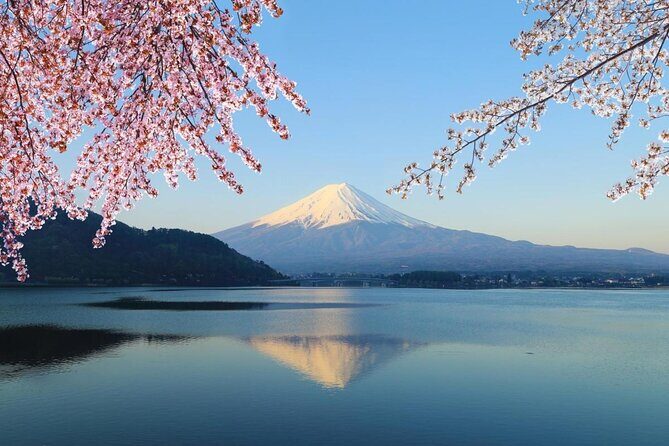
- Mount Fuji photo spots: multiple viewpoints meant for real photography time, not just a glance
- Takayama’s calmer vibe: a heritage town feel often compared to Kyoto, but with less crowd pressure
- Nagano set pieces: Jigokudani snow monkeys, Zenko-ji, plus winter-town options and food stops
Meet Kye: the photographer guide who keeps it human
This kind of tour lives or dies on the guide. Here, that’s Kye. He’s a Japan-born half-Australian semi-pro photographer, and you can feel the difference between someone who just points and someone who thinks in angles, timing, and composition. He’s also quick with a joke, which matters because long days can get tense when you’re trying to manage transit, tickets, and photos at the same time.
What you’ll likely enjoy is how the tour doesn’t feel like you’re trapped behind a bus window. The private format means you can ask practical questions as you go: where to stand for the best view, what to do if clouds roll in, or how to work around the fact that Japan can be surprisingly strict and busy at the wrong moments.
Also, there’s a subtle but important theme here: zero-stress planning. Japan is wonderful, but it can be a maze if you’re moving fast. Having someone local doing the routing, ticket flow, and on-the-ground timing makes a huge difference, especially when you’re juggling multiple regions.
You can also read our reviews of more guided tours in Tokyo

Price and logistics: what you’re really paying for
The price is listed as $39,021.51 per group (up to 4) for about 3 days. That’s not a cheap trip in any traditional sense. But with private guiding and a dedicated vehicle for the whole run, it starts to make sense if you split it across four people and you value having someone handle the logistics.
Think of it like this: you’re paying for time, comfort, and less friction. You’re not just buying viewpoints. You’re buying someone to:
- pick you up (pickup is offered) and move you efficiently by car
- keep you fed with WiFi onboard and basic comfort (air-conditioned vehicle)
- manage a private itinerary that’s hard to assemble on your own across multiple regions
One key consideration: some costs are not included. Meals are not included, and several admissions are specifically marked as not included (including the snow monkeys and a handful of other stops). Also, fuel and tolls aren’t included. So when you budget, treat the listed price as the base for transport + guiding, then add food and entrance fees.
Private ride details: Prado comfort and WiFi help more than you think
You’re traveling in a standard car listed as a 2023 Toyota Land Cruiser Prado, with an option for a Japanese luxury van if you want extra space. Either way, this is a big deal for a tour like this, because the schedule includes long days with multiple stops and time allotted for transportation.
Two practical perks:
- WiFi onboard: helpful for maps, ticket confirmations, and last-minute plan tweaks
- Air-conditioned vehicle: a real comfort saver when Japan’s weather doesn’t cooperate
If you’re the type who wants to edit photos later in the day or quickly look up train/bus alternatives as a backup, onboard WiFi reduces stress. And because it’s a private tour, you’re not stuck with strangers moving at a different pace.
Day 1: Mount Fuji photo time, then Kyoto Prefecture and Sapporo
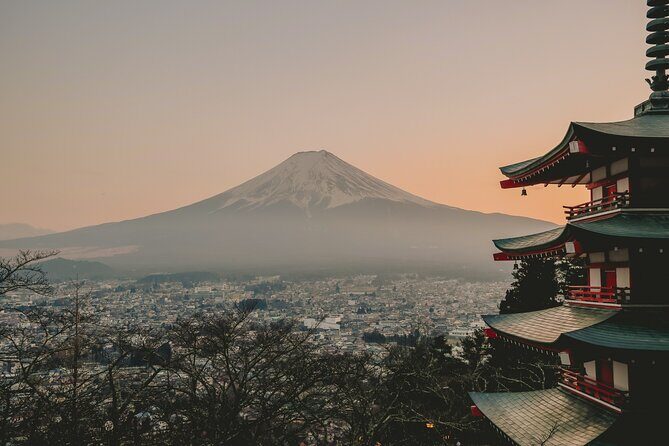
Day 1 starts with Mount Fuji. The plan is to enjoy the view from several photo spots, with about 1 hour set aside there and admission ticket marked free. This is exactly the kind of timing I like for a first day: enough time to take multiple shots, not just “arrive, snap, leave.” Fuji views can be hit-or-miss with weather, so having multiple viewpoints helps.
A smart way to use that hour is to think like a photographer. Don’t burn your best angles immediately. Start with a safe composition, get your bearings, then adjust based on how the light changes across the session. If visibility is decent, you’ll feel why Fuji is so famous. If it’s a bit hazy, you’ll still come away with usable images and a better sense of how to frame the mountain.
After Fuji, the itinerary includes Kyoto Prefecture for about 1 hour, then Sapporo for another hour. Here’s how to think about it: this day is built as a sampler of big-name Japan regions rather than a deep, slow immersion in one city. You’ll get quick context, sights, and food or atmosphere cues, but you shouldn’t expect a full-day city experience from these stops.
Possible benefit: your eyes get lots of variety early. Possible downside: if you’re the type who likes to spend time walking neighborhoods for hours, you may wish the day were less “move-move-move.” That’s the trade with a private, multi-region plan.
Day 2: Osaka’s big energy, Takayama’s calm history, and Okinawa air
Day 2 starts in Osaka. The entry is described as experiencing Japan’s most thrilling theme park, with about 7 hours and admission ticket free in the outline. That’s a massive block of time, and it signals that Osaka is treated as a main event on this day, not a quick photo stop.
If you’re coming for rides, you’ll appreciate having the time budget. If you’re coming for photos, you can still get great shots, but you’ll want to manage timing around lines and opening hours at the park level. Either way, Osaka is the kind of place where the energy can be fun, especially after a first day that’s more about scenery.
Then you go to Takayama for about 1 hour. This is where the tour starts feeling more grounded. Takayama is described as a rural town north of Nagoya, often compared to miniature Kyoto, and known for a ton of history. What I love about including Takayama here is the balance: you get a break from oversized city crowds and a chance to slow your pace just a bit.
The other plus is authenticity. Takayama is Kye’s hometown, so you’re not just being shown tourist highlights. You’re getting local reality cues: what the streets feel like, what the town rhythm is, and how to experience it without turning it into a museum run.
Finally, the itinerary lists Okinawa Prefecture as a 1-hour stop. Okinawa is known for beach resort vibes and a different feel from the rest of Japan. In a short stop, your best move is to treat it like an atmosphere break: soak in the mood, look for regional food cues if available, and use the time to reset.
One consideration: moving between such different regions in one day is a big logistics ask. The tour does note that remaining hours are allotted for transportation, but you should still expect long periods where the car is doing the heavy lifting.
You can also read our reviews of more private tours in Tokyo
Day 3 in Nagano: snow monkeys, Zenko-ji, and winter towns
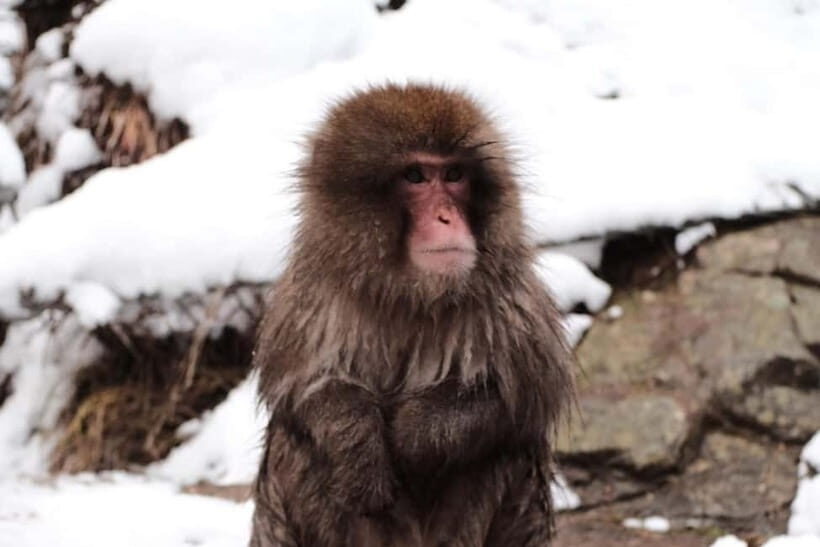
Day 3 is the most Japan-specific and nature-focused, and it starts with Jigokudani Yaen-Koen, the snow monkey area. It’s listed as 2 hours, and admission is not included. This is the main event, and the reason is simple: you’re watching Japanese macaques in a semi-natural habitat, with the added twist that the place is called Hell Valley (Jigokudani literally translates that way).
Here’s how to make this time worth it:
- Go with patience. Wildlife doesn’t schedule itself for your perfect photo.
- Take your wide shots first, then zoom in for behavior.
- If it’s cold (and it usually is in snow-monkey season), dress like you’re waiting outside longer than you think.
Next is Chausuyama Zoo for 1 hour, with red pandas mentioned and admissions not included. If you’ve already invested in the snow monkey time, this can feel like a “why not” stop that adds variety without requiring another major travel day. Just keep your expectations realistic: zoos are still walking paths and viewing, not a full safari.
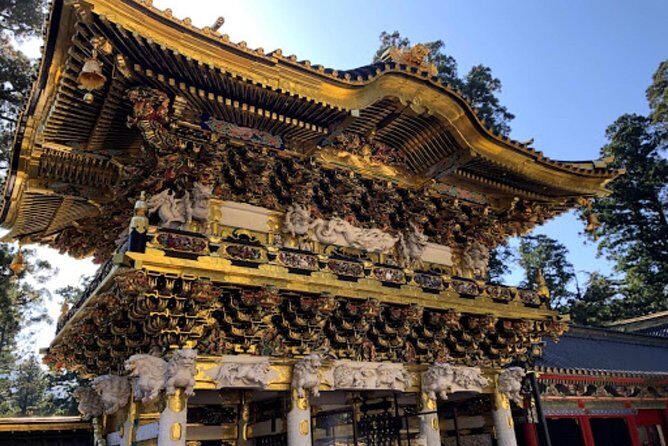
After that you head to Zenko-ji. The itinerary mentions a traditional temple experience for about 1 hour, plus an elegant traditional path leading to Zenko-ji for another 1 hour. Zenko-ji tends to feel calmer than many Tokyo landmarks, and having extra time for the approach path is a good move because the entry experience is part of the mood.
Why these stops work together is that they give you both sides of Nagano: nature and quiet spirituality.
Hakuba, Shiga Kogen, and the seasonal logic of this tour
The itinerary continues with Hakuba Goryu Ski Resort / Alpine Botanical Garden (2 hours) and Shiga Kogen (1 hour), both with admissions not included. There’s also a note that these are purely winter attractions. That matters for timing: this tour appears designed with snow-season interests in mind.
If you’re visiting in winter, this is great because Hakuba and Shiga Kogen are known for powder-snow style winter experiences. The plan also notes Hakuba is only about 2 hours’ drive from the snow monkeys, which helps make the route feel logical rather than random.
If you’re visiting outside winter peak, you’ll want to clarify what’s open. The itinerary calls these winter attractions, so your experience will depend heavily on season conditions. But the upside is that even in cold months, the day gives you more than one kind of winter memory.
Soba and sake stops, plus Matsumoto Castle inside access
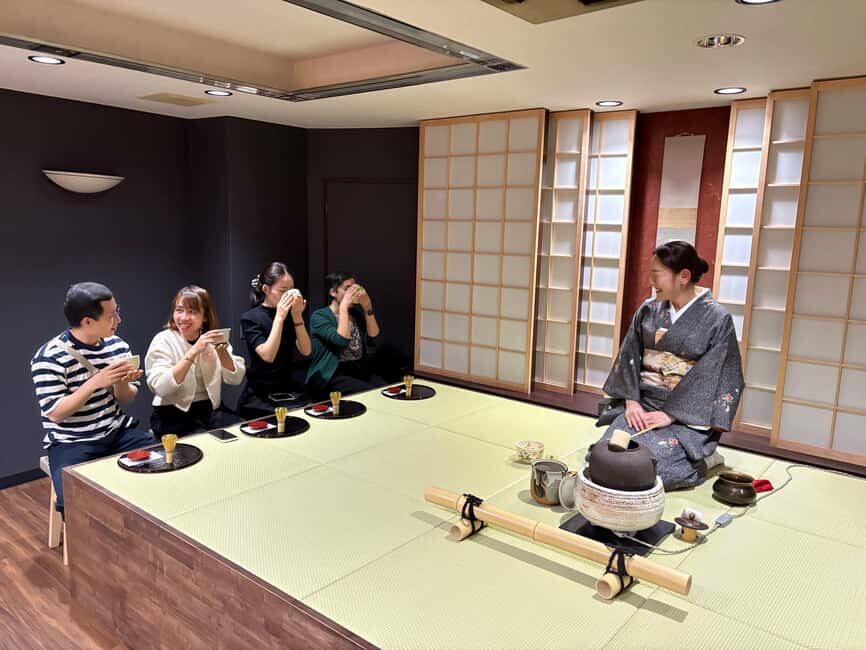
After the winter areas, you get a food-and-culture angle that turns the day from scenery into something you can taste. The tour includes Togakushi Soba Museum Tonkururin (2 hours) where you learn traditional Japanese soba from scratch, with admissions not included. This kind of stop is valuable because it turns Japan from something you look at into something you do.
Then there’s Endo Sake Brewery for 1 hour with tastings, admissions not included. Sake tastings work best when your expectations are flexible. Even if you don’t become a sake expert, you’ll likely leave with a better sense of how local makers think about flavor and brewing styles.
Finally, the day ends at Matsumoto Castle (1 hour) described as one of Japan’s treasured castles and included in the sense that you can go inside. Admissions are not included in the outline, but the inside access is a big deal because castles in Japan can vary a lot in how much you can actually enter.
Matsumoto has a strong feel on its own, and pairing it with the earlier Zenko-ji time creates a neat contrast: religion and tradition on one hand, feudal-era architecture on the other. It’s a good way to see different layers of Japanese history without cramming them into one confusing stop.
Where this tour fits best (and who should skip it)
This tour makes the most sense if you:
- want private guiding and a dedicated photographer-minded local (Kye)
- like a structured itinerary that still gives space for photo time
- can handle a packed schedule and travel between very different regions
- are traveling as a small group of up to 4 and want to share the private cost
You might want to skip it if you:
- want a slow, single-region trip where you wander neighborhoods all day
- hate paying extra for multiple admissions and want everything bundled
- prefer highly flexible days with no set stop order
Also, because several attraction tickets are not included, you’ll want to decide early how you’ll handle entrances for snow monkeys, the zoo, winter stops, soba, sake, and the castle.
The value verdict: when the cost feels worth it
This is expensive on paper, so the question is simple: does it save you enough time and hassle to justify the private price?
In my view, it can. The combo of private vehicle + pickup + WiFi + a photographer guide is exactly what helps when Japan feels complicated. Instead of spending your mental energy on logistics, you’re spending it on photos, food experiences, and seeing Fuji and Nagano highlights with less friction.
If you’re the kind of traveler who wants to hire a guide for only one city, this may feel like overkill. But if you want one person coordinating multiple iconic stops while you focus on getting the best experience (and the best shots), this format is built for you.
Should you book Mt Fuji, Takayama, Nagano with Kye?
If you book, book it with the right mindset. This is a private, multi-stop plan with photo time and several hands-on culture moments (especially soba and sake), wrapped in a comfortable ride and guided by Kye. It’s best for small groups who want convenience and don’t mind adding entrance fees and meals on their own.
If you want a relaxed, single-city journey, pick a slower itinerary instead. But if you want Fuji views, Takayama’s calmer town feel, and Nagano’s snow monkeys plus Zenko-ji and castle time, this is the kind of tour that makes those memories easier to stitch together.
FAQ
FAQ
How long is the tour?
The duration is listed as about 3 days.
Where does the tour start and end?
It starts in Tokyo, Japan, and ends back at the meeting point.
Is pickup offered?
Yes. Pickup is offered.
What vehicle is used for the tour?
The standard car is a 2023 Toyota Land Cruiser Prado. A Japanese luxury van is available as an option if you want extra space.
Is WiFi provided during the tour?
Yes, there is WiFi on board.
Are meals included?
No. Meals are not included.
Are admission tickets included for the snow monkey area and other attractions?
Not all admissions are included. For example, admission for Jigokudani Yaen-Koen (snow monkeys) is not included, and several other stops also list admission as not included.
Is this a private tour?
Yes. It is a private tour/activity, and only your group participates.
Is the booking refundable if I cancel?
No. This experience is non-refundable and cannot be changed for any reason.