REVIEW · TOKYO
Muslim Friendly Mt. Fuji Tour with Halal Lunch and Prayer Time
Book on Viator →Operated by JTB Global Marketing & Travel Inc. · Bookable on Viator
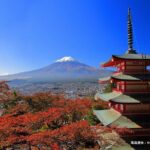
Mt. Fuji feels closer when prayer and lunch are sorted. This 11.5-hour Tokyo day trip is built around a Muslim-friendly route: scenic Mt. Fuji area viewpoints, a Lake Kawaguchi mosque stop, and halal lunch timed with designated prayer windows.
I like two things a lot. First, the schedule makes room for worship at Fuji Kawaguchiko Masjid (Dhuhr time allotted) and again at Saiko Iyashi no Sato Nenba, so you’re not hunting for spaces on the fly. Second, the tour runs with an English-speaking guide and licensed interpreter support, which helps you understand what you’re seeing—not just where you’re going.
One thing to keep in mind: Mt. Fuji may not show clearly. The weather can hide the mountain, and the tour notes that this won’t be refunded—so I’d come for the whole day’s experience, not only for a perfect “Fuji postcard” view.
In This Review
- Key highlights that make this tour work
- Tokyo to Lake Kawaguchi: the day starts structured (and that matters)
- Meeting point reality: timing, mobile ticket, and group vibe
- Fujiyama Twin Terrace: great when Fuji shows, still worth it when it doesn’t
- Itchiku Kubota Art Museum (and why an art stop fits a nature day)
- Lake Kawaguchi’s only mosque stop: prayer time that actually fits the schedule
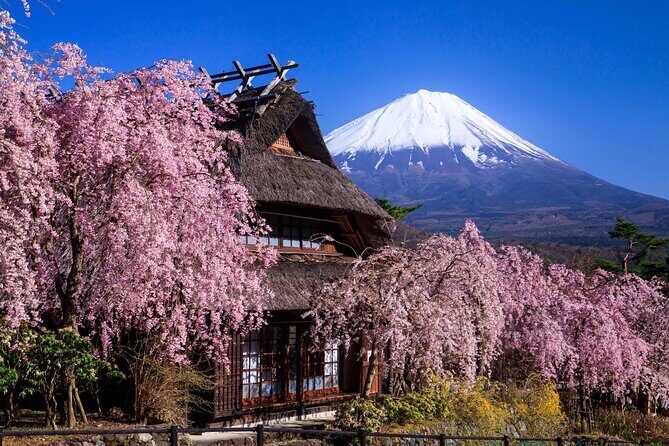
- Saiko Iyashi no Sato Nenba: thatched-roof Japan plus a second prayer window
- Timing, weather swaps, and why the itinerary feels flexible
- Price and value: what you’re really paying for at $137.94
- How the guide support can change your day
- Practical packing list (based on what can trip people up)
- Who this tour is best for
- Should you book this Muslim-friendly Mt. Fuji tour?
- FAQ
- How long is the Mt. Fuji tour from Tokyo?
- What’s included in the price?
- Does the tour have prayer time for Muslims?
- Are prayer mats provided?
- Can the tour include seasonal alternatives if Mt. Fuji views are blocked?
- Is Mt. Fuji guaranteed to be visible?
Key highlights that make this tour work
- Two scheduled prayer windows at the mosque and at Saiko Iyashi no Sato Nenba
- Halal-certified bento lunch by Lake Kawaguchi with water included
- English-speaking guide support plus interpreter help for context and explanations
- Seasonal routing for Fujiyama Twin Terrace with sensible alternatives if weather or safety conditions affect views
- Air-conditioned round-trip charter bus from Takanawa Gateway Station
- Small group size (max 25) for easier coordination around prayer timing
Tokyo to Lake Kawaguchi: the day starts structured (and that matters)
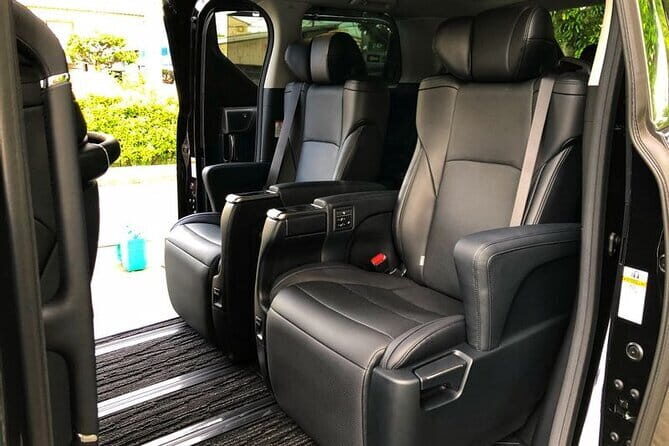
This is a full-day, single-route trip out of Tokyo. You meet at Takanawa Gateway Station (2 Chome-1 Konan, Minato City) at 7:20 am, then head toward the Mt. Fuji/Lake Kawaguchi region by air-conditioned bus. The total duration is about 11 hours 30 minutes, ending back at the same station.
What you get from this setup is simple: you spend your time enjoying the region, not planning transit. The tour includes round-trip bus transportation, admissions, and an English-speaking guide, so you can focus on the views, the culture, and the timing of your day around worship.
If you’re the type who hates last-minute logistics—finding halal food, guessing where a prayer room might be, timing it all around buses—this tour does a lot of the thinking for you. That value shows up again and again at the stops.
A few more Tokyo tours and experiences worth a look

Meeting point reality: timing, mobile ticket, and group vibe
The meeting point is clear, and the tour uses a mobile ticket, which is useful if you don’t want to juggle paper receipts while traveling. The tour ends at Bus Stop 1, Transportation Square, 1F of Takanawa Gateway Station.
You’re in a group with a maximum of 25 travelers, which keeps the day feeling coordinated. In a larger crowd, prayer timing can get awkward fast. Here, the day is built to flow: the guide helps you with transitions, and the schedule gives you real time for the important moments.
One small detail that can help: at the meeting station area, there’s noted to be a prayer room available. If you want to pray Maghrib there, you should tell the guide. That’s the kind of planning that can save stress later.
Fujiyama Twin Terrace: great when Fuji shows, still worth it when it doesn’t
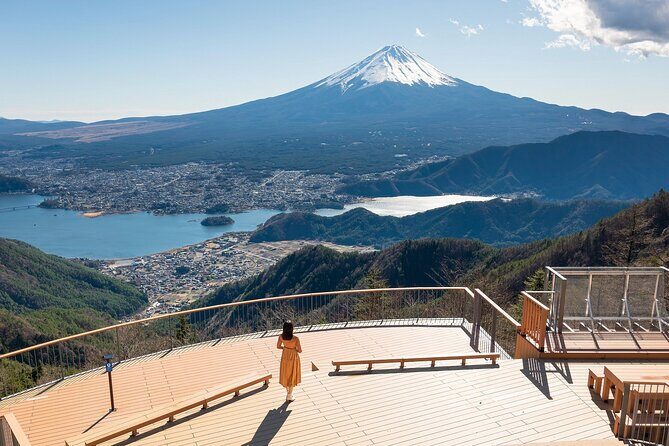
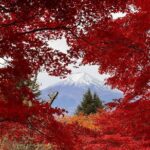
Fujiyama Twin Terrace is the viewpoint that aims for the classic Mount Fuji sightlines. This stop runs for May–November tours. The tour is designed so you transfer to a shuttle bus to reach the terrace area, then enjoy about 1 hour there with the goal of unobstructed views.
Here’s the honest part: weather controls the mountain. The tour notes that Mt. Fuji might not be visible in its entirety, and the trip won’t be canceled for that reason. So if you’re a perfectionist about the mountain silhouette, plan to be flexible. Still, the terrace moment is about more than one photo—it’s the feel of the place. When Fuji is hidden, you still have fresh air, a sense of season, and the Lake Kawaguchi region’s atmosphere.
Also watch the seasonal “backup” logic. For May–November, there are circumstances like falling-rock concerns on a forest path or inclement weather where the company may guide you to an alternative location. Those alternatives include Fugaku Wind Cave, Narusawa Ice Cave, or sometimes looping back to Itchiku Kubota Art Museum. In practice, that means your day doesn’t fall apart if the terrace route changes.
Itchiku Kubota Art Museum (and why an art stop fits a nature day)
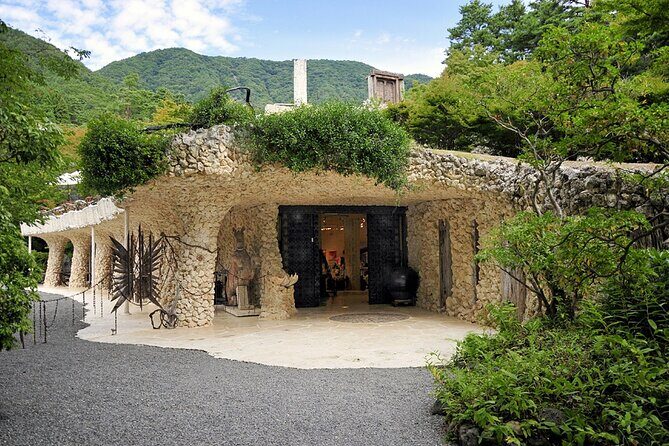
This is the seasonal artistic counterpart to the Mt. Fuji viewpoints. For January–April tours, you visit Itchiku Kubota Art Museum (about 1 hour), placed at the foot-of-Fuji area with views over Lake Kawaguchi. The tour highlights it as a great location overlooking the water and mountain region.
The key practical point: this museum stop can stay in the plan even during inclement weather in January–April tours, as long as it’s open. So if you’re traveling in colder months when visibility is unpredictable, an interior cultural stop helps you keep the day moving.
Why you’ll likely enjoy it: it’s a calmer pause from outdoor walking. When Fuji clouds up, art and architecture give your day structure. And when you do have clear weather, the setting adds that “this is real” feeling—like the museum and the landscape belong together.
Lake Kawaguchi’s only mosque stop: prayer time that actually fits the schedule
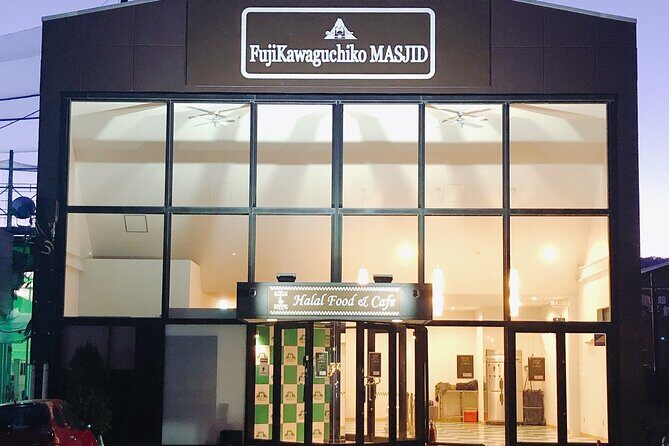
This is the heart of why the tour is worth considering for Muslim travelers.
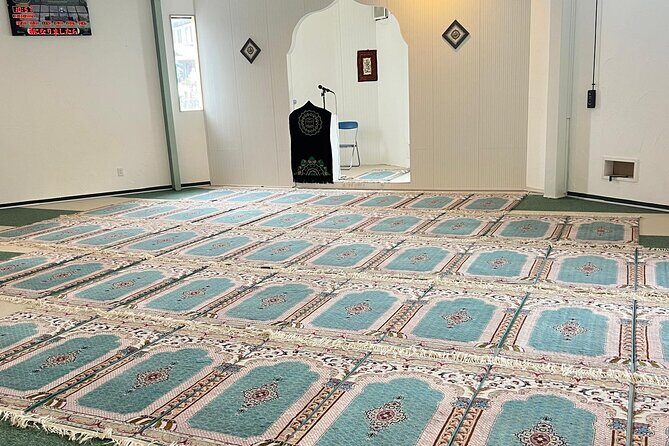
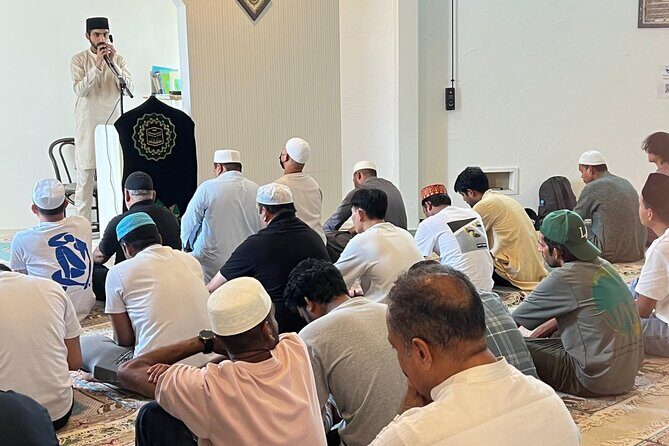
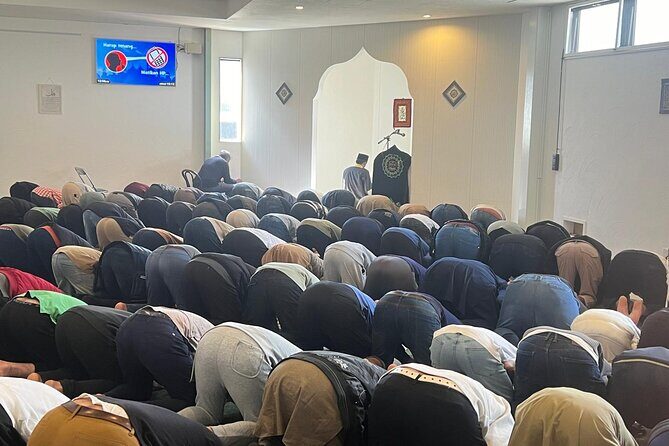
The Fujikawaguchiko Masjid (富士河口湖マスジド) stop is specifically framed as a gathering place in the Lake Kawaguchi area. The tour gives time for Dhuhr here. The important practical notes are spelled out:
- Prayer mats are provided at the mosque.
- There’s time to use prayer wear if you bring it.
- You also get your Halal lunch and water during this section of the day by the shore of Lake Kawaguchi.
You’re looking at a real-world advantage: you’re not trying to force a meal and worship schedule together at random. The tour ties them to a location where worship is already understood. That reduces anxiety and helps the day feel respectful rather than improvised.
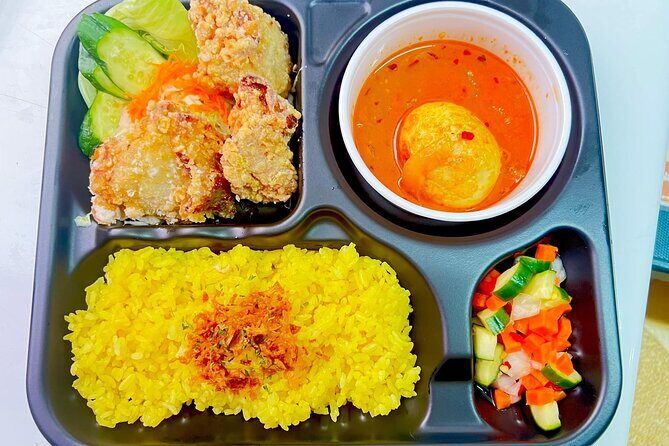
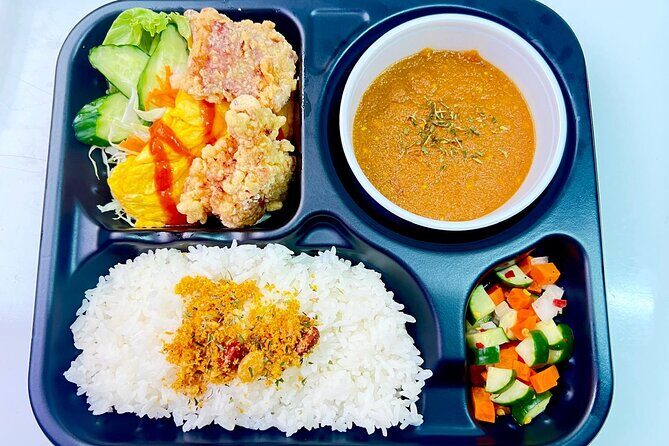
Lunch details matter for value. You get a Halal-certified bento box and water. The tour also states that allergy-friendly meals, gluten-free meals, and similar alternatives aren’t available. If you need special diets, you should plan ahead and think carefully about whether the bento option matches your needs.






Saiko Iyashi no Sato Nenba: thatched-roof Japan plus a second prayer window
After the mosque and lunch, the day shifts to tradition and calm.
Saiko Iyashi no Sato Nenba is a peaceful village setting known for thatched-roof houses. You’ll spend about 1 hour 30 minutes here, walking along the roads and listening to the sounds of the stream.
This stop is not only for sightseeing. The tour includes a second allotted prayer time here. The practical catch is simple:
- Prayer mats are not provided at Saiko Iyashi no Sato Nenba.
- You should bring your own prayer mat for this part.
This is one of those “easy to overlook until it’s time” details. If you pack thoughtfully, this stop becomes stress-free. If you forget the mat, you’ll spend precious minutes solving a problem during a moment you want to keep calm.
Also note the walking conditions: the tour warns there are stairs and slippery areas, so wear athletic footwear. That advice is worth taking seriously here, because a slip ruins a scenic afternoon fast.
Timing, weather swaps, and why the itinerary feels flexible
A big part of what makes this tour feel reliable is how it handles the reality of Mt. Fuji viewing. The itinerary can change depending on conditions, especially for May–November tours where Fujiyama Twin Terrace might be replaced by alternatives due to safety or weather.
So here’s how you should mentally prepare:
- You’re choosing a day-trip experience in the Mt. Fuji region, not only a single viewpoint.
- If the weather blocks Fuji, the tour aims to keep you busy and moving with acceptable alternatives.
- Even when Fuji isn’t perfectly visible, you still get the core rhythm: viewpoint time, lunch by the lake, traditional village walking, and prayer opportunities.
This kind of planning is especially important for religious travel. You don’t want to be left scrambling while you’re also managing worship needs.
Price and value: what you’re really paying for at $137.94
At $137.94 per person, you’re paying for more than “transport to Mt. Fuji.” You’re buying three categories of convenience:
1) Built-in halal + prayer structure
Halal-certified lunch is included, and the tour schedules specific prayer time at the mosque and again later in the day. In places where Muslim-friendly options are still limited, that part alone can be worth the cost because it reduces planning time and uncertainty.
2) The day runs on rail-and-bus logic
You get an air-conditioned round-trip bus, guided pacing, and admission fees. No hunting for tickets, no guessing opening hours, and no juggling multiple transport connections.
3) English support
You get an English-speaking guide and interpreter support to explain the area’s history and nature of Fuji region. Even when you already know the basics, it helps you connect the dots quickly—why certain viewpoints matter, what you’re seeing at each stop, and how the area is arranged.
What’s not included is also important for budgeting: drinks aren’t included beyond what comes with lunch, and there’s no free Wi-Fi access. If you want coffee, juice, or extra water, you’ll need to purchase it yourself.
Overall, I’d call this price fair if you value halal and prayer planning as part of the itinerary, not as an optional extra you’ll handle independently.
How the guide support can change your day
The tour includes an accompanying National Government Licensed English Guide Interpreter. That’s a big deal because it turns a day-trip into a more understandable experience.
In the feedback for this kind of tour, people often highlight how helpful and supportive guides feel. One name that shows up is Nao-san—praised for English communication and general support during the tour. While you shouldn’t assume you’ll get the same person, you can assume the service is designed to keep you comfortable with language.
I love that the guide doesn’t just rush you between photo spots. You get context, and you’re better able to appreciate the environment around Mt. Fuji—especially when clouds roll in and the day needs to rely on more than one “big view.”
Practical packing list (based on what can trip people up)
Here’s what I’d pack for this tour so the day stays smooth:
- Your own prayer mat (needed for Saiko Iyashi no Sato Nenba)
- Athletic footwear for stairs and slippery areas
- Warm layers if you’re going in winter (temperatures can drop below freezing)
- Comfortable modest clothing you can move in for sightseeing
- A plan for snacks/drinks since drinks aren’t included and there’s no mention of free water beyond lunch
One more note: lunch is a Halal-certified bento, but the tour doesn’t offer allergy-friendly or gluten-free substitutions. If you have a strong dietary requirement, verify compatibility before you go.
Who this tour is best for
This tour is especially strong for:
- Muslim travelers who want halal food and prayer timing built into the schedule
- Families or friend groups that prefer a guided day over solo planning
- Anyone traveling in shoulder seasons where weather can change plans (the alternatives help)
It may not be perfect if you:
- Need gluten-free or allergy-specific meals (those aren’t available)
- Are traveling with someone who can’t handle stairs/slippery sections (the tour warns about them)
- Expect Mt. Fuji to be guaranteed in full view (it isn’t)
Should you book this Muslim-friendly Mt. Fuji tour?
If halal lunch and prayer timing are high priorities for you, I think this is a smart booking. The biggest win isn’t just Mt. Fuji—it’s how the day is structured so worship and meals are handled with respect, and so you’re not stuck improvising in an unfamiliar region.
Book it if you want a comfortable, guided day with clear stop planning, small-group coordination, and a backup plan when views change. I’d hesitate only if you need special dietary accommodations beyond the Halal bento, or if you’re the type who needs an always-perfect Fuji view.
If you’re flexible and plan for the prayer-mat detail, this is one of those rare Japan day trips that feels designed for Muslim travelers from start to finish.
FAQ
How long is the Mt. Fuji tour from Tokyo?
The tour lasts about 11 hours 30 minutes (approx.).
What’s included in the price?
The tour includes an English-speaking guide, halal lunch and water, air-conditioned round-trip bus transportation, and admission fees for the itinerary stops. A mobile ticket is used. Drinks are not included, and there is no free Wi-Fi access.
Does the tour have prayer time for Muslims?
Yes. You’re allotted 2 prayer times: one at Fuji Kawaguchiko Masjid and another at Saiko Iyashi-no-Sato Nenba. A prayer room is also available at the meeting point area, and you can inform the guide if you want to pray Maghrib.
Are prayer mats provided?
Prayer mats are provided at Fuji Kawaguchiko Masjid. At Saiko Iyashi-no-Sato Nenba, you should bring your own prayer mat.
Can the tour include seasonal alternatives if Mt. Fuji views are blocked?
Yes. For May–November tours, if views from Fujiyama Twin Terrace can’t be seen or due to facility/safety circumstances, the tour may go to an alternative location such as Fugaku Wind Cave, Narusawa Ice Cave, or Itchiku Kubota Art Museum.
Is Mt. Fuji guaranteed to be visible?
No. Mt. Fuji may not be visible in its entirety depending on weather. The tour will not be canceled, and refunds are not given for that reason.