REVIEW · TOKYO
NIKKO PASS world heritage area
Book on Viator →Operated by TOBU TOP TOURS CO., LTD. · Bookable on Viator
A two-day pass can turn Nikko into an easy plan. With the NIKKO PASS world heritage area, you get transport help for the UNESCO shrines in and around Nikko and Kinugawa, plus discounts for shops and attractions. I like how it bundles the main way you’ll move—local trains and Tobu buses—so your days don’t get eaten by transfers.
One thing to keep in mind: the pass covers transportation and selected rides, but it does not include admission to shrines and temples, and the area often means stairs and uphill walking.
In This Review
- Key highlights to know before you go
- Nikko in two days: what the pass really covers
- Asakusa to Nikko: getting there with fewer moving parts
- Tobu buses for the shrine area: World Heritage Pilgrimage and Rengeishi
- Planning your shrine day when admissions aren’t included
- Discounts on shops and attractions: small savings that can add up
- One or two days: how to choose your schedule
- Price and logistics: is $21.41 worth it?
- Should you book the NIKKO PASS world heritage area?
- FAQ
- FAQ
- Who can use the NIKKO PASS world heritage area?
- How long is the pass valid?
- What transport is included?
- What isn’t included in the pass?
- Do I need to pay separate entrance fees for the shrines?
- Is the pass good for kids?
- What’s the cancellation policy?
Key highlights to know before you go
- Two consecutive calendar days: valid for the exact date range you select when booking
- Asakusa roundtrip by Tobu local trains: between Asakusa and Shimo-Imaichi
- Unlimited local train rides: between Shimo-Imaichi and Tobu-Nikko or Shin-Fujiwara
- Unlimited Tobu buses for pilgrimage routes: including the World Heritage Pilgrimage and up to the Rengeishi stop
- Discounts on local shops and attractions: varies by season, so spending smart matters
- Helps with big-stairs logistics: the bus portion can cut down some walking, but you’ll still climb
Nikko in two days: what the pass really covers
This is a straight-to-the-point pass for seeing Nikko-area UNESCO shrines without turning your schedule into a puzzle. The big win is that you’re not just buying a ticket to one place—you’re getting day-after-day local transit coverage across the Nikko and Kinugawa area that connects the main stations to the shrine sites.
At a price of about $21.41 per person for roughly 1–2 days, the value depends on how you travel. This pass shines when you’re comfortable using local trains and Tobu buses rather than switching to limited express or JR routes. Those are not included, so if your plan is built around expensive fast trains, you’ll likely pay extra anyway.
Also note what you don’t get. You still need separate admission for the shrines and temples in the Nikko area, and you’ll pay for food and beverages on your own. In other words, this pass is mostly about movement and a few money-saving perks—not free entry to the sites.
Eligibility matters, too. This NIKKO PASS world heritage area is only available for foreign tourists with a non-Japanese passport, and you must show that passport on the day you use it. If that’s not you, it won’t work.
Finally, timing: your pass is valid for 2 consecutive calendar days, not “24 hours.” If you select Day 1 as April 1st, you’re covered until April 2nd, even if you start late on the first day. That’s great if you’re planning a traditional two-day stay, but annoying if your schedule is more flexible.
You can also read our reviews of more historical tours in Tokyo
Asakusa to Nikko: getting there with fewer moving parts
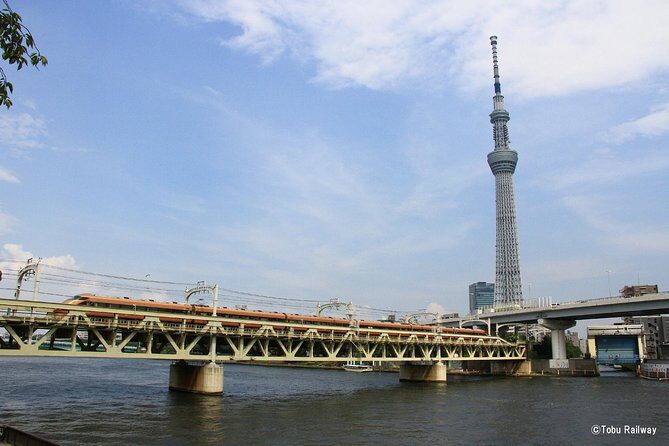
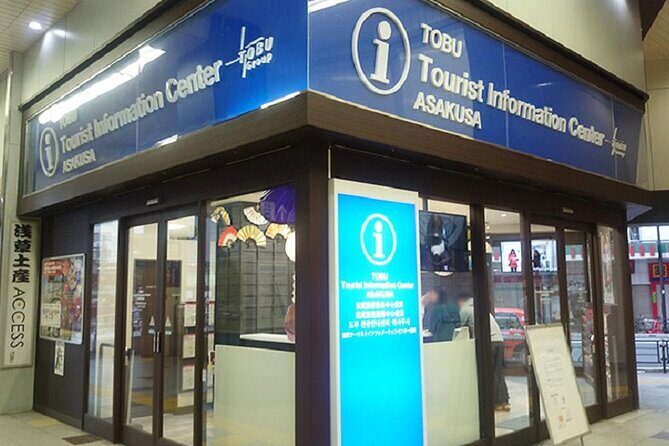
Your experience starts at the Tobu Tourist Information Center Asakusa inside 1F of the Tobu Railway Asakusa station. That meeting point is helpful because Asakusa is one of Tokyo’s easiest places to orient yourself, and you can pick up the pass right where train options are clearly laid out.
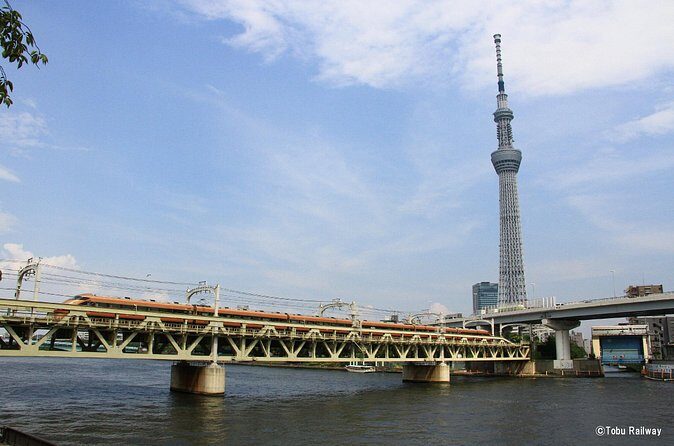
From there, the pass includes a round trip between Asakusa and Shimo-Imaichi by Tobu Railway’s local trains. The key advantage here is that your trip into the Nikko region is handled by the pass, which reduces the mental load of figuring out which tickets work where.
Once you reach Shimo-Imaichi, the pass keeps you rolling. You get unlimited local train rides between Shimo-Imaichi Station and either Tobu-Nikko Station or Shin-Fujiwara Station. That flexibility is a practical perk because Nikko routes can spread out, and having the option to choose your base stop without worrying about extra fares can save time.
A real-world benefit shows up in how this feels on the ground: it’s designed for an efficient rhythm from Tokyo, and many people prefer this setup because it avoids extra train changes. Even if you do make a transfer, the pass is still doing the heavy lifting by covering those local segments.
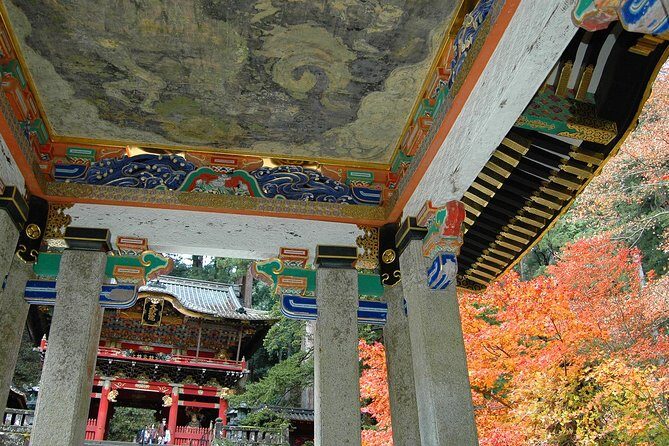
What to plan around: the Nikko shrine approach often means stairs, uneven footpaths, and uphill walking once you’re near the sites. The pass won’t remove that. It only helps you get to the right starting points without extra ticket purchases.
Tobu buses for the shrine area: World Heritage Pilgrimage and Rengeishi
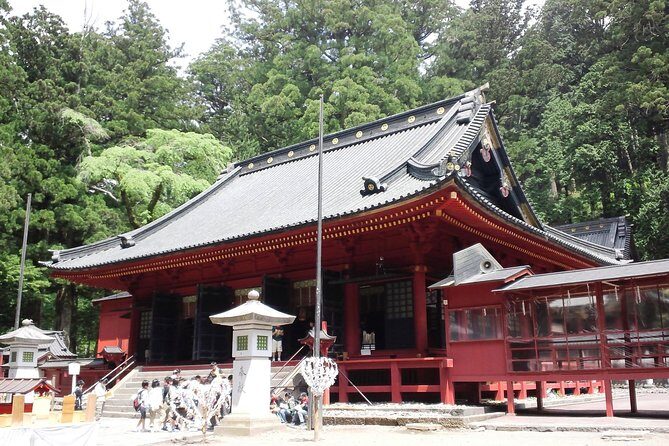
Once you’re in the Nikko zone, the bus portion is where the pass becomes practical. The included rides cover the Tobu bus World Heritage Pilgrimage, and you also have unlimited bus access up to the Rengeishi stop.
Why that matters: shrine hopping is rarely a simple flat-walk experience. Buses help connect the station area with different temple and shrine groupings, so you’re not forced to cover every mile by foot (especially if your legs need a break). In this region, that can be the difference between a fun second stop and a “Why did I choose this route” moment.
Your bus coverage is “unlimited” while your pass is active for the selected two days, so you’re not stuck committing to one rigid route. That’s useful because shrine areas can take longer than expected. Lighting changes, crowds shift, and you might want to linger longer at one site.
One caution: the pass helps with transport, but shrine opening hours and seasonal schedules can affect what you can actually see. Some attractions operate seasonally, so check before you go. If you show up during a low season window, you may find fewer open sites or shorter bus operating windows.
Also, bus maps and times are available on the Tobu Railway and Tobu bus websites. Don’t treat this as guesswork. Look up the schedule and save yourself stress, especially if you’re trying to fit a start time around morning prayer-style quiet periods or avoiding midday congestion.
Planning your shrine day when admissions aren’t included
This is an important mental shift. The pass is not the same thing as a ticket to the shrines and temples. You’re paying for transport and select ride access, and you’ll pay site admission separately.
That can still be a good deal, because admission fees are often the part you can predict and control—while transport costs are easier to underestimate when you’re bouncing between stations and bus stops. Here, you’re buying the part that typically adds friction: the local transit layer that keeps you flexible without constant fare math.
When you plan, think in terms of movement first, then time at each stop. Build a route where you’re not backtracking too much. Use buses to cut down the longest stretches, then plan short, manageable walks once you reach the shrine cluster.
Expect the physical reality: the area is known for stairs and uphill sections. If you’re planning two full shrine-heavy days, pace yourself. You can use the bus to reduce long climbs, but you can’t avoid every step.
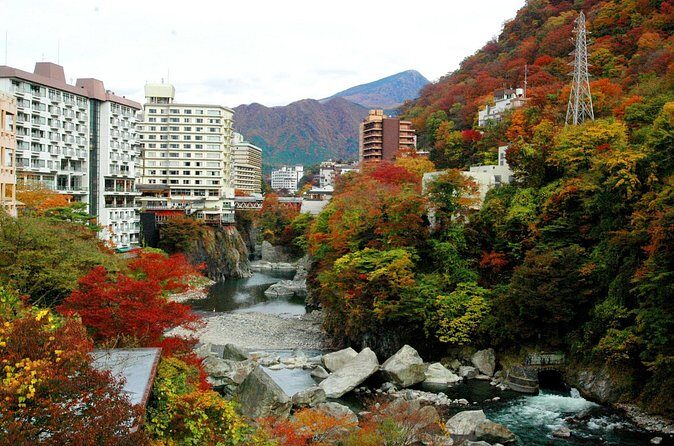
What about Kinugawa? The pass is designed for Nikko and Kinugawa world heritage areas, and the bus and train structure is built around connecting you to the shrine zone. If Kinugawa is on your list, give it time on your second day, when you’re less rushed and more willing to adjust on the fly if a site is closed or if you want a slower lunch break.
A smart way to handle admissions: decide early which shrines and temples you want most, then check which ones require entry fees. That lets you pair the pass transport with a clear spend plan for the sites.
Discounts on shops and attractions: small savings that can add up
Besides transportation, the pass includes discounts at local shops and attractions. This is the “nice-to-have” layer, not the core value driver, but it can matter if you plan to buy snacks, souvenirs, or a few paid stops while you’re there.
One catch: discounts vary by season. That means it’s worth thinking about timing. If you’re traveling in a period when lots of places are open and actively participating in discount programs, your odds of getting real payback are better.
Since food and beverages are not included, you’ll still need to budget for meals. But you might find it easier to keep spending under control if you’re using the pass discounts for a couple of purchases instead of paying full price at everything.
The bigger takeaway: treat those discount benefits as bonus value, while the transit portion is what actually makes the trip feel easy. That keeps your plan reliable even if a specific shop or attraction isn’t offering a discount at the time you arrive.






One or two days: how to choose your schedule
The pass is built for 1 to 2 days and is valid for 2 consecutive calendar days beginning on the date you select when booking. So the question becomes: do you want a fast two-day pass-through, or do you want breathing room?
If you’re doing a tight schedule in and out of Nikko, a two-day plan works best when you keep your route compact. Use the trains to get you to the shrine area smoothly, then use buses for the connections between shrine groupings. With the pass, you’re not paying each time you ride within the covered sections, which helps you stay flexible.
If you’re traveling at a slower pace, the second day is where you can spread out. That’s especially true if you want to mix Nikko shrine time with time aimed toward the wider world heritage area around Nikko and Kinugawa. You can also adjust if one site takes longer than expected.
Also consider what time of day you arrive in the Nikko region. Because validity is based on calendar days, starting late on Day 1 can shrink the amount of daylight you get before you’re effectively in Day 2 anyway. Not a dealbreaker, but it matters for planning the order of sites.
Finally, check seasonal operations. Some attractions only operate seasonally, so a “two-day checklist” can turn into a shorter list if you’re outside peak windows. When that happens, the transit flexibility still helps—you can pivot to what’s open and keep moving without paying extra for every leg.
Price and logistics: is $21.41 worth it?
At around $21.41 per person, the pass is priced like a budget-friendly way to handle local transportation and reduce ticket confusion. Whether it’s worth it for you comes down to two things: how much you’ll ride, and whether you would otherwise use limited express or JR trains.
What the pass covers suggests it’s aimed at people who are comfortable using local trains and Tobu buses. If that’s your style, the math usually makes sense because you’re buying coverage across multiple rides:
- Round trip Asakusa ↔ Shimo-Imaichi on Tobu local trains
- Unlimited local train rides between Shimo-Imaichi and Tobu-Nikko or Shin-Fujiwara
- Unlimited bus rides on the Tobu World Heritage Pilgrimage routes
- Unlimited bus rides up to the Rengeishi stop
If you plan to rely heavily on limited express or JR, you’ll still have to pay those fares separately. Since those are not included, the pass becomes less of a full solution and more of a partial helper.
There’s also the “time is money” angle. Reducing transfers and keeping transit simple can be worth more than a few extra dollars. One review-style takeaway you can trust here: the approach is designed to be efficient from Tokyo, and the bus rides help cut down some walking around the shrine area.
Group size is capped at 30 travelers. That’s a good sign for organization; you’re not packed into an overwhelming crowd where you can’t move freely. Just remember you’ll still be walking once you reach the sites.
A final practical point: schedule times and route maps are listed on the Tobu Railway and Tobu bus websites. Do a quick check the day before. Nikko can be very walk-plus-stairs once you’re off the bus, so arriving with a rough plan helps you enjoy the sites instead of just managing logistics.
Should you book the NIKKO PASS world heritage area?
Book it if you want a simpler Nikko plan where transit costs are largely handled up front. This pass is especially good for you if you’re planning two calendar days, expect to ride local Tobu trains and buses often, and are fine paying shrine and temple admission separately.
Skip it or treat it cautiously if you’re planning to depend on limited express and JR trains for most legs. In that case, you may end up paying for extra transportation anyway, and the pass discounts on shops and attractions might not fully offset the missing coverage.
My rule of thumb: if you like moving under your own schedule—ride, hop off, see, return by bus and local train—this is a solid value. If you want everything included end-to-end with zero extra purchases beyond admission, this pass won’t match that goal.
FAQ
FAQ
Who can use the NIKKO PASS world heritage area?
It’s only available for foreign tourists with a non-Japanese passport. You must show a valid non-Japanese passport on the day of the activity.
How long is the pass valid?
Your pass is valid for 2 consecutive calendar days starting on the date you selected when booking.
What transport is included?
You get a round trip between Asakusa and Shimo-Imaichi by Tobu local trains, unlimited Tobu local train rides between Shimo-Imaichi and Tobu-Nikko or Shin-Fujiwara, and unlimited Tobu bus rides on the World Heritage Pilgrimage routes (including up to the Rengeishi stop).
What isn’t included in the pass?
Shrine and temple admission in the Nikko area is not included. Limited Express and JR train fees are also not included, and food and beverages are not included.
Do I need to pay separate entrance fees for the shrines?
Yes. The pass does not include admission to shrines and temples in the Nikko area.
Is the pass good for kids?
Children 5 and younger are complimentary when accompanied by a paying adult.
What’s the cancellation policy?
You can cancel for a full refund up to 24 hours in advance of the experience’s start time.
If you tell me your travel dates and whether you plan to use limited express/JR trains, I can help you sanity-check the value for your exact route.