REVIEW · TOKYO
Nikko Private Tour from Tokyo with Licensed Guide and Vehicle
Book on Viator →Operated by Japan Guide Agency · Bookable on Viator
Nikko can feel overwhelming fast, but this format helps. You get a licensed local English guide and a private car pickup that turns a long day into a focused route through Nikko’s big shrines and scenic nature. I like that the day is built for your pace, with a smart plan for choosing 3–4 sites instead of trying to cram everything in.
Two things I especially appreciate: first, the way guides bring context to places like Nikko Tōshō-gū and Rin’nō-ji, so the sights land deeper than postcards. Second, you get flexibility to steer toward what you actually care about—temples, waterfalls, or mountain views—while still getting hassle-free transfers from Tokyo. One drawback to think about upfront: this isn’t a low-cost ticket. Also, entrance fees and lunch are on you, and the driver may not speak fluent English since the guide is the English point person.
In This Review
- Key takeaways before you go
- Nikko’s big shrines land differently with a private English guide
- How the 10-hour car day works: pickup, pacing, and choosing stops
- Tosho-gu, Taiyū-in, and Rin’nō-ji: the Tokugawa must-sees
- Shinkyo Bridge and Futarasan Shrine: the sacred doorstep
- Kegon Falls and Lake Chuzenji: nature drama at altitude
- Irohazaka slope, Senjogahara, and Kanmangafuchi Abyss walks
- Kirifuri, Tamozawa Villa, and the slower Nikko extras
- Price and value for a private group up to 4
- Should you book this Nikko private tour?
- FAQ
- How many people can join per booking?
- How long is the Nikko private tour?
- Where is pickup offered?
- Is the itinerary customizable?
- Are entrance fees included?
- Is this a private tour?
- Will the guide speak English?
- Are mobile tickets provided?
- What if I need a car seat or booster?
- Is the Akechidaira ropeway always available?
Key takeaways before you go
- Private car from Tokyo so you avoid the train-bus shuffle for a full day
- Licensed English guide who helps each stop make sense
- Pick 3–4 sites from the Nikko highlights list for a realistic schedule
- UNESCO shrines plus nature in one outing, from Tōshō-gū to Kegon Falls
- Altitude weather changes and a real plan for tricky road conditions
- Akechidaira ropeway dates matter if you’re aiming for that viewpoint
Nikko’s big shrines land differently with a private English guide
Nikko is famous for a reason, but the trick is knowing what you’re looking at when everything is stunning. With a licensed English-speaking guide, the day becomes less about rushing between gates and more about understanding the stories behind the architecture, the Tokugawa connection, and the religious landscape of the area. That’s the difference between seeing buildings and actually getting it.
I also like the way this tour is built around your interests. The guide can help you choose which stops will feel worth the time, instead of forcing a rigid agenda. If you’re more into sacred sites than scenery—or the reverse—you have room to shape the day.
Do note the practical side: some of the most iconic places require entrance tickets. The tour covers the guide and the vehicle, but you’ll still pay at the sights you choose. If you hate surprise costs, decide early which paid sites you want.
You can also read our reviews of more guided tours in Tokyo

How the 10-hour car day works: pickup, pacing, and choosing stops
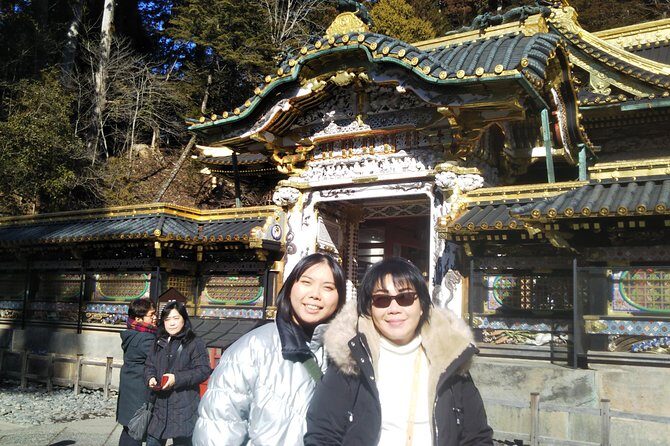
This is a 10-hour private experience, and it starts with pickup in Tokyo from anywhere in the 23 wards. That matters because it reduces wasted time and makes it easier for you to keep the day from turning into a logistics project. You also travel as just your group, not mixed with other parties.
The scheduling model is simple: you choose 3–4 sites from a list that includes major shrines, waterfalls, lake areas, and viewpoints. Many of the stops are around 30 minutes, but a couple scenic pulls are shorter. That means you can spend enough time to enjoy what you came for without feeling like you’re sprinting.
You’ll want to think about ticket planning. Some stops are listed as free, and others are marked as paid (entrance tickets not included). If you’re traveling with a tight budget, prioritize the free ones for the scenery, then spend your paid slots where you’ll benefit most from time inside.
Tosho-gu, Taiyū-in, and Rin’nō-ji: the Tokugawa must-sees
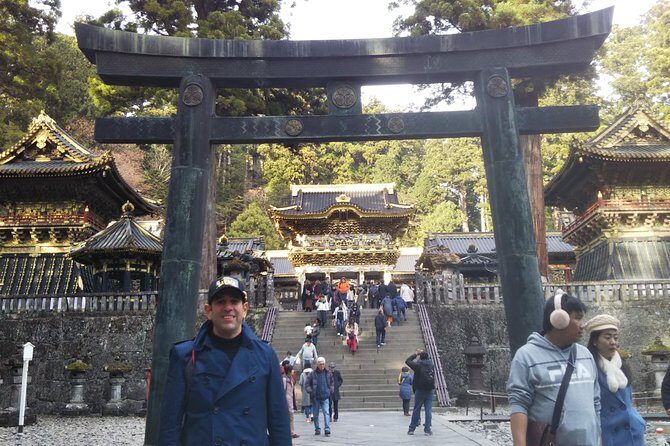
If you only pick one category—temples and mausoleums—this trio is the backbone of Nikko’s UNESCO feel.
Nikko Tōshō-gū is the headline stop. It’s the final resting place of Tokugawa Ieyasu, the founder of the Tokugawa shogunate, and the surrounding shrines and temple grounds are where you’ll really understand why people say not to call something magnificent until you’ve seen Nikko. You’re there for a focused visit (about 30 minutes), and the guide’s job is to help you read the details instead of just admiring from a distance.
A great follow-up is Rin’nō-ji Taiyū-in, the mausoleum of Tokugawa Iemitsu (the third shogun in the line). This complex mirrors the layout logic of Tōshō-gū, but with its own lavish approach. It’s one of those stops where context can turn a visually intense place into something you remember later.
Then comes Rin’nō-ji Temple, Nikko’s most important temple site. It was founded by Shōdō Shōnin, the Buddhist monk credited with introducing Buddhism to Nikko in the 8th century. If you love the religious side of Japan—how sites evolved, how sacred spaces connect—this is your payoff stop. You’ll have time for a real look (again, about 30 minutes).
One possible drawback here: if you pick too many indoor or ticketed shrine stops, the day can feel heavy. That’s why the private format is worth it—you can balance temples with nature so you don’t end up shrine-saturated.
Shinkyo Bridge and Futarasan Shrine: the sacred doorstep
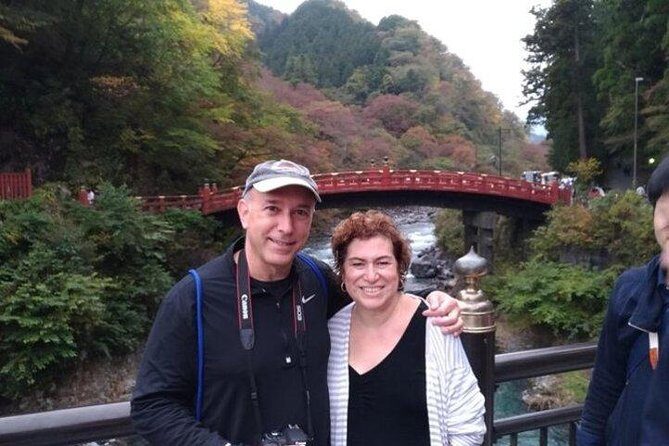
After temple grounds, Nikko’s vibe shifts into something quieter and more “arrival” than “performance.”
Futarasan Shrine sits next to Tōshō-gū in central Nikko. It’s older than its more lavish neighbor, founded in 782 by Shōdō Shōnin. This is a good choice if you want to see how the area’s sacred geography stretches beyond the headline complex.
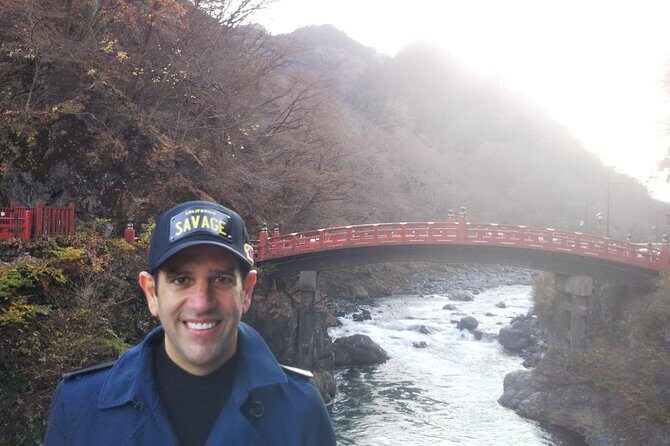
Just as important is Shinkyō Bridge. It stands at the entrance to Nikko’s shrine and temple area and technically belongs to Futarasan Shrine. The bridge is listed as one of Japan’s three finest bridges, so you’ll likely want time to slow down and take it in rather than snapping one quick photo and moving on. This stop is marked as free, so it’s a smart add even if you’re watching ticket costs.
If you’re planning your 3–4 sites, this is a strong way to get that “arrive in Nikko” feeling without burning a paid slot. It’s also a nice anchor stop if the weather is shifting.
Kegon Falls and Lake Chuzenji: nature drama at altitude
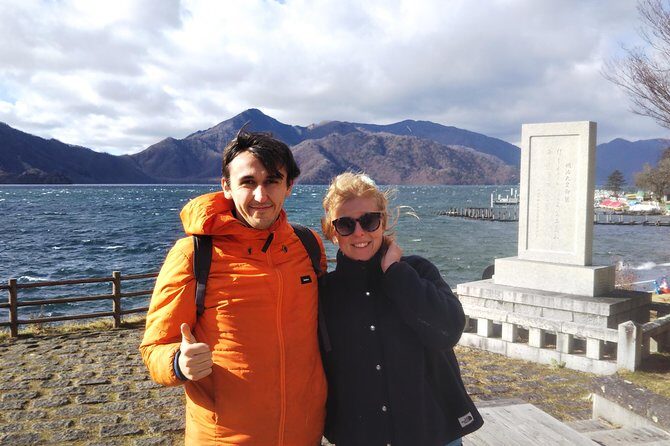
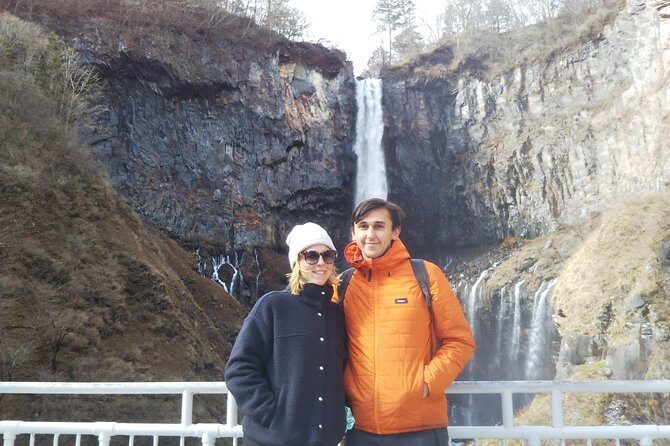
For a nature-heavy Nikko day, Kegon Falls is the big draw. The waterfall is described as the most famous of Nikko’s 48 waterfalls, and it drops 97 meters straight down from Lake Chuzenji. You also get a special lift for visitors, which helps make the viewpoint more accessible.
Kegon Falls is listed as a short stop (about 3 minutes in the schedule window), so you’ll want to choose it when you’re confident you can enjoy it quickly. This is where the guide can help manage your timing—so you’re not rushed, but you also don’t waste the day waiting around.
Pairing Kegon with Lake Chuzenji is the classic move. Lake Chuzenji is the largest lake in Tochigi and framed by about 25 kilometers of nature. It also has a history as a summer resort for foreigners in the late 19th and early 20th centuries, which adds a layer beyond just scenery. This stop is marked as free and is slotted for about 9 minutes, so it works well as a scenic breather between longer shrine visits.
A real-world consideration: higher elevations can shift fast. In past outings, groups have faced dense cloud cover at elevation and even snow in early spring, with roads and timing needing careful handling. If weather turns, the private guide and car make it easier to adjust without panicking.
You can also read our reviews of more private tours in Tokyo


Irohazaka slope, Senjogahara, and Kanmangafuchi Abyss walks
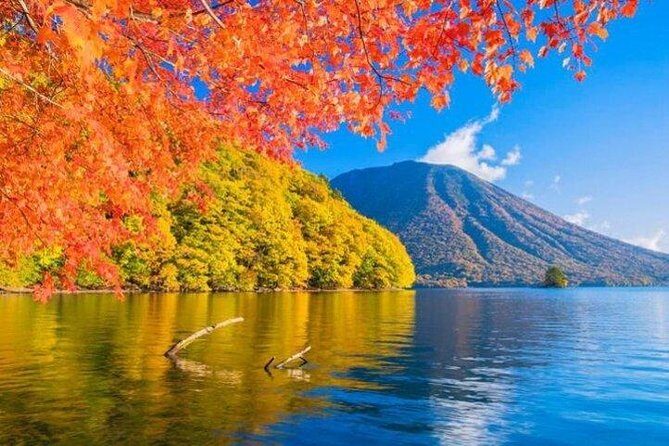
Nikko’s roads and nearby valleys give you the “mountain Japan” feeling without needing a full hiking day.
Irohazaka Route (Iroha Slope) is a pair of winding roads connecting lower Nikko to higher mountainous areas. It’s also featured in the popular anime Initial D, so it can be fun if you’re into Japanese pop culture or just enjoy recognizing places you’ve seen on screen. This is marked free and short (about 3 minutes), which makes it easy to fit in without derailing the rest of your plan.
Nearby is Senjogahara Field, described with a mythical battlefield vibe. The name translates roughly to battlefield, tied to legends that the gods of Mount Nantai and Mount Akagi fought over nearby lakes. It’s brief (about 3 minutes) but adds a different flavor than temples and waterfalls—more legend than landmark.
Then there’s Kanmangafuchi Abyss, formed by an eruption of nearby Mount Nantai. It’s a gorge near central Nikko, only a few hundred meters long, and you enjoy it from a pleasant riverside walking trail. This one is listed as free and about 30 minutes, which is exactly the right pacing: a walk where you can slow down, look around, and let the scenery do the work.
If you want one more viewpoint option, Akechidaira Observation Area is included in the set of possible stops. It’s located near the top of Irohazaka and offers sweeping views over the winding road and dramatic mountains. One major heads-up: the ropeway is closed for maintenance from January 16, 2026 to August 31, 2027. If your trip falls in that window and Akechidaira matters to you, plan accordingly.
Kirifuri, Tamozawa Villa, and the slower Nikko extras
Not every great Nikko moment is a shrine or a waterfall. If you like Japan’s gentler side—gardens, architecture, and quieter walks—these picks balance the day well.
Kirifuri Waterfall (Kirifuri no taki) is a strong nature add. It’s an impressive 75-meter high, two-tiered waterfall located below Kirifuri Highlands, a few kilometers northeast of the temples and shrines. It’s marked as a paid entrance (admission ticket not included) and slotted for about 30 minutes. That’s long enough to enjoy views without feeling rushed, but short enough to keep your day flexible.
For architecture lovers, Nikko Tamozawa Imperial Villa Memorial Park is a great contrast. It blends traditional Edo and early Meiji Period architecture across 106 rooms and was erected in Nikko in 1899. This is another 30-minute style stop, and it’s ideal when you want something calmer than crowds and dramatic road views.
If you want a university-run garden experience, Nikko Botanical Garden is owned and maintained by the University of Tokyo. It’s an indoor/outdoor reset from shrines and waterfalls, and it’s listed as a paid entrance stop.
Two more “nice to know” extras can fit depending on your mood:
- Kanmangafuchi and Shinkyō help you with scenery and sacred entrance vibes.
- Kanaya Hotel History House offers a look at a historical building that served as the predecessor of the well-known Kanaya Hotel. It’s listed as a paid entrance stop, and it’s useful if you enjoy architecture and local storytelling.
Overall, these slower stops are the way to keep the day from turning into back-to-back wow moments with no breath. That’s also where private guidance matters most—your guide can steer you away from choices that would feel repetitive.
Price and value for a private group up to 4
The price is $1,418.77 per group, up to 4 people. If you fill the car, that’s about $355 per person. That’s not pocket change, but it’s also not just “an expensive taxi.” You’re paying for a licensed English-speaking guide, a private vehicle for a long day, and a route that can flex around your preferences.
What’s included:
- Licensed local English speaking guide
- Private vehicle
- Customizable Nikko plan using 3–4 sites
- Pickup in Tokyo (23 wards)
What’s not included:
- Entrance fees (for the stops marked paid)
- Lunch
- Other personal expenses
So the real value question is simple: do you want one smooth, guided day where transportation stress is handled and the guide helps you understand what you’re seeing? If yes, the cost starts making more sense. If you only want one or two sights, you may feel the price more.
There’s also a language/value expectation point to be aware of. The guide is the English-speaking role; drivers aren’t required to speak fluent English. One negative note mentioned communication felt less fluent than expected, and that’s something to keep in mind if you’re expecting both guide and driver to act like bilingual narrators.
Should you book this Nikko private tour?
Book it if:
- You want a focused Nikko day without the crowd grind.
- You care about understanding what you’re seeing at sites like Tōshō-gū and Rin’nō-ji.
- You’ll make good use of the flexibility to choose 3–4 stops that match your tastes.
- You’re traveling as a small group up to 4, so you can spread the cost.
Skip or reconsider if:
- You’re extremely price-sensitive and plan to only do one ticketed highlight.
- You need lots of English support beyond the licensed guide role.
- You’re aiming for Akechidaira during the ropeway maintenance window (Jan 16, 2026 to Aug 31, 2027), since that affects what you can reliably count on.
If you want Nikko to feel like a guided journey instead of a rushed checklist, this format is a strong fit.
FAQ
How many people can join per booking?
Up to 4 people can join per group booking.
How long is the Nikko private tour?
The duration is about 10 hours.
Where is pickup offered?
Pickup is offered in Tokyo’s 23 wards.
Is the itinerary customizable?
Yes. You choose a tour of your choice using 3–4 sites from the available Nikko highlights list.
Are entrance fees included?
No. Entrance fees are not included, and lunch and other personal expenses aren’t included either.
Is this a private tour?
Yes. It’s a private tour/activity with only your group participating.
Will the guide speak English?
You’ll have a licensed local English-speaking guide. The driver is not required to speak fluent English.
Are mobile tickets provided?
Yes, a mobile ticket is included.
What if I need a car seat or booster?
There are limited car seats and booster seats. Rear-facing car seats are not available. You need to contact the provider directly if you need them.
Is the Akechidaira ropeway always available?
No. The ropeway is closed for maintenance from January 16, 2026 until August 31, 2027.