REVIEW · KYOTO
Origami Workshop Near Kiyomizu Dera Temple in Kyoto
Book on Viator →Operated by MK TRAVEL · Bookable on Viator
Origami here feels like instant Kyoto therapy. I like that this English-friendly workshop is beginner-proof and taught in a small setting near Kiyomizu-dera, so you can focus on folding instead of figuring things out. I also love the creative control: you choose your colors and patterns before you start, and the finished pieces are real souvenirs, not just photos.
One thing to consider: it’s roughly one hour, so you’ll do a few classic models at a comfortable pace, but you won’t have time to go super advanced or make dozens of extra figures.
In This Review
- Key Things to Know Before You Fold
- A One-Hour Origami Reset Near Kiyomizu-dera
- Price and Value: Why $19.51 Works
- Finding the Class at Ichinenzaka Cafe362
- What You’ll Fold: Cranes, Frogs, Samurai Helmets, and Seasonal Themes
- Inside the Lesson: English Tools, Patient Coaching, and a Calm Pace
- Take-Home Keepsakes: Your Mini Envelope and Folded Creations
- How to Fit It into Your Kyoto Day (Without Stress)
- Who Should Book This Workshop Near Kiyomizu-dera?
- Practical Tips for Your Folding Session
- Should You Book This Origami Workshop Near Kiyomizu-dera?
- FAQ
- How long is the origami workshop?
- Is the workshop taught in English?
- Do I need any prior origami experience?
- What origami designs will I learn to fold?
- Are the origami materials included?
- Where do I meet for the workshop?
- Is this a private experience?
- How does check-in work?
- What if I need to cancel?
Key Things to Know Before You Fold
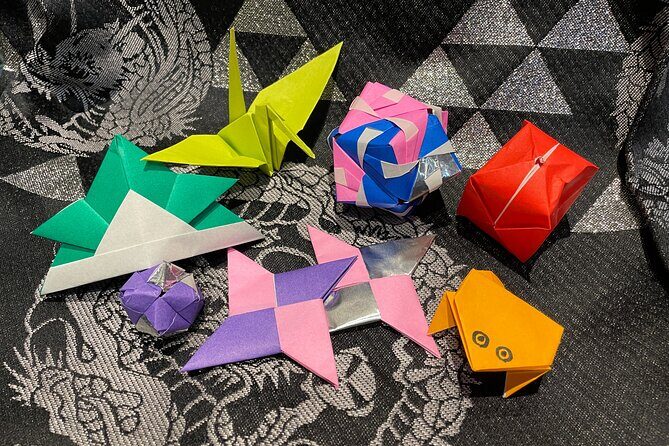
- English instruction with step-by-step help makes this easy even if you’ve never touched origami paper before.
- Small-class feel means you can ask questions and get patient corrections.
- Classic designs include cranes, frogs, and samurai/warrior helmet styles plus seasonal themes.
- You pick colors and patterns, so your pieces look like your trip, not a generic demo.
- A take-home mini envelope turns your creations into a tidy keepsake for your desk or bookshelf.
- Private for your group means the pace stays comfortable for just your people.
A One-Hour Origami Reset Near Kiyomizu-dera

Kyoto can be intense: crowded streets, temple lines, and nonstop sensory overload. This workshop is the opposite kind of activity. You sit down, get paper in hand, and follow simple steps that build confidence quickly. The setting is close to Kiyomizu-dera area, and you’ll meet at a local café address on Ichinenzaka, which makes it feel like a real neighborhood moment rather than a far-off excursion.
What makes this workshop especially appealing is that it’s designed for beginners. You’re not expected to know folds or read diagrams. Instead, you get a tools-and-basics introduction in English, then you start making recognizable classics right away. And because the group is small and private for your group, you aren’t stuck waiting for attention while others catch up.
At about an hour long, it’s a smart fit between sightseeing blocks. You can do temple time, then come here for something calm and hands-on that still feels unmistakably Japanese.
A few more Kyoto tours and experiences worth a look


Price and Value: Why $19.51 Works

At $19.51 per person, this isn’t a “budget” class in the sense of feeling rushed or low-effort. You’re paying for three things that matter in a short workshop: guidance, paper, and the cultural satisfaction of making something you can keep.
Here’s how the value adds up:
- Japanese origami paper is included, so you don’t need to hunt for supplies.
- Step-by-step instruction in English removes the usual friction for visitors.
- You take home finished models—plus a mini envelope made from traditional paper—so you leave with something tangible.
If you’ve ever bought origami paper in Kyoto, you know it can feel oddly intimidating when you don’t have someone to translate the steps into plain actions. This workshop bridges that gap fast. The price feels fair because you’re paying for the human instruction that turns a sheet of paper into a crane, frog, or helmet-shaped character you can actually show off.
Finding the Class at Ichinenzaka Cafe362
Meeting point matters in Kyoto, because “near” can still mean a short hike up and down lanes. This one is straightforward: you’ll start at 一念坂 362 Cafe362-3 Masuyachō, Higashiyama Ward, Kyoto. Your end point is the same location, so there’s no second leg to navigate afterward.
The workshop is also listed as being near public transportation. That’s helpful when you’re planning your day around buses and trains and you don’t want a timing headache. And you’ll use a mobile ticket, which cuts down on paper printouts and makes check-in easier for phone-based travelers.
Because it’s private for your group, you won’t be squeezed into a large crowd. That usually means a calmer start—less standing around, more time with the instructors once you sit down.
What You’ll Fold: Cranes, Frogs, Samurai Helmets, and Seasonal Themes

This is the part most people remember later, because the models are iconic. You’ll learn to fold classic designs such as:
- Crane (a symbol of peace and good fortune)
- Frog
- Samurai helmet / warrior helmet styles that are especially kid-friendly and fun for photos
- Seasonal themes (so the models feel connected to the time of year)
You won’t just get a single straight-to-copy design, either. The format is guided: an instructor shows the basics with traditional tools, then you fold along step-by-step. You’ll also have a moment to choose your favorite colors and patterns, which changes the look dramatically.
That choice is worth paying attention to. A simple crane becomes personal when you pick paper that matches your taste—soft tones, bold contrast, or patterns that look great even when folded loosely. And when kids or first-timers start with a design they recognize, they get momentum fast.
One more nice detail: the workshop helps you build a mini “set” of creations. Even if you only make a few items, the group of folded pieces feels like a proper souvenir, not just one quick craft.
Inside the Lesson: English Tools, Patient Coaching, and a Calm Pace

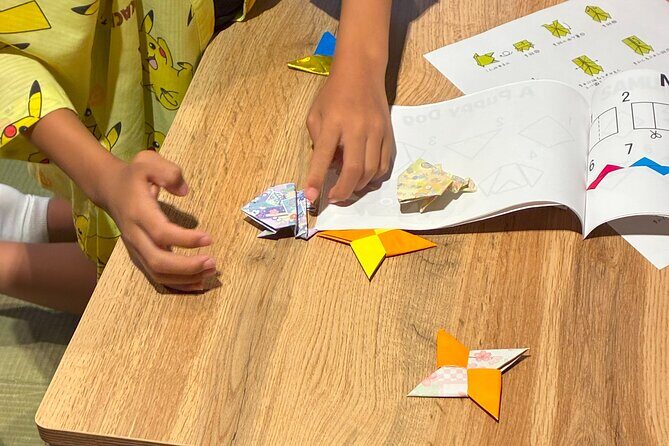
The lesson is built for visitors who don’t speak Japanese and don’t have prior origami skills. You’ll start with an introduction to basic tools and types of origami, then you move into actual folding.
In plain terms, you can expect:
- English instruction throughout
- Step-by-step guidance so you’re not guessing at each fold
- Time to choose colors and patterns before you begin
- A supportive pace that works for beginners
The standout here is how the teaching style lands. The feedback you’ll want to trust is that the instructors are patient and very good at explaining. For a hands-on craft, patience matters more than anything. When you’re nervous about messing up paper, a teacher who slows down and corrects gently makes the whole experience enjoyable instead of stressful.
If you’re traveling with children, this kind of guidance is also key. Kids often learn best when someone demonstrates clearly and then waits for them to catch up. And because the class is small, adults can help without feeling like they’re managing the entire lesson alone.




Take-Home Keepsakes: Your Mini Envelope and Folded Creations
Part of what makes this workshop feel like a real cultural experience is that it doesn’t end when the hour is over. You’ll be able to take your origami creations home, and you’ll pack them in a mini envelope made from traditional paper.
That envelope detail matters more than it sounds. It turns your finished cranes and helmets into something you can safely transport through the rest of your Kyoto day. It also makes the gift feel complete. Instead of returning to your hotel with fragile, unprotected paper models, you have a ready-made way to store them.
It’s also a nice memory tool. Origami is one of those souvenirs that often gets set on a shelf and kept because it feels like a personal accomplishment. You didn’t just buy it—you made it.
And yes, the samurai/helmet designs tend to be a crowd favorite for photos. Even if you’re not traveling for family-style fun, those models make your hands-on work instantly visible.
How to Fit It into Your Kyoto Day (Without Stress)
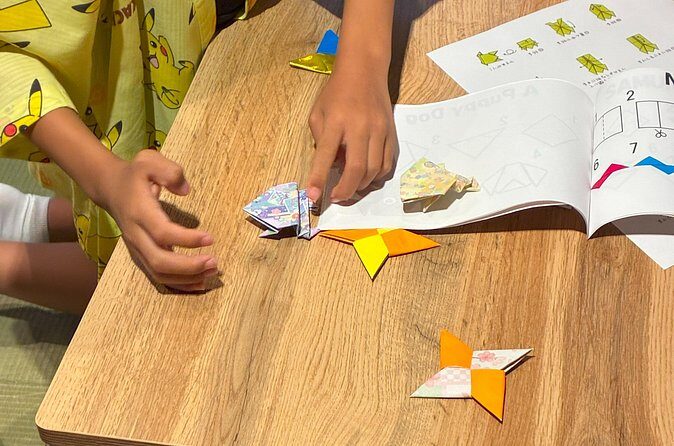
This is where I’d plan it like a local craft break. Think of it as a “slow down” moment.
A good strategy:
- Do a morning temple block, then come in the afternoon when you’ve had time to warm up to Kyoto’s rhythm.
- Or reverse it: fold first, then go temple-hopping with better energy (you’ll feel proud carrying a real handmade set).
Because it ends back at the meeting point, it’s easy to slot in. You won’t need to plan a second destination right after. And the roughly one-hour duration means you can keep your day tight without losing control of your schedule.
What you should avoid is overloading the day right before this. If you’ve been walking all day and your feet are done, you might find folding harder than you expected. Even though this is beginner-friendly, origami still asks your hands to focus.
Who Should Book This Workshop Near Kiyomizu-dera?
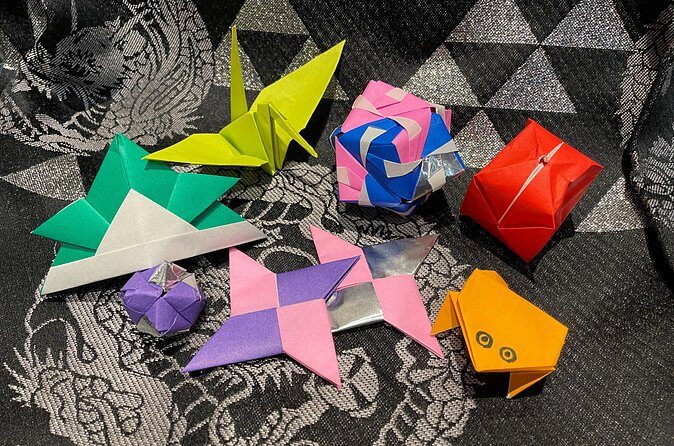
This workshop is a strong match if you want:
- A beginner-friendly activity that doesn’t require prior knowledge
- Something hands-on, calm, and creative in Kyoto
- A way to bring home a made-by-you souvenir
- A fun family option (especially because the designs include playful kid-friendly choices like helmet styles)
It also works well for solo travelers who want an English-supported activity with interaction and a clear structure. In a small private group, you won’t feel lost.
Where it may not be your best fit: if you’re looking for a long, advanced origami course focused on complex theory and advanced techniques. This is about approachable classics and learning the basics properly—not about hardcore diagram work.
Practical Tips for Your Folding Session
You don’t need to prepare like a craft student, but a few smart moves help:
- Wear comfortable clothes. Even a simple craft session involves sitting and fine hand movement.
- Bring a sense of patience. If a fold doesn’t look right at first, it’s normal. The instruction is built to help you correct and continue.
- Expect to choose your own paper colors and patterns. Decide early so you’re not trying to browse choices mid-lesson.
- If you want photos, plan to do them after you finish each model. Helmets and cranes photograph well, and you’ll enjoy seeing the final shape rather than stopping halfway.
Finally, since you’ll be near public transportation and the meeting point is a café address, give yourself a little buffer time. Kyoto lanes are pretty, but navigation can take longer than you expect.
Should You Book This Origami Workshop Near Kiyomizu-dera?
Yes—if your goal is a meaningful, low-stress Kyoto experience that you can take home with you. For the price, you get included paper, English guidance, a small class feel, and classic models that look impressive even when you’re a total beginner. The take-home mini envelope is a small touch, but it’s the kind of detail that makes souvenirs feel complete.
I’d especially recommend it if you’re with kids or if you want a break from temple crowds without sacrificing cultural flavor. You’ll leave with folded cranes, frogs, and helmet designs, plus the satisfaction of learning something you can repeat later with any sheet of paper.
If you’re deciding last minute, remember this is private for your group and lasts about an hour—so it’s easy to try without betting your entire day on it.
FAQ
How long is the origami workshop?
It lasts about 1 hour.
Is the workshop taught in English?
Yes. The classes are described as hands-on origami classes in English.
Do I need any prior origami experience?
No experience is needed. The workshop is designed for beginners.
What origami designs will I learn to fold?
You can learn classic designs such as a crane, frog, samurai/warrior helmet, and seasonal themes.
Are the origami materials included?
Yes. Japanese origami paper is included.
Where do I meet for the workshop?
You meet at 一念坂 362 Cafe362-3 Masuyachō, Higashiyama Ward, Kyoto, 605-0826, Japan.
Is this a private experience?
Yes. It’s private for your group, not shared with others.
How does check-in work?
You’ll have a mobile ticket.
What if I need to cancel?
Free cancellation is available up to 24 hours in advance of the experience start time for a full refund.