REVIEW · TOKYO
Tokyo/Ikebukuro Manga lesson by acitive pro-Manga artists
Book on GetYourGuide →Operated by MANGA DOJO TOKYO · Bookable on GetYourGuide
Manga looks simple until you try it. This Tokyo/Ikebukuro lesson turns that curiosity into a real, guided drawing session with active manga professionals, an English interpreter, and hands-on tools. It’s right near Ikebukuro—the kind of setup that makes it easy to fit into a normal day in Tokyo.
Two things I like a lot are how you practice drawing your own original manga character and how the class uses real professional-style materials like G-pen and screen tone. You’re not just watching; you’re making a short comic as you go, even if you’re brand-new.
One consideration: for $127 and just two hours, you won’t learn everything a working pro knows. The goal is a solid foundation and clear technique, not a deep, step-by-step mastery of every manga skill.
In This Review
- Key Points You’ll Care About
- Why This Manga Dojo Lesson Feels Like Studio Time
- Choosing Your Course Level: Beginner, Intermediate, Advanced
- What Happens During the 2-Hour Drawing Session
- The Tools You Use (G-pen, Screen Tone) and Why They Matter
- English Interpretation and Questions That Actually Help
- Location by Ikebukuro and Animate: A Convenient Tokyo Stop
- Price and Value: Is $127 Worth It for Two Hours?
- Who Should Book This Manga Lesson in Tokyo?
- Should You Book? My Practical Take
- FAQ
- How long is the Tokyo/Ikebukuro manga lesson?
- Where do I meet for the class?
- Is there an English interpreter during the lesson?
- What is included in the price?
- Is food included?
- Do I have to choose a level, and what are the options?
- Is it suitable for young children or wheelchair users?
Key Points You’ll Care About
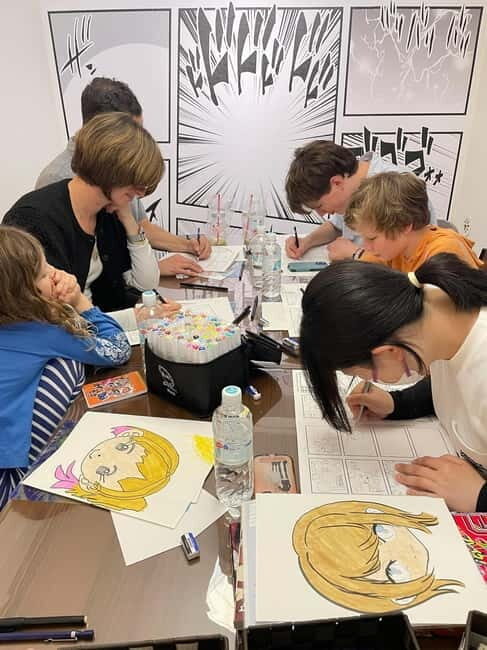
- Small group (up to 8): more hands-on attention than big classes.
- Choose your level (Beginner, Intermediate, Advanced): the content shifts from basics to storyboarding and career Q&A.
- Real tools provided: G-pen, ink, manga paper, and options like screen tone.
- English interpretation on-site: so you can actually ask questions.
- Next to Animate in Ikebukuro area: easy to find and convenient to pair with sightseeing.
- You produce a short story comic: not just practice sketches.
Why This Manga Dojo Lesson Feels Like Studio Time
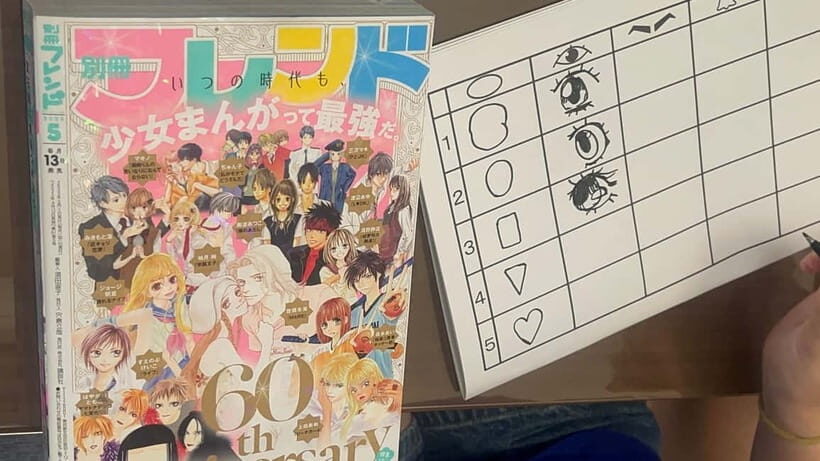
The best part of this workshop is the mix of craft and conversation. You start with a manga-focused explanation led by active professionals, then you move into drawing with guidance that helps you translate instructions into lines, shapes, and panels.
I also like that it’s built for multiple ages and skill levels. Kids, teens, and adults are all in the same spirit: make something, learn technique, and understand how manga artists think on the page. The tone is creative and structured, not exam-like.
And because there’s an English interpreter, you don’t have to guess what the artist means when you’re stuck. That matters with manga drawing, where tiny differences in facial proportions, line weight, and panel layout are the whole game.
A few more Tokyo tours and experiences worth a look



Choosing Your Course Level: Beginner, Intermediate, Advanced
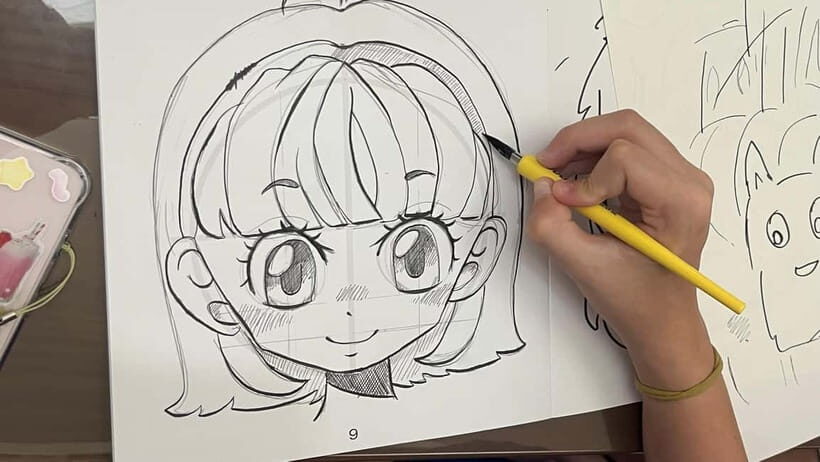
The workshop runs daily in three options. Your choice changes how much time goes to fundamentals versus storytelling and professional workflow.
Beginner (10:00–12:00) is geared toward children (junior high school and younger) and families. If you want an easy on-ramp, you’ll focus on basics of character drawing and simple manga techniques in a friendly pace.
Intermediate (13:00–15:00) is the one I’d pick for most adults who can draw a bit. The focus includes character design, how to draw chibi characters, and creating a 4-panel comic (yonkoma). That’s a great format because you practice story rhythm—setup, action, reaction—inside a small page space.
Advanced / Professional (15:00–17:00) is for people who want more “how it’s built” and more pro insight. Expect panel layout and storyboarding, anatomy and facial expressions, and a career advice + Q&A segment. If you’re hoping to understand what makes manga artists work day to day, this is the level where questions pay off most.
If you’re unsure, start conservative. A well-run beginner session can be more valuable than rushing ahead and getting frustrated.
What Happens During the 2-Hour Drawing Session
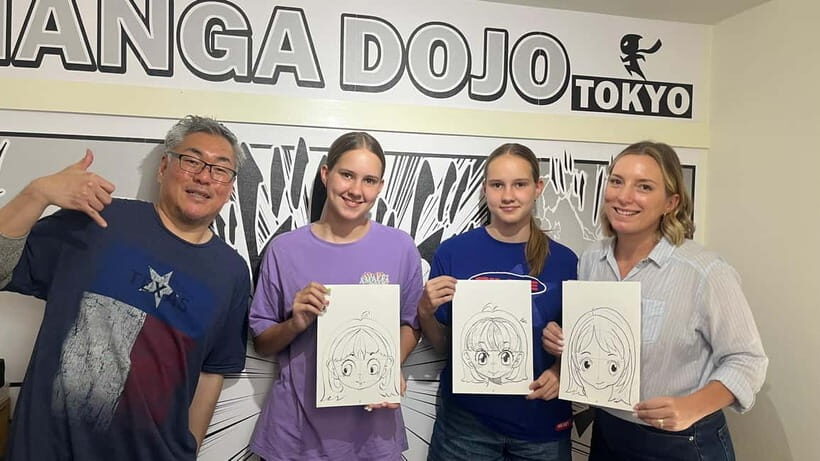
Plan on a tight rhythm: explanation first, then active drawing right away. Two hours goes fast, so the workshop is designed to keep momentum instead of spreading tiny lessons across too much time.
Typically, you’ll begin with context about manga and Japanese pop culture, plus a look at traditional manga production. This isn’t just trivia. Understanding how manga is structured helps you draw panels that read clearly, even if your art style is still forming.
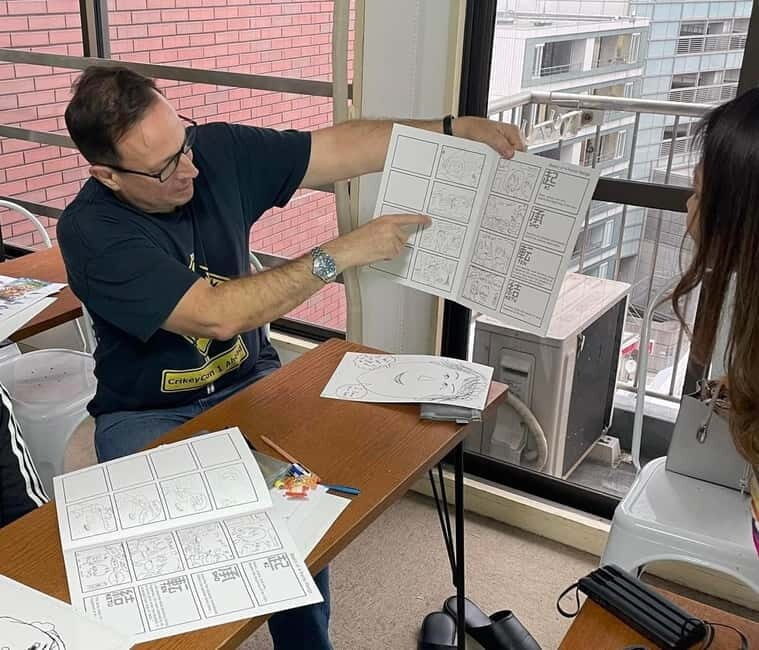
Next comes character work. The goal is to create your original manga character and bring it to life with the right face shape, proportions, and expressive details. You’ll also practice panel ideas so your comic doesn’t feel like separate drawings taped together.
Then you produce a short story comic together. Depending on the level you booked, that may mean a yonkoma-style 4-panel story at the Intermediate level, or more advanced planning like panel layout and storyboarding in the Advanced option.
A small detail that matters: the class supplies professional drawing tools and teaches how to use them. That means you’re more likely to leave with finished lines and textures, not just pencil marks.
The Tools You Use (G-pen, Screen Tone) and Why They Matter
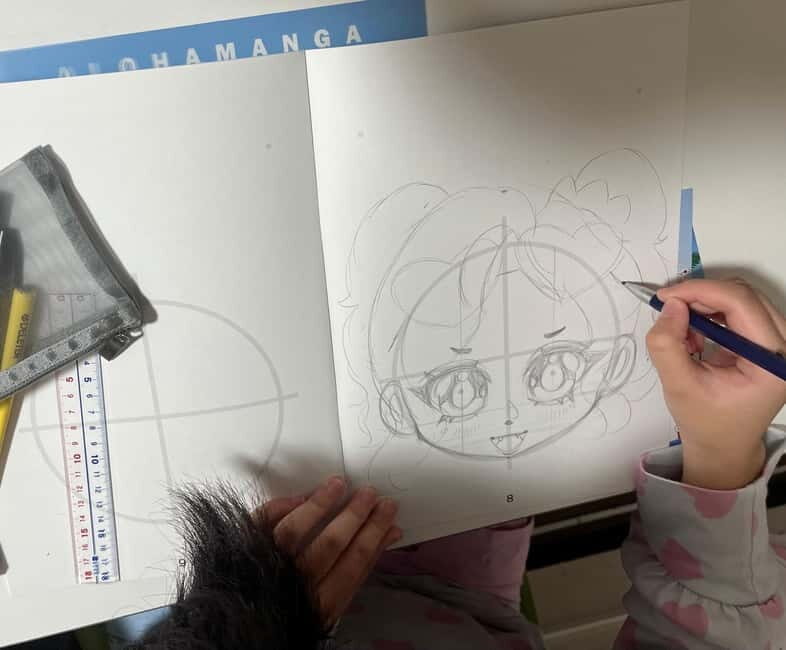
This is a tool-forward workshop. You’re provided with materials like G-pen, ink, and manga paper, plus specialized options such as screen tone. That’s important because manga isn’t just outlines—it’s also how shading and patterns communicate mood and depth.
When you draw with something like a G-pen, you feel how manga line weight works in real time. Thicker, darker strokes suggest emphasis. Lighter lines can guide the eye. Even if your character design is simple, ink quality and line control make it look finished.
Screen tone is another big one. Patterns can replace full grayscale shading and still create atmosphere. In a two-hour class, learning tone quickly helps your comic look like manga rather than “a drawing with captions.”
Also, you get all equipment for manga drawing as part of the experience. That’s one less thing to carry across Tokyo, and it prevents the common travel problem of arriving with the wrong pens and then losing time troubleshooting.
By the end, you’ll have a small gift from a manga artist too, which is a nice souvenir that feels tied to the actual lesson.
English Interpretation and Questions That Actually Help
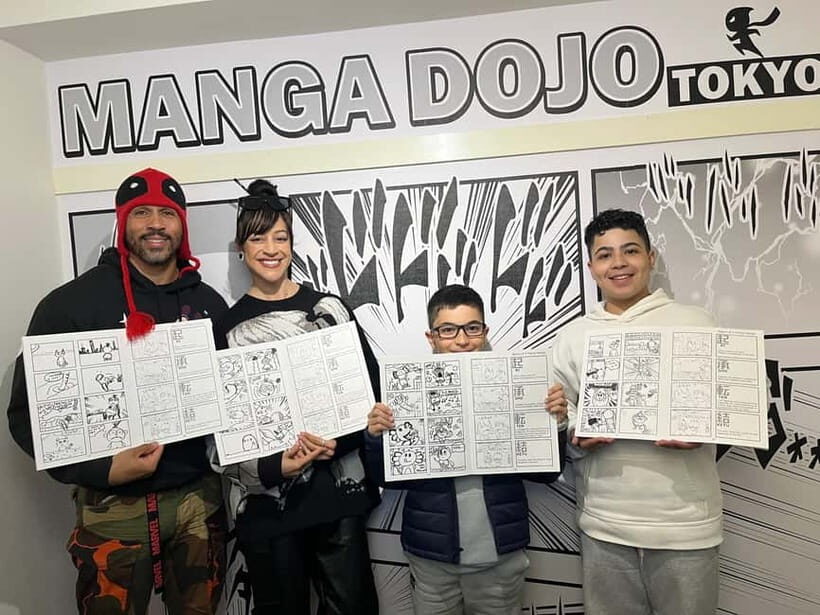
A big practical win here is the English interpretation. Manga workshops can be tricky because art terms and visual steps don’t always translate cleanly. With an interpreter present, you can ask direct questions while you’re drawing, not just afterward.
The class is led by professional manga artists who have published comics. That means questions about how artists make a living are not “inspirational answers.” You’re asking working creators about career routines, how they handle deadlines, and what they focus on when they’re building stories.
In the sessions I’ve seen described, interpreters like Akari are especially helpful for keeping the instructions clear and the pace comfortable. And instruction often includes an approachable, step-by-step style, like practicing a character face first before moving into a more playful drawing target (some sessions even include drawing a popular character such as Pikachu).
If you’re the type who learns better by talking, this workshop rewards that behavior. Ask about panel reading, character expression, or how to improve your faces. In manga, those are the questions that make the next page easier.





Location by Ikebukuro and Animate: A Convenient Tokyo Stop
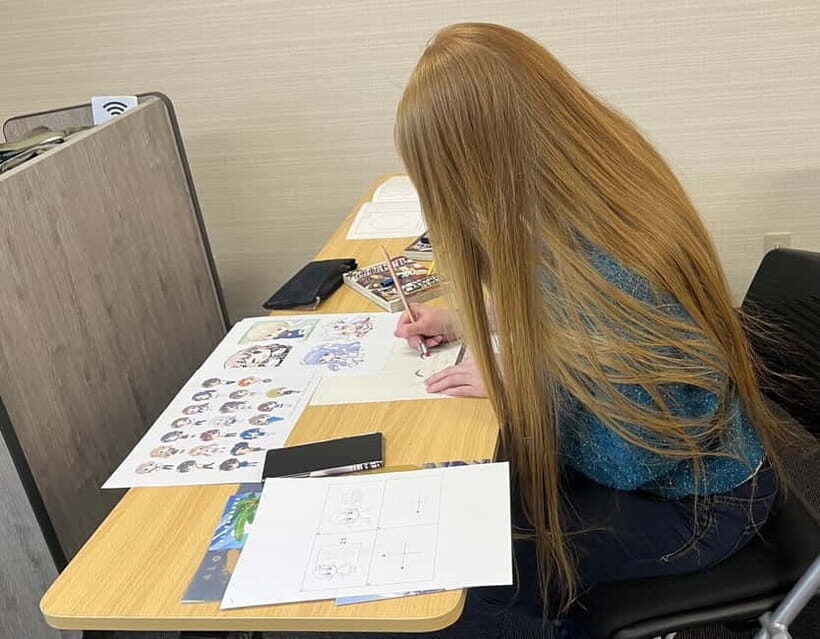
The venue is near Ikebukuro, and it’s described as right next to Animate. That matters more than it sounds. Ikebukuro is an area where you can easily stack plans—shopping, arcades, pop-culture browsing—and the workshop becomes part of a fun day rather than a separate chore.
Meeting point details can vary depending on the option you booked. So don’t assume you’ll meet at the exact same doorway every time. If you want a stress-free start, arrive a few minutes early and double-check where you’re supposed to go.
Because it’s a small group limited to 8 participants, timing matters. You’ll want to be seated and ready so you don’t miss the first drawing demonstration, which sets the stage for everything after.
Price and Value: Is $127 Worth It for Two Hours?
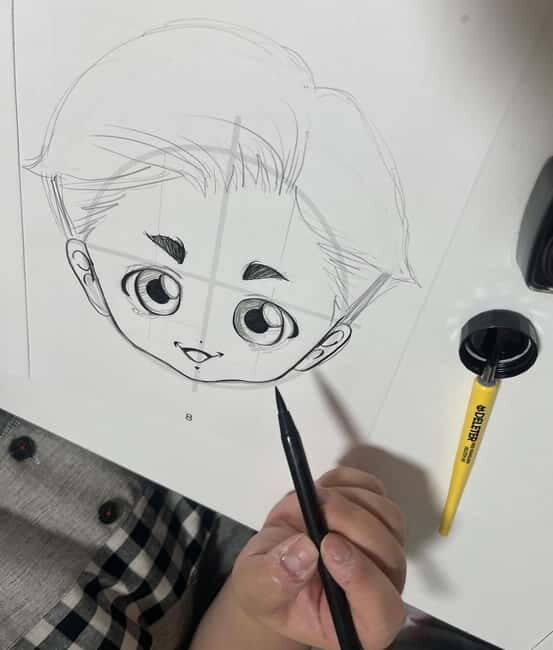
Let’s talk money honestly. At $127 per person for a two-hour class, this isn’t a cheap activity. If your main goal is “learn detailed manga drawing techniques like a multi-day course,” you may feel the time is short.
But value depends on what you’re buying. Here, you’re paying for three things that are hard to replicate on your own:
- A professional artist teaching you how manga panels and character expression work
- Provided tools (G-pen, ink, manga paper, screen tone), so you’re drawing with the right materials immediately
- English interpretation so you can understand steps and ask questions
Also, small group size helps the cost feel more reasonable. With fewer people, an instructor can correct your lines and suggest adjustments. That’s not guaranteed in every workshop.
One practical tip for getting your money’s worth: pick the right level. If you book Beginner but you’re already comfortable drawing faces, you may feel limited. If you book Advanced without basic comfort, you may spend energy just keeping up. Matching your choice to your current skill level is the simplest way to feel you got value.
If you want a quick creative souvenir and a real technique boost, it can feel worth it. If you want deep instruction across many pages, you’ll likely want a longer format.
Who Should Book This Manga Lesson in Tokyo?
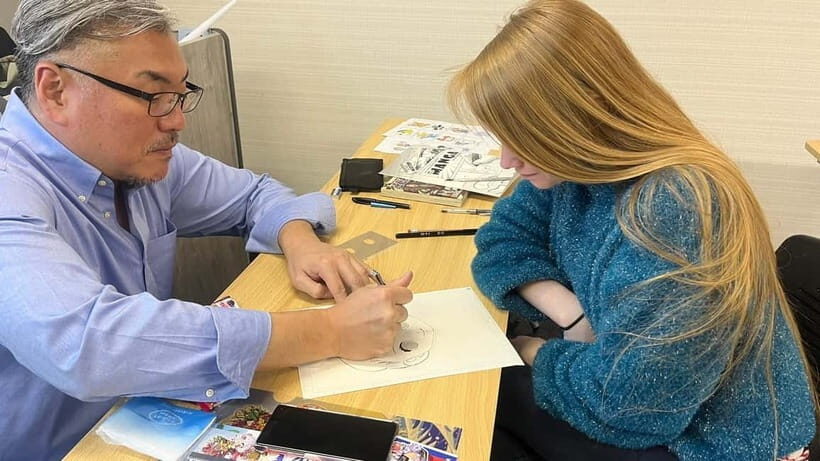
This workshop is ideal if you want hands-on art during your Japan trip—not just photos and a brief demo. You’ll draw a short story comic, learn how to create original characters, and practice with tools used in real manga workflows.
Book it if you:
- Enjoy drawing and want structured instruction in a fun setting
- Want an easy cultural activity with clear steps
- Travel with kids who like art and pop culture (the Beginner option is designed for younger participants)
- Want a studio-like experience with pros and a Q&A component (especially Advanced)
It may be less ideal if you:
- Need a long, detailed course to master technique (two hours is a sprint)
- Expect professional-level results in one sitting without practice after
- Are very sensitive to the idea of paying for interpretation and materials included
One note to confirm before you go: the information you’re given says wheelchair accessible, but it also flags that it’s not suitable for wheelchair users. If mobility access is a concern, check directly with the provider before booking so you’re not stuck with uncertainty.
Should You Book? My Practical Take
If you want a Tokyo activity that mixes Japanese pop culture with real drawing skills, I think it’s a strong choice—especially because you get pro instruction, tool access, and a short comic output in just two hours.
My “yes, book it” logic is simple: manga looks like a world you can’t enter unless you study, and this workshop gives you a door. You’ll leave with more than a memory. You’ll leave with a created character, a few techniques you can reuse, and a better feel for how panels work.
If you’re budget-stretched, you can make this decision easier by choosing Intermediate or Advanced. Those sessions align better with what adults typically want: character creation plus story layout, not only basic doodling.
FAQ
How long is the Tokyo/Ikebukuro manga lesson?
It lasts 2 hours.
Where do I meet for the class?
The meeting point may vary depending on the option you booked.
Is there an English interpreter during the lesson?
Yes. English interpretation is provided during the class.
What is included in the price?
All equipment for manga drawing is included, plus a small gift by a manga artist.
Is food included?
No. Food and drinks are not included.
Do I have to choose a level, and what are the options?
Yes. There are three levels: Beginner, Intermediate, and Advanced, each with different timing and focus. You choose the one that matches your skill level.
Is it suitable for young children or wheelchair users?
Children under 5 years are not suitable. The information also indicates wheelchair access, but it separately states it is not suitable for wheelchair users, so it’s worth checking with the provider before you book.