REVIEW · KYOTO
Kyoto: Gion Geisha District & Yasaka Shrine Walking Tour
Book on GetYourGuide →Operated by DeepExperience, Inc. · Bookable on GetYourGuide
Gion looks cinematic at night, but daylight shows the details. I love how this walk focuses on architecture you can actually study and then links it to the living culture of geiko and maiko. I also like that you’re not hustled into a sightseeing checklist; you get clear, respectful history as you move through the neighborhood.
One thing to consider: it’s a walking tour, so you’ll want comfy shoes and a little stamina for uneven neighborhood sidewalks and stone-paved lanes.
In This Review
- Key things you’ll notice on this Gion walk
- Why this Gion walk feels more meaningful than a quick stop
- Hanamikoji Street: the stone-paved spine of traditional Gion
- Shirakawa Canal: pretty photos, plus a lesson in how Kyoto spaces feel
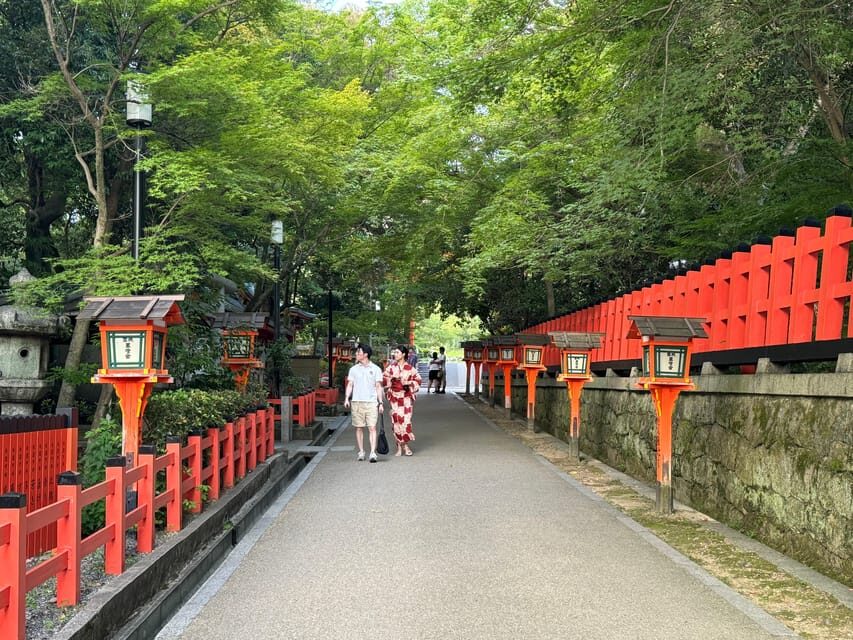
- Yasaka Shrine: the spiritual heart that gives the whole district meaning
- Geiko and maiko, explained with respect (not as a tourist chase)
- The 90-minute pacing: what fits, what doesn’t
- Price and value: is $38 worth it?
- Daytime choice: why this tour works better earlier in the day
- Should you book the Kyoto Gion Geisha District & Yasaka Shrine walking tour?
- FAQ
- How long is the Kyoto Gion Geisha District & Yasaka Shrine walking tour?
- Is this tour private?
- What language is the guide speaking?
- What does the tour include?
- What’s not included?
- Where does the tour start?
- Does the tour visit Yasaka Shrine?
- Is there flexibility if my plans change?
Key things you’ll notice on this Gion walk
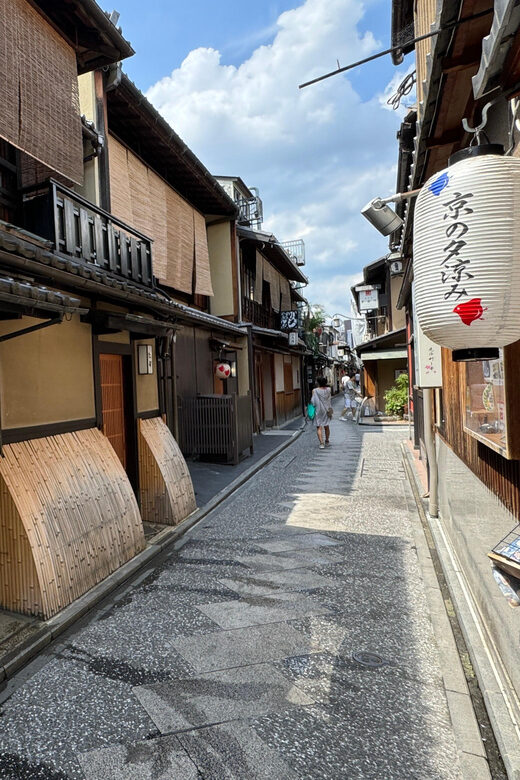
- Shirakawa Canal’s quiet beauty in soft daylight, with willow-lined views and preserved facades
- Hanamikoji Street’s machiya and ochaya atmosphere, not just a quick photo stop
- Yasaka Shrine as Gion’s spiritual anchor, tied to festivals like Gion Matsuri
- Geiko and maiko traditions explained clearly, with respect for discipline and craft
- Guides who adapt to the group, including helpful pacing and photo support (seen with guides like Peco and Yozo)
Why this Gion walk feels more meaningful than a quick stop
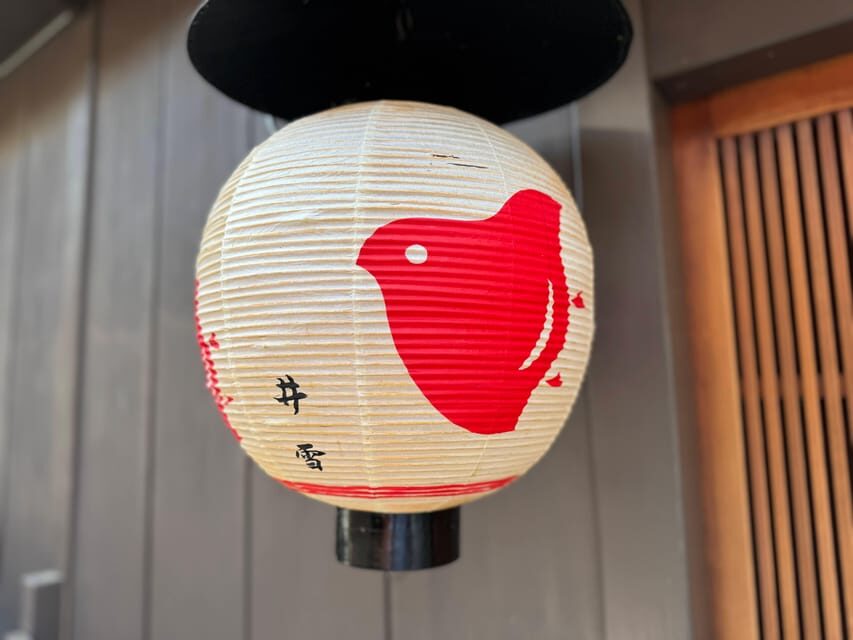
Gion can feel like a theme you’ve seen on postcards. Daytime flips that. Instead of chasing fleeting moments, you slow down and look at how the place is built and why it exists the way it does.
This tour is only 90 minutes, but it’s designed for quality over quantity. You’ll move through key streets and then into calmer visual pockets—especially around Shirakawa Canal—where the neighborhood’s shape becomes obvious. And because it’s private, your guide can shape the pace around your group rather than speed-running to hit the same six corners for everyone.
Most important, the tour isn’t framed as geisha spotting. You’ll learn about the roles of geiko and maiko in Kyoto society, including the cultural significance behind the performances and strict training. That changes the way you see what’s in front of you. You start looking for context instead of trying to catch a glimpse.
You can also read our reviews of more walking tours in Kyoto

Hanamikoji Street: the stone-paved spine of traditional Gion
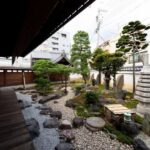
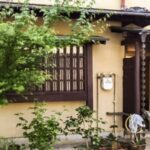
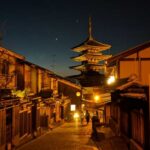
Your walk begins in the heart of Gion on Hanamikoji Street, the famous corridor lined with wooden machiya townhouses and traditional ochaya tea houses. The road is stone-paved, and in daylight you can spot little architectural cues that get lost after dark—details in woodwork, the rhythm of frontage, and the way buildings step back from the street.
What I like about walking this stretch with a guide is that you don’t just see old wood. You start to understand how those buildings function culturally. Machiya townhouses are a major part of Kyoto’s traditional streetscapes, and ochaya are linked to the social world of hosting and arts. Even without going inside anywhere, you’ll pick up why the street has the look it does: restrained, intentional, and designed for long-term continuity.
This part also helps you “set the frame” for the rest of the tour. If you arrive expecting only scenery, you’ll miss the point. Hanamikoji is where you first feel that Gion is built around tradition—less about performance-for-tourists, more about everyday structure that has supported artistry for generations.
Quick practical tip: wear shoes you trust on stone. If your feet get sore fast, tell your guide early so they can keep the pace comfortable.
Shirakawa Canal: pretty photos, plus a lesson in how Kyoto spaces feel
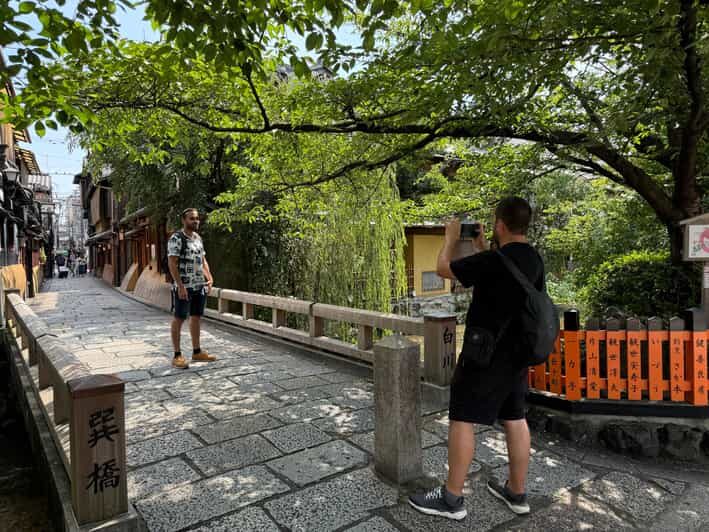
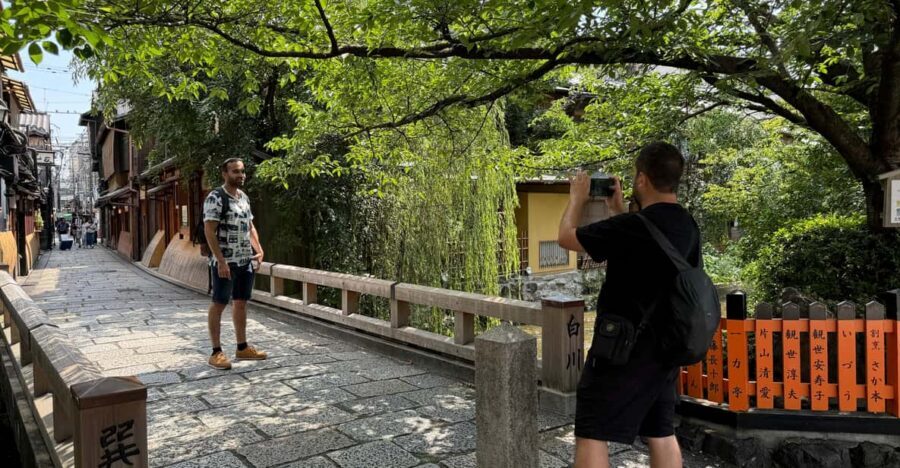
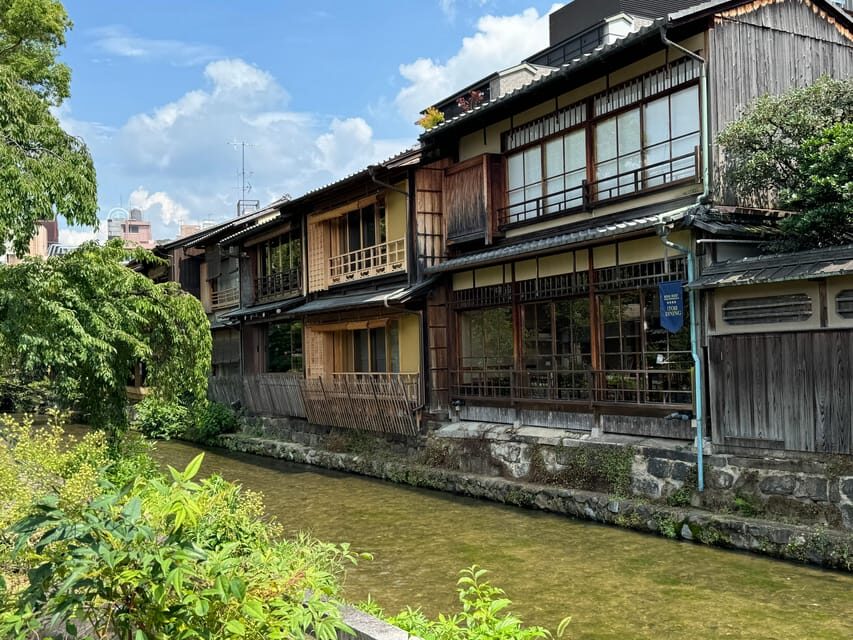
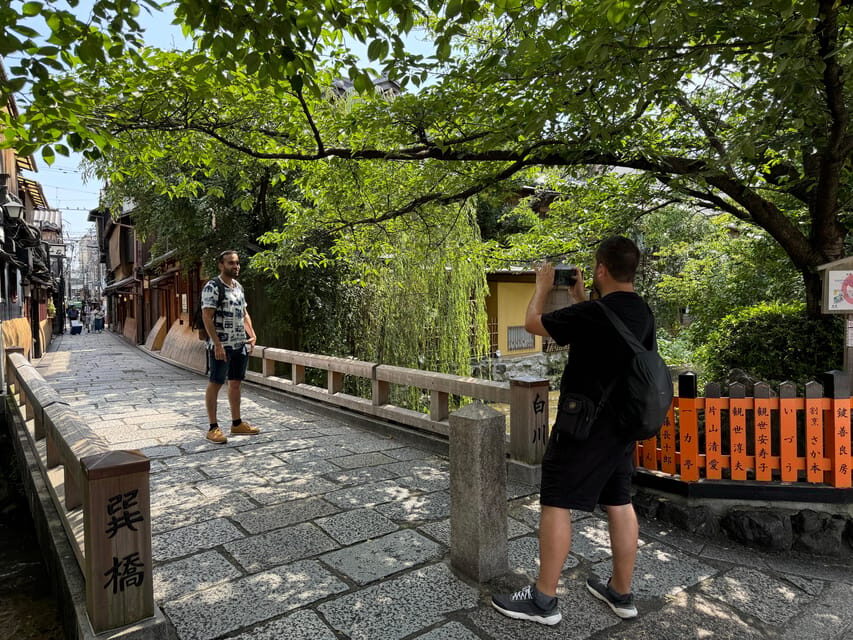
After Hanamikoji, the tour shifts toward calmer scenery at Shirakawa Canal. This is the stretch that makes people stop mid-walk: willow trees, small bridges, and beautifully preserved facades that reflect Kyoto’s refined aesthetic. The best part in daytime is that you can actually read the details. At night, the mood is dramatic, but you often miss the structure. Here, you notice how the canal corridor is framed and how the buildings face the water.
The guide’s commentary matters in this section. You’ll learn how the neighborhood’s identity isn’t just about what you can photograph—it’s also about how public and private space interact. The canal acts like a visual pause button. You’re walking, but you’re also standing in a carefully composed scene.
One subtle payoff: Shirakawa Canal can help you understand why Gion’s “stillness” feels earned. It’s not quiet because it’s empty; it’s quiet because the setting is designed to slow your pace.
If you want a tip for your own photos: take a few steps onto a bridge, pause, then look back the way you came. The canal framing changes depending on direction.
Yasaka Shrine: the spiritual heart that gives the whole district meaning
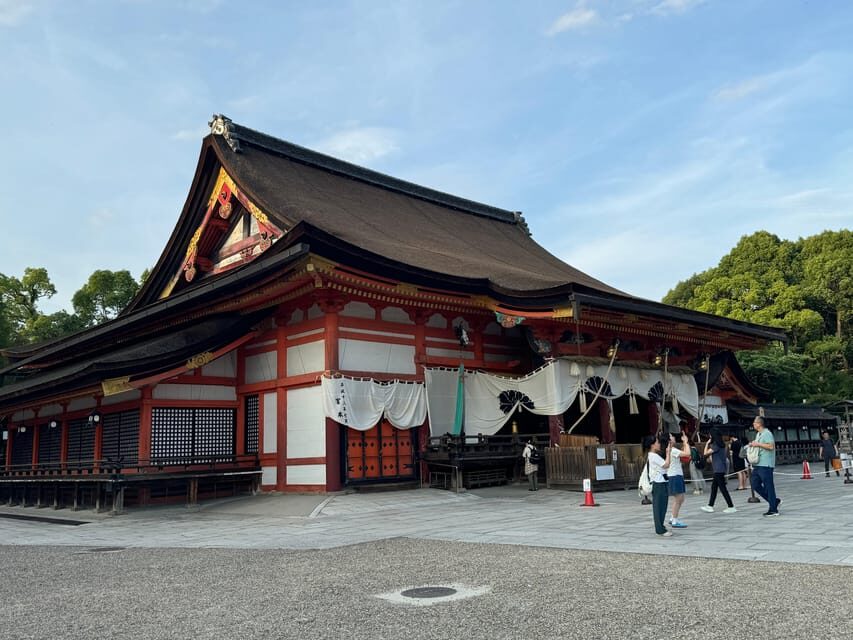
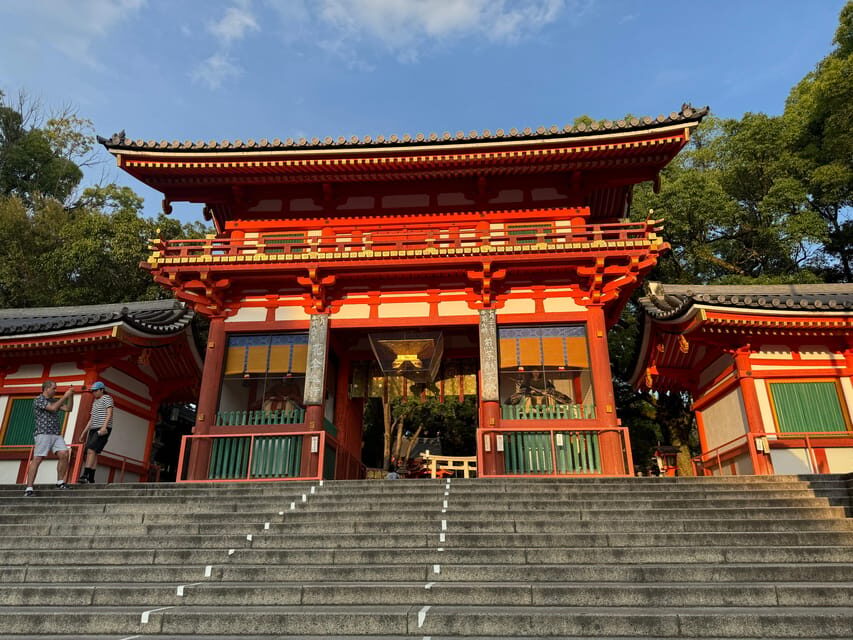
The tour includes Yasaka Shrine, described as the spiritual heart of Gion and one of Kyoto’s most important Shinto sites. The shrine’s history goes back over a thousand years, and it’s closely intertwined with the district’s development.
This stop gives you something the street scenes can’t: a sense of why people built and maintained a cultural neighborhood in the way they did. You’re not just learning that Gion has artistry. You’re understanding that religion and ritual sit alongside performing arts in Kyoto’s older city life.
The shrine also connects directly to major local festivals such as Gion Matsuri. Even if you’re not visiting during festival season, hearing how the shrine remains central to celebrations helps you grasp that Gion isn’t only “heritage for visitors.” It’s still a place with ongoing cultural rhythms.
What to watch for: look at the shrine as a relationship point—where the district’s identity and Kyoto’s broader spiritual calendar meet.
Geiko and maiko, explained with respect (not as a tourist chase)
A big reason to take this tour is the way it handles geiko and maiko traditions. Instead of focusing on sightings, the guide explains their cultural significance in Kyoto society and the discipline behind the arts.
That matters because Gion can be misunderstood when people treat it like a hunt for costumes. This experience reframes it. You’ll learn that geiko and maiko represent long training, dedicated craft, and social tradition—more about heritage and practice than about quick entertainment.
In my view, this is the part that makes the walk worth it for repeat visitors too. If you’ve seen Gion before, the district’s “look” may not surprise you again. But understanding the roles behind that look changes how the streets feel. Suddenly, you’re reading the neighborhood with better context.
You may also get a guide-specific touch. People have been pleased with friendly, clear explanations from guides such as Peco, and others have praised Yozo for being accommodating—especially helpful for groups with seniors or limited mobility. If that matters to you, don’t be shy about sharing your comfort level right at the start.
The 90-minute pacing: what fits, what doesn’t
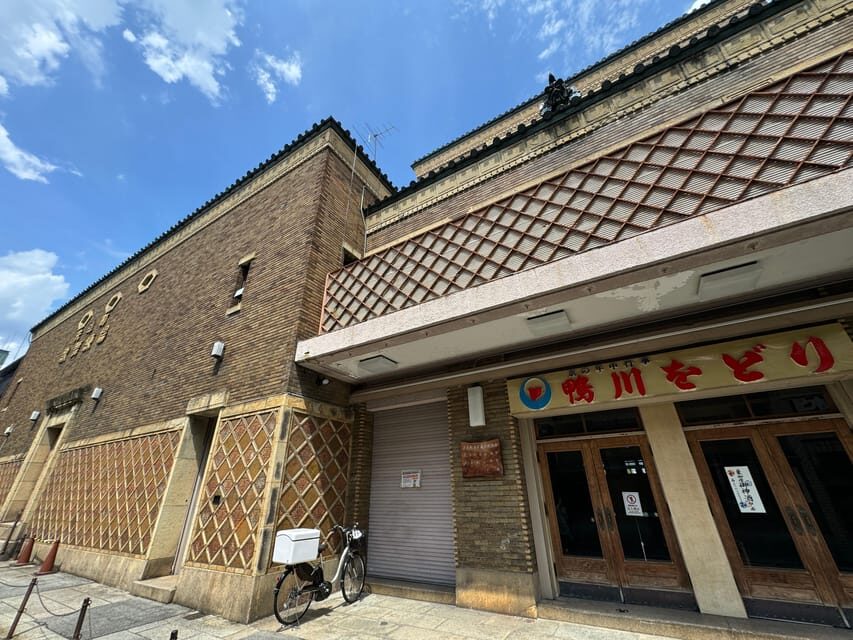
Ninety minutes sounds short until you’re actually walking Kyoto’s old lanes. Here’s how I’d think about it: the tour packs in major Gion “anchors” without trying to cover the entire district.
You’ll spend time moving through:
- Hanamikoji Street’s traditional streetscape
- the calmer, scenic corridor at Shirakawa Canal
- Yasaka Shrine as the spiritual and cultural connection point
- commentary throughout, tying architecture and ritual to performing arts tradition
Because the group is private, you’re likely to get a pace that works for your specific crew. One group was made up of seniors, including someone using a walking stick, and the guide was able to match a slower rhythm. That kind of flexibility is a real advantage on a walking tour.
What you should bring:
- comfy walking shoes (stone-paved streets are not sneaker-friendly if they’re worn out)
- a small umbrella or rain plan if weather turns
- a charged phone/camera if you want photos, since guides have been happy to help take them for the group
What you shouldn’t expect: this is not a stop-every-few-minutes shopping crawl. It’s a guided walking experience built for cultural context, not spending time in shops or eating during the tour.
Price and value: is $38 worth it?
At $38 per person for a 90-minute private guided walk, the value comes from three things:
- You’re paying for interpretation, not just access. A guide gives cultural and historical commentary throughout, and that’s what turns familiar streets into a story you can follow.
- You’re covering a meaningful cluster—Hanamikoji Street, Shirakawa Canal, and Yasaka Shrine—in one efficient session, rather than piecing it together yourself without context.
- Private group means you get adaptability. If your group needs a calmer pace or help with photos, you’re more likely to get it than on a large group tour.
Is it a bargain? If you compare to DIY sightseeing, of course it’s not “free.” But if you want the “why” behind Gion—especially the parts around geiko and maiko traditions—this kind of guided time is usually the difference between watching a neighborhood and understanding it.
Daytime choice: why this tour works better earlier in the day
I tend to pick daytime walks in Kyoto when the goal is architecture and clarity. Daylight reveals textures: the curve of a canal bank, the wood grain on machiya facades, and the design details you can easily miss when the streets are lit up for night energy.
Daytime also keeps the tone calmer for learning. You’re not competing with crowds in the same way, and you can focus on what your guide is explaining. The overall effect is that you leave with more than photos—you leave with better mental maps and a stronger understanding of what Gion represents.
Should you book the Kyoto Gion Geisha District & Yasaka Shrine walking tour?
Book it if you want:
- a 90-minute introduction to Gion that doesn’t turn into geisha-chasing
- a guided walk that links streets, architecture, and Shinto ritual
- a respectful explanation of geiko and maiko traditions
- a private group format where the pace can fit your group
Skip it (or adjust expectations) if you only want a long photography session or you’re looking for food included in the experience. This is a cultural walking tour with guidance, not a meal-focused outing.
If you’re trying to pick one Gion experience and you care about context, this is a strong choice.
FAQ
How long is the Kyoto Gion Geisha District & Yasaka Shrine walking tour?
It lasts 90 minutes.
Is this tour private?
Yes. It’s listed as a private group walking tour.
What language is the guide speaking?
The tour is offered with an English-speaking local guide, and the tour guide is available in English and Japanese.
What does the tour include?
Included are a private guided walking tour in Gion, an English-speaking local guide, and cultural and historical commentary throughout.
What’s not included?
Food and drinks are not included, and you’re also responsible for transportation to and from the meeting point and any personal expenses.
Where does the tour start?
The meeting point may vary depending on the option booked.
Does the tour visit Yasaka Shrine?
Yes. It includes a stop at Yasaka Shrine.
Is there flexibility if my plans change?
Yes, it offers free cancellation up to 24 hours in advance for a full refund, and you can reserve now & pay later.