REVIEW · TOKYO
Private Tokyo Discovery: Explore Tokyo with an Expert Guide
Book on Viator →Operated by Shingo Travel · Bookable on Viator
Tokyo gets easier with a real local guide. This private Tokyo discovery is designed for you to see real neighborhoods and mix classic landmarks with hands-on culture, guided by Shingo Travel. You get flexibility too: the plan can be customized around your interests, not forced into a one-size-fits-all schedule.
What I like most is the balance. I love that you cover iconic Tokyo stops like Meiji Jingu and Senso-ji, but you also spend real time in places locals actually use day to day, like the Sasazuka/Hatagaya shotengai areas. I also like the way the tour stays personal because it’s 100% private for your group, with an English speaking local guide.
The main thing to consider is logistics on foot and by public transport. There’s no car, food and drinks aren’t included, and the day can run up to 8 hours, so comfortable shoes are not optional.
In This Review
- Key takeaways before you book
- A private Tokyo plan that starts at Shinjuku
- Hatagaya and Sasazuka: local shotengai energy, not tourist noise
- Asakusa Ninja dojo time at the Musashi Clan Ninja Dojo
- Gakugei-daigaku Station: a quieter Setagaya pause between big names
- Meiji Jingu: a real reset under the trees
- Harajuku Takeshita Street for youth fashion and quick shopping energy
- Akihabara: anime, manga, and electronics browsing with context
- Shinjuku Golden Gai: neon lanes and that tiny-bar feel
- Senso-ji Temple and Nakamise Street: classic Tokyo, done right
- Price and value: is $180 per person worth it?
- What to expect from Shingo Travel in real life
- How to get the most from 4 to 8 hours
- Should you book Private Tokyo Discovery with Shingo Travel?
- FAQ
- How long is the Private Tokyo Discovery tour?
- Is this tour private or shared?
- Is pickup available?
- What’s included in the tour price?
- Are attraction tickets included?
- Where do we meet the guide?
- Is food included?
- Can I get a refund if plans change?
Key takeaways before you book
- Private and customizable route for your group, not a fixed bus tour.
- English speaking local guide (Shingo Travel) to help you navigate and choose what fits you.
- Mostly free admissions for major sights, with one paid activity option at the ninja dojo.
- A mix of Tokyo eras and vibes: shrine calm, anime streets, and neon alleys.
- Optional pickup at your accommodation plus a clear meeting point in Shinjuku.
A private Tokyo plan that starts at Shinjuku
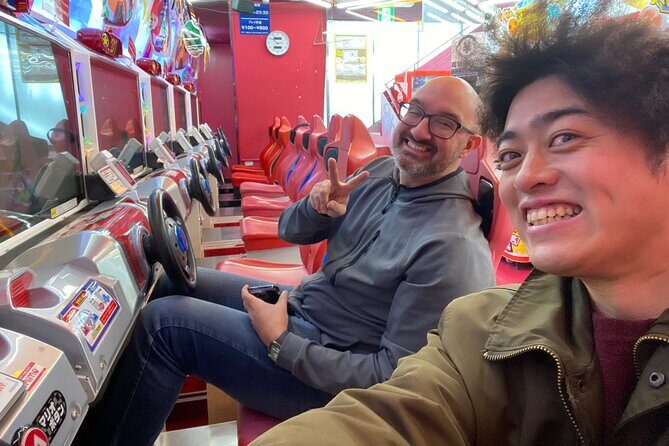
Your day begins at Shinjuku Station West Exit Police Box in Nishishinjuku, right in the city’s transport hub area. That choice is practical. Shinjuku is one of the easiest places to regroup, and it makes it simpler if you’re staying anywhere in central Tokyo.
From there, you’re not locked into a rigid script. This is a private experience with customization, so you can lean toward sightseeing, shopping time, or cultural activities. Expect 4 to 8 hours depending on your pace and interests, and know that it’s designed to be doable without a car, using trains and walking instead.
If you want it even easier, there’s an option to meet up at your accommodation for pickup. I like that you can choose the level of help you need. First-time visitors often appreciate starting with less “where do we go next” stress, while repeat visitors may prefer a quicker meet-up at Shinjuku.
One more practical perk: you’ll get a mobile ticket, which cuts down on paper tickets and last-minute confusion. And because this is only your group, your guide can respond to questions in real time instead of rushing to match everyone else’s pace.
You can also read our reviews of more guided tours in Tokyo
Hatagaya and Sasazuka: local shotengai energy, not tourist noise
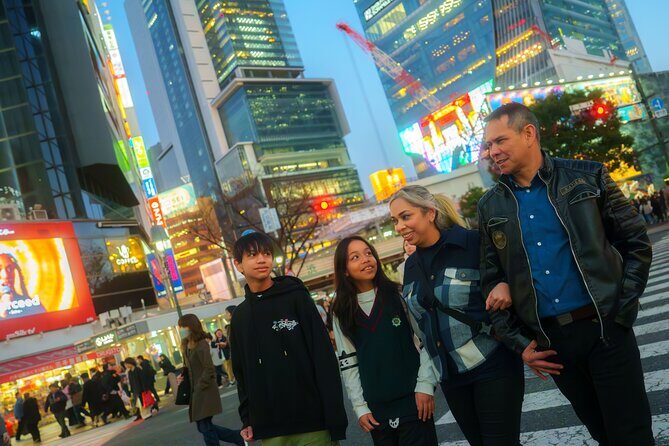
One of the best parts of this tour is how it starts away from the usual camera stops. In the Sasazuka and Hatagaya areas, you get a mix of older streets and everyday Tokyo routines.
A highlight here is Hatagaya Fudoson, plus time in the Sasazuka/Hatagaya shotengai scene, including Sasazuka’s 10 Street. Shotengai are the kind of shopping streets where locals pick up daily essentials, snack, and chat with shop owners. They don’t exist to entertain visitors, and that’s exactly why they’re fun to walk with a guide.
I like this section because it helps you get bearings fast. When you’ve spent a morning in a neighborhood that feels lived-in, the rest of Tokyo starts to make more sense. You’ll notice how people move through the area, where they pause, and what kinds of small shops still matter.
Possible drawback: if you’re hoping for a big “wow” monument right away, this part may feel more subtle. Still, it’s a strong foundation for the rest of the day.
Asakusa Ninja dojo time at the Musashi Clan Ninja Dojo
Then the energy shifts. You head to Asakusa for the Musashi Japan experience at the Musashi Clan Ninja Dojo. This is where the tour stops being just sightseeing and turns into a hands-on cultural lesson.
You’ll spend about an hour in the dojo setting, learning traditional ninja skills from experts. The door here is the keyword: it’s not just watching from the sidelines. You get a chance to participate, which can be especially satisfying if you learn best by doing.
One key cost note: the ninja dojo admission is not included. Everything else listed as free admissions is straightforward, but you should budget extra for this activity. I’d also suggest setting expectations: this isn’t a “watch a performance and leave” add-on. It’s a structured class format for your hour.
If you like Japanese culture beyond temples and photos, this stop is often the part people remember. It’s also a good counterbalance to the more modern tech and fashion areas later in the day.
Gakugei-daigaku Station: a quieter Setagaya pause between big names
Between the big landmarks, the itinerary includes time around Gakugei-daigaku Station in the Setagaya ward area. This part matters more than you might think. It acts like a breather zone, giving you a different Tokyo “lens” than the high-profile tourist circuits.
The neighborhood is associated with Gakugei University, and that shows in the feel: more relaxed residential vibes, with local daily life mixed in. It’s a useful stop if you want to avoid spending your whole day only in the loudest, most photographed districts.
There’s no admission ticket needed here, so you can use the hour to walk, get photos, and simply absorb the rhythm of the area. If your group gets tired of constant train transfers, this kind of calmer segment is a smart inclusion.
Meiji Jingu: a real reset under the trees
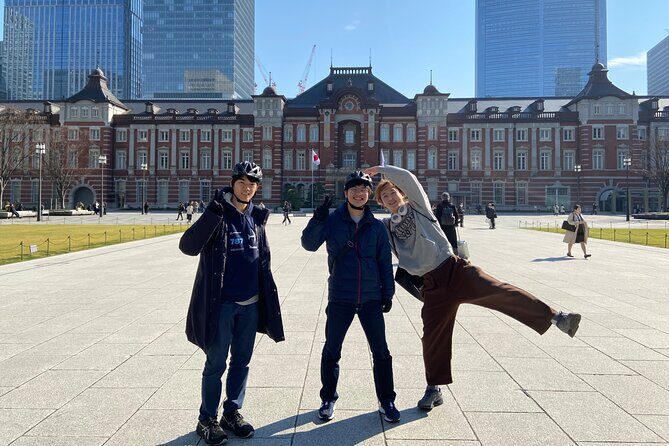
Next up is Meiji Jingu Shrine, one of Tokyo’s most soothing cultural stops. Entrance is free, and the experience is all about atmosphere: you leave the noise of the city behind and step into a calmer environment lined with towering trees.
This is the kind of place where you can slow your pace. Even if you only have an hour, it’s enough time to walk the main areas at an easy tempo and take in the layout without feeling rushed. If you’re the type who enjoys quiet breaks in between busier districts, you’ll appreciate this stop.
Practical tip: bring a layer. Shrine grounds can feel cooler than nearby streets, especially if you’re in between transit stretches.
You can also read our reviews of more private tours in Tokyo


Harajuku Takeshita Street for youth fashion and quick shopping energy
After the calm, you head toward Harajuku and Takeshita Street. This is where Tokyo shows a different side: youth fashion, pop culture storefronts, and lots of snack and shopping options within a pedestrian stretch.
Entrance is free, so you’re paying with time and walking steps, not tickets. You’ll get about 30 minutes here, which is enough for the essentials: quick browsing, a few photos, and a look at the shops that define this part of Harajuku.
What I like about a short stop like this is that it keeps you from losing the entire day to one neighborhood. If you want more time later, your private setup means you can ask your guide to adjust within reason.
If you dislike crowds, Takeshita Street might be intense. Go with the mindset of “walk through and look,” not “camp here for an hour.”
Akihabara: anime, manga, and electronics browsing with context

Then it’s Akihabara, Tokyo’s go-to area for anime, manga, and electronics. Entrance is free, and you get about an hour to explore.
This stop works best when you have a guide who can point out what matches your interests. Even without changing the streets, a good guide helps you understand what you’re seeing: what kinds of shops exist, how people shop, and where it’s practical to spend time if you want specific items.
Because the tour is private, you can also steer the direction. If you’re here for figures, card-related shops, games, or just the overall energy of the district, you can ask for that focus and your guide can keep you moving efficiently.
One practical consideration: electronics and specialty shops can take longer than you expect. Keep an eye on time so you still have energy for the next neighborhoods.
Shinjuku Golden Gai: neon lanes and that tiny-bar feel
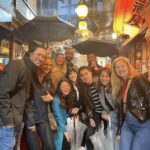
Shinjuku Golden Gai is a totally different mood. You explore the east side, where you get neon lights, small streets, and a dense cluster of nightlife options. The tour includes about an hour here, and entrance is free.
I like that Golden Gai is included because it’s not just “another shopping street.” It has a distinctive layout and vibe: narrow lanes, lots of lights, and a sense of Tokyo after dark even if you’re there earlier in the day.
Also, since this area is in Shinjuku, it ties back to your meeting point at the start. The route comes full circle in a satisfying way: you begin in Shinjuku transport mode and end in Shinjuku nightlife mode.
If you’re not interested in nightlife, you can still enjoy the atmosphere as street photography and a sense of place. Just know that the area is built around small venues, so it can be tight.
Senso-ji Temple and Nakamise Street: classic Tokyo, done right
To close, you head to Senso-ji Temple in Asakusa. Entrance is free, and this is one of the best-known temple areas in Tokyo for a reason. You can walk through the iconic Thunder Gate, then wander into Nakamise Street, where stalls line up along the approach.
This stop gives you the “classic Tokyo” moment without making it the only thing you do all day. Since you’ve already visited other neighborhoods and done a hands-on dojo experience, Senso-ji lands better. It feels like a highlight, not a repeat.
You’ll have about an hour here, which is enough to take in the temple area and browse Nakamise stalls at an easy pace. Food isn’t included, but this is exactly where you’ll see people buying snacks. If you want to try something, plan to do it here.
After Senso-ji, the tour ends back at the meeting point area, so your return is organized from the start.
Price and value: is $180 per person worth it?
At $180 per person, this tour isn’t a budget bargain, but it also isn’t priced like a luxury car service. You’re paying for a few concrete things:
- Private & custom: your group gets the guide time with room to adjust priorities.
- English speaking local guide: you’re not just buying a route; you’re buying navigation help and local context.
- A planned mix of free admissions: many of the core stops are free (Meiji Jingu, Akihabara browsing, Takeshita Street, Golden Gai, Senso-ji, and Hatagaya Fudoson).
- At least one paid activity depending on your choices: the ninja dojo admission is not included.
So the value depends partly on how you use the time. If you’ll do the ninja dojo and you want a guided plan to keep you from wasting time, the math tends to work out well. If you only want free sightseeing and would rather explore alone, you might feel the cost more.
What also helps is that the tour offers group discounts, which can reduce the per-person hit if you’re traveling with friends or family.
What to expect from Shingo Travel in real life
The vibe described around Shingo Travel is consistent: smooth coordination, solid knowledge, and a warm, helpful attitude. People highlight that Shingo makes transfers feel easy and that the sightseeing plan stays well organized from stop to stop.
I also like the practical angle: when a guide can help you find good food and drinks, that’s often where a Tokyo day improves fast. Even if food itself isn’t included, the tour format usually makes it easier to make smart decisions because you’re not stuck guessing where to go next.
If you want a guide who can both explain what you’re seeing and help you move efficiently through neighborhoods, this is a good match.
How to get the most from 4 to 8 hours
A day like this can pack in a lot, so small choices matter.
- Wear comfortable shoes. You’ll be on foot across multiple districts, and the tour uses public transportation instead of a car.
- Plan for a few purchases. Food and drinks aren’t included, and shopping options appear at multiple stops.
- Keep flexibility in mind. Since the experience is customizable, you can ask for more time in the places that click for your group.
- Budget extra for the ninja dojo admission. It’s not included, and you’ll want a clear head on the day.
If you’re someone who likes structure but also wants to steer the direction, you’ll like this format. It’s not “follow a rope line.” It’s “use a local expert to shape your day.”
Should you book Private Tokyo Discovery with Shingo Travel?
Book it if you want a private Tokyo day with an English speaking local guide and you like the idea of mixing famous areas with neighborhoods that feel more everyday. It’s especially attractive if you’re interested in hands-on culture because the ninja dojo option adds a real activity component, not just photos.
Skip it if you’re traveling on a tight budget and you’re comfortable navigating Tokyo alone with no need for guidance. Also consider it carefully if long walking and transit sounds like your personal nightmare, since there’s no car.
FAQ
How long is the Private Tokyo Discovery tour?
It runs about 4 to 8 hours.
Is this tour private or shared?
It’s private. Only your group participates.
Is pickup available?
Optional meet-up at your accommodation is offered.
What’s included in the tour price?
The tour includes a 100% private custom experience, an English speaking local guide, and a mobile ticket.
Are attraction tickets included?
Many listed stops are free, but the ninja dojo admission at Musashi Japan is not included. You should budget extra for that activity.
Where do we meet the guide?
The meeting point is Shinjuku Station West Exit Police Box, Nishishinjuku, Tokyo. The tour ends back at the meeting point.
Is food included?
Food and drinks are not included.
Can I get a refund if plans change?
Yes. Free cancellation is available up to 24 hours before the experience starts for a full refund.