REVIEW · TOKYO
Private Zen Meditation in English in Shinjuku, Tokyo
Book on Viator →Operated by 外国人向け体験ツアー · Bookable on Viator
A first sit in Zen can feel intimidating, but this one is built for real beginners. You get English guidance from a monk right at Denchuji Temple, plus a clear, step-by-step way to understand zazen. Two things I really like are the private format (you’re not squeezed into a crowd) and the option for chair zazen if cross-legged sitting isn’t your thing. A possible drawback: it starts early evening, so you’ll want to plan your Tokyo day around the 5:30 pm start.
Denchuji Temple isn’t just any temple visit. It’s a historic Soto Zen place with zazen practice going back to the 1600s, and it ties into the Soto school’s head temple, Eiheiji. For me, the best part is how the essentials of meditation are broken down into practical actions—posture, breathing, and mind—so you can actually do the practice instead of just watching.
In This Review
- Key things to know before you try Zen zazen in Shinjuku
- Denchuji Temple in Shinjuku: a Soto zazen setting with real roots
- What this means for you
- English zazen coaching: how the monk makes it understandable
- The private format changes the whole feel
- The three-part zazen formula: posture, breathing, mind
- Why this approach is worth your time
- Chair zazen in Tokyo: making the practice work for kids and limited mobility
- What you gain from chair zazen
- Timing and getting there: the 5:30 pm start in the Shinjuku area
- Practical tip for your evening
- What you get for $169.08: private attention, monk guidance, and real value
- About meals
- Who should book this private Zen meditation in Tokyo?
- The vibe you’re aiming for
- Should you book this private Zen meditation in Shinjuku?
- FAQ
- How long is the private Zen meditation session?
- Where does the session take place?
- Is the instruction offered in English?
- Is this a private tour?
- Can I sit in a chair instead of cross-legged?
- Is pickup offered?
- What’s included in the price?
- Are meals included?
- When will I get confirmation after booking?
- What is the cancellation policy?
Key things to know before you try Zen zazen in Shinjuku
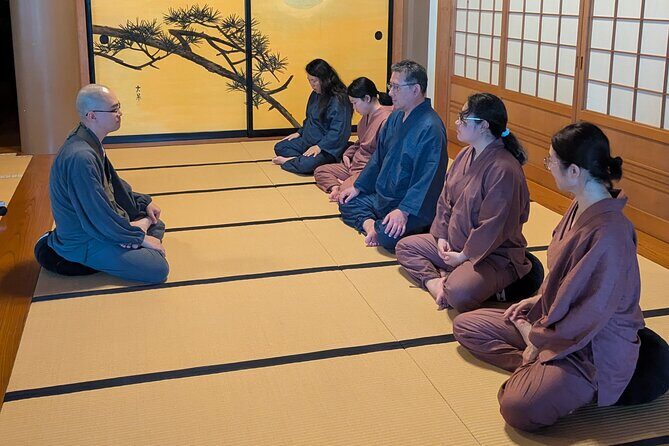
- Monk-led in English at Denchuji Temple for direct coaching where it matters
- Private session so you can ask questions without time pressure
- Zazen basics taught as three essentials: posture, breathing, mind
- Chair zazen available for kids and anyone who needs it
- Evening start with easy transit access near public transportation
Denchuji Temple in Shinjuku: a Soto zazen setting with real roots
This private Zen meditation takes place at Denchuji Temple, located in the wider Shinjuku area of Tokyo. The setting matters. Denchuji is a Soto Zen temple established in 1628, and its name shows up on maps from the early Edo period. The temple is also associated with Tokugawa Iemitsu, the third shogun of the Edo shogunate, which gives the place extra historical weight beyond the typical tourist stop.
What I like about this kind of temple visit is that you’re not doing meditation as a modern activity bolted onto a sightseeing plan. Zazen here is described as known since 1640, so you’re stepping into a practice tradition that has had centuries to stabilize into a clear method.
There’s also a meaningful connection to the Soto school’s head temple, Eiheiji in Fukui Prefecture. Denchuji’s former head priest, Zen Master Hata Egyoku, later served as the 76th chief priest at Eiheiji. That link gives your meditation a stronger sense of lineage, not just a one-off calming session.
You can also read our reviews of more private tours in Tokyo


What this means for you
You’ll likely feel the difference between a quiet room and an actual temple space built for practice. The goal is the same—steady attention—but the environment supports you. If you want an authentic introduction to Soto Zen, the temple choice is a big part of that value.
English zazen coaching: how the monk makes it understandable
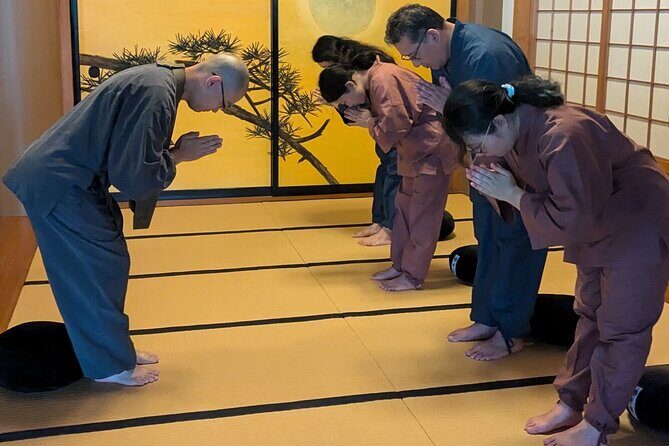
The core promise here is simple: you get direct instruction in English by a monk. Not a rushed audio guide. Not a translated worksheet you can’t quite connect to your body. The monk-led coaching is tied to a visually guided explanation, which is a smart move for beginners.
I also like that the experience is framed as suitable for both beginners and families. That doesn’t mean it becomes watered down. It means the teaching approach is likely designed to prevent the typical beginner trap: freezing up because you think there’s one perfect way you’re supposed to sit.
From the experience description, the essentials are taught in a relaxed way. You’re encouraged to enjoy the practice without pressure to stick to every technique perfectly. That tone matters. Meditation instruction can go one of two directions: rigid performance or supportive guidance. This one leans supportive.
The private format changes the whole feel
Because it’s private, you’re less likely to worry about disturbing anyone or falling behind. If you’re the kind of person who needs to ask one clear question to move forward, this is the setup that makes it possible.
The three-part zazen formula: posture, breathing, mind
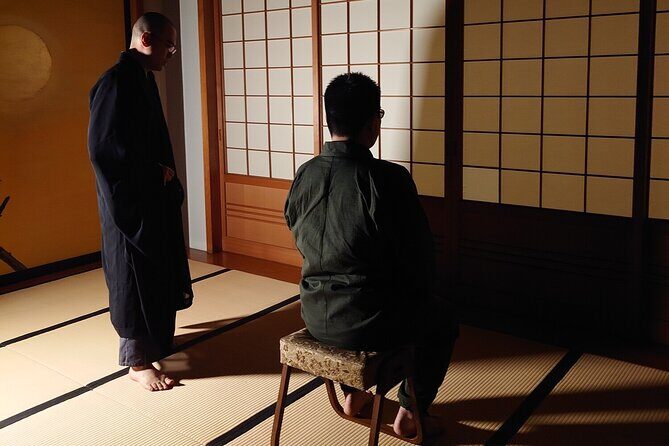
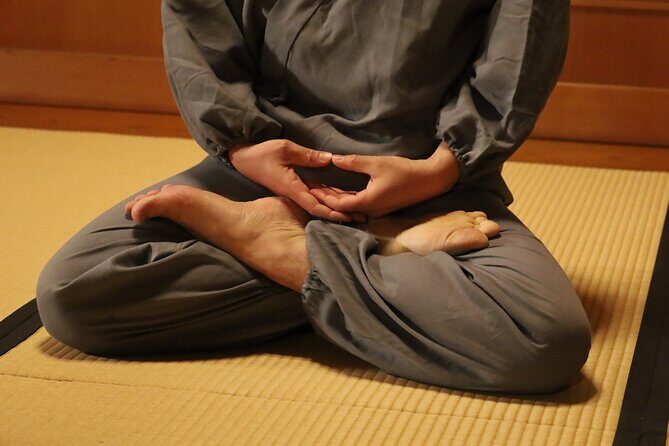
Zen meditation sounds mystical until you get the mechanics. This experience boils zazen down to three main components, described as the essential principles:
- Adjusting posture
- Regulating breathing
- Adjusting one’s mind
That’s a big deal for first-timers. Most beginners try to start with the hardest part, which is mind. But if your posture is off or your breathing is chaotic, your mind will fight back. By starting with body and breath first, the meditation becomes achievable.
Here’s the practical way to think about it as you sit:
- Posture is your base. The point isn’t acrobatics. It’s stability and comfort enough that you can stop fidgeting.
- Breathing gives your attention something steady. You don’t have to force anything; the goal is regulation and ease.
- Mind comes last. Once body and breath settle, attention becomes more natural to hold.






Why this approach is worth your time
You might go to a meditation session and spend 60 minutes feeling lost. Here, the teaching goal is to make sure you understand what you’re doing—at least at a basic level—so you can actually take something home. A short 90-minute session is often enough to learn the framework, especially when instruction is direct.
Chair zazen in Tokyo: making the practice work for kids and limited mobility
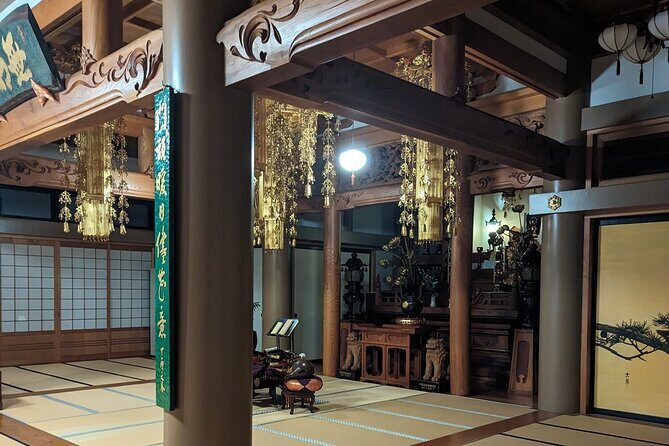
One of the most practical features is that chair zazen is available. If you can’t sit cross-legged (or if you’re guiding a child through the experience), this option helps you stay in the practice rather than spending the session struggling with your legs.
If you want chair seating, you’re supposed to inform the provider in advance. That’s important. It’s easy to think a chair will just be available when you arrive, but with meditation settings, prep is part of respect for the practice.
What you gain from chair zazen
Chair zazen doesn’t automatically mean less serious. In many Buddhist practice settings, the point is to support stability and attention. If you can sit comfortably and stay focused, you’re doing the work.
If you’ve ever tried to meditate on a couch, you know the problem: the body sags. A chair option here is likely meant to keep you upright enough to stay alert and grounded.
Timing and getting there: the 5:30 pm start in the Shinjuku area
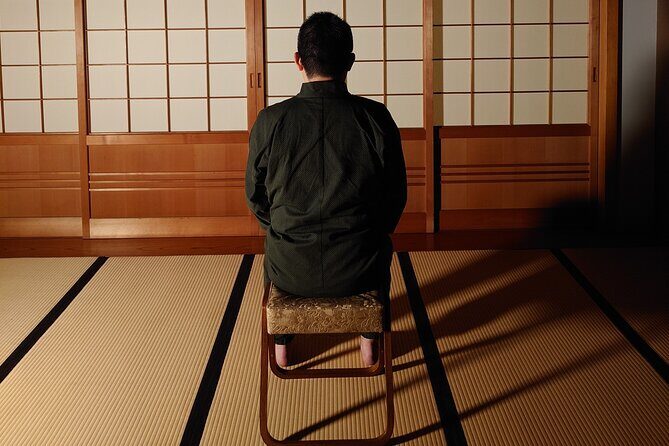
This session begins at 5:30 pm and lasts about 1 hour 30 minutes. Evening starts are great for people who want a calm activity after a day of walking, but they do mean you should plan dinner later (and not assume it’s included).
Meeting is listed near Edogawabashi Station (Edogawabashi Sta. 1-chōme-19-6 Sekiguchi, Bunkyo City, Tokyo). Even though this is described as Shinjuku-based, the actual meeting details are important—Tokyo is big and station-hopping is real. If you’re using public transit, I recommend giving yourself extra buffer time so you’re not rushing before you sit.
Pickup is offered, which can be a huge relief if:
- you’re traveling with family,
- you want a smoother start with less station math,
- you’d rather focus on arriving calm than figuring routes.
The day-of tech is also handled: a mobile ticket is provided, which helps reduce friction.
Practical tip for your evening
Try to keep the hour before your sit on the easy side. If you’re coming off a stressful commute or a huge meal, you’ll feel it during meditation. Aim for steady energy, not overdrive.
What you get for $169.08: private attention, monk guidance, and real value
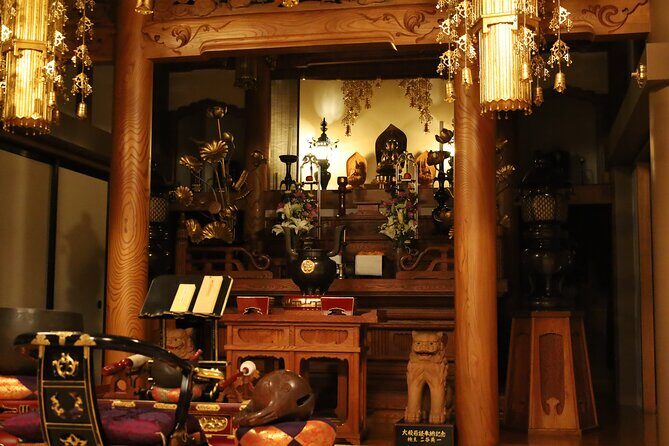
At $169.08 per person, this is not a budget activity. So the key question is: what exactly are you paying for?
You’re paying for three things that are hard to replicate elsewhere:
- Private instruction led by a monk at Denchuji Temple
- Instruction in English, which changes accessibility for beginners
- A structured explanation of zazen using the posture/breath/mind essentials
If you’ve ever done a group meditation where you can’t hear well or you feel hesitant to ask questions, you already know why private matters. Here, the session is built for beginners, so you can learn the framework instead of just trying to copy body language you don’t fully understand.
You’ll also have a multilingual local guide listed as English/French/German/Spanish, plus flexible planning in English. That means the experience is set up to reduce language friction, not just promise it.
There’s also a mention of group discounts. If you’re traveling as a family or as a small group, this can soften the price compared to booking solo.
About meals
Lunch and dinner aren’t included. That’s normal for a short evening practice, but it does affect value. You’ll want to plan where you’ll eat afterward, or grab something light earlier so you’re not hungry and restless.
Who should book this private Zen meditation in Tokyo?
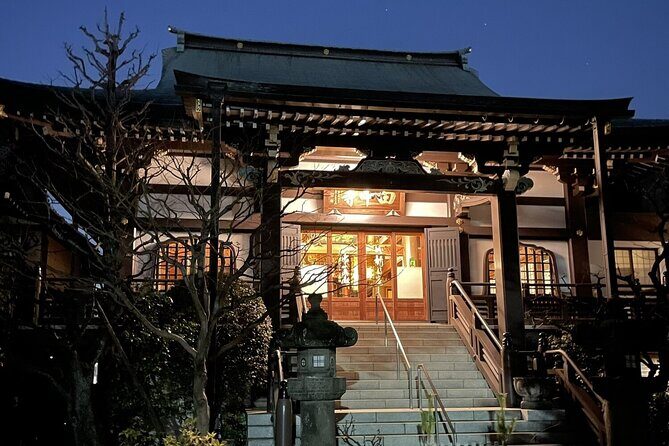
This is a strong fit if you want an introduction that is both authentic and practical.
It’s especially good for:
- beginners who want clear coaching rather than vague advice,
- families, because chair seating can support kids and different needs,
- anyone who worries they’ll do Zen wrong and would rather learn the basics in a calm setting,
- people who want a spiritual experience with structure, not just a quiet room.
Also, if you like the idea of learning about the samurai spirit through Zen, this is a thoughtful way to connect discipline and calm. The practice can feel connected to focused self-control—especially when you learn zazen as something repeatable, not magical.
The vibe you’re aiming for
Based on what people say about the session style, the emphasis is on peace, relaxation, and understanding. If you want a gentle entry into Japanese spiritual practice, this format is built for that.
Should you book this private Zen meditation in Shinjuku?
Book it if you want an English-guided, monk-led zazen experience that helps you understand what you’re doing—posture, breathing, and mind—inside a historic Soto Zen temple setting. Choose it especially if chair seating is relevant for you or your group, or if you value private instruction over group trial-and-error.
Skip it only if timing is hard for you (5:30 pm start) or if you’re looking for a long cultural tour with many extra stops. This is focused by design. You come for the sitting, the guidance, and the calm.
If you want one evening in Tokyo that actually changes your breathing and attention for the next day, this is the kind of booking that tends to make sense.
FAQ
How long is the private Zen meditation session?
It’s about 1 hour 30 minutes.
Where does the session take place?
It takes place at Denchuji Temple in the Shinjuku area of Tokyo, with the listed meeting point near Edogawabashi Station.
Is the instruction offered in English?
Yes. The zazen experience is guided in English by a monk, and there is also multilingual support listed for the local guide.
Is this a private tour?
Yes. It’s private, meaning only your group participates.
Can I sit in a chair instead of cross-legged?
Yes. Chair zazen is available. You should inform the provider in advance if you want chair seating.
Is pickup offered?
Pickup is offered.
What’s included in the price?
Guidance in English by a monk at Denchuji Temple, chair zazen option, and a multilingual local guide (English/French/German/Spanish), with flexible planning in English.
Are meals included?
No. Lunch and dinner are not included.
When will I get confirmation after booking?
Confirmation is received within 48 hours of booking, subject to availability.
What is the cancellation policy?
The experience is non-refundable and can’t be changed for any reason. If it’s canceled because a minimum number of travelers isn’t met, you’ll be offered a different date/experience or a full refund.