REVIEW · TOKYO
Tokyo: 2-Hour Asakusa Food Hunt & Cultural Tour
Book on GetYourGuide →Operated by Ninja Food Tours · Bookable on GetYourGuide
Asakusa smells like dinner and history. I like how this Asakusa food hunt pushes you past the obvious streets and into family-run stops, and I really like the practical how-to focus on eating sushi correctly. The only real catch is the schedule is tight: you cover about 1–2 km on foot in 150 minutes, so you’ll want comfortable shoes and a cool-weather plan if it’s hot.
You meet in the heart of Asakusa at Hinatomaru Kaminarimon, join a small English-speaking group (up to 6 people), and eat a full lunch-size set of tastings. It’s also built to keep the walking fun, not frantic, with guides like Max, Shino, Chi, and Leigh known for pacing and answering questions in clear English.
In This Review
- Key things I’d circle before you book
- Entering Asakusa through food, not a checklist
- Meeting at Hinatomaru Kaminarimon: your start point
- The sushi stop: standing counter, fish-dealer roots, real technique
- The soba and gyoza meal: a family restaurant pace
- Rice crackers with a 100-year streak
- Japanese snacks with 50 years behind them
- Sensoji Temple: culture after your taste education
- Price and value: what $76 buys you in real terms
- The guide experience: English clarity and gentle pacing
- What’s included (and what you still need to plan)
- Who this Asakusa tour is best for
- Should you book this 2-Hour Asakusa Food Hunt & Cultural Tour?
- FAQ
- How long is the Asakusa Food Hunt & Cultural Tour?
- What time does it run?
- Where do we meet?
- What’s included in the price?
- Is transportation included?
- What’s the cancellation policy?
Key things I’d circle before you book
- Small group size (up to 6) keeps the tour from feeling like a conveyor belt.
- Standing sushi plus eating lessons help you handle sushi the right way, not just order it.
- More than 4 local vendors with long-running family history means you’re sampling variety, not repeating the same thing.
- Soba, gyoza, rice crackers, and Japanese snacks cover sweet-salty-crunchy-brothy range in one tight route.
- Sensoji Temple is included so you get culture context, not just food.
- A 1–2 km walking loop in 150 minutes works well if you want a morning-to-lunch plan without committing all day.
Entering Asakusa through food, not a checklist
Asakusa is one of those Tokyo neighborhoods where you can easily end up walking the same “must-see” circuit as everyone else. This tour takes a different angle. You still get major cultural context, but the main event is eating your way through the everyday side of Asakusa: counters, small dining rooms, and long-established shops that don’t feel like theme parks.
That design matters for your trip. If you’re short on time, you get multiple bites and sit-down moments without having to plan each meal. If you’re picky about wasting vacation minutes, it helps you avoid the trial-and-error of finding places that match your tastes, your language comfort, and the local pace.
The food list is also thoughtfully varied. Sushi and seafood come early, then you shift to soba and gyoza, and later you get crunchy comfort foods like rice crackers and snack items with long backstories. By the time you reach Sensoji Temple, you’re already in the mindset of Japanese street-and-table culture, not just sightseeing while hungry.
You can also read our reviews of more food & drink experiences in Tokyo
Meeting at Hinatomaru Kaminarimon: your start point
The tour starts at Hinatomaru Kaminarimon in Asakusa (1 Chome-20-3 Asakusa, Taito City, Tokyo). That’s a practical base: you’re starting inside the neighborhood fabric instead of hopping across town for a “tourist staging area.”
This matters because you’re walking right away. You should plan to arrive a bit early, get your bearings, and be ready for some steady foot time. The route is roughly 1 to 2 kilometers total, which doesn’t sound huge, but it’s enough walking that comfortable shoes will keep you smiling.
The timing is also set: 11:30 to 14:00 (150 minutes). So you’ll want this tour as your meal anchor. If you snack heavily before it starts, you may feel stuffed by the final tastings.
The sushi stop: standing counter, fish-dealer roots, real technique
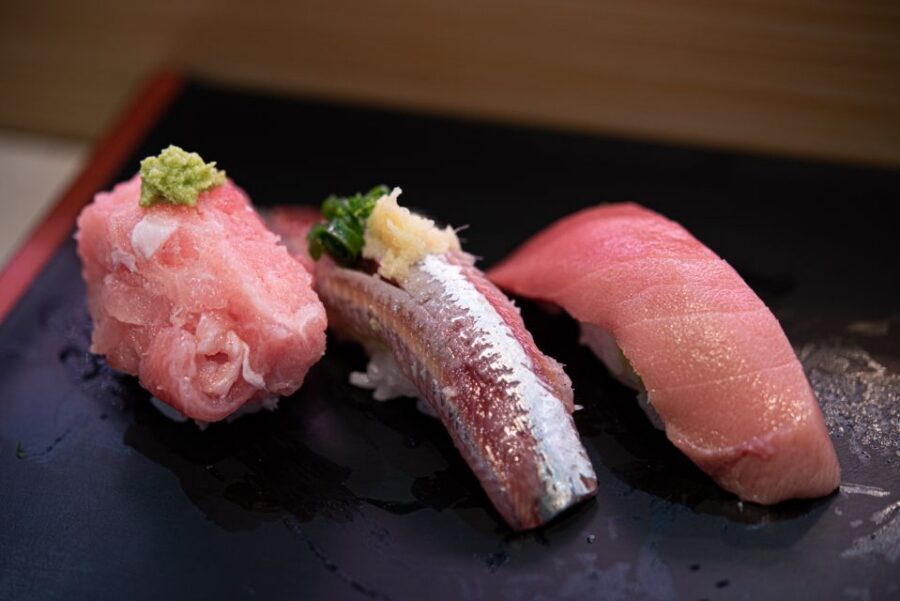
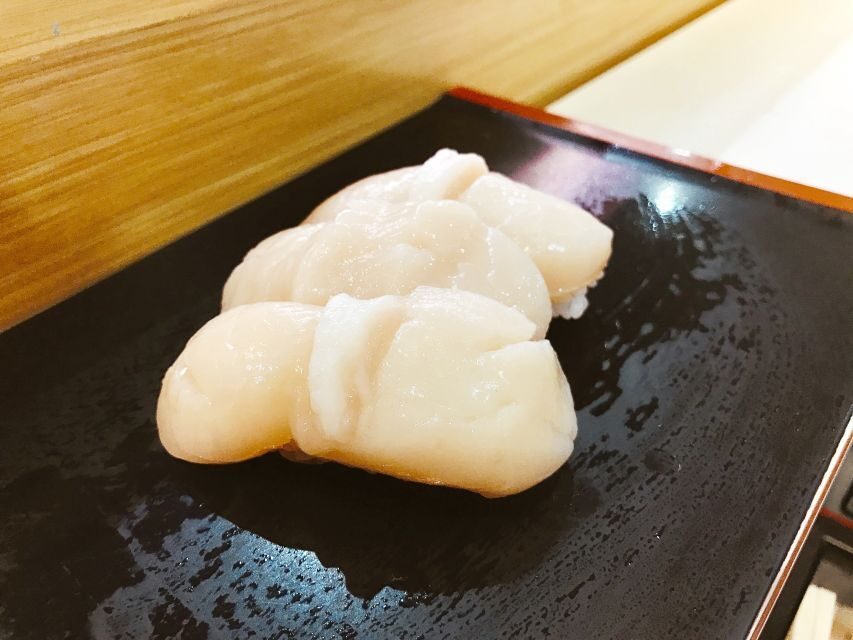
One of the best parts of this experience is the sushi lesson embedded right inside the first food stop. You visit a standing sushi restaurant owned by a fish dealer, which already sets the tone: this is seafood culture built on sourcing and freshness, not just “famous sushi” marketing.
What you get here isn’t only eating. You learn how to eat sushi properly, including the idea that sushi used to function more like fast food in Japan, and how it’s treated differently now. That context helps you understand why sushi etiquette exists at all. It’s not about being fancy; it’s about respecting a carefully made bite.
Practically, this stop is great for you if:
- you’ve eaten sushi before but want to remove guesswork,
- you want a more hands-on explanation than ordering off a menu alone,
- you want to taste fresh seafood you might not pick on your own.
A small consideration: standing sushi counters can be a little intense if you’re tired from the day or traveling with mobility limits. The tour lasts 150 minutes total and includes other sitting-style stops, so this isn’t your entire time standing, but it’s still worth knowing.
The soba and gyoza meal: a family restaurant pace
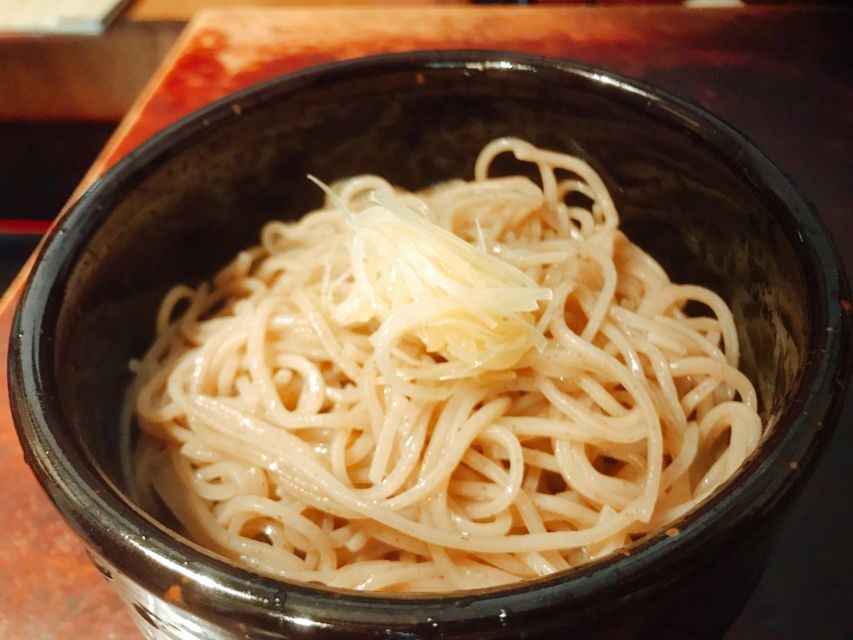
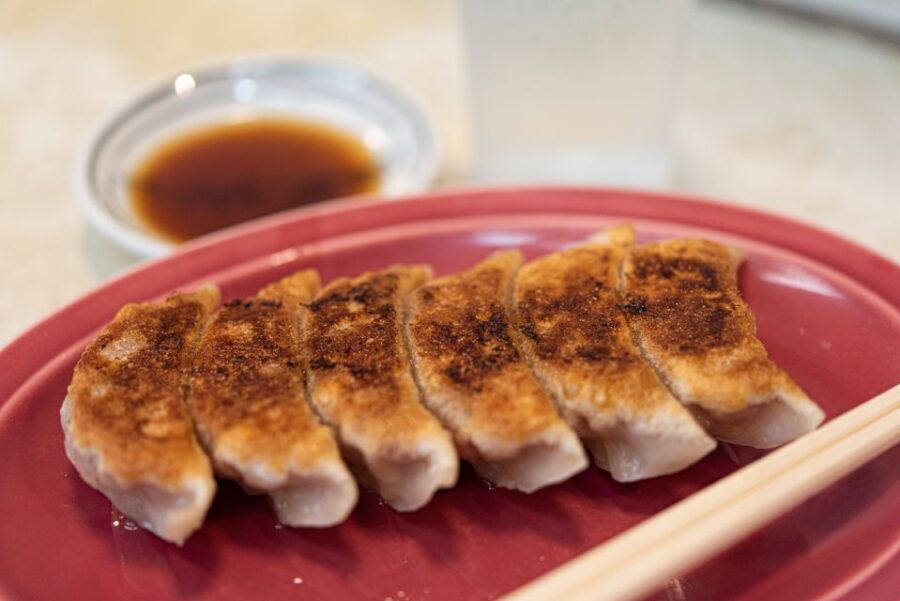
Next comes a family-owned soba restaurant where you’ll enjoy fresh soba and gyoza at a local spot that only locals go to. That wording matters: the whole tour aims to get you into places where you wouldn’t automatically end up by following the brightest signs.
Soba is one of those foods that’s easy to underestimate until you have it fresh and properly served. Here, you’re not ordering a random bowl; you’re experiencing soba as part of a meal culture. And gyoza in the same sitting keeps it grounded and filling, not just “light bites.”
This stop is especially valuable if you want to learn Japanese food beyond sushi. Tokyo can make it feel like sushi is the default “cool” choice. The soba and gyoza meal gives you a different set of flavors, textures, and eating rhythms. You also get a natural pause in the walking tempo, which helps when the day is hot.
Rice crackers with a 100-year streak
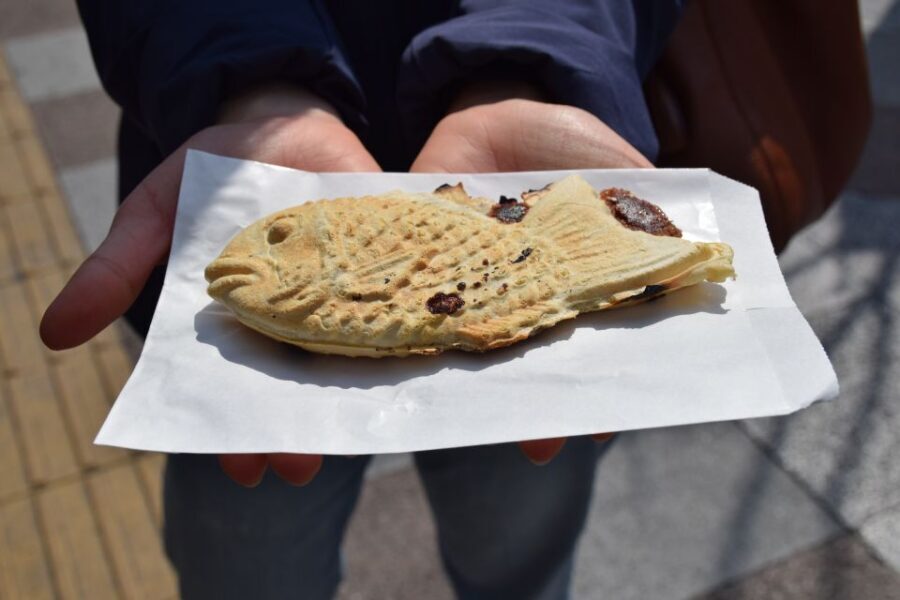
After you’ve had warm noodles and savory dumplings, the tour shifts toward crunchy snack culture with handmade rice crackers from a local store with over 100 years of history.
This is a smart mid-tour choice for two reasons:
- It breaks up the meal sequence so everything doesn’t blur together.
- It gives you something you can notice with your senses. Crackers are one of the easiest foods to evaluate by texture alone.
If you like taking home an edible memory, this kind of old-school shop stop often becomes the part you remember later because the flavor and crunch are so distinct.
The only drawback is also the most basic one: crackers can be deceptively filling. You’ll probably still want the later snack tastings, but pace your bites so you don’t run out of room before the end.
A few more Tokyo tours and experiences worth a look

Japanese snacks with 50 years behind them
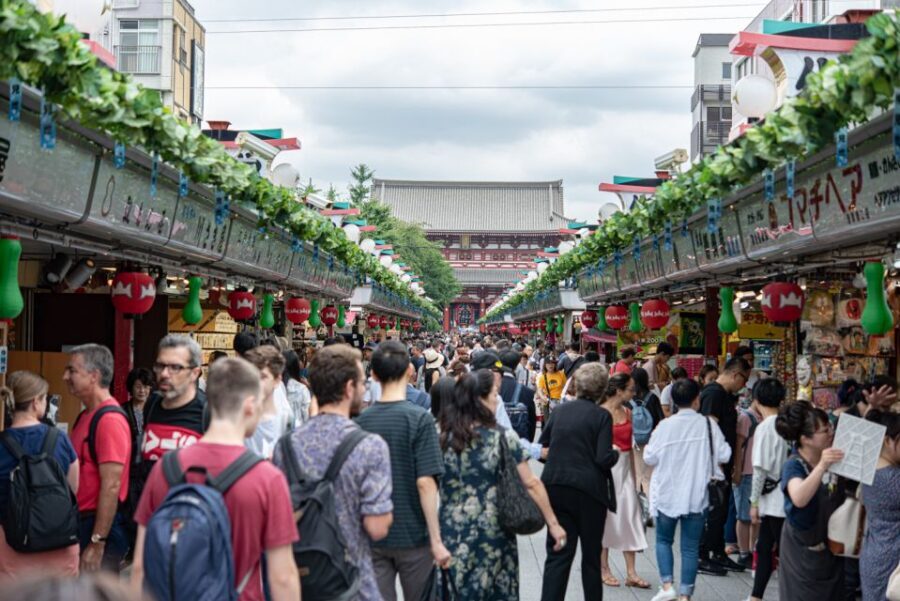
Toward the later part of the tour, you’ll taste Japanese snacks that started with a food stand 50 years ago in Tokyo. This is the kind of stop that feels small until you realize it’s part of how Japanese street food culture grew into what you see today.
These snack tastings are useful for you because they round out your meal picture. Sushi and soba teach you “table food” habits. Snack culture teaches you the in-between side of eating: the flavors people reach for while walking, waiting, or taking a quick break.
Even better, this stop isn’t about tossing random sweets at you. The tour is built as a progression: seafood to noodles to crunchy crackers to snacks, so you keep moving through different taste categories instead of repeating the same flavor profile.
Sensoji Temple: culture after your taste education
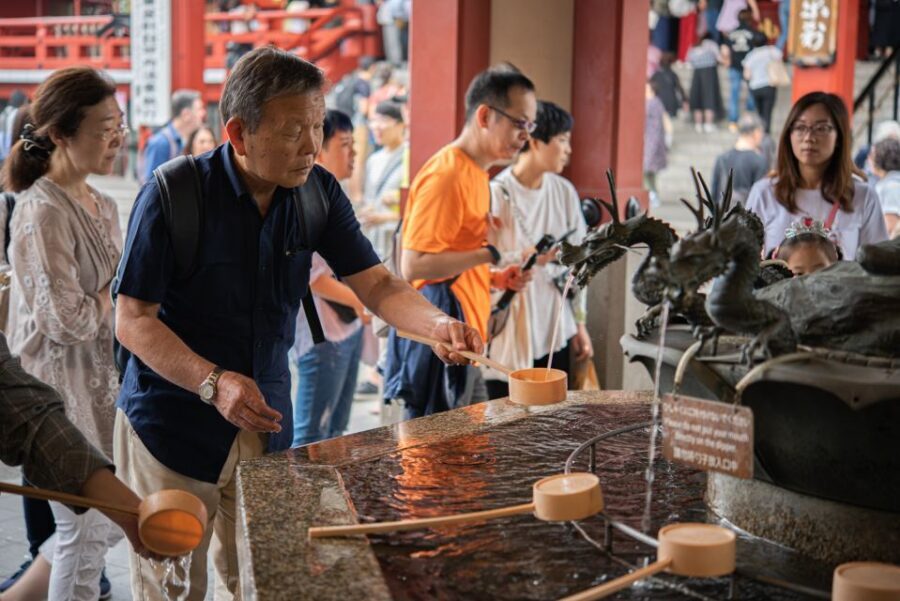
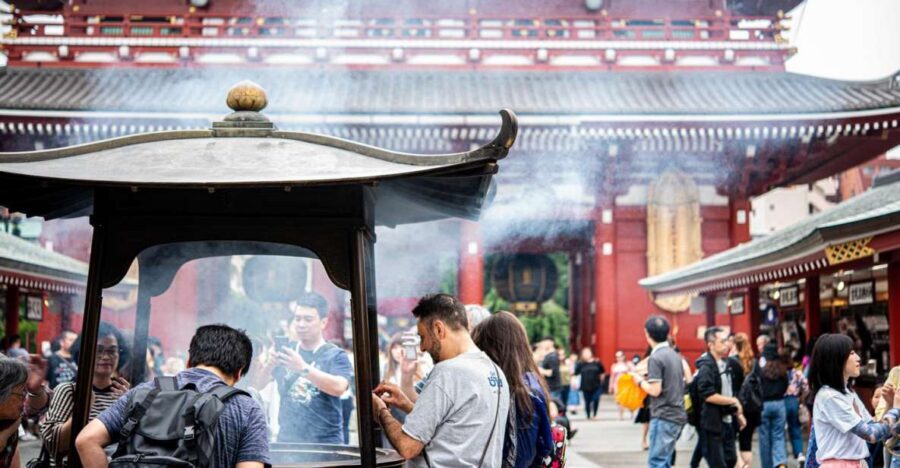
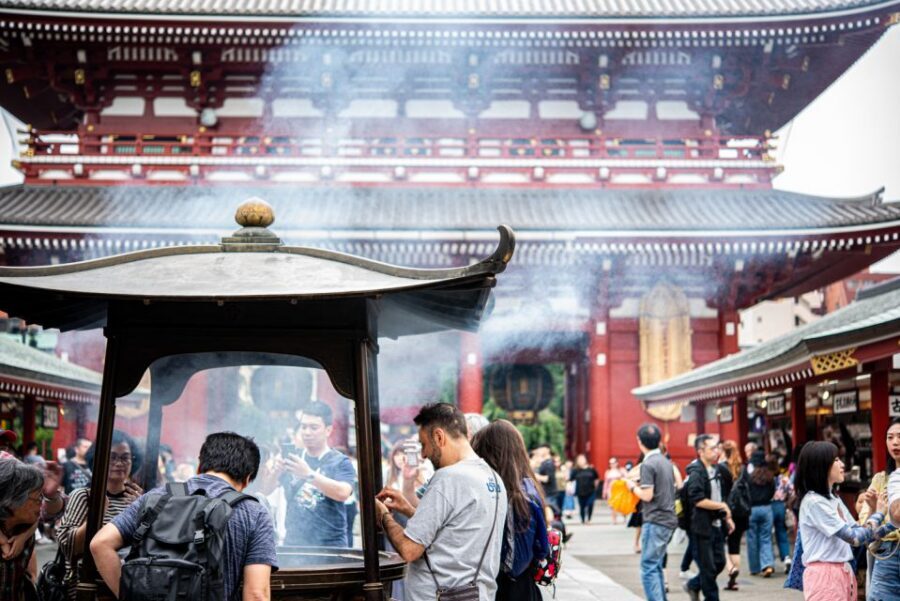
The final anchor is Sensoji Temple, one of the largest temples in Tokyo. The value here isn’t only the landmark. It’s the order of operations.
When you visit a major temple after you’ve already eaten, you tend to connect the cultural dots faster. You can better understand why so many Japanese food traditions are tied to daily life: seasonal rhythms, local vendors, and a sense of place that extends beyond the museum version of history.
You’ll learn about Japanese culture and history during the temple visit, which gives your meal tastings context. In plain terms: you eat first, then you look with more meaning.
A small practical note: temple walking can add extra steps beyond your initial 1–2 km estimate. The tour runs 150 minutes total, but you’ll still want to treat this as a walking experience, not a sit-down show.
Price and value: what $76 buys you in real terms
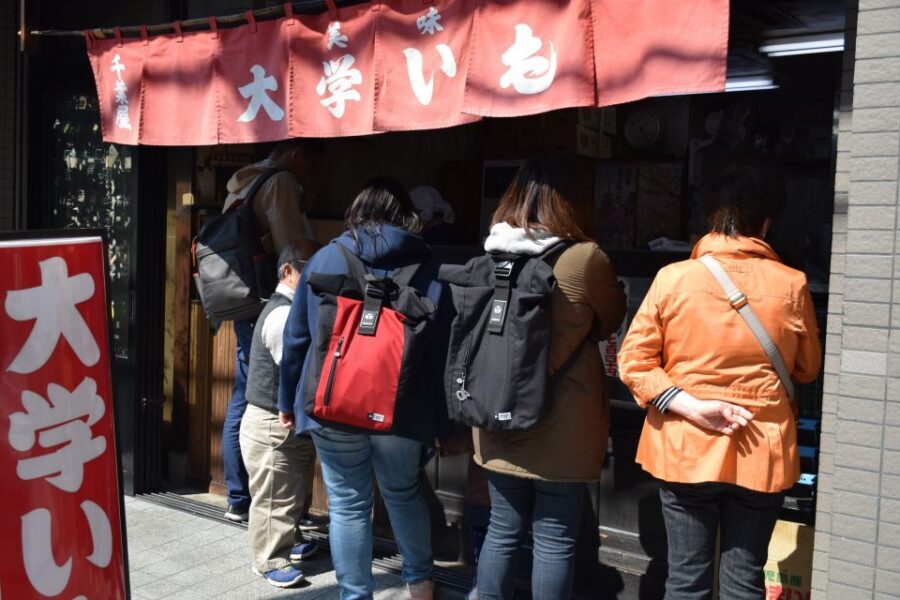
This tour costs $76 per person and includes full lunch size local food tastings plus the guide fee. Transportation isn’t included, so you’ll likely use subway or walk to get to Asakusa. If you’re already budgeting transit into Tokyo, that’s fairly normal.
Is $76 “cheap”? Not really. But is it good value? In my view, it can be—because you’re paying for several things at once:
- multiple stops across different kinds of food,
- at least one sit-down style experience (soba and gyoza),
- an eating-technique lesson for sushi,
- and a knowledgeable English-speaking guide who keeps the pace manageable in a small group.
For a lot of people, the real savings is not money. It’s time and decision fatigue. Hunting for four-plus great local vendors on your own in 150 minutes can turn into a messy scramble. This route does the sequencing for you.
Also, because the group is limited to 6 participants, you’re more likely to get personal help with questions, not just a fast-paced speech while you stand in line.
The guide experience: English clarity and gentle pacing
What repeatedly shows up as a highlight is the guide quality. Names you might hear include Max, Shino, Chi, and Leigh, and the common thread is clear English, a friendly manner, and the ability to keep people engaged.
If you care about practical details, this is where the tour earns its keep. The guide doesn’t just point at places; they explain how to eat sushi properly and share cultural context that makes the food make sense. They also tend to be patient and responsive, even when people ask lots of questions.
Pacing is another underrated factor. Even in a small group, food tours can feel rushed if the route timing gets too tight. Here, the tour design aims for smooth transitions, with time to sit, eat, and reset.
Weather also matters in Tokyo. One thing I appreciate in the tour approach is the attention to heat. If it’s hot, you should expect help with shade and fluids, so you’re not suffering through a meal marathon.
What’s included (and what you still need to plan)
Included:
- Full lunch size local food tastings
- Guide fee
Not included:
- Transportation
That simple breakdown helps you budget. Plan on paying for your own transit to and from Asakusa. Once you arrive, the food portion is essentially handled.
You should also plan your personal needs:
- Comfortable shoes for the 1–2 km walking segment
- Water planning on hot days
- An appetite that matches a full lunch-style set of tastings (this is not just snack sampling)
And yes, a tip for your guide is appreciated in Japan, so if you’re someone who already budgets for tipping, this is one place where it fits.
Who this Asakusa tour is best for
This experience fits best if you want Tokyo that feels local, not staged. It’s also a strong pick if you:
- like guided structure but still want to explore beyond the obvious streets,
- want to learn how to eat sushi with better technique,
- enjoy variety and don’t want to commit to one restaurant for your whole meal,
- prefer a small group (up to 6) over big crowds.
It can be less ideal if you:
- can’t handle standing for a portion of the sushi stop,
- want only temple time with minimal walking,
- are trying to eat very lightly and keep everything super spaced out (the tastings are lunch-sized).
Should you book this 2-Hour Asakusa Food Hunt & Cultural Tour?
Yes, I think you should book it if you’re aiming for an efficient, tasty introduction to Asakusa that blends food technique with cultural context. The combination of sushi with an eating lesson, a family soba and gyoza meal, and old-school snack stops makes it feel like a real neighborhood itinerary, not a generic sampler.
If your priority is shopping or temple-only sightseeing, you might skip it. But if your priority is eating well in a way that helps you understand what you’re eating, this tour is a strong value at $76 for a 150-minute lunch hunt—especially with a small group and English guide support.
FAQ
How long is the Asakusa Food Hunt & Cultural Tour?
The tour lasts 150 minutes.
What time does it run?
It runs from 11:30 to 14:00.
Where do we meet?
You meet at Hinatomaru Kaminarimon, 1 Chome-20-3 Asakusa, Taito City, Tokyo.
What’s included in the price?
The price includes full lunch-size local food tastings and the guide fee.
Is transportation included?
No, transportation isn’t included.
What’s the cancellation policy?
You can cancel up to 24 hours in advance for a full refund.