REVIEW · TOKYO
Tokyo 6 hr Private Guided Tour & Tea Ceremony Experience
Book on Viator →Operated by Japan Guide Agency · Bookable on Viator
A tea break changes how you see Tokyo.
This private-guided 6-hour day pairs big-name sights with a real tea ceremony, run by a licensed local English-speaking guide so you don’t waste hours playing transportation roulette.
I like that you get hotel pickup when you’re staying in one of Tokyo’s 23 Special Wards, which makes the start feel easy. I also like the freedom to shape the day by choosing 2–3 places from the tour’s sight list, so you’re not stuck checking boxes you don’t care about.
One thing to watch: not every stop has its admission included, and the tour does not include access inside the Imperial Palace. If you hate surprise extra fees, plan ahead.
In This Review
- Key points to know before you go
- Price and what you’re really paying for ($161.25 per person)
- Why the tea ceremony stop is the best “value add” in Tokyo time
- How the 6 hours can feel full without feeling chaotic
- Jidaiya, Asakusa, and Senso-ji: your old-Tokyo anchor
- Jidaiya (a cultural start instead of a random photo stop)
- Asakusa + Senso-ji: the big temple energy, with context
- Imperial Palace grounds + Hamarikyu Gardens: a calm break with a real rule
- Imperial Palace area: see the park setting, not the inside
- Hamarikyu Gardens: a garden moment near Tokyo Bay (and extra admission)
- Shibuya Scramble Crossing + Takeshita Street: the Tokyo “wow” circuit
- Shibuya Scramble Crossing: photo spot with choreography
- Takeshita Street (Harajuku): teen fashion energy and shopping streets
- Meiji Jingu Shrine: a reset right next to transit chaos
- Akihabara and Tsukiji Outer Market: pick your Tokyo flavor
- Akihabara: electronics and the tech side of Tokyo
- Tsukiji Outer Market: food browsing without the full-timesink
- Gardens with extra entry: Rikugien, Koishikawa Korakuen, and Shinjuku Gyoen
- Rikugien Garden
- Koishikawa Korakuen Garden
- Shinjuku Gyoen National Garden
- Shinjuku Golden Gai: small lanes, big character
- Guide quality varies: what I’d watch for with different guides
- Who should book this Tokyo tea ceremony + guided sights tour
- Should you book this Tokyo 6-hour Private Guided Tour with Tea Ceremony?
- FAQ
- How long is the Tokyo 6-hour private guided tour?
- What does the tour cost per person?
- Does this experience include hotel pickup?
- Is the tea ceremony included?
- Are entrance fees included for all stops?
- Is lunch included?
- Is kimono rental included?
- Do I need a private vehicle for this tour?
- How many people are in the group?
- Can I cancel for a full refund?
Key points to know before you go
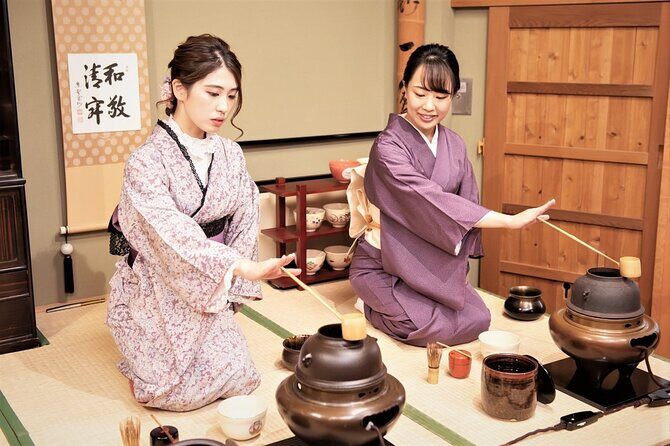
- Tea ceremony included, with a slower cultural moment inside a fast city day
- Licensed local English-speaking guide keeps the route understandable and efficient
- Hotel pickup offered from Tokyo’s 23 Special Wards (otherwise you meet within a designated area)
- Flexible pick-2-to-3 sites approach means the day matches your interests
- Some garden admissions are not included, so budget for a couple entries
- Max group size is 10, so it’s small enough to feel personal
Price and what you’re really paying for ($161.25 per person)
At $161.25 per person for about 6 hours, this is priced like a serious guided day, not a “hop-on, hop-off” shuffle. The value comes from three things working together:
First, you’re paying for a licensed local guide who can connect the dots between neighborhoods. Tokyo is huge and fast-moving. When you have one person handling timing and direction, you save energy for actually looking.
Second, you’re not just sightseeing. The ticket includes a tea ceremony experience, which is the kind of cultural stop that usually costs extra or requires separate planning.
Third, many headline sights here don’t require paid entry (temples and major outdoor areas), which keeps your “what will this cost in the end?” stress lower than it is on tours where every stop has an admission fee.
What’s not included is also important for your budget:
- Transportation fees (you’ll cover getting around)
- Lunch
- Some garden admissions (Hamarikyu Gardens, Rikugien, Koishikawa Korakuen, and Shinjuku Gyoen are flagged as not included)
- Kimono rental (not included)
- Private vehicle (so you’re moving via public transit or on foot with your guide)
If you want maximum value, pick a mix that includes at least one paid-at-the-door option you’re genuinely excited about, and let the free stops do the heavy lifting.
You can also read our reviews of more guided tours in Tokyo
Why the tea ceremony stop is the best “value add” in Tokyo time
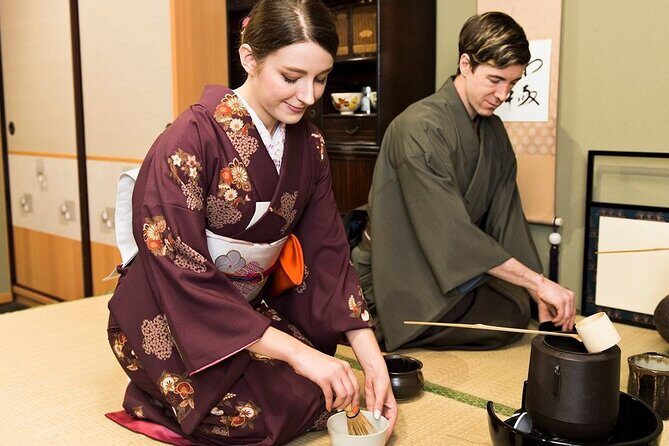
A 6-hour Tokyo day can feel like a sprint. The tea ceremony changes the rhythm.
You’re getting one scheduled cultural activity built into the day, instead of trying to tack it on later. That matters because Tokyo planning can be sneaky-hard: the city’s transit is excellent, but transfers plus timing plus crowds can eat your day.
Because tea ceremony participation is included, you don’t need to spend time hunting for a compatible time slot. You just follow your guide’s instructions and treat the experience like a reset button. Even if your Japanese is basic, having the guide handle the flow is what makes it feel smooth.
Tip: don’t plan your next stop as if it’s a quick walk. Give yourself a little buffer afterward so the day still feels enjoyable.
How the 6 hours can feel full without feeling chaotic
The tour is structured around choosing from a list of possible Tokyo stops. In practice, that means your guide can build a route that makes sense for your interests and the day’s flow.
You’ll see a classic “Tokyo contrast” route theme: old-meets-modern and shrine-meets-shopping districts. That’s a smart way to experience Tokyo because the city’s personality changes block by block.
It’s also small-group friendly. Even though it’s described as private, the maximum number of travelers is 10, which generally keeps things from turning into a wall of people at each photo stop.
Jidaiya, Asakusa, and Senso-ji: your old-Tokyo anchor
If you pick the eastern old-city cluster, you start with Jidaiya and then move into Asakusa’s historic atmosphere.
Jidaiya (a cultural start instead of a random photo stop)
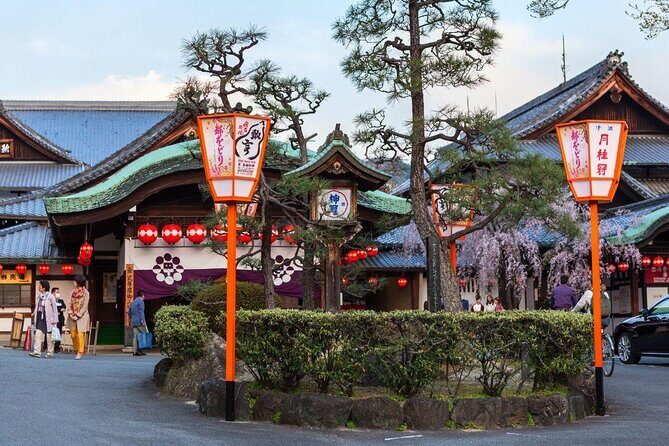
Jidaiya is positioned as an alternative to Asakusa sightseeing for people who want something more authentic. The key benefit here is that it’s not only about looking. It’s about understanding how Japanese culture can be packaged as a learnable experience.
Time-wise, it’s about 1 hour, so it gives structure early. If you arrive in Tokyo already worn out from jet lag, this is a good “settle in and start making sense of the city” option.
You can also read our reviews of more private tours in Tokyo



Asakusa + Senso-ji: the big temple energy, with context
Asakusa is Tokyo’s Shitamachi, often described as the older “low city” vibe where past decades still show through. The tour highlights Senso-ji, one of Tokyo’s most colorful and popular temples.
What I like about having these paired with a guide is the difference between standing in a crowd and actually knowing what you’re looking at. Senso-ji is visually intense, and it helps to have someone explain the story thread so it doesn’t just become landmarks-you-scroll-past.
The temple stop is short, and that’s okay. You’re not trying to master every side street. You’re getting the emotional hit and then moving on.
Possible drawback: because it’s a temple area with heavy foot traffic, you should expect crowds and slower movement during busy hours. A guide helps, but it’s still Tokyo.
Imperial Palace grounds + Hamarikyu Gardens: a calm break with a real rule
If you want a breather between the high-energy districts, this pairing works well.
Imperial Palace area: see the park setting, not the inside
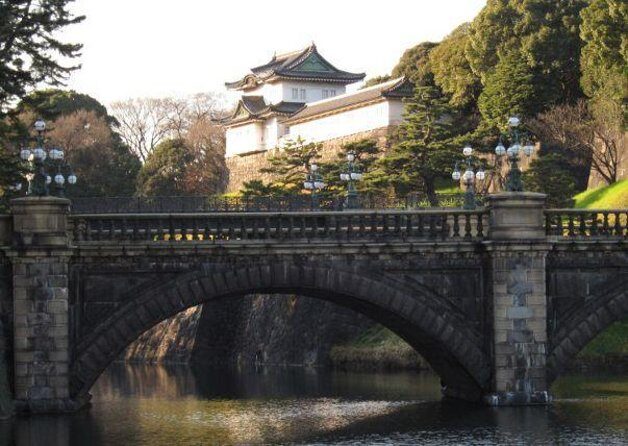
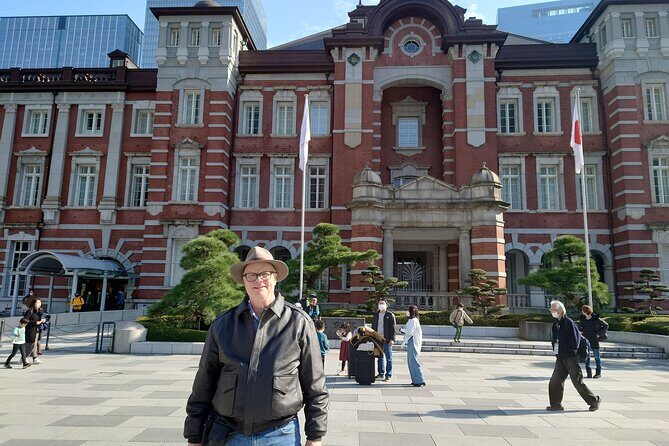
This tour explicitly notes that it does not include access to the inside of the Imperial Palace. That’s an important limitation. The value you still get is the setting: it’s on the former site of Edo Castle and surrounded by a moat-and-park kind of layout.
So if your goal is inside-the-palace access, this won’t deliver. But if your goal is to understand Tokyo’s geography and how power shapes city space, the outside views can still feel meaningful.
Hamarikyu Gardens: a garden moment near Tokyo Bay (and extra admission)
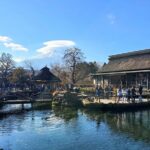
Hamarikyu is a large garden in central Tokyo by Tokyo Bay. The tour notes seawater ponds that change levels with the tides, plus a teahouse in the setting.
The practical point: admission is not included here, so treat Hamarikyu like a paid add-on you opt into. If you like gardens, this is a strong choice. If you’re not a garden person, you might save time and money elsewhere.
Stop length is about 15 minutes, which means you’ll be selecting a few highlights rather than doing a full slow wander.
Shibuya Scramble Crossing + Takeshita Street: the Tokyo “wow” circuit

This is the section for iconic sights and people-watching.
Shibuya Scramble Crossing: photo spot with choreography
The Shibuya Scramble Crossing is one of Tokyo’s best-known intersections. The big advantage of going with a guide is not just where to stand. It’s also understanding how to move around the area without getting tangled in the crowd flow.
Takeshita Street (Harajuku): teen fashion energy and shopping streets
Takeshita Street is associated with Harajuku’s teenage culture and fashion scene. The tour gives it about 30 minutes, so it’s enough time to soak in the vibe, look around, and do one or two quick buys or snacks if you want.
Practical note: this area can feel intense fast. If you’re planning to shop, set a small target list beforehand so the 30 minutes doesn’t slip away.
Meiji Jingu Shrine: a reset right next to transit chaos
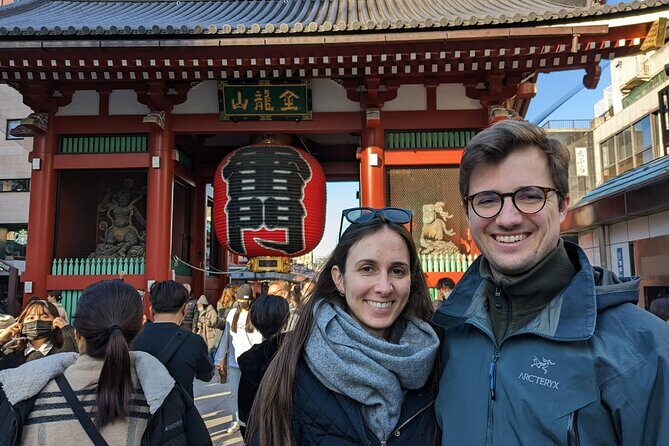
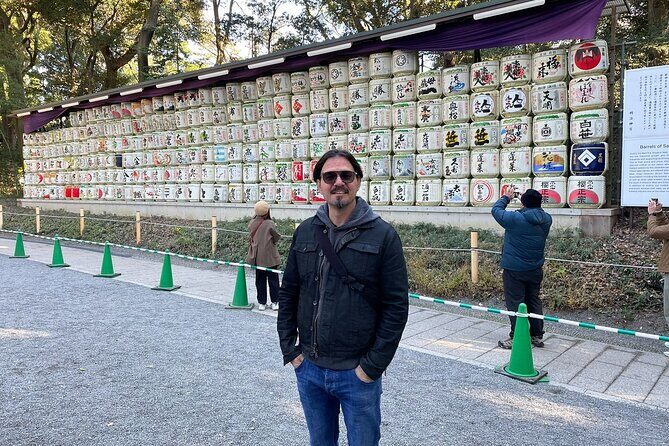
Meiji Shrine sits right next to Harajuku Station, but once you’re inside the shrine grounds, the mood shifts.
The tour notes it’s dedicated to the deified spirits of Emperor Meiji and his consort, Empress Shoken. It’s a great pause between trendy shopping streets and transit-heavy areas.
Time is about 30 minutes, which is enough for a meaningful visit without eating your whole day.
This stop is also helpful if you feel “Tokyo overload.” A shrine visit gives your eyes a different focus: quieter routes, more space, and a slower walk.
Akihabara and Tsukiji Outer Market: pick your Tokyo flavor
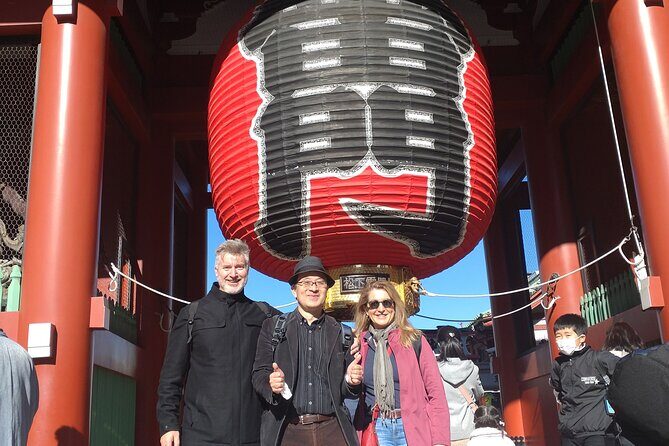
These two stops are very different, but they share one thing: both are strongly tied to what you’re curious about.
Akihabara: electronics and the tech side of Tokyo
Akihabara is famous for electronics shops. The tour frames it as Japan’s center for that kind of shopping and culture.
You’ll get about 30 minutes, so think of it like a guided taste. If you’re buying something, have your budget ready and don’t assume every store takes the same approach to tourists.
Tsukiji Outer Market: food browsing without the full-timesink
The tour highlights Tsukiji Outer Market (the area adjacent to the former wholesale market site). It’s described as wholesale and retail shops over a few blocks.
Again, about 30 minutes. If you’re the type who wants to snack while walking, this is a strong match. But lunch itself is not included, so consider Tsukiji either:
- as snack time plus a later meal, or
- as a “choose one thing and keep walking” moment
If you’re sensitive to crowds, go with a simple plan. One street, one bite, one drink, done.
Gardens with extra entry: Rikugien, Koishikawa Korakuen, and Shinjuku Gyoen
If you’re visiting during warm weather or you just want a slower pace, gardens are a smart choice. The catch is admission.
The tour lists these as not included:
- Rikugien Garden
- Koishikawa Korakuen Garden
- Shinjuku Gyoen National Garden
So you’ll pay those entries yourself if you choose them.
Rikugien Garden
Rikugien is often considered one of Tokyo’s most beautiful Japanese landscape gardens, built around 1700. It’s included here as a 30-minute stop.
Koishikawa Korakuen Garden
Koishikawa Korakuen is described as one of Tokyo’s oldest and best Japanese gardens, built in the early Edo period at the Tokyo residence of the Mito branch of the ruling family. Time is about 15 minutes.
With a short stop length, your guide can help you choose the most photogenic parts and explain what you’re seeing, instead of letting you wander without direction.
Shinjuku Gyoen National Garden
Shinjuku Gyoen gets about 15 minutes and is positioned as one of Tokyo’s larger and most popular parks. The tour notes lawns, meandering paths, and tranquil scenery.
Here’s how I’d choose between them: if you want a classic Edo-era feel, pick Rikugien or Koishikawa Korakuen. If you want a quick decompression walk inside a major city area, Shinjuku Gyoen fits.
Shinjuku Golden Gai: small lanes, big character
Golden Gai is famous for its tight cluster of narrow eating and drinking establishments. The tour notes it began around 1950 when a black market moved in front of Shinjuku Station and small venues took shape.
This stop is about 30 minutes. It’s a great choice if you like street-level Tokyo culture and you want to see the city as more than big-name landmarks.
Practical consideration: Golden Gai is about small spaces. If you’re uncomfortable with very tight quarters or you don’t drink/eat, treat it like a “walk-and-look” stop rather than a long sit-down.
Guide quality varies: what I’d watch for with different guides
This kind of tour lives or dies by pacing and navigation. One guide called Taka was praised as fun and knowledgeable, and the itinerary was described as terrific.
Another experience with a guide named Kris came with complaints: getting lost between subway exits, trouble keeping up the pace, and difficulty understanding at times. There were also remarks about photo handling.
I can’t predict which guide you’ll get. But you can protect yourself:
- If you’re very time-sensitive, choose earlier tour start times when transit is smoother.
- If you care about photos, tell your guide what matters (wide angles, quiet corners, best light timing) at the start.
- If you’re easygoing, you’ll likely find the day works out even if a few stops run a little long.
Who should book this Tokyo tea ceremony + guided sights tour
This tour is a strong fit if you:
- want a single guided day that mixes Tokyo’s old and modern moods
- like the idea of a cultural activity (tea ceremony) included in your schedule
- want help with navigation and stop selection without reading maps all day
- prefer a small-group feel (max 10 travelers)
It may not be the best match if you:
- need fully paid admissions at every stop (a few garden entries are not included)
- expect Imperial Palace inside access (it’s not included)
- hate walking and transfers, since transportation is not included and you’ll be moving around town
Should you book this Tokyo 6-hour Private Guided Tour with Tea Ceremony?
I’d book it if you want a practical Tokyo plan that saves brainpower. The blend of big landmarks and a tea ceremony stop is a smart use of time, especially if you’re trying to cover several distinct neighborhoods in one day.
I’d think twice if you’re on a tight budget for admissions. Gardens like Hamarikyu, Rikugien, Koishikawa Korakuen, and Shinjuku Gyoen can add costs on top of the main price. Also, make peace with the fact that Imperial Palace inside access isn’t part of this plan.
Best strategy: choose 2–3 stops that match your mood that day—one culture-heavy (temple or shrine), one modern buzz (Shibuya/Harajuku/Akihabara), and one slower reset (garden or tea ceremony). That combo keeps the day feeling like Tokyo, not just a checklist.
FAQ
How long is the Tokyo 6-hour private guided tour?
It’s listed as about 6 hours.
What does the tour cost per person?
The price is $161.25 per person.
Does this experience include hotel pickup?
Pickup is offered from one of Tokyo’s 23 Special Wards, and the guide also meets you on foot within a designated area of Tokyo.
Is the tea ceremony included?
Yes. A tea ceremony experience is included.
Are entrance fees included for all stops?
Not all. Some sights are listed as free, while certain gardens and attractions are marked as admission not included. Also, Imperial Palace access inside is not included.
Is lunch included?
No. Lunch is not included.
Is kimono rental included?
No. Kimono rental is not included.
Do I need a private vehicle for this tour?
No. A private vehicle is not included.
How many people are in the group?
The maximum group size is 10 travelers.
Can I cancel for a full refund?
Yes. Cancellation is free up to 24 hours in advance for a full refund.