REVIEW · TOKYO
Tokyo: Asakusa & Senso-ji Temple 1.5-Hour Guided Tour
Book on GetYourGuide →Operated by DeepExperience, Inc. · Bookable on GetYourGuide
Tokyo smells like incense and old stone. This 90-minute guided walk through Senso-ji and Asakusa hits the best parts fast: you get temple etiquette explained in plain English and you also do the real purification routine with water and incense, plus an omikuji fortune slip that can feel weirdly personal. The only real drawback is time: it’s a tight schedule, so if you want long, quiet breaks for photos or lingering shopping, you’ll probably wish you had more than 90 minutes.
I also like how the experience stays practical. You start at the Asakusa Culture and Tourism Center, walk with your guide through Kaminarimon, then move through the temple grounds where history and respectful behavior are part of the visit, not an afterthought. One guide name that shows up in recent feedback is Yohei, and the theme is consistent: clear, friendly guidance that helps you understand what you’re doing and why.
In This Review
- Key highlights that make this tour worth your time
- Why Asakusa works so well in a short guided slot
- Start at Asakusa Culture and Tourism Center (the yellow-sign meeting point)
- Kaminarimon: the iconic gate moment and what to watch for
- Entering Sensō-ji: 1,400 years, multiple halls, and the hidden-Buddha idea
- Purification with water and incense: do it once, do it right
- Omikuji fortunes: your included fee and why the slips can feel personal
- Nakamise Shopping Street: snacks and souvenirs without getting lost
- How the schedule keeps it smooth (and when it might not fit)
- Price and value: why $27 can make sense here
- Who this tour suits best
- Should you book this Asakusa guided tour?
- FAQ
- Where does the tour start?
- How long is the Tokyo Asakusa & Senso-ji Temple guided tour?
- What is included in the price?
- Is food and drink included?
- Is the tour wheelchair accessible?
- What language is the tour guide?
- What is the cancellation policy?
Key highlights that make this tour worth your time
- Purification with water and incense so you’re not just looking, you’re participating in a key ritual
- Omikuji fortune drawing with an included fee, so you won’t hesitate or hunt for change
- Temple etiquette taught step-by-step (how to behave in the right places)
- Senso-ji’s oldest-temple context including the grounds, halls, and pagoda-style structures
- Nakamise Shopping Street with a guide for traditional snacks and souvenirs at an easy pace
Why Asakusa works so well in a short guided slot
Asakusa is one of those Tokyo neighborhoods where the past is visible in the street layout and the smells. You’re not stuck in museum mode. Instead, you move through real religious space, then immediately shift into a shopping street where traditional sweets and small souvenirs sit right in front of you.
This particular tour does something smart for limited time: it focuses on the “anchor moments.” You go to Senso-ji, you pass through Kaminarimon (the big gate people recognize instantly), and you get a guided sweep of Nakamise. If you’ve only got one morning or one afternoon for Asakusa, this is a tidy way to do it without feeling like you’re guessing at what to do next.
And because the guide is English-speaking, you’re less likely to miss the etiquette pieces that make visits go smoothly. The tour includes incense fees and the omikuji fee, so your main mental load is just showing up and following along.
You can also read our reviews of more guided tours in Tokyo


Start at Asakusa Culture and Tourism Center (the yellow-sign meeting point)
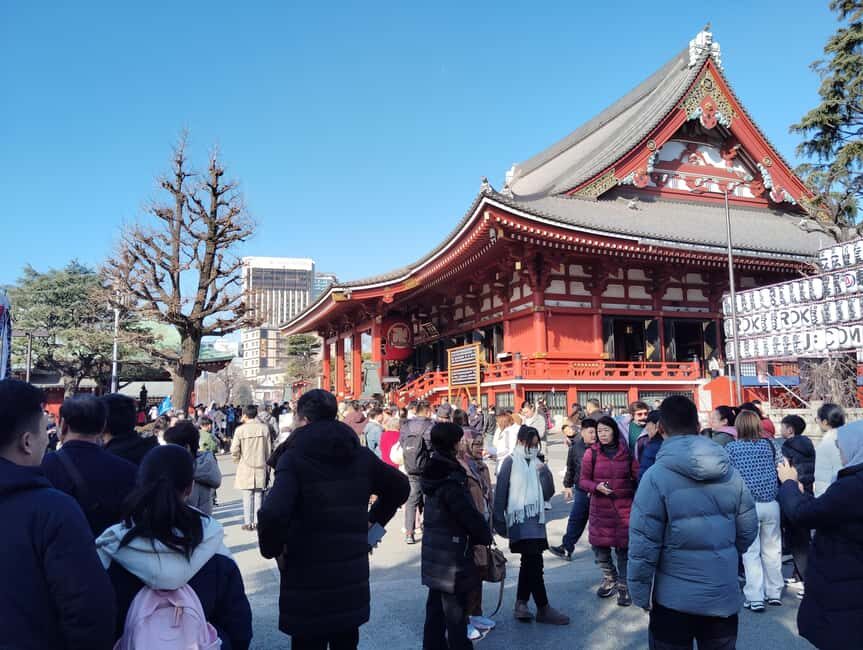
Your tour begins inside the Asakusa Culture and Tourism Center, on the second floor. The guide holds a yellow sign, which is a small detail that matters more than you’d think in a crowded area.
Why that matters: when you’re in central Asakusa, navigation can become a time sink. Finding the right start point keeps your first 10 minutes from turning into a scavenger hunt. It also sets expectations early. You’ll begin the walk already in “tour mode,” with the guide ready to point out what you’re looking for and how to behave.
If you’re the kind of person who likes to arrive slightly early to settle in, do it. It’s easier to start relaxed than to start rushing.
Kaminarimon: the iconic gate moment and what to watch for
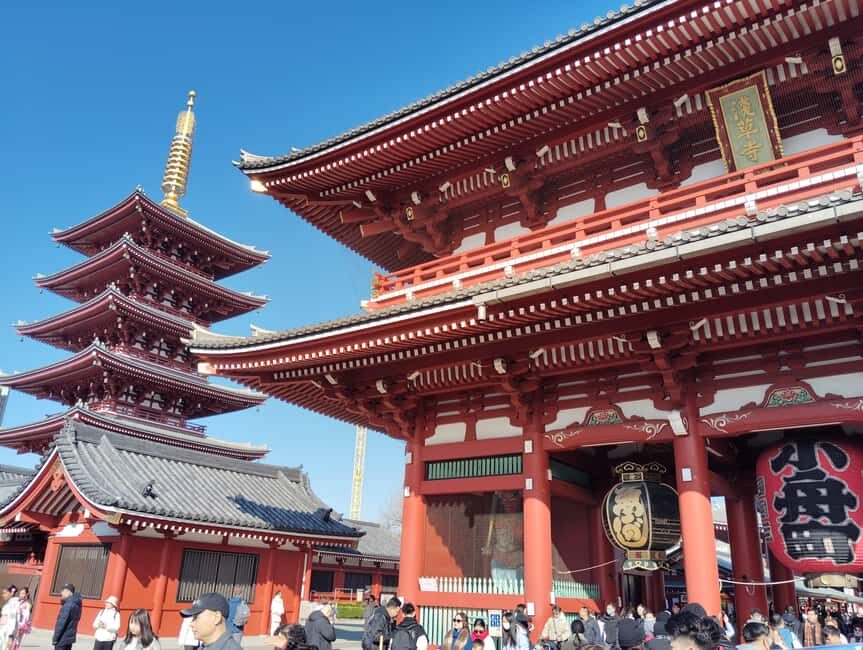
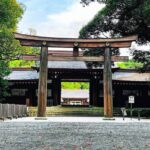
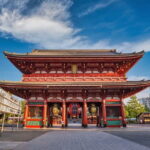
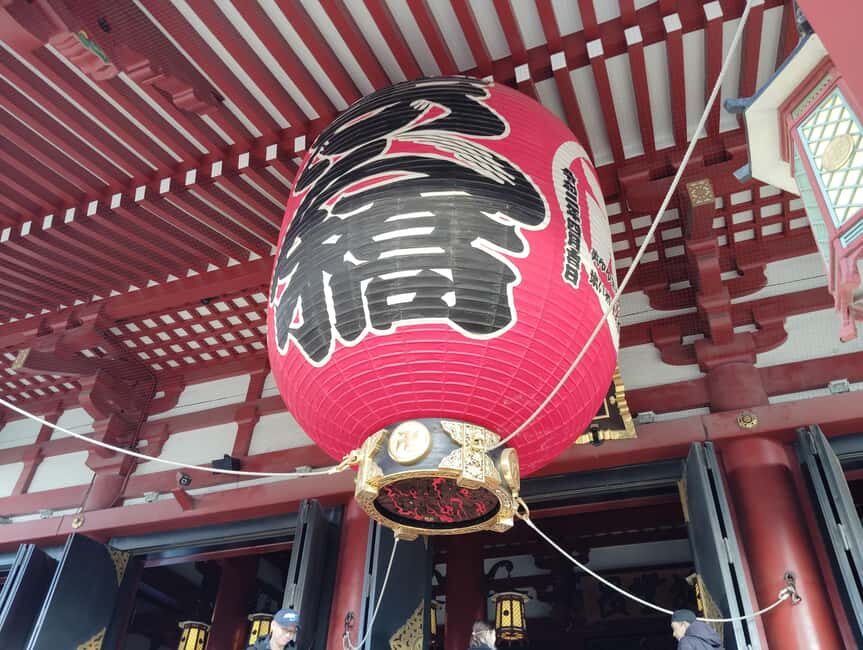
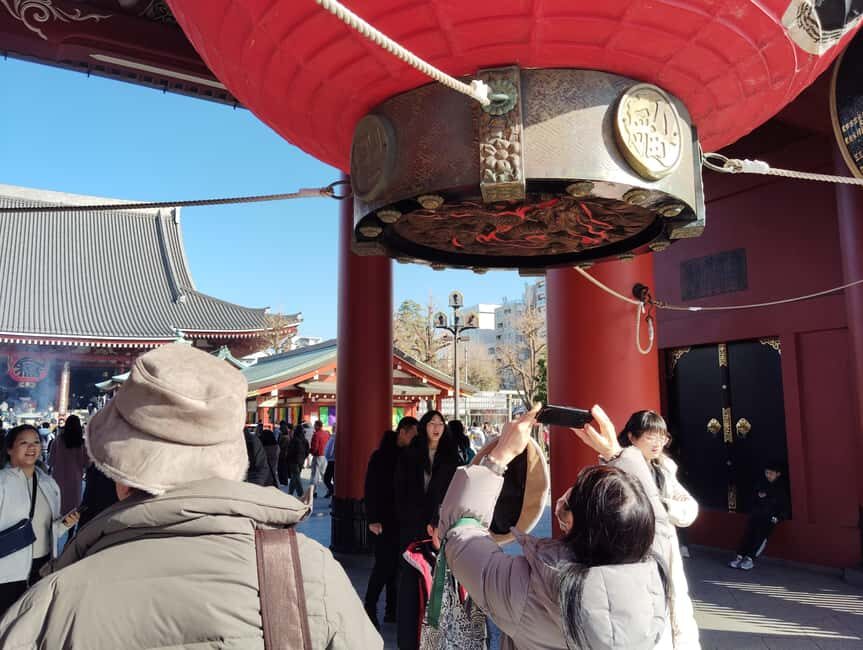
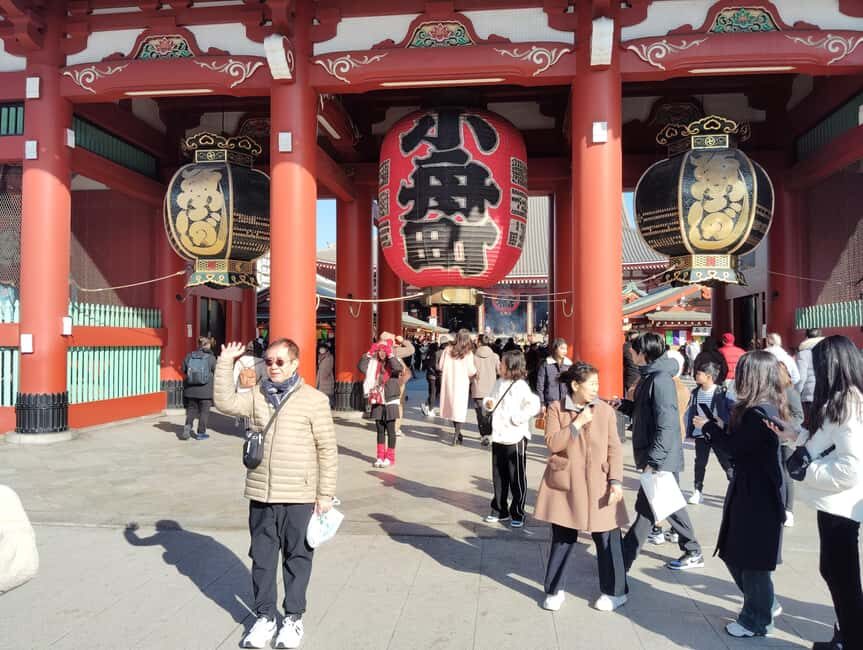
After the meeting point, you head toward Kaminarimon for a guided sightseeing walk. This is where you’ll see one of the most recognizable entrances in Asakusa, and it’s also where the tone of the whole visit clicks.
What I like here is the pacing. You’re not thrown straight into a busy crowd without context. The guide helps you make sense of what Kaminarimon represents and how the flow of people typically works as you approach Senso-ji.
Practical tip: keep an eye on where foot traffic tightens. Near the gate and leading up to the temple grounds, it’s easy to get caught in slow-moving streams. The guided route is helpful because you’re less likely to stop suddenly in the middle of a bottleneck.
Entering Sensō-ji: 1,400 years, multiple halls, and the hidden-Buddha idea
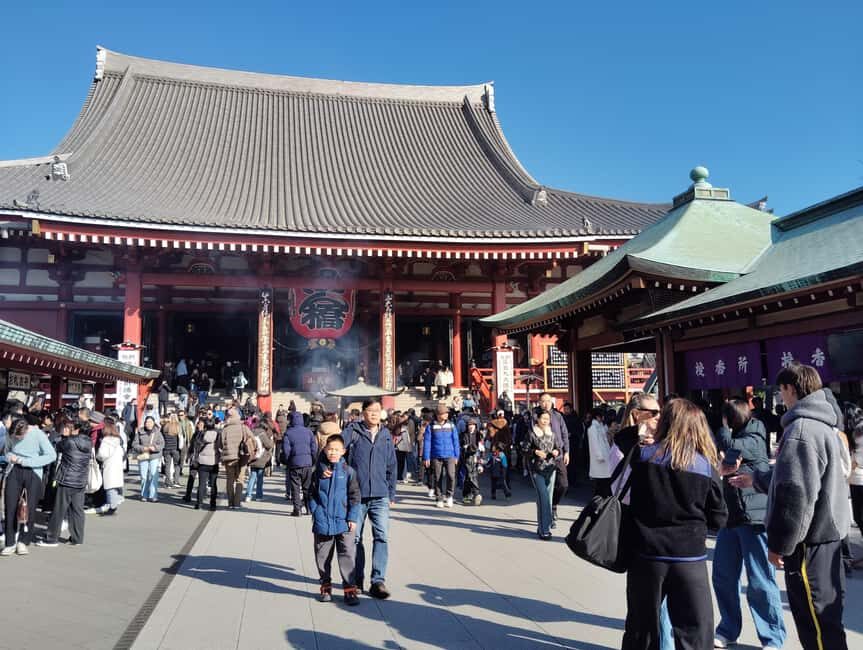
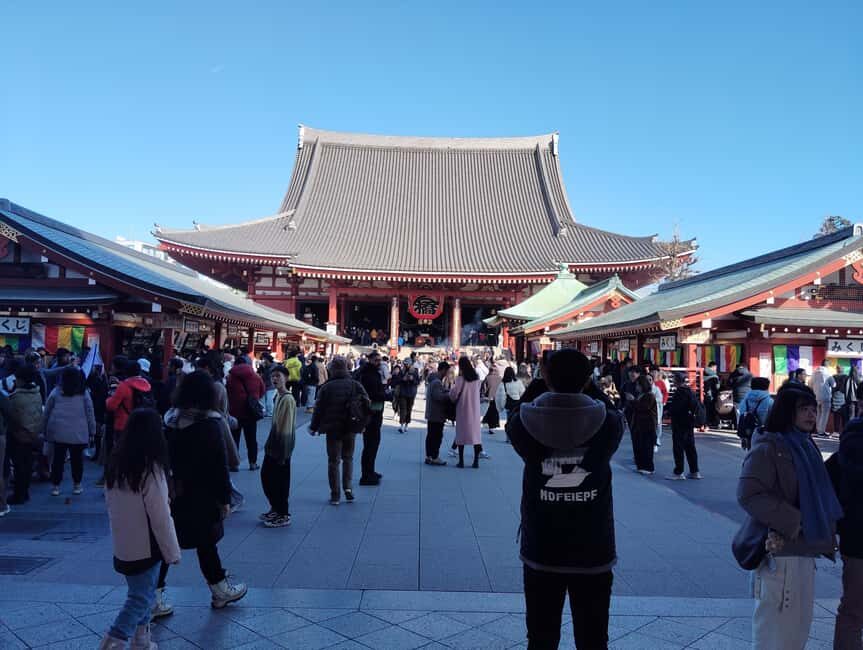
Once you’re at Senso-ji, the tour settles into the core experience: a guided visit around the temple area for about 50 minutes.
The key facts you’ll hear are easy to remember and surprisingly meaningful:
- Senso-ji is considered Tokyo’s oldest temple, with a history often described as 1,400 years.
- The grounds contain a number of halls and pagoda-like structures, including five-story style pagodas.
- The main hall houses an image that’s believed to be a hidden Buddha image, associated with the idea of helping and saving people.
- It’s also described as a representative temple in the Kanto region, drawing ongoing faith.
Here’s what that means for you in real life: the place doesn’t feel random. Instead of seeing “some temple buildings,” you start connecting the layout to long-standing tradition and local religious practice. Even if you’re not religious, this kind of historical framing makes the space feel less like sightseeing and more like understanding.
Also, don’t treat it like a quick photo stop. The best part is how the guide turns etiquette into something you can actually do correctly, rather than something you might accidentally get wrong.
Purification with water and incense: do it once, do it right
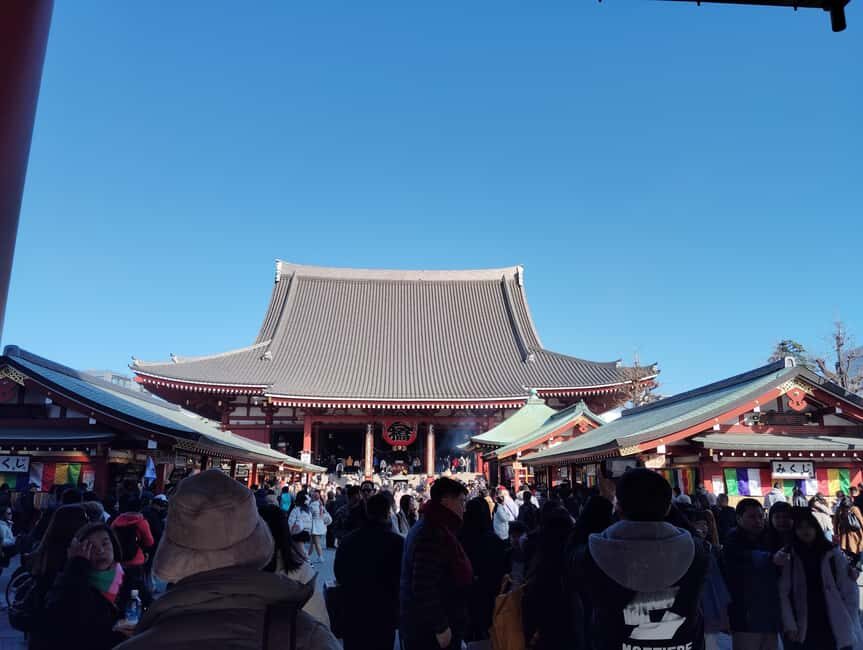
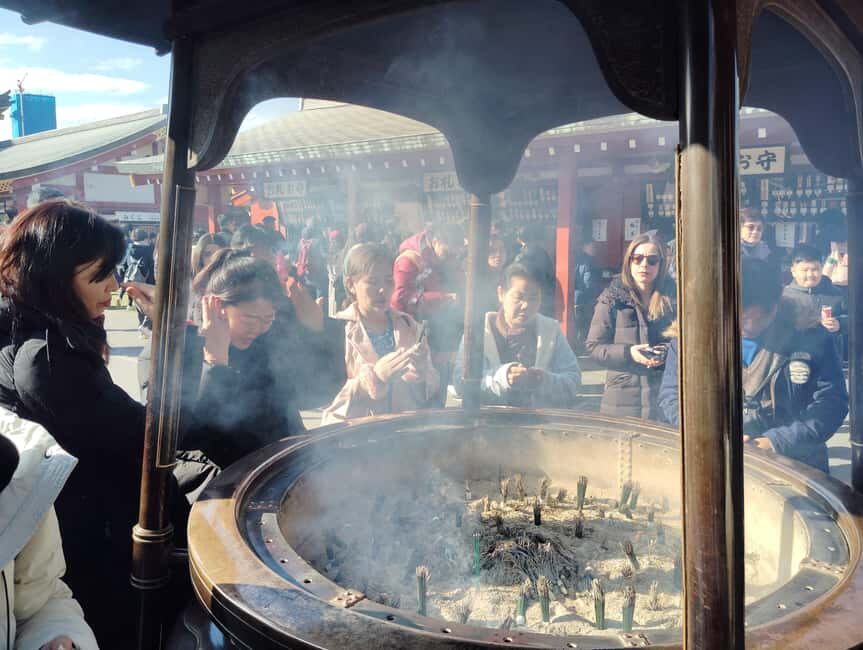
One of the most memorable parts of this tour is the purification ritual led by your guide. You’ll prepare your body and mind using water and then offer incense as part of the temple visit.
This is valuable because it removes the awkward uncertainty. Many people reach for incense or follow steps without knowing what the steps are for. With a guide, you get the intent behind the actions, which makes it feel more respectful and less like imitation.
What I think you’ll appreciate most is the timing. Instead of doing purification as an afterthought, it’s built into the visit sequence so you’re mentally ready when you enter the more central worship areas.
If you like hands-on cultural experiences (even small ones), this is the section that turns a normal temple stroll into something you’ll remember.






Omikuji fortunes: your included fee and why the slips can feel personal
After you’ve toured the temple area, you’ll draw omikuji fortunes. The omikuji fee is included, so you’re not worrying about whether you have the right coins or what counter sells what.
The tour also frames omikuji in a fun way: these fortunes are known for surprising results. That’s a big part of why omikuji is popular. You’re not just getting a generic message. The system is simple, but the tone of what you receive can feel oddly specific to your mood and your plans.
Practical way to use it: treat the fortune as a gentle prompt, not a prophecy. If it’s good news, enjoy it. If it’s mixed or cautionary, see it as advice for your next steps while you’re in Tokyo or even for the rest of your trip.
If you’ve never done omikuji before, this tour is a low-pressure first try because everything is guided and the cost is handled.
Nakamise Shopping Street: snacks and souvenirs without getting lost
Next comes Nakamise Shopping Street, a short guided stroll where you can browse traditional snacks and souvenirs. This segment is about 15 minutes, so it’s not meant for a slow, full-on shopping afternoon.
That short time is a trade-off. On the plus side, you get the atmosphere and key options without losing your whole schedule. On the minus side, you might not have time to try everything. If you’re someone who wants to sample several foods, you’ll probably choose your favorites quickly or plan a second trip later on your own.
How to get value in the short window:
- Focus on one snack you can eat right then.
- Pick one or two souvenir items with strong local identity.
- Leave room for “walk-up shopping later” after the tour ends.
The guide’s role here is helpful because you don’t have to figure out where to stand, what’s worth a look, or how to keep moving smoothly through the crowd.
How the schedule keeps it smooth (and when it might not fit)
This tour runs about 90 minutes total, with a breakdown that keeps you moving:
- A guided walk to Kaminarimon
- A longer temple portion at Senso-ji
- A short guided time on Nakamise
- Finishing at Asakusa Temple, near Kaminarimon
The benefit of this structure is that you’ll see the main elements of Asakusa without burning a half day. It’s also easier to enjoy because you’re not overwhelmed by too many decisions in a single visit. Your guide does the heavy lifting: telling you where to go, what to look for, and how to act.
When might it not fit? If your travel style is “slow and photographic,” you may feel rushed. If you want more time inside the temple grounds, or if you like to shop at a relaxed pace, consider using the tour as your introduction and then coming back later to linger.
Price and value: why $27 can make sense here
At $27 per person for a 90-minute guided tour, you’re paying for three things:
- An English-speaking professional guide
- Incense fees and omikuji fees included
- A structured route that helps you act appropriately and not waste time
If you tried to DIY all of it, you’d still spend time figuring out what to do during purification and where to get incense or omikuji properly. Even if costs for incense and the fortune are small on their own, the real value is avoiding confusion and saving time in a crowded area.
So the best way to judge value is this: if you want a guided, orderly first visit to Asakusa, $27 is not outrageous. If you’re already confident about temple etiquette and you’d rather roam independently for longer, you might decide this is less necessary.
Who this tour suits best
This is a strong match if you:
- Want a first-time Asakusa experience with clear guidance
- Like structured tours but still want authentic moments (rituals and temple behavior)
- Prefer not to navigate etiquette rules alone
- Have limited time and want the key sights without building your own plan from scratch
It may be less ideal if you:
- Want a very slow pace or long shopping time
- Plan to spend lots of time stopping for photos in every corner
- Don’t need a guide for basic temple etiquette
Should you book this Asakusa guided tour?
I’d book this tour if you want a smooth, respectful introduction to Senso-ji and Asakusa in a short window. The combination of purification, omikuji, and guided context makes it feel like more than just walking around. And because incense and omikuji are included, you’re less likely to lose time sorting out small purchases mid-visit.
Skip it (or plan something else) if you know you’ll want extended freedom—extra time inside the temple grounds or a longer, unguided shopping session. This one is built for momentum, not for marathon wandering.
FAQ
Where does the tour start?
It starts inside the Asakusa Culture and Tourism Center, on the 2nd floor. The guide will be holding a yellow sign.
How long is the Tokyo Asakusa & Senso-ji Temple guided tour?
The tour lasts 90 minutes.
What is included in the price?
The tour includes an English speaking guide, incense fees, and an omikuji fee.
Is food and drink included?
No. Food & drink is not included.
Is the tour wheelchair accessible?
Yes, the tour is wheelchair accessible.
What language is the tour guide?
The tour is available in English.
What is the cancellation policy?
Free cancellation is available up to 24 hours in advance for a full refund.