REVIEW · TOKYO
Tokyo Imperial Palace and Heritage of Edo Castle Private Tour
Book on Viator →Operated by 888tour · Bookable on Viator
Time travel, without the ticket lines. This private 3-hour walk connects Tokyo Station, the Imperial Palace, and the parkland that once surrounded Edo Castle—plus it adds context for Nihonbashi so Tokyo’s history makes sense fast. I like how the guide turns scattered sights into a clear story.
I also like the pace. In a private group, you can ask as many questions as you want, and the guide I heard about—Sakamoto—was patient even when family members had lots of curiosity. The only real catch is that the experience depends on good weather, and you’re handling getting to and from the start/end points on your own since pickup isn’t included.
Key points worth your attention
- A private pace that lets you ask questions instead of watching a clock
- Tokyo Station’s red-brick history sets the tone right from the first stop
- Imperial Palace East Gardens give you Edo Castle-era clues in a calm, walkable layout
- Edo Castle context helps you connect shogun power to what you see today
- Nihonbashi insight adds the everyday, old-Tokyo angle beyond big monuments
- Free admission at the major stops keeps your money for coffee, not entrances
In This Review
- Tokyo Station to the Imperial Palace: The Smart Way to Start
- Entering the Imperial Palace: Symbol Power Meets Real-World Details
- East Gardens and the Edo Castle Ruin Walk: How the Past Shows Through
- Nihonbashi in the Mix: The Everyday Old-Tokyo Layer
- The Private Guide Advantage: More Questions, Less Rush
- How Long Is Long Enough? Timing That Fits a Real Day
- Price and Value: $83.24 Makes Sense When You Compare the Whole Package
- Logistics That Matter: Meeting Point, Ending Spot, and Weather
- Should You Book This Tokyo Imperial Palace and Edo Castle Tour?
- FAQ
- How long is the Tokyo Imperial Palace and Edo Castle private tour?
- Is this tour private or shared with other groups?
- What stops are included on the tour?
- Are admission tickets included?
- Is hotel pickup or drop-off included?
- Do I need to arrange transport myself?
- What languages are offered for the guide?
- Where do we meet for the tour?
- Where does the tour end?
- What if the weather is bad?
- Can I cancel and get a full refund?
Tokyo Station to the Imperial Palace: The Smart Way to Start
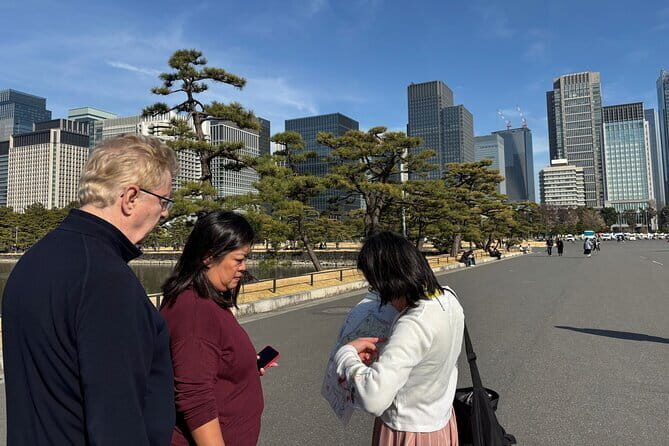
If Tokyo feels like it moves too fast, this tour is a good reset. You begin at Tokyo Station, right by the Marunouchi Police Department Tokyo Station Police Box, so you’re grounded immediately in a landmark that locals and history nerds both recognize. The station building dates to 1914 and is known for its classic red-brick design, which makes for a great first “you’re really in old Tokyo” moment before you head toward the imperial grounds.
What I like here is that you’re not just looking at architecture. You get context for why Tokyo’s transport hub and power centers sit side by side. That matters because the Imperial Palace area isn’t random real estate—it sits on the legacy of Edo Castle, the seat of the Tokugawa shogunate.
A practical note: this tour doesn’t include transport or hotel pickup. So you’ll want to plan how you’ll reach the meeting point and how you’ll continue after the tour ends at the East National Gardens area.
Entering the Imperial Palace: Symbol Power Meets Real-World Details
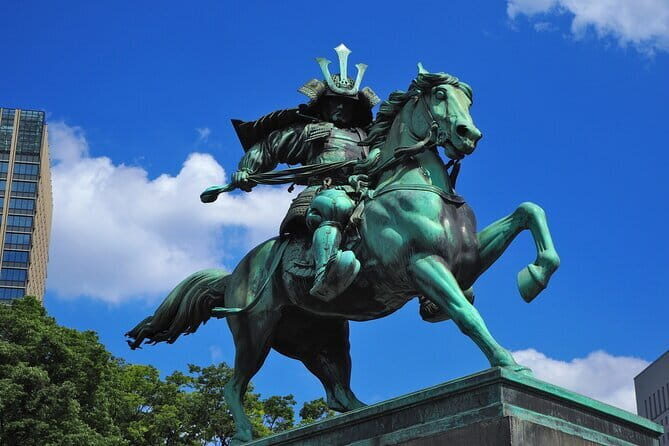
The Imperial Palace stop is where the “big idea” of Japanese history clicks into place. Today it’s the residence of the Japanese Emperor, but the site’s roots go back to when it was the Edo Castle grounds and the home of the Tokugawa shoguns. Your guide’s job here is to help you connect the visible landscape—gates, walls, the way space is used—with the political system that shaped centuries of life.
One thing you’ll appreciate is the free entry angle at the main palace stop. You still get something that feels premium: clear explanation and time to ask questions as you walk. Instead of rushing through with a headset tour, you can pause and ask why certain areas matter, or how the power structure worked in daily terms (not just dates and names).
You should also be realistic about access. Even though this is the Imperial Palace area, you’re walking in the parts that visitors can access during the tour flow, not doing a behind-the-scenes palace visit. Think of this as an on-the-ground orientation—history you can see and measure with your feet.
You can also read our reviews of more private tours in Tokyo



East Gardens and the Edo Castle Ruin Walk: How the Past Shows Through
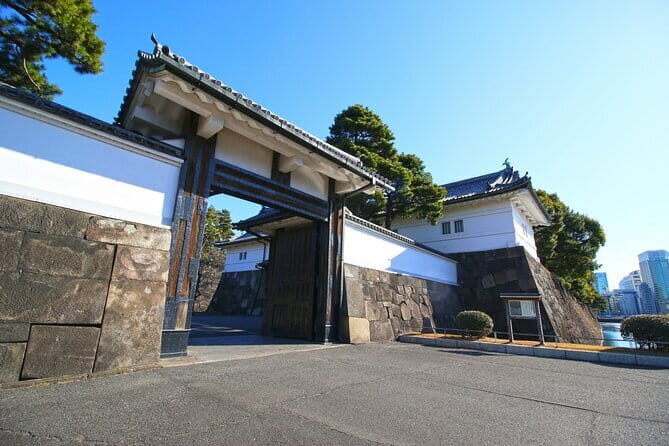
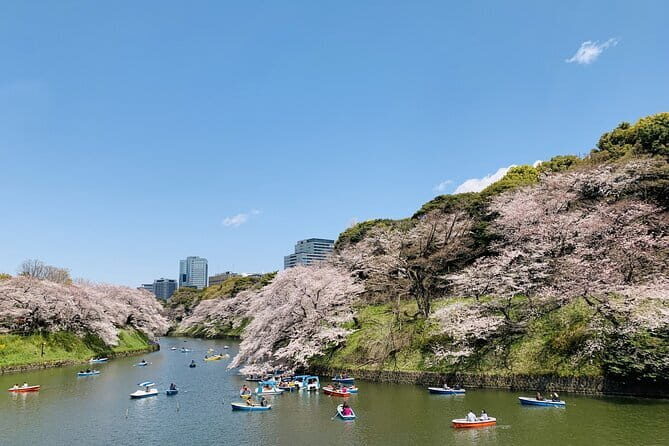
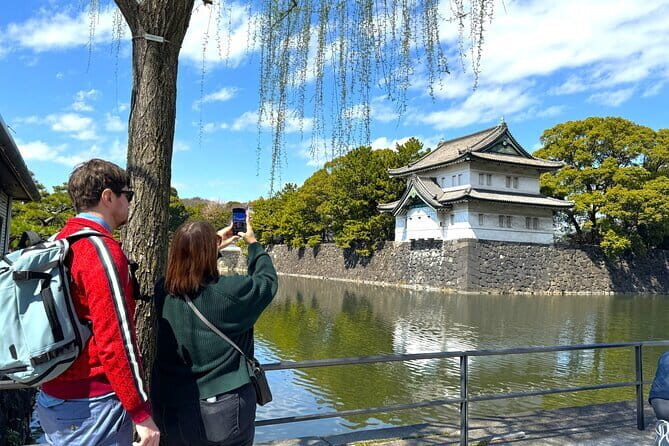
After the main palace stop, you shift into a calmer world: the East Gardens of the Imperial Palace. This is where you get that “Tokyo can be quiet” feeling without leaving the city. You’ll spend about an hour and a half here, with time to take in gardens, seasonal plants, and historic ruins tied to the Edo Castle era.
This section works well because it doesn’t treat history like a museum label. The guide helps you notice how the ruins and garden layout communicate something about defensive design, status, and how people moved through the grounds. The Edo Castle connection is the core theme—these are not generic parks. They’re green space that carries physical clues from the 1600s onward.
Season can affect your experience, too. If you’re visiting when flowers are in bloom, the gardens are more visually rewarding. If the weather is less cooperative, the good news is that the tour is designed around walking segments you can still enjoy—just know that good weather is required, and poor conditions could trigger a date change or refund option.
Nihonbashi in the Mix: The Everyday Old-Tokyo Layer
Tokyo’s imperial heritage is the headline. But you also get insight for the 400-year-old Nihonbashi district, which adds a different flavor of “what Japan was like” beyond the palace grounds. Nihonbashi is often associated with the commercial pulse of older Tokyo, and it helps balance the power-and-politics story you’ll hear at the palace.
This is the kind of stop that’s easy to miss if you only chase the obvious big sites. With a guide, you’re more likely to understand what you’re seeing and why it matters—small streets, familiar urban patterns, and the way long-established areas still shape modern life. Even if you don’t stay in Nihonbashi after the tour, the context makes it easier to navigate when you do.
If you like history that connects to daily life—markets, neighborhoods, how cities work—this added layer is a real plus.
The Private Guide Advantage: More Questions, Less Rush
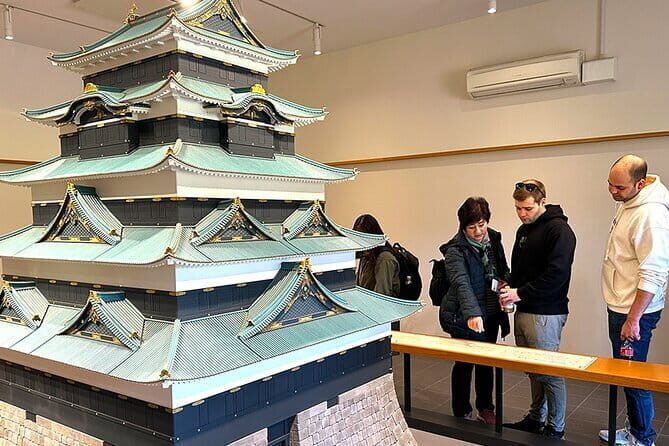
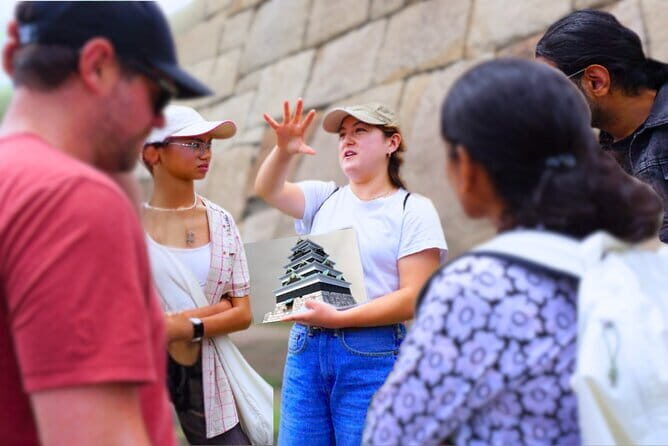
A private tour sounds like a marketing line until you actually feel it. Here, the big advantage is time: you’re not stuck in a big-group funnel where you’re listening but not learning. You can ask questions as you explore, and that changes the whole experience.
I especially value this because Tokyo history can feel abstract if you’re reading signs without help. With a guide, you get interpretation: what matters, what to ignore, and how pieces fit together. In the feedback I saw, guides like Sakamoto were described as very patient with questions—especially when a granddaughter was asking plenty. That tells me the guide style is tuned for real people, not just a lecture format.
Also, private doesn’t just mean quiet. It means your pace matches your curiosity. If you want photos, you can slow down. If you want to move on quickly, you can do that too.
How Long Is Long Enough? Timing That Fits a Real Day
The tour runs about 3 hours. That’s a sweet spot for an afternoon or a morning start, because you get multiple major sites without wiping out your whole day.
Here’s how the time roughly breaks down:
- Tokyo Station: about 30 minutes
- Imperial Palace: about 1 hour
- East Gardens: about 1 hour 30 minutes
The structure is logical: you begin with a strong orientation at Tokyo Station, then you transition into the imperial narrative, then you end in the garden/ruin space where the history feels tangible. By the time you’re finished, you’ll likely be in a good position to either head back toward central Tokyo or continue your walk around the area.
If you’re building the rest of your schedule, remember one practical detail: hotel pickup isn’t included, and transport isn’t included. So you’ll want to plan for transit time on both ends.
You can also read our reviews of more historical tours in Tokyo
Price and Value: $83.24 Makes Sense When You Compare the Whole Package
At $83.24 per person, this isn’t a bargain-basement “quick photo stop” tour. But it also isn’t priced like a premium car-and-driver experience. The value comes from three places:
- It’s private. You’re paying for access to a guide that stays with you for the whole walk, not a group you need to fit into.
- Major stops are free (Tokyo Station, the Imperial Palace stop, and the East Gardens stop are listed with free admission tickets), so you’re not stacking entrance fees on top of the tour price.
- You’re buying interpretation, not just movement. A good guide helps you see what you’d otherwise miss—especially when history is layered and the landscape doesn’t instantly explain itself.
If you’re the type of traveler who gets more out of asking questions than sprinting for checkmarks, this price usually feels fair. If you’re only interested in the broadest overview and you don’t care about explanations, you might feel it’s more than you need. The sweet spot is where you want structure plus freedom.
Logistics That Matter: Meeting Point, Ending Spot, and Weather
You’ll meet at the Marunouchi Police Department Tokyo Station Police Box (1-chōme-9-1 Marunouchi, Chiyoda City). That’s close enough to major transit that you can usually get there without a complicated plan, and it’s also a clear landmark if you prefer not to rely entirely on a map pin.
The tour ends at Imperial Palace East National Gardens (1-1 Chiyoda, Chiyoda City). Depending on timing and where you’re headed next, you may also get escort support back toward Tokyo Station. That can be useful if you want an easier handoff into your next stop.
Weather matters here. The experience requires good weather, which is important in Tokyo because conditions can change quickly. If the tour is canceled due to poor weather, you’ll be offered a different date or a full refund.
Should You Book This Tokyo Imperial Palace and Edo Castle Tour?
I’d book it if you want a guided walk that connects Tokyo’s imperial and Edo Castle legacy with a practical, on-the-ground way of seeing. It’s especially worth it if you like private pacing, you’re curious enough to ask questions, and you want the kind of explanations that help you understand what you’re looking at—without feeling trapped in a large group.
Skip it (or at least double-check your plan) if you hate weather-dependent outdoor walking, or if you’re counting on hotel pickup. Since transport and pickup aren’t included, you’ll need to handle your own travel to the start point and your next destination after the tour ends.
FAQ
How long is the Tokyo Imperial Palace and Edo Castle private tour?
It lasts about 3 hours (approx.).
Is this tour private or shared with other groups?
It’s a private tour/activity. Only your group will participate.
What stops are included on the tour?
The tour includes Tokyo Central Railway Station, the Imperial Palace, and the East Gardens of the Imperial Palace (Edo Castle Ruin area), with also Nihonbashi district insight.
Are admission tickets included?
Yes—admission is listed as free for the major stops on the route.
Is hotel pickup or drop-off included?
No. Hotel pickup and drop-off aren’t included.
Do I need to arrange transport myself?
Yes. Transport isn’t included.
What languages are offered for the guide?
The guide is available in English, Chinese, Korean, and Japanese.
Where do we meet for the tour?
Meet at the Marunouchi Police Department Tokyo Station Police Box, 1-chōme-9-1 Marunouchi, Chiyoda City.
Where does the tour end?
The tour ends at Imperial Palace East National Gardens, 1-1 Chiyoda, Chiyoda City.
What if the weather is bad?
The experience requires good weather. If it’s canceled due to poor weather, you’ll be offered a different date or a full refund.
Can I cancel and get a full refund?
Yes. You can cancel up to 24 hours in advance for a full refund.