REVIEW · TOKYO
Tokyo: Not a show- a professional sumo practice with experts
Book on GetYourGuide →Operated by Japan Shine Tour · Bookable on GetYourGuide
Sumo training feels real at street level. This tour gives you rare access to a professional sumo stable morning practice in the Ryogoku area, plus time for photos with wrestlers and a Q&A with Shinya-san, a long-time sumo specialist and journalist. I also like how the day stays compact and focused on techniques up close. The main drawback to weigh is the floor seating: you watch from below, and if you’re sensitive to sitting still for a while, bring your patience (a floor cushion is available).
Ryogoku is Tokyo’s sumo neighborhood, so the schedule makes sense. You’re not just seeing a “performance.” You’re walking through the world around sumo, then stepping into the training space where discipline is the whole point.
At about $103 per person for 3 hours, it’s not a cheap impulse buy. Still, the value is in the permissioned access and the small group size (10 people max), which tends to be hard to replicate with generic show-style tours.
In This Review
- Key Things That Make This Tokyo Sumo Tour Worth Your Time
- Getting Your Bearings in Ryogoku (Meet at Ryogoku Station, Then Walk In)
- Takasago-beya Sumo Stable: Morning Practice Up Close (and Quietly Serious)
- What you’ll actually do during the stable time
- The floor seating reality (plan for it)
- Photos With Sumo Wrestlers: The Moment You’ll Remember
- Q&A With Shinya-san: Where the Culture Clicks
- A small consideration about timing and commentary
- Ryogoku Kokugikan: A Guided Look at the Arena Side of Sumo
- Ryōgoku Edo NOREN: 15 Minutes of History, Then Shopping Time
- Practical Tips You’ll Actually Use on the Day
- Bring the right mindset, not just the right shoes
- Seating comfort is the main “prepare for it” item
- Water and food are on you
- Small group is part of the value
- Who This Tokyo Sumo Stable Tour Is Best For
- Who should think twice
- Price and Value: Is $103 a Fair Trade for 3 Hours?
- Should You Book Japan Shine Tour’s Sumo Practice Experience?
- FAQ
- How long is the Tokyo sumo stable tour?
- Where do we meet?
- What sumo stable do you visit?
- Is there a chance to take photos with sumo wrestlers?
- Do I get to ask questions during the tour?
- What’s included in the price?
- What is not included?
- Is the group size small?
- Is the tour suitable for young children?
Key Things That Make This Tokyo Sumo Tour Worth Your Time
- Takasago-beya is the real stable stop, not a staged venue
- Photo time with sumo wrestlers plus a guided explanation of what you’re seeing
- Q&A with Shinya-san, who brings tournament and tradition context from a journalist’s perspective
- Ryogoku Kokugikan guided tour for the arena side of the sport
- Ryōgoku Edo NOREN shopping and sightseeing after the practice
- Small group of 10, with floor viewing (cushion available)
Getting Your Bearings in Ryogoku (Meet at Ryogoku Station, Then Walk In)
You’ll start at 両国HANA WAビル, and the day is built around a short, manageable move from transit to the stable area. The meeting point is near Toei Oedo Line Ryogoku Station (E12), Exit A2, ground level. It’s about a five-minute walk from the JR Ryogoku station east side. That short walk matters: you’ll want comfy shoes because you’re going to shift locations a couple times.
From a value standpoint, I like the structure. You’re not spending your limited time in Tokyo waiting in lobbies or crisscrossing the city. You’re using a tight half-day to get something you can’t easily DIY: a look into a working heya (training stable) under proper guidance.
A few more Tokyo tours and experiences worth a look
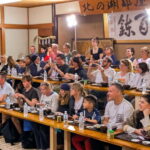
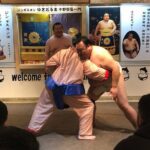
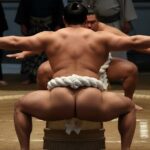
Takasago-beya Sumo Stable: Morning Practice Up Close (and Quietly Serious)
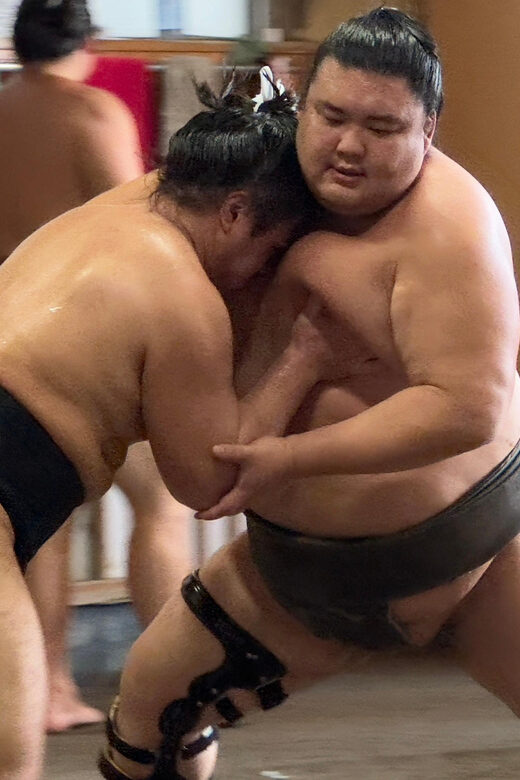
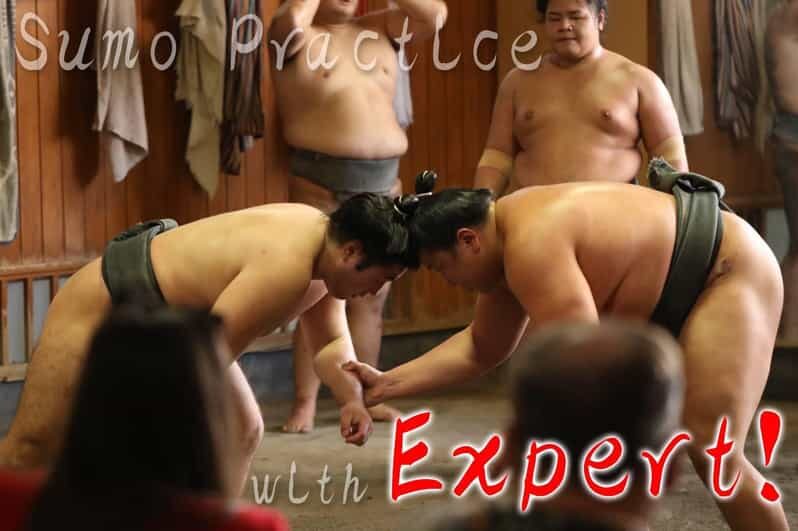
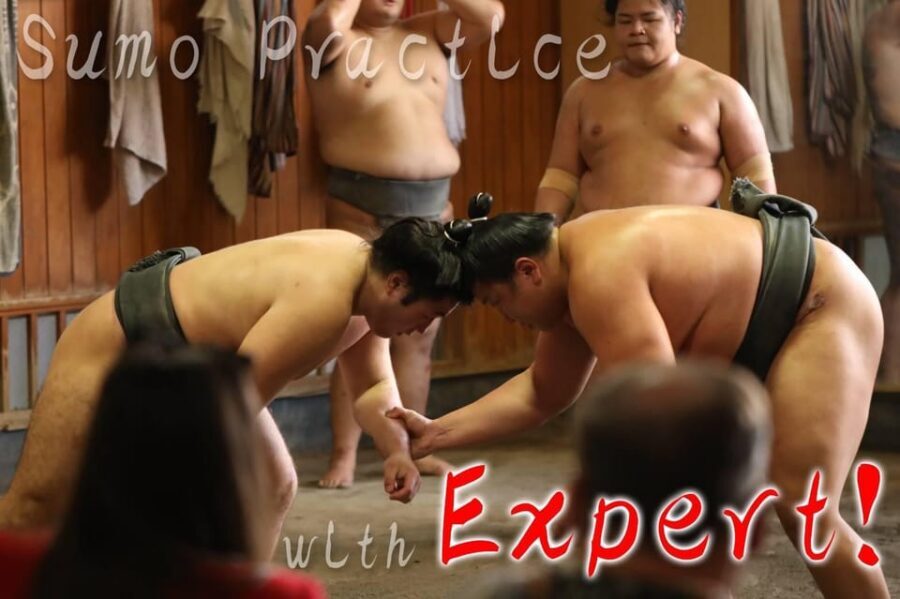
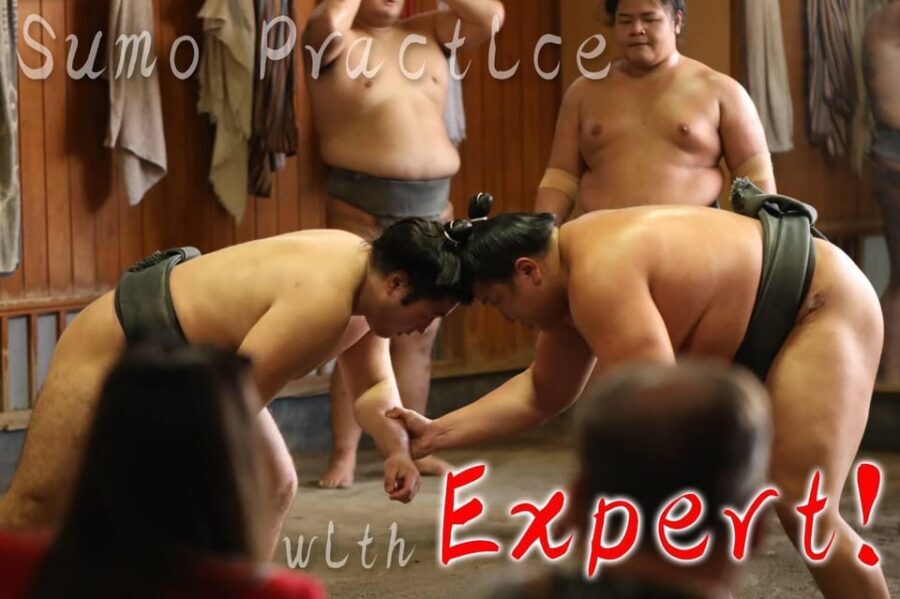
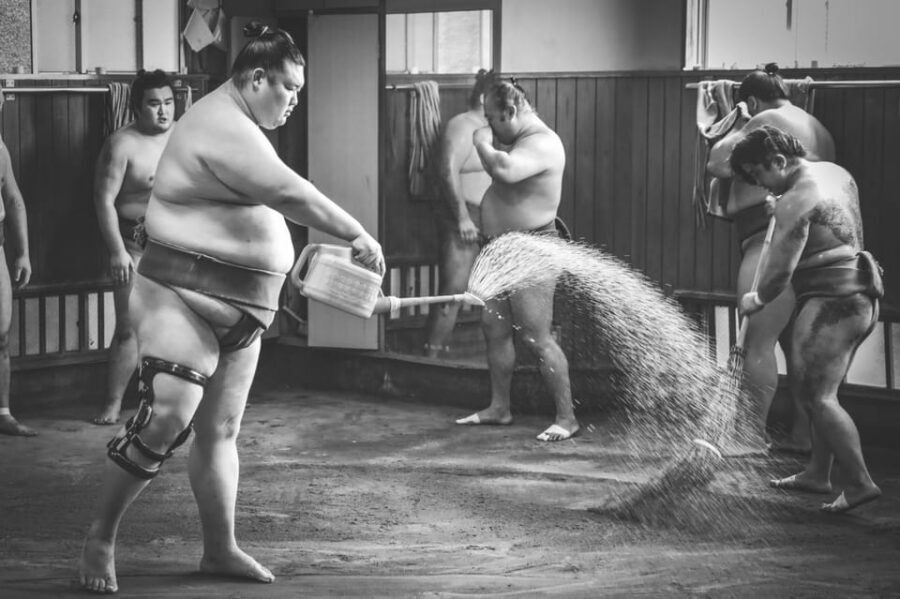
The core of the tour is the Takasago-beya Sumo Stable visit, about two hours. This is the part that changes your understanding of sumo. Watching training inside a stable feels different from watching TV or a tournament broadcast. You’re seeing a living routine: warm-ups, technique practice, and the mentoring that happens between older and younger wrestlers.
One of the strongest themes I picked up from the experience is the respect. You’re an invited observer, not the main event. That means you sit where you’re directed, keep things calm, and treat the practice like what it is: training for real competition. In past visits, people have noted how etiquette is mostly common sense—stay quiet, be respectful, and turn your phone off.
What you’ll actually do during the stable time
You’ll begin with explanations about sumo history and rituals, then you’ll watch live practice. After that, there’s a photo moment with wrestlers, followed by time with Shinya-san for questions. The photo part is short, but it’s meaningful because it happens in the context of training, not as a separate “photo booth” experience.
The floor seating reality (plan for it)
Customers sit on the floor to watch. A floor cushion is available, which helps a lot, but you should still assume your legs will feel it after a while. One practical tip: if you know you get numb or stiff quickly, be strategic with how you sit and how much you move during non-instruction breaks.
This is also where you’ll see why a “show” is different. In training, wrestlers can be intense and focused, and the pace may feel more concentrated than what you expect from a staged event.
Photos With Sumo Wrestlers: The Moment You’ll Remember
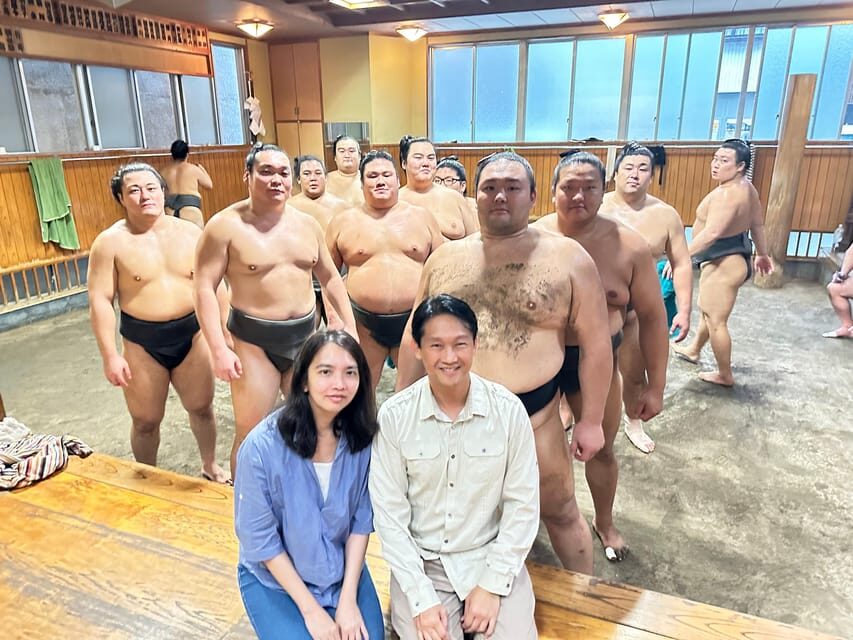
Yes, you get the classic souvenir—a photo with a sumo wrestler—but the best part is that it’s not random. It’s woven into the flow of the stable visit. That means you get context first, so the photo doesn’t feel like a gimmick.
I also like that your guide frames what you’re seeing. When you understand the basics of training routines and what certain behaviors mean, you’ll look at the photo later and remember the surrounding “why,” not just the face in the picture.






Q&A With Shinya-san: Where the Culture Clicks
A huge win here is the Q&A session with Shinya-san, described as a long-time sumo expert and national newspaper journalist. That background matters. You don’t just get definitions. You get answers that connect training, tradition, and tournament realities.
Questions you’re likely to want to ask include things like:
- how training shapes styles and habits
- what rituals signal before practice or bouts
- how wrestlers move through the ranks and what that means
- why certain traditions persist even when sumo is modern sports
Even if you arrive knowing some sumo basics, the Q&A is where the experience becomes personal. You can ask the stuff you normally can’t pin down from casual online reading.
A small consideration about timing and commentary
One note to keep in mind: explanations may be heavier before and after parts of the practice. During the live training itself, the environment can be more observational than talk-heavy. If you have super-specific questions, write them down quickly and ask them during the Q&A rather than waiting for mid-practice interruptions.
Ryogoku Kokugikan: A Guided Look at the Arena Side of Sumo
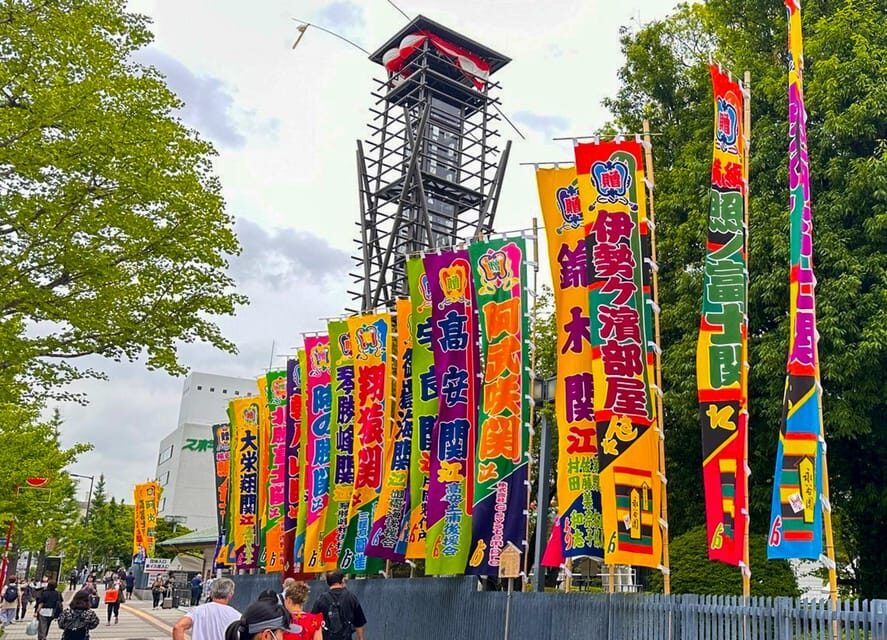
After the stable, you head to Ryogoku Kokugikan for a 15-minute guided tour. Even though your main focus is training, this stop gives the sport a stage. It helps you connect what you just watched with where sumo performs at its highest level.
This is a short segment, but it’s practical. You’re not trying to squeeze in a full museum day. You’re using just enough time to understand the layout and significance of the arena area, then moving on.
If you love sports venues, you’ll appreciate how the guide points out what’s worth noticing rather than forcing you to read everything yourself.
Ryōgoku Edo NOREN: 15 Minutes of History, Then Shopping Time
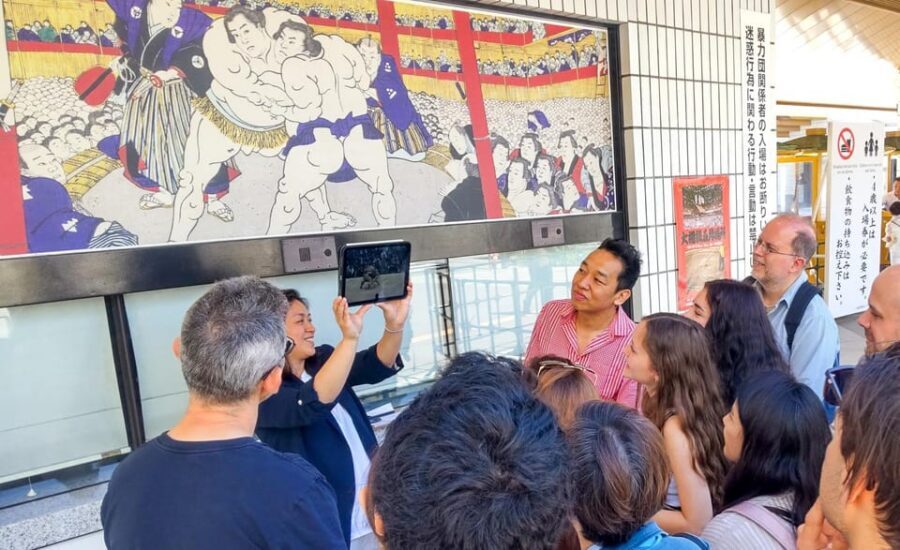
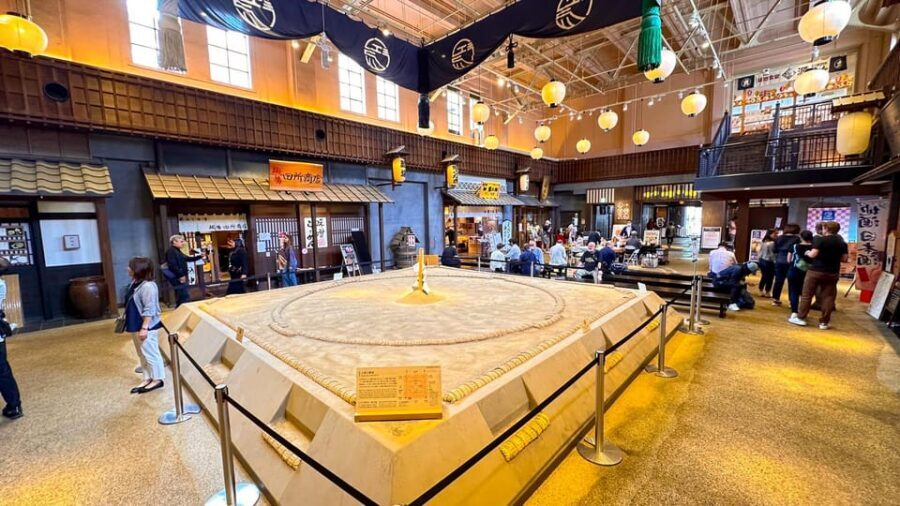
Next comes Ryōgoku Edo NOREN, with another 15-minute guided tour, followed by 30 minutes of shopping and sightseeing. This is the “life around sumo” portion of the day. It’s where you can slow down, look around, and pick up small items tied to the Ryogoku identity.
The guided portion helps you avoid the common mistake: wandering a themed area without understanding what you’re seeing. Even a short orientation adds meaning when you browse.
And that 30-minute open window is important. You’re not stuck on a tight script. You can handle the practical stuff too: water breaks, snacks you bought on your own, or just a moment to stand up and reset after floor time.
Practical Tips You’ll Actually Use on the Day
Bring the right mindset, not just the right shoes
This is not a stunt. It’s training in a working facility under special permission. Treat it like a serious visit, and you’ll get more out of it.
Seating comfort is the main “prepare for it” item
Again: floor seating. Cushion is available. Still, plan like you’ll sit longer than you would at a normal event. If you need movement breaks, do them during the transitions, not in the middle of watching.
Water and food are on you
Drinks and food are not included. That means you should plan ahead so you’re not searching for food while the group is moving. If you’re picky about timing, consider eating before you go and grabbing a drink during the Ryōgoku Edo NOREN portion.
Small group is part of the value
With a maximum of 10 participants, the experience feels personal enough to ask real questions. It also means you’ll want to arrive ready and on time so the guide can keep things smooth.
Who This Tokyo Sumo Stable Tour Is Best For
This experience is ideal if you:
- want authentic sumo practice access rather than show-only entertainment
- enjoy sports culture and want the ritual side explained clearly
- appreciate small-group tours with time to ask questions
- plan a Ryogoku day around sumo and want a logical flow
It’s also a smart pick if you’re visiting early in your Tokyo trip and want to set a theme for the rest of your stay. Seeing the sport up close changes how you interpret everything sumo-related that you’ll encounter later.
Who should think twice
If you’re traveling with someone who can’t comfortably sit on the floor for the viewing portion, or if you’re very short on patience for physical discomfort, this may be challenging. The tour is also not suitable for children under 5.
Price and Value: Is $103 a Fair Trade for 3 Hours?
At $103 per person for 3 hours, you’re paying for three things that are hard to replace:
- permissioned access to a real training stable
- a small group format (10 people max)
- guided explanation and Q&A from a specialist like Shinya-san
If your alternative is a typical ticketed performance or a generic theme experience, the value shifts fast. You’re not paying to watch a script—you’re paying to understand the sport while it’s being practiced.
The price is also easier to justify when you realize you’re getting multiple components: stable time, a guided arena stop, and a neighborhood area visit.
Should You Book Japan Shine Tour’s Sumo Practice Experience?
If you want the real Tokyo sumo experience, I’d book this. The heart of it is the stable visit at Takasago-beya, where you can watch morning training close up and take a photo with wrestlers, then ask questions in a focused Q&A with Shinya-san.
Book it if:
- you care about authenticity and respect real sports traditions
- you like learning from someone who tracks the sport like a journalist
- you’re comfortable sitting on the floor for part of the tour
Consider another option if:
- floor seating will be a deal-breaker for you
- you’re looking mainly for high-volume, performance-style entertainment rather than training observation
If you can handle the seating and you show up with curiosity, this is the kind of Tokyo tour that leaves you with real stories, not just photos.
FAQ
How long is the Tokyo sumo stable tour?
The tour lasts 3 hours.
Where do we meet?
Meet at 両国HANA WAビル. The nearest transit is Toei Oedo Line Ryogoku Station (E12), Exit A2 (ground level). It’s about a five-minute walk from the east exit of JR Ryogoku Station.
What sumo stable do you visit?
You visit Takasago-beya Sumo Stable.
Is there a chance to take photos with sumo wrestlers?
Yes. The tour includes a photo with a sumo wrestler.
Do I get to ask questions during the tour?
Yes. You get a Q&A session with a long-time sumo expert.
What’s included in the price?
Included: an English-speaking guide, a photo with a SUMO wrestler, and Q&A with a long-time sumo expert.
What is not included?
Tips, drinks, and food are not included.
Is the group size small?
Yes. The tour is limited to 10 participants.
Is the tour suitable for young children?
No. It is not suitable for children under 5 years.