REVIEW · TOKYO
Tokyo Old Town Discovery Walk. Lunch Included
Book on Viator →Operated by Japan CoreXperience · Bookable on Viator
Old Tokyo hits different on foot. This 7-hour Asakusa-to-Ueno walking tour strings together major cultural sights—starting with Senso-ji’s temple vibe, then moving through Asakusa’s shrine area, Kappabashi’s chef-focused shopping, and finally Ueno Park and Toshogu Shrine for an Edo-era finish.
What I like most is that you don’t just stand and look—you get practical context while walking, like how to spot the meaning in traditional religious symbols and how the temple shopping streets work (including omiyage—the gift tradition). I also really like that lunch is built into the route, so you’re not hunting for food while jet-lagged. One thing to consider: this is mostly walking, and the included lunch may be a miss if you have specific dietary needs, so plan to communicate those in advance.
In This Review
- How the day feels: small group, steady pace, real neighborhoods
- A quick heads-up before you go
- Key highlights that make this tour worth your time
- From Asakusa to Ueno: the route in human terms
- Where you meet and where you end near major stations
- Asakusa access streets: getting your bearings fast
- Senso-ji Temple: not just photos, but rituals and shopping sense
- Practical tip
- Asakusa Shrine next door: Buddhism vs Shinto explained on the ground
- Lunch around the old market streets: what to eat and how to eat it
- If you have dietary restrictions
- Kappabashi Street: knives, food replicas, and smart souvenirs
- How to shop without getting overwhelmed
- Matsuzakaya Ueno: the higher-end food court option
- Ueno Park: museums and shrines with breathing room
- Toshogu Shrine: the Edo-era finish you’ll remember
- Price and value: why $90 can work if you want context
- Who should book this tour (and who might want a different plan)
- Should you book the Tokyo Old Town Discovery Walk?
- FAQ
- How long is the tour?
- Is lunch included?
- What time does the tour start?
- Where do you meet the group?
- Where does the tour end?
- How big is the group?
- Are admission tickets included?
- Can you handle dietary restrictions?
- What happens if weather is bad?
- What is the cancellation window?
How the day feels: small group, steady pace, real neighborhoods
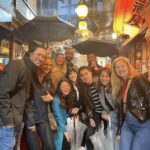
This tour is designed for an easy-to-manage day rather than a marathon. With a maximum group size of 12, it’s more conversational than crowded, and you’re not constantly trying to slip between shoulders at the temple steps.
You’ll also get a strong sense of how Tokyo moves between sacred space and everyday life: temple streets for snacks and souvenirs, Kappabashi for tools and food replicas, then up to Ueno where museums, shrines, and parks share the same block of calm.
A quick heads-up before you go
Start time is 9:00 am, and it runs about 7 hours. It works in most weather, but it does require good weather, so if conditions are poor you may be offered a different date or a full refund.
You can also read our reviews of more walking tours in Tokyo
Key highlights that make this tour worth your time
Small group size (up to 12): more guide attention and less “walk-on-rails” feeling.
Senso-ji + Asakusa Shrine meaning: you’ll get the Buddhism vs Shinto contrast as you move between sites.
Lunch is part of the route: you learn what to eat and how, not just where to find it.
Kappabashi Street is chef-world shopping: knives, food replicas, and souvenir ideas with a purpose.
Ueno’s finish at Toshogu Shrine: you end with a quieter Edo-period stop in a large park setting.
From Asakusa to Ueno: the route in human terms
If you’re the type who likes Tokyo in layers, this itinerary makes a lot of sense. You start in Asakusa, where the old-town mood is front and center, and you finish in Ueno, where there’s space to breathe and a shrine that feels like a time capsule tucked into the park.
The best part is that each segment adds a different kind of understanding. You’ll learn how people behave and shop around temple areas. Then you’ll shift gears to a neighborhood that’s practically built for food culture—food replicas, kitchen supplies, and snack-shop energy. After that, you slow down with Ueno’s shrine-and-park setting.
Also, the tour uses a mobile ticket, so you’re not digging through papers while trying to find the right entrance.
Where you meet and where you end near major stations
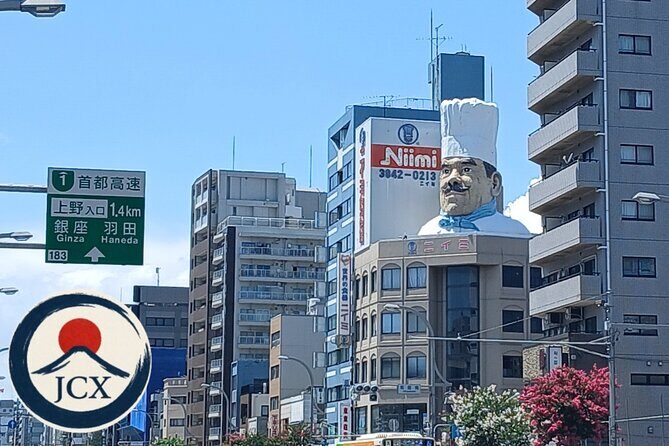
You start at Asakusa (1-chōme-1-3 Asakusa, Taito City, Tokyo). The end point is at JR Ueno Station, specifically the Park Gate area outside (ベビカルNewDaysエキュート上野公園改札外), near Ueno Park.
This matters because the day isn’t “stuck in one neighborhood.” You can plan the rest of your trip more easily, since you finish right where trains and connections are convenient.
Asakusa access streets: getting your bearings fast
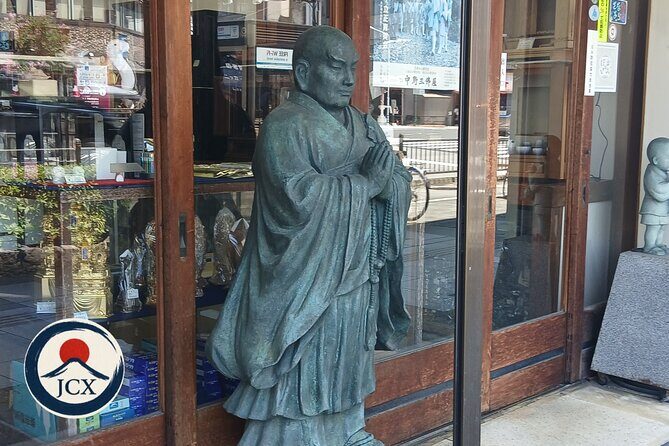
The first stop sets the tone. You’ll enjoy a view over the Asakusa skyline, then stroll through the access street toward Senso-ji while learning about traditional cultural and religious symbols you’ll see along the way.
This is one of those “small” parts that makes the rest of the day click. When you know what the symbols are trying to communicate, you don’t just see old wood and lanterns—you understand why people are there and what they’re doing.
It’s also a good warm-up if you’re new to Tokyo. You get motion, faces, street smells, and context before the big temple moment.
A few more Tokyo tours and experiences worth a look


Senso-ji Temple: not just photos, but rituals and shopping sense
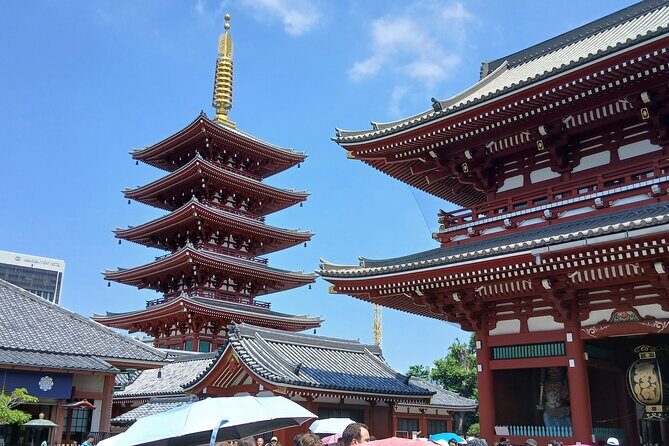
Senso-ji is the star, and you’ll have about an hour here. The main draw is the temple itself, of course, but what really makes this stop useful is the guide framing—especially around the traditional shopping streets that surround it.
You’ll taste Japanese treats as you walk, and you’ll learn about the tradition of omiyage. That word matters in Japan because it explains why so many people buy packaged souvenirs on temple days. It’s not random shopping—it’s tied to returning home with something meaningful.
You’ll also notice how religious items and traditional goods show up right in the everyday flow. That’s a classic Tokyo contrast: sacred space and commerce living side by side.
Practical tip
Go in with one small goal: identify one type of souvenir you’d actually bring home. If you leave with five half-memories, you’ll regret it later when you’re back in your hotel trying to remember what each bag was for.
Asakusa Shrine next door: Buddhism vs Shinto explained on the ground
This stop is shorter—around 30 minutes—but it adds an important piece. You visit Asakusa Shrine and get the contrast between Buddhism and Shinto right where it’s visible.
Tokyo is full of mixed religious traditions, and it can be confusing if you only treat it as “tourist temples.” This part helps you see how different practices coexist. Even if you’re not into religion, the symbols and purpose behind them become easier to read once you’re standing in the right context.
Lunch around the old market streets: what to eat and how to eat it
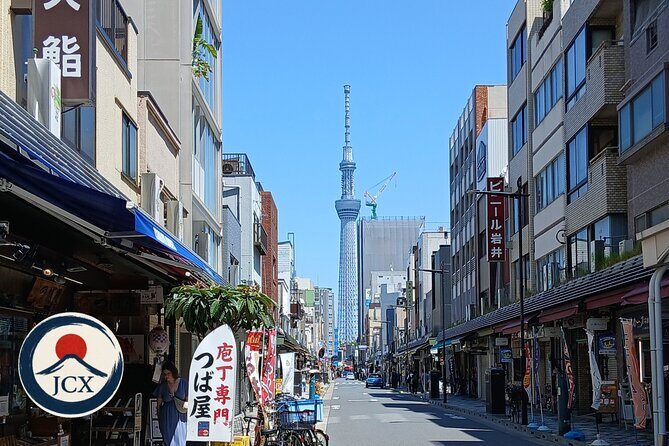
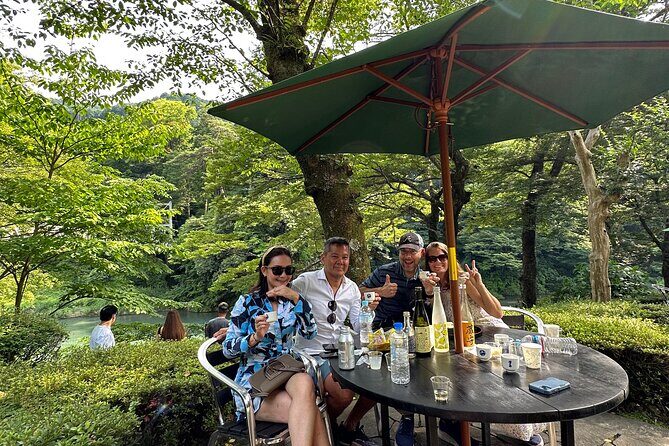
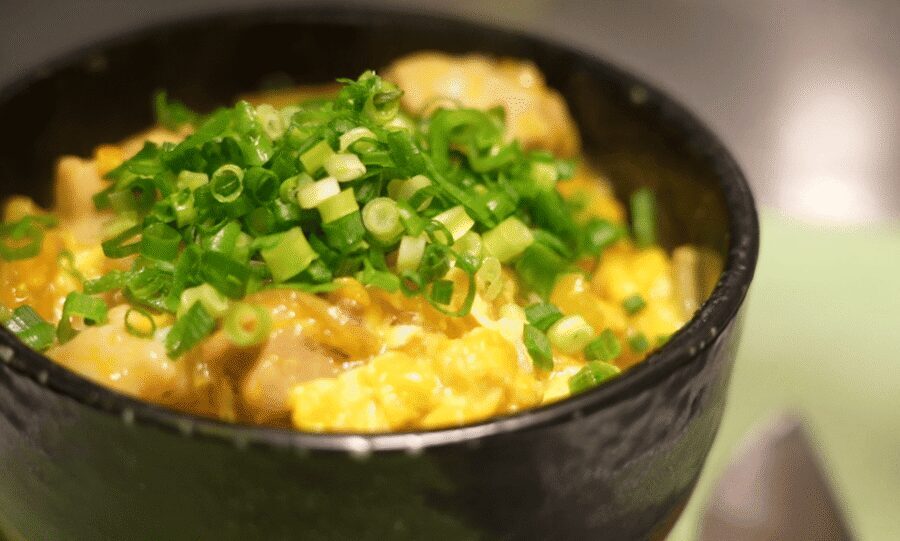
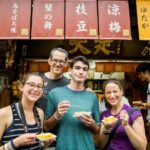
You’ll spend about two hours walking and then eating a Japanese lunch (included) around the temple area market streets. This is where the tour earns its keep for first-time visitors.
The lunch segment isn’t just food placement. You’ll get an introduction to some of Japan’s culinary delights, plus basic customs and etiquette—things that can save you from awkward moments when you’re not sure what’s expected.
If you have dietary restrictions
They explicitly note that if you have dietary restrictions, you should inform them in advance and arrange meal alternatives. If you gave advance notice at least 24 hours before the tour, the meal portion of the tour’s cost can be refunded on location.
If your meal set still isn’t a fit for you, there’s always the option to opt out of the meal and get the meal portion refunded in cash on the spot. That’s an unusually practical policy for a “lunch included” tour.
Kappabashi Street: knives, food replicas, and smart souvenirs
Then you head to Kappabashi Street (Kappabashi Dogugai) for about an hour. This is where Tokyo turns nerdy—in a good way.
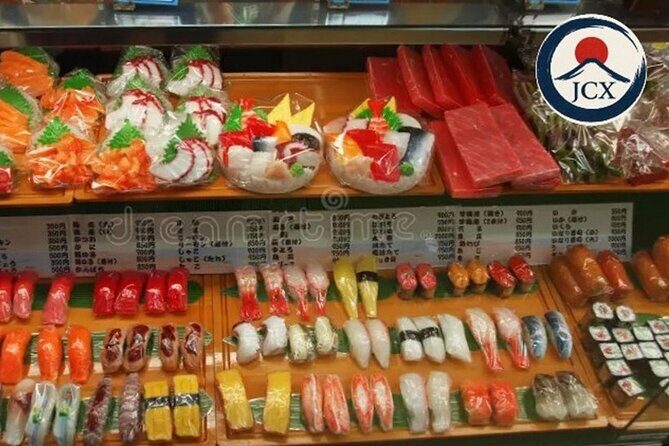
This area is known for where chefs get their knives, plus where food replicas are made. You can browse stores for kitchen items and useful tools, or pick up fun souvenirs that actually make sense to buy (instead of random trinkets you’ll leave behind).
If you’re interested in doing something hands-on, the tour mentions that hands-on experiences can be booked here for creating your own food replica. Even if you don’t book extra activities, walking this street gives you a better sense of why Japanese food culture is so visual and detail-driven.
How to shop without getting overwhelmed
Set a budget and stick to it. Kappabashi can tempt you with “just one more” cooking item, and the yen math adds up fast.
Matsuzakaya Ueno: the higher-end food court option
Next comes Matsuzakaya Ueno, about 30 minutes. You’ll either see the famous higher-end food court or have time to shop there, depending on how you move through the day.
This is a nice contrast after temple streets and Kappabashi. It helps you understand that Tokyo’s food culture isn’t only about snacks and market stalls. There’s also a clean, polished side where presentation and quality control are part of the experience.
Ueno Park: museums and shrines with breathing room
Ueno Park is a big step up in atmosphere. You’ll spend about 30 minutes there, and you’ll see how the park functions as a cultural hub with museums, Ueno zoo, and numerous shrines and temples.
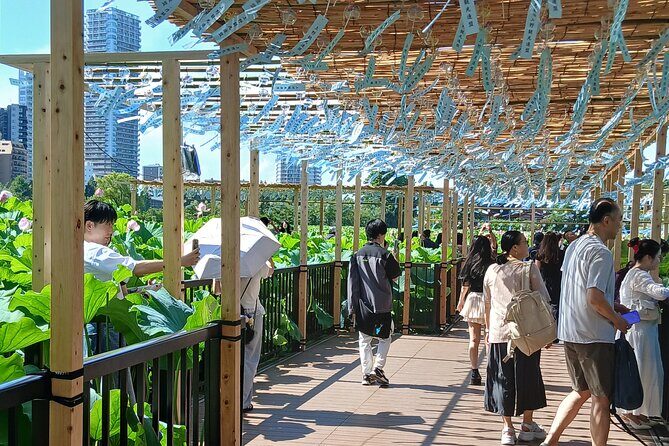
The tour notes seasonal highlights like cherry blossoms and lotus flowers, plus wind chimes and festivals. Even when it’s not peak season, the scale of Ueno Park makes it feel less like a line of attractions and more like a place people actually use.
This is also where the day shifts from shopping focus to calmer sightseeing.
Toshogu Shrine: the Edo-era finish you’ll remember
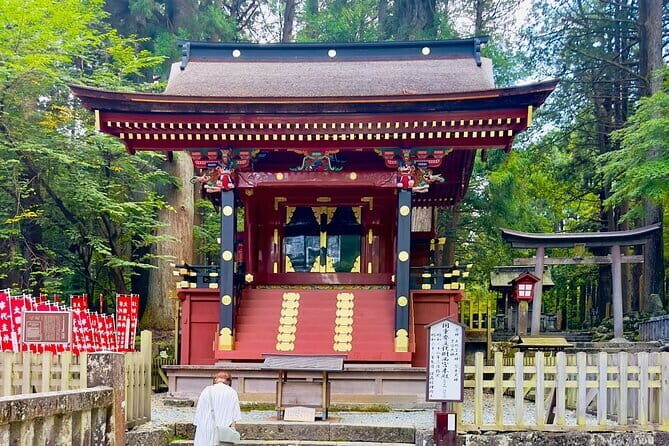
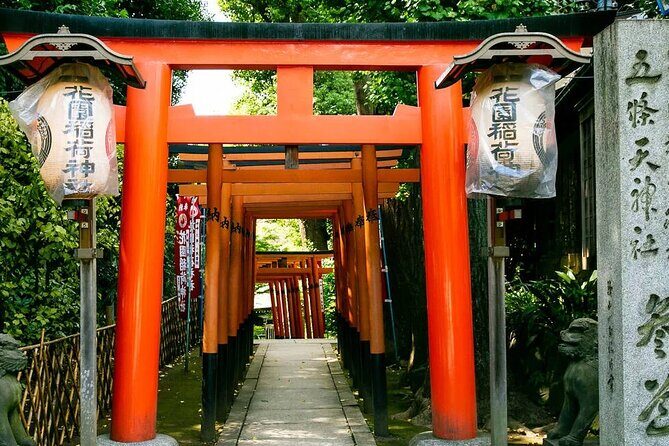
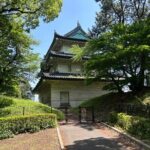
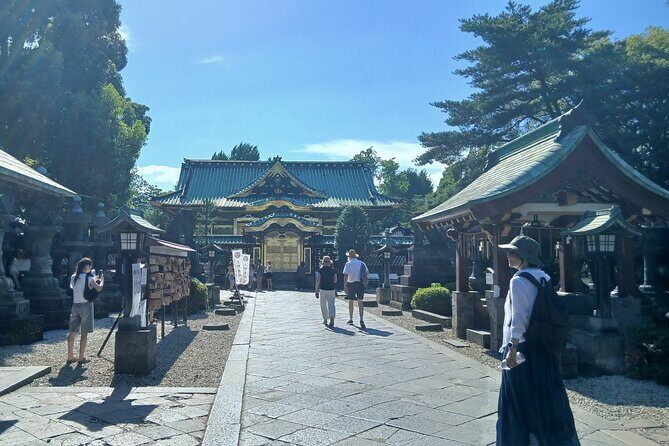
Finally, you reach Toshogu Shrine for about an hour. It’s described as an Edo period architectural and historic landmark, surrounded by serene walkways.
Ending here works well. You’ve spent the day among streets where shopping and food are central, and then you get a quieter space that feels more reflective. The shrine’s setting in the park adds to the sense that this isn’t just another stop on a checklist—you’re closing your Tokyo day with something built to last.
Price and value: why $90 can work if you want context
At $90 per person, this tour isn’t the cheapest way to walk Asakusa and Ueno. But it can be strong value if you care about context and not just access.
You’re paying for:
- a guided walk through multiple major areas,
- included admission tickets for the stops listed as free (so you’re not juggling entry decisions),
- and an included Japanese lunch built into the route.
For many people, the biggest value is the “how to understand what you’re seeing” part—like omiyage meaning and the Buddhism vs Shinto contrast. If you were to do this on your own, you could absolutely cover the same sights, but you’d spend more time guessing and less time learning what to notice.
Who should book this tour (and who might want a different plan)
This is a great fit if you:
- are seeing Tokyo for the first time and want a manageable route across iconic neighborhoods,
- like learning meaning behind symbols and traditions,
- want lunch handled for you so you can keep moving,
- enjoy a small-group walking experience.
It may be less ideal if you:
- dislike walking for much of the day,
- have dietary needs and don’t want to communicate in advance (since lunch options may need adjustment),
- or want total free time with no structure. This day is guided and paced.
Should you book the Tokyo Old Town Discovery Walk?
I’d book it if your idea of a good Tokyo day includes learning as you walk—temples, shrine contrast, street food culture, and then Ueno’s calmer finish. The small group size, the included lunch (with clear options if it doesn’t work), and the way the day is organized from Asakusa to Ueno make it easier than building the route yourself.
If you’re more of a hop-on-hop-off sightseer who only wants highlights with minimal explanation, you might find it more structured than you like. But if you want your old-town visit to feel less like sightseeing and more like understanding, this tour is a solid choice.
FAQ
How long is the tour?
It’s listed as approximately 7 hours.
Is lunch included?
Yes. A Japanese lunch is included in the itinerary.
What time does the tour start?
The start time is 9:00 am.
Where do you meet the group?
The meeting point is in Asakusa at 1-chōme-1-3 Asakusa, Taito City, Tokyo 111-0034, Japan.
Where does the tour end?
It ends at JR Ueno Station Park Gate, outside the gate near the ベビカルNewDaysエキュート上野公園改札外 area.
How big is the group?
The tour has a maximum of 12 travelers.
Are admission tickets included?
The stops listed include admission ticket notes as free, and the experience uses that included access within the itinerary.
Can you handle dietary restrictions?
Yes. You should inform them in advance to arrange meal alternatives. The meal portion can be refunded on location if advance notice was made at least 24 hours prior, and there is also an option to opt out of the meal for a cash refund of the meal portion on the spot.
What happens if weather is bad?
The experience requires good weather. If it’s canceled due to poor weather, you’ll be offered a different date or a full refund.
What is the cancellation window?
Free cancellation is available up to 24 hours in advance of the experience’s start time for a full refund.